Understanding the Real Reason Tua Isn’t Playing: Health, Safety, and Concussion Protocols
Tua Tagovailoa's absence from the field fundamentally centers on NFL concussion protocols, his extensive history of neurological injuries, and independent medical evaluations designed to prioritize long-term neurological health over im...
Tua Tagovailoa's absence from the field fundamentally centers on NFL concussion protocols, his extensive history of neurological injuries, and independent medical evaluations designed to prioritize long-term neurological health over immediate on-field availability.
Contents
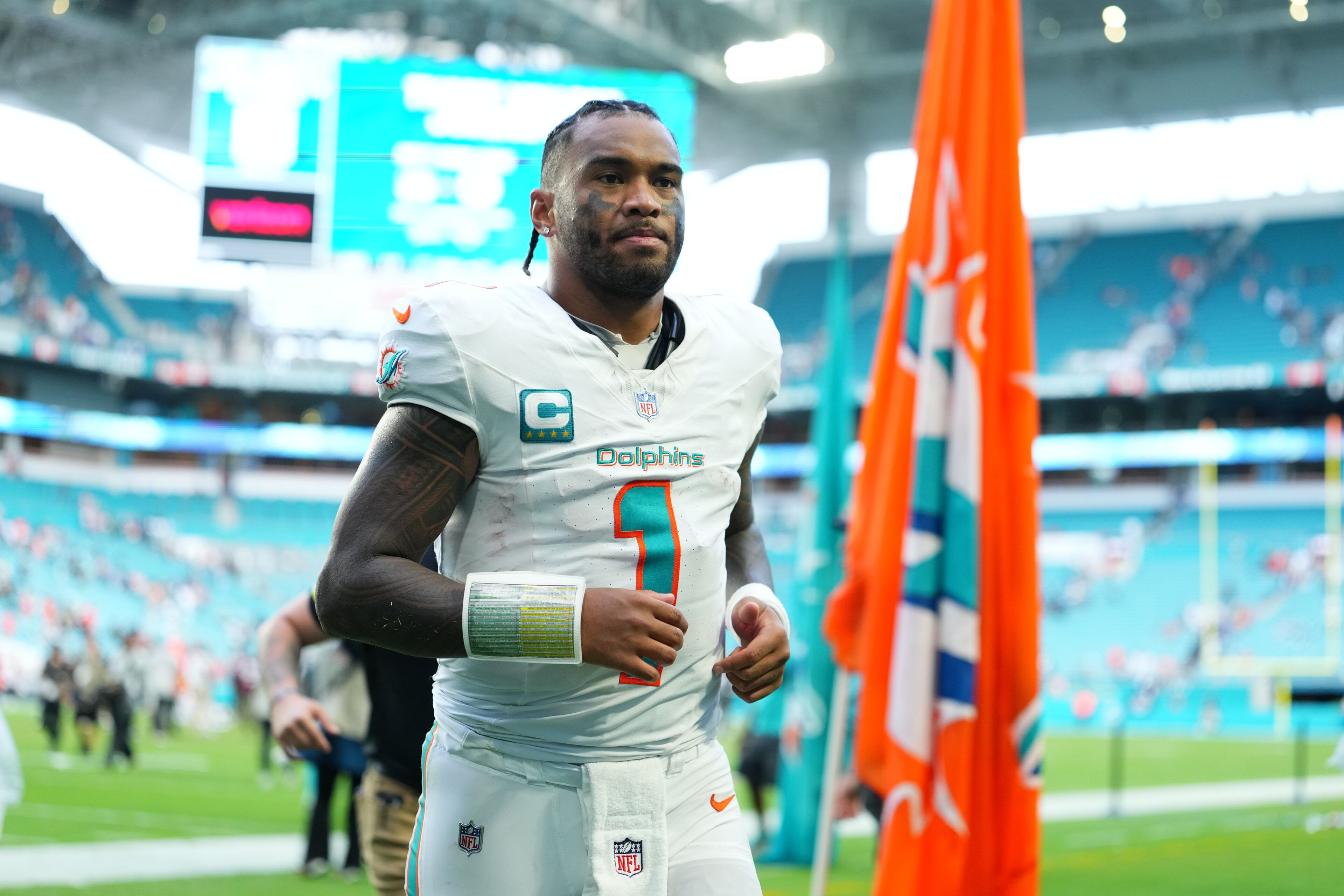
The question of why a high-profile athlete is sidelined invariably generates intense media speculation, fan anxiety, and analytical debate. When it comes to Miami Dolphins quarterback Tua Tagovailoa, his absences from the lineup have frequently placed player safety, modern sports medicine, and the rigorous protocols of the National Football League (NFL) under a national microscope. Understanding why Tagovailoa is not playing requires examining the intersection of clinical concussion protocols, independent neurological assessments, structural roster management, and the unique medical history of a franchise quarterback whose career trajectory has been profoundly shaped by head trauma.
The Medical Framework: NFL Concussion Protocols
To understand why a player like Tagovailoa is held out of games, one must first examine the mechanics of the NFL and NFL Players Association (NFLPA) Concussion Protocol. Established to protect athletes from returning to play prematurely after sustaining a traumatic brain injury (TBI), these guidelines are mandatory and enforced by both independent neurological consultants (INCs) and team medical staff.
When a player exhibits potential signs of a concussion—such as balance issues, impact seizures, vacant stares, or reported cognitive fog—they are immediately removed from the field for an evaluation in the blue medical tent or locker room. The protocol outlines a mandatory, multi-step progression that a player must clear before returning to full-contact participation:
- Symptom-Limited Activity: Rest and light aerobic exercise that does not exacerbate symptoms.
- Aerobic Exercise: Increased heart rate with supervised cardiovascular training.
- Football-Specific Exercise: Non-contact football drills, throwing, and agility work.
- Club-Based Non-Contact Training: Participation in practice drills and team meetings without contact.
- Full Football Activity/Clearance: Final clearance by both the team physician and the Independent Neurological Consultant (INC).
A player cannot bypass any of these stages. If symptoms return at any step, the timeline resets to the initial phase. This stringent framework exists precisely to prevent second-impact syndrome and cumulative neurological damage, which can have lifelong repercussions for professional athletes.
Tua Tagovailoa’s Medical History and Neurological Profile
The central factor influencing Tagovailoa’s playing status over his professional career is his documented history of concussions. While many players experience isolated head injuries, Tagovailoa’s incidents have been high-profile, visually severe, and temporally clustered, forcing medical professionals to evaluate him through a much more conservative lens.
During the 2022 NFL season, Tagovailoa entered the public and medical debate following a series of incidents:
- Week 3 against the Buffalo Bills: After taking a hit, Tagovailoa stumbled upon trying to stand up, initially attributed by the team to a back injury. He briefly returned to the game, sparking immediate scrutiny from the NFLPA.
- Week 4 against the Cincinnati Bengals: Just days later, Tagovailoa suffered a fencing response—an involuntary neurological positioning of the arms—after being slammed to the turf. He was stretchered off the field and diagnosed with a concussion, prompting immediate changes to the NFL's concussion protocol to ban players from returning if they exhibit instability.
- Later in 2022: Tagovailoa suffered another diagnosed concussion against the Green Bay Packers on Christmas Day, leading him to miss the remainder of the season, including a playoff game.
Because of this clinical history, subsequent hits that might result in a minor advisory for another player are treated with extreme caution for Tagovailoa. Neurologists specializing in sports-related concussions emphasize that the brain's recovery threshold can change after multiple traumatic events, making subsequent injuries potentially easier to trigger and harder to recover from safely.
| Incident Date / Period | Opponent | Clinical Observation | Protocol / Outcome |
|---|---|---|---|
| September 2022 | Buffalo Bills | Stumbling upon rising; back/head impact | Cleared initially; triggered protocol overhaul |
| September 2022 | Cincinnati Bengals | Fencing response, loss of consciousness | Diagnosed concussion, multiple weeks sidelined |
| December 2022 | Green Bay Packers | Post-game reported symptoms | Diagnosed concussion, missed remainder of season |
| September 2024 | Buffalo Bills | Direct helmet-to-helmet contact | Placed on Injured Reserve for extended recovery |
Independent Medical Evaluations and Expert Consensus
A common misconception among sports fans is that a player's return to the field is decided solely by the coaching staff, the general manager, or the player's personal desire to compete. In cases involving neurological health, independent medical professionals hold absolute veto power.
When Tagovailoa enters the concussion protocol, his progress is evaluated in tandem with Independent Neurological Consultants—physicians agreed upon by both the NFL and the NFLPA who have no financial or operational ties to the Miami Dolphins. These specialists look beyond the immediate disappearance of headaches or dizziness. They utilize baseline neurocognitive testing, oculomotor (eye-tracking) exams, and balance assessments to determine if the brain has truly returned to its pre-injury metabolic baseline.
Furthermore, outside specialists—including renowned neurologists unaffiliated with the league—often weigh in on high-profile cases. When cumulative concussions are involved, these experts evaluate the long-term risk of chronic traumatic encephalopathy (CTE), post-concussion syndrome, and permanent cognitive impairment. If independent medical consensus dictates that a player should rest to allow cerebral tissue to heal fully, neither the franchise nor the player can override that medical judgment.
Strategic Roster Management and Long-Term Value
While medical safety remains the paramount reason Tagovailoa misses playing time, front-office strategy and asset management also play secondary roles in how organizations handle a franchise cornerstone recovering from injury.
NFL franchises invest heavily—both in terms of salary cap space and draft capital—in quarterbacks signed to long-term contracts. When a player of Tagovailoa's caliber is sidelined, the strategic approach shifts from short-term game management to long-term organizational viability. Forcing a quarterback back onto the field before he is fully prepared medically jeopardizes not only his health but also the competitive future of the franchise.
Key factors influencing organizational patience include:
- Contractual and Financial Protections: Ensuring the player's long-term health aligns with guaranteed financial commitments.
- Backup Quarterback Preparedness: Utilizing capable backups to maintain offensive continuity while the starter completes his recovery.
- Risk Mitigation: Avoiding the catastrophic scenario of a career-ending injury resulting from premature exposure to contact.
Frequently Asked Questions
Can Tua Tagovailoa be forced to retire because of concussions?
Neither the NFL nor a team can unilaterally force a player to retire based on medical history, provided the player is medically cleared by independent specialists. However, if independent doctors refuse to clear a player to play, he effectively cannot take the field. Retirement decisions in such scenarios ultimately rest with the player in consultation with his family and independent medical advisors.
How long does the NFL concussion protocol typically take?
There is no fixed timeline for clearing the concussion protocol. It depends entirely on how quickly a player's symptoms resolve and how they progress through the five phased levels of exertion. Some players clear within a week, while others require multiple weeks or months if symptoms persist.
Who makes the final decision to clear Tua to play?
A player cannot return to play solely on the approval of the team physician. Final clearance requires unanimous agreement between the team's medical staff and the Independent Neurological Consultant (INC) assigned by the NFL and NFLPA.
Does Tua wear a specialized helmet to prevent concussions?
Yes. Following his concussions, Tagovailoa adopted specialized helmet models specifically engineered to mitigate rotational forces and frontal impact energy absorption, as rated and recommended by laboratory testing conducted jointly by the NFL and NFLPA.
What is second-impact syndrome?
Second-impact syndrome occurs when the brain swells rapidly and catastrophically after a person suffers a second concussion before symptoms from an earlier one have subsided. Though rare, it is a severe medical risk that protocol guidelines are specifically designed to prevent.
Conclusion and Next Actions
The real reason Tua Tagovailoa isn't playing at any given time traces back to strict medical protocols, independent neurological assessments, and a shared commitment between players, teams, and medical experts to mitigate the severe risks associated with repeated head trauma. For fans and analysts monitoring his status, understanding that neurological recovery operates on a biological timeline rather than an athletic schedule is essential. Moving forward, monitoring official injury reports and statements from independent neurological consultants remains the only reliable method for tracking his status and readiness to return safely to competition.
Image Gallery