What Is a Milo Drink? A Quick Guide to the Popular Chocolate Milk Beverage
Milo is a chocolate and malt powder drink mix developed by Nestlé, primarily consumed by dissolving the powder into hot or cold milk or water. First introduced in Australia in 1934, it has become a staple beverage in various global mar...
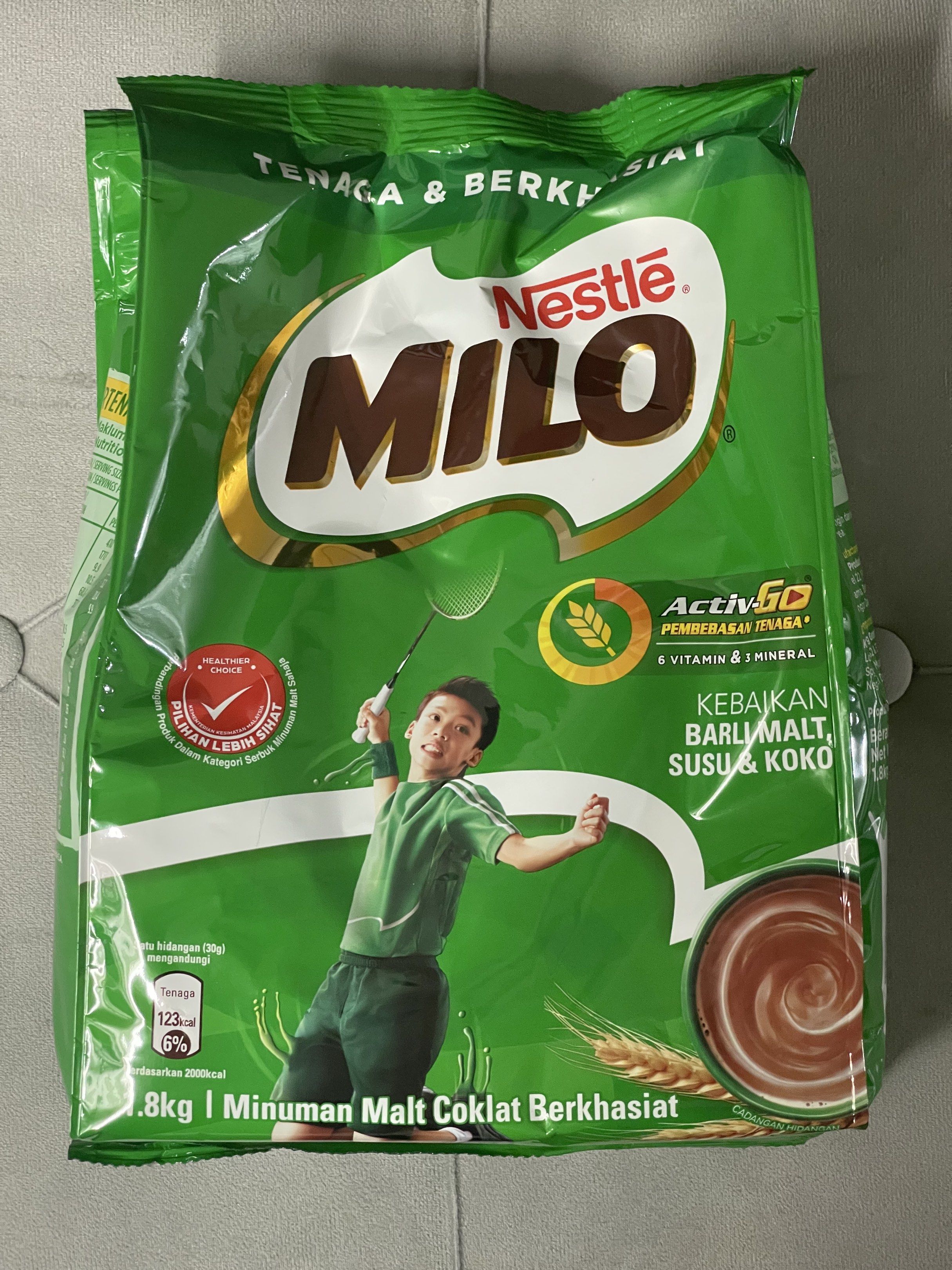
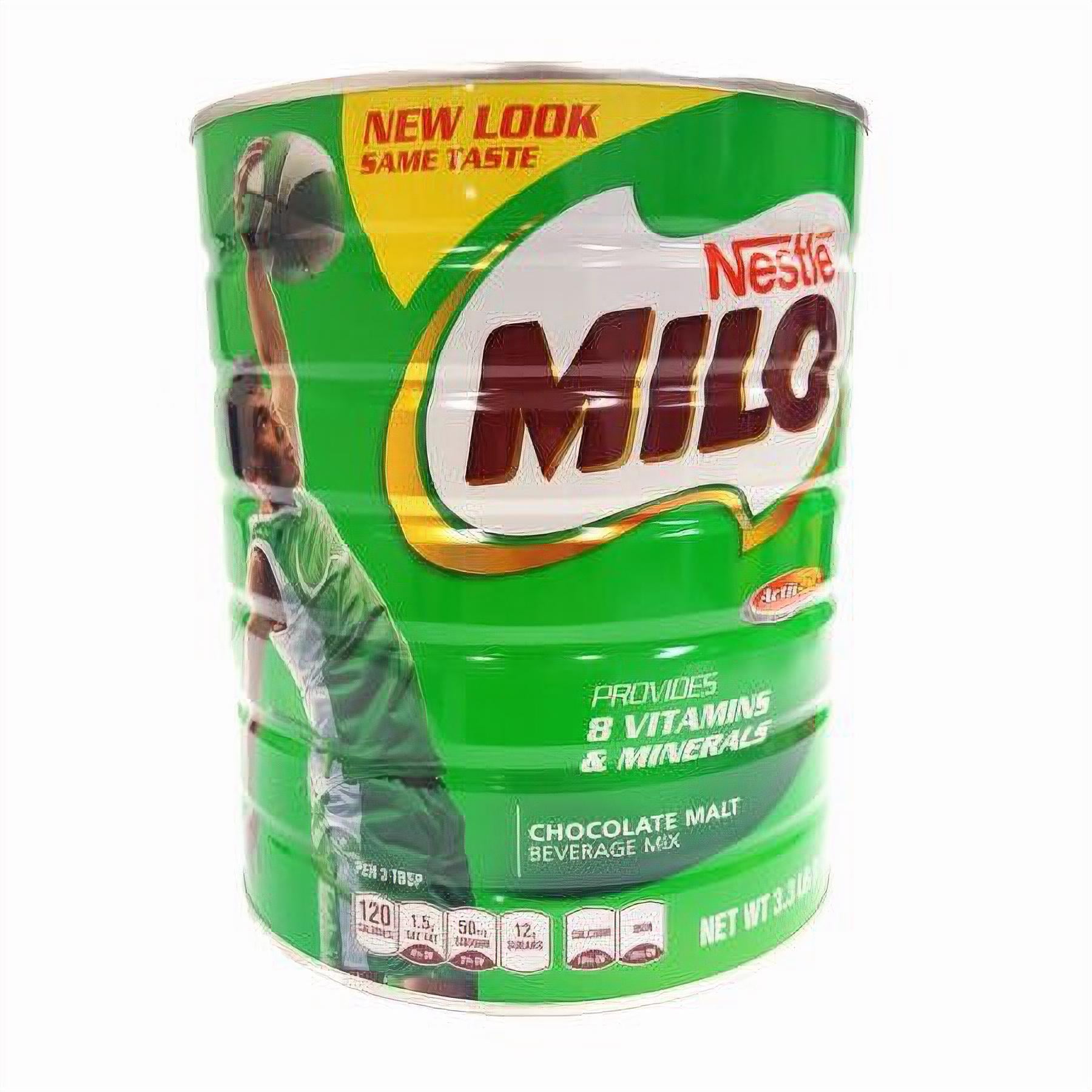
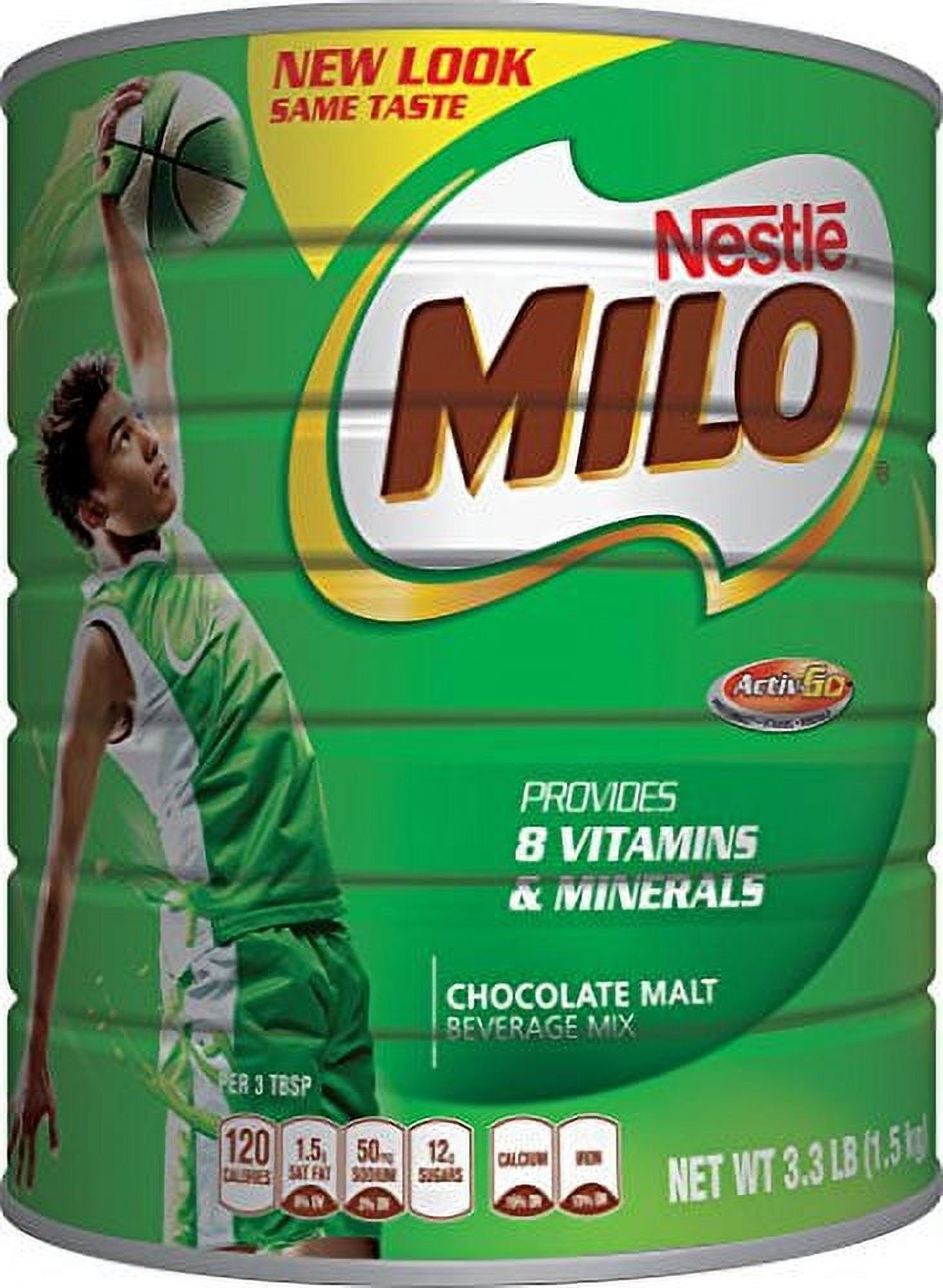
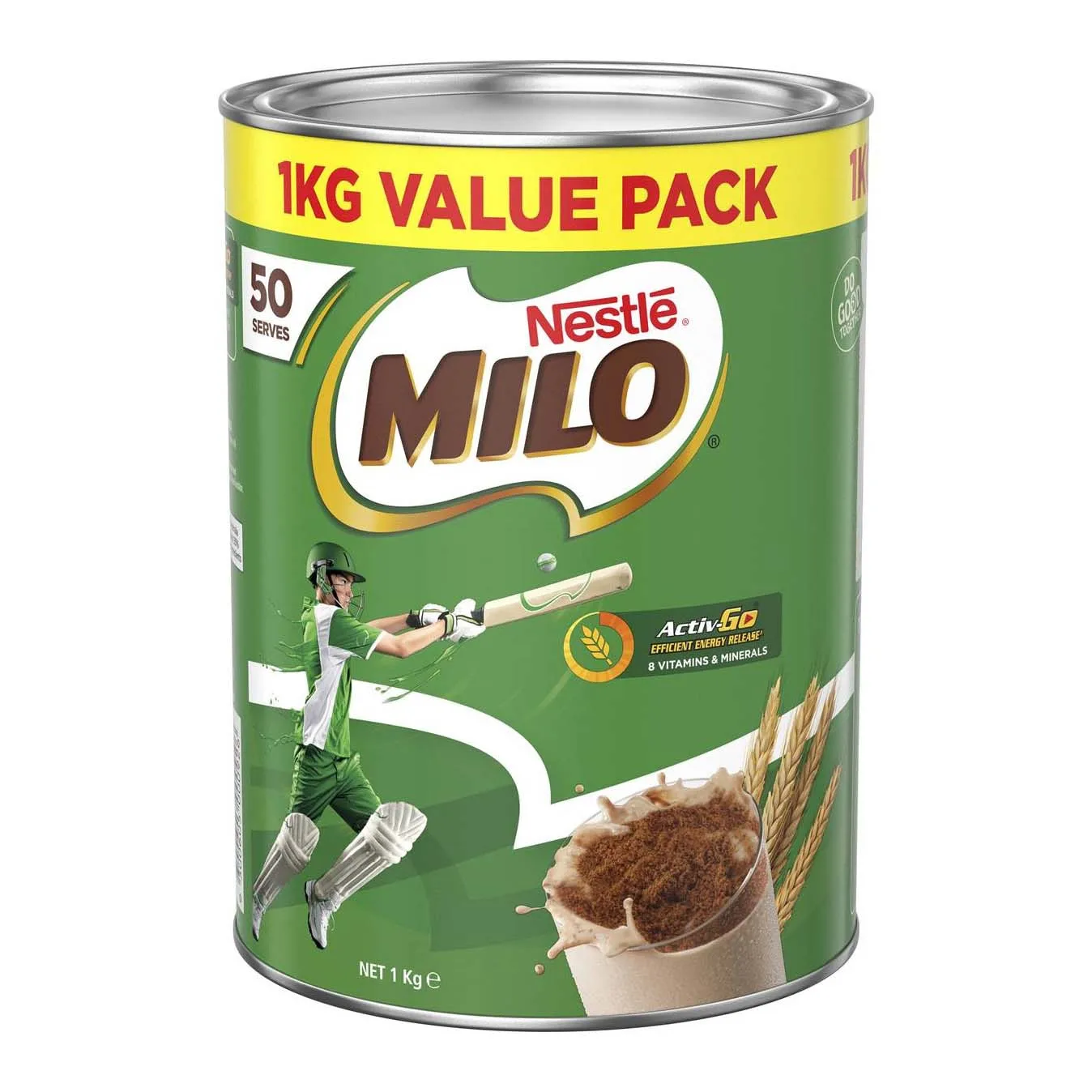
Milo is a chocolate and malt powder drink mix developed by Nestlé, primarily consumed by dissolving the powder into hot or cold milk or water. First introduced in Australia in 1934, it has become a staple beverage in various global markets, valued for its distinctive crunchy texture and its proprietary blend of vitamins and minerals marketed to support energy and growth.
Contents
The Origins and Evolution of Milo
Milo was created by Thomas Mayne, an industrial chemist at Nestlé Australia, during the Great Depression. His goal was to develop a nutritious, affordable beverage that could provide essential vitamins and minerals to children who were not receiving a balanced diet. Named after the ancient Greek wrestler Milo of Croton, the drink was intentionally associated with strength and physical vigor.
Over the decades, Milo has expanded from a niche Australian product to a global brand with significant market dominance in Southeast Asia, Latin America, and parts of Africa. While the core ingredient profile—malt extract, milk solids, and cocoa—remains consistent, local formulations often vary to suit regional preferences and nutritional standards. In 2026, it remains one of the most recognizable shelf-stable food products, often synonymous with "energy" in its advertising campaigns.
Key Ingredients and Nutritional Profile
The composition of Milo is centered on four primary pillars: malt extract, milk powder, sugar, and cocoa. These ingredients are processed to create the characteristic granular texture that fans often seek to preserve when preparing the drink.
- Malt Extract: Derived from barley, this provides the signature earthy, nutty flavor and acts as a source of carbohydrates for sustained energy.
- Cocoa: Provides the chocolate flavoring and contains natural antioxidants.
- Milk Solids: These contribute to the creaminess of the drink and provide calcium and protein.
- Fortification: Nestlé includes a proprietary mix of vitamins and minerals, commonly referred to in marketing as "Activ-Go," which typically includes B-vitamins, Vitamin C, Iron, and Calcium.
It is important for consumers to note that the nutritional content varies by region. Because Milo is classified as a sweetened cocoa-malt beverage, it contains sugar. Individuals monitoring their glycemic index or daily added-sugar intake should review the specific nutrition label on the packaging, as versions sold in some countries are formulated with different sweetness levels compared to others.
Preparation Methods: The "Texture" Experience
The popularity of Milo is tied as much to its preparation as it is to its flavor. Unlike instant cocoa mixes that dissolve completely into a smooth liquid, Milo is often prepared to preserve the "crunch" of the granules.
- The Classic Cold Mix: Many consumers prefer to stir Milo into cold milk, leaving the undissolved granules at the top of the glass. This is often referred to as the "top-up" or "crunchy" method.
- The Hot Formulation: When mixed with hot water or hot milk, the granules dissolve more readily, creating a traditional malted chocolate drink similar to other hot cocoa beverages.
- The Milo Dinosaur: A popular preparation in Southeast Asia, this involves a standard glass of iced Milo topped with several heaping teaspoons of undissolved Milo powder.
- Culinary Applications: Beyond beverages, Milo is frequently used as a topping for shaved ice (ABC or Ais Kacang), an ingredient in cheesecakes, or mixed into breakfast cereals.
Comparing Malted Beverages
Consumers often confuse Milo with other chocolate-flavored drink mixes. The primary difference lies in the malt content and the fortification process.
| Feature | Milo | Standard Cocoa Mix | Malted Milk Powder |
|---|---|---|---|
| Primary Base | Barley Malt & Cocoa | Cocoa & Sugar | Barley Malt |
| Texture | Granular (Crunchy) | Fine/Powdery | Fine/Powdery |
| Fortification | High (Vitamins/Minerals) | Low to Moderate | Low |
| Flavor Profile | Earthy, Malted Chocolate | Sweet Chocolate | Toasted Nutty/Malt |
Storage and Shelf Life
Milo is a hygroscopic product, meaning it absorbs moisture from the air. In humid climates, the powder can easily clump or solidify if the container is not sealed properly. To maintain the quality of the powder:
- Seal Tightly: Always replace the lid firmly immediately after use.
- Cool, Dry Storage: Store in a pantry away from direct sunlight and heat sources like ovens or stovetops.
- Avoid Contamination: Use a clean, dry spoon every time you dispense the powder. Introducing moisture from a damp spoon will trigger the solidification process inside the container.
- Expiration: While Milo is shelf-stable, it is best consumed within the "best before" date indicated on the tin. After this date, the vitamin content may degrade, and the flavor profile may shift as the fats in the milk solids oxidize.
Potential Dietary Considerations
While Milo is designed as a nutritional supplement, it is a caloric product. Those managing specific health conditions—such as diabetes or cow's milk protein allergies—should consult the ingredient list closely.
- Gluten: Because the malt extract is derived from barley, Milo is generally not suitable for individuals with Celiac disease or severe gluten intolerance.
- Lactose: Most Milo formulations contain milk solids, making it unsuitable for those with severe lactose intolerance unless prepared with a non-dairy milk alternative.
- Professional Advice: If you are using Milo as a dietary supplement for children or as part of a post-workout recovery plan, it is advisable to view it as a part of a wider diet rather than a standalone health food. Consult with a registered dietitian if you are using it to address specific nutritional gaps.
Frequently Asked Questions
Does Milo contain caffeine? Yes, but in small amounts. Because Milo contains cocoa, it naturally includes a trace amount of caffeine. The level is significantly lower than that of a standard cup of coffee or even some caffeinated teas, making it generally acceptable for children, though sensitivity levels vary by individual.
Can Milo be mixed with water instead of milk? Yes, Milo can be mixed with water. However, the flavor will be less creamy and thinner compared to mixing it with dairy or fortified plant-based milk. If you prefer a lighter drink, water is a common choice, but you may find you need a larger portion of powder to achieve a satisfactory flavor intensity.
Why is my Milo clumping inside the tin? Clumping is caused by moisture. This can happen if the lid is left off, if the tin is stored in a humid environment, or if a wet spoon has been used to scoop the product. To prevent this, ensure your spoon is completely dry before each use.
Is Milo suitable for a vegan diet? Most standard Milo products are not vegan because they contain milk powder or milk solids. While some regional variations may exist, the majority of global Milo products are intended to be mixed with dairy, and the dry powder itself includes dairy-derived ingredients. Always check the allergen information on the specific tin.
How does the "Activ-Go" formulation differ from original versions? "Activ-Go" is a branding term used by Nestlé to highlight the inclusion of PROTOMALT (their specific malt extract), vitamins, and minerals. It represents the standardized modern formulation designed to support energy release. It is not a different product, but rather a descriptor of the nutritional fortification present in the current production line.
Next Steps for Consumers
To get the most out of your Milo, start by experimenting with the mixing ratio. Because it is highly personal, most users find their "sweet spot" by adjusting the number of heaped teaspoons per 200ml of liquid. If you are preparing it for children, consider mixing it with cold milk for a calcium-rich snack; if you are looking for a comfort beverage, stir it into hot milk until the powder is fully incorporated. Always store the tin in a cool, dry environment to ensure the texture remains crunchy for the duration of the product's shelf life.
Image Gallery