Understanding Okeechobee: Which County Is Okeechobee, Florida In?
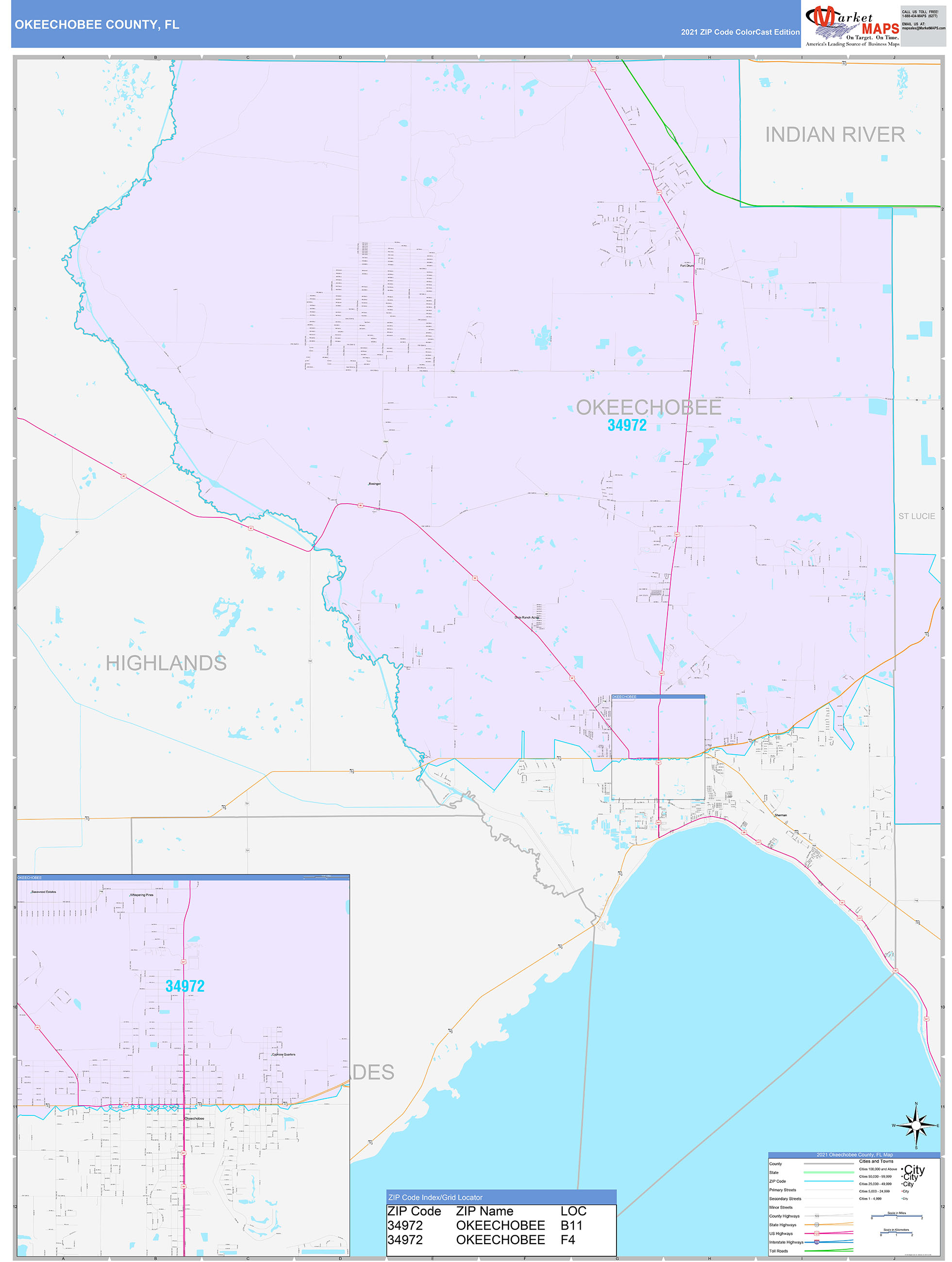
The answer to what county Okeechobee, Florida is in is Okeechobee County. As the county seat and the primary hub of this region, the City of Okeechobee serves as the central administrative and commercial focal point for the surrounding...
The answer to what county Okeechobee, Florida is in is Okeechobee County. As the county seat and the primary hub of this region, the City of Okeechobee serves as the central administrative and commercial focal point for the surrounding rural and agricultural lands, officially situated entirely within the jurisdictional boundaries of Okeechobee County.
Contents
Geographic and Administrative Context of Okeechobee County
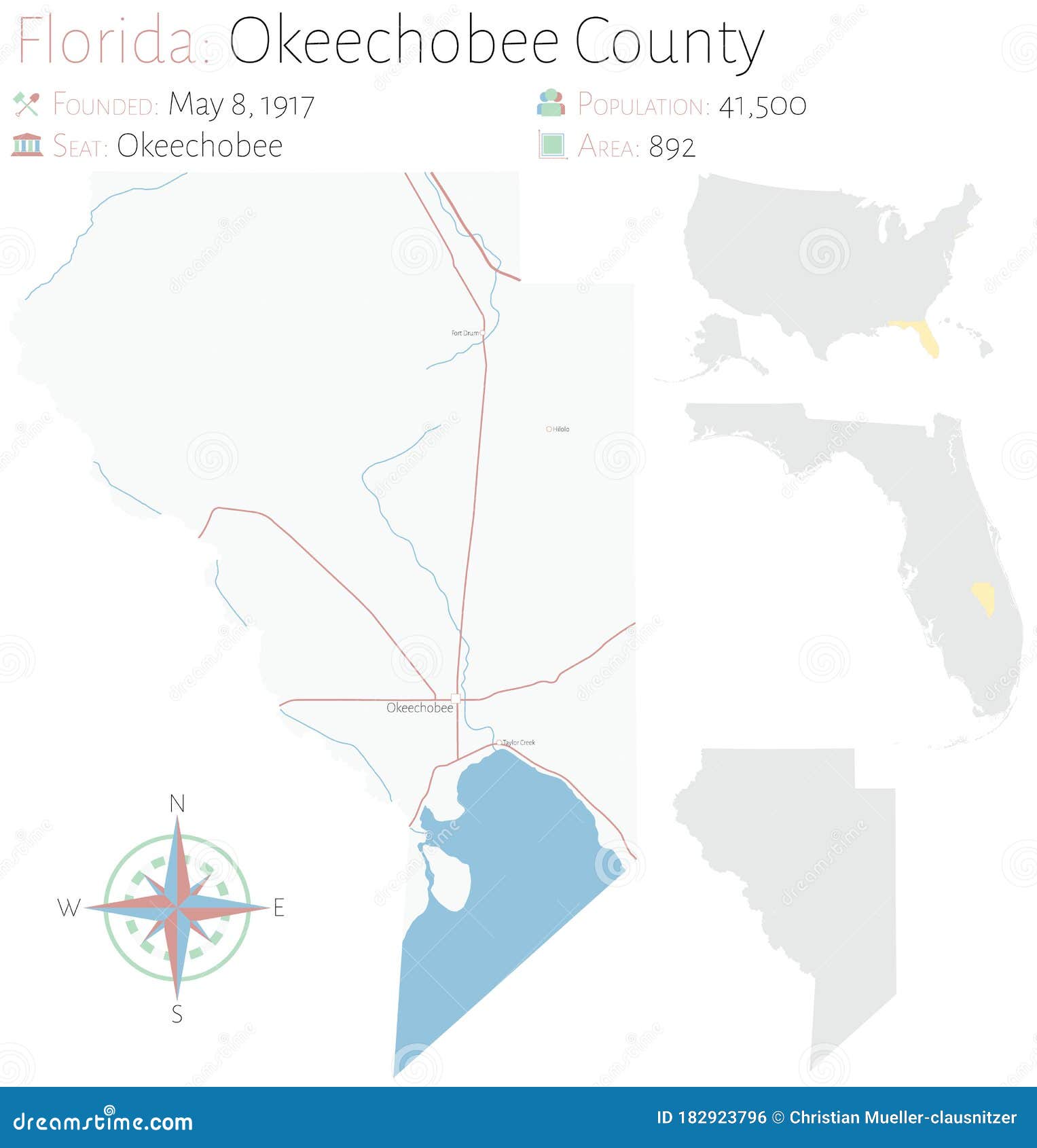
Located in the heart of South-Central Florida, Okeechobee County is a distinct geographical and political entity. Often characterized by its sprawling cattle ranches, proximity to the northern shore of Lake Okeechobee, and significant agricultural production, the county operates as a consolidated local government. When people search for the location of Okeechobee, they are typically looking to clarify the relationship between the city and its broader governing body.
The City of Okeechobee is the only incorporated municipality in the county. This unique status means that for residents and visitors, the distinction between city services and county services is often highly integrated. Most of the land area within the county remains unincorporated, governed directly by the Okeechobee County Board of County Commissioners. Understanding this structure is essential for those seeking government services, building permits, or property tax information.
Historical Significance of the Region
Okeechobee County was established in 1917, carved out of parts of St. Lucie, Osceola, and Palm Beach counties. The region’s name is derived from the Hitchiti Indian words "oki" (water) and "chobi" (big), a fitting nomenclature for the area that borders the largest freshwater lake in the state of Florida. Throughout the 20th century, the economy of the county shifted from timber and early agriculture to a highly sophisticated cattle industry, cementing the area's reputation as a leader in Florida’s ranching sector.
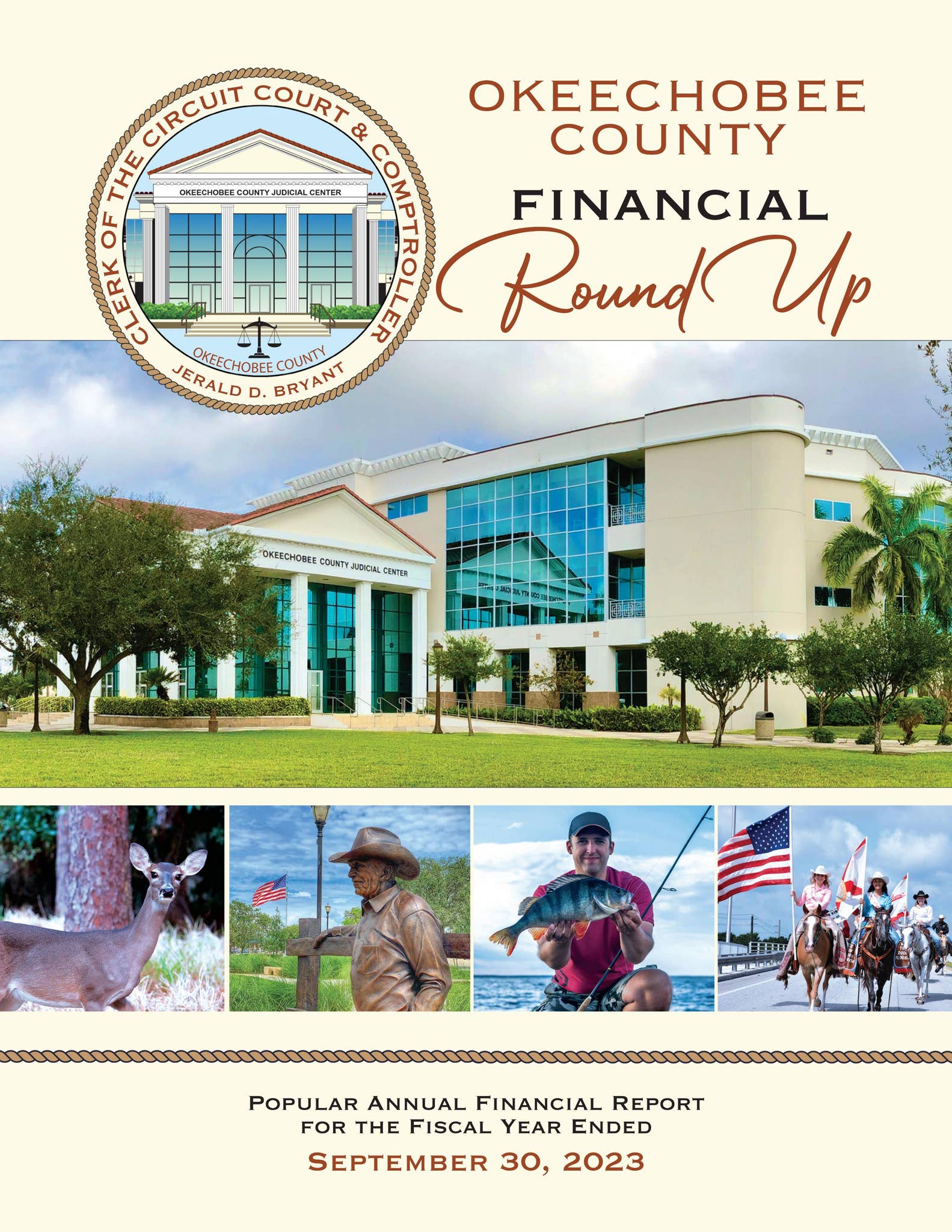
The city itself grew around the intersection of major railroad lines and trails, serving as a gateway for settlers moving into the interior of the Florida peninsula. In 2026, the area retains much of its historic character while adjusting to the modern infrastructure demands of a growing population. For researchers and historians, the county records held at the Okeechobee County Courthouse serve as the primary repository for land titles and vital statistics dating back to the county’s formation.
Governance and Civic Structure
Because the City of Okeechobee is the county seat, the primary administrative functions for the region are concentrated there. This includes the County Clerk of Court, the Sheriff’s Office, and various administrative departments. For those interacting with the government, it is critical to identify whether a specific location falls within the city limits or the unincorporated county jurisdiction.
Governance is divided into several administrative districts. While the city has its own municipal charter and city council, the county government is responsible for broad regional concerns such as the maintenance of county roads, regional law enforcement support, and the management of major public infrastructure. Property owners should consult the Okeechobee County Property Appraiser’s office to verify jurisdiction, as tax millage rates can vary between the incorporated city limits and the unincorporated sections of the county.
Socio-Economic Landscape and Industry
The economy of Okeechobee County is deeply tied to the natural resources of the region. As of 2026, the area continues to leverage its land for large-scale agricultural operations, including dairy farming, cattle ranching, and crop production. These industries are not merely cultural icons of the region but represent the core economic drivers that shape the demographics and land-use policies of the county.
Table 1: Key Administrative Attributes of Okeechobee, Florida
| Feature | Description |
|---|---|
| County Name | Okeechobee County |
| County Seat | City of Okeechobee |
| Incorporated Cities | City of Okeechobee (Only one) |
| Primary Region | South-Central Florida |
| Governing Body | Board of County Commissioners |
| Main Economic Driver | Agriculture, Cattle Ranching, Tourism |
Beyond agriculture, the proximity to Lake Okeechobee drives significant recreational tourism. Fishing, birdwatching, and airboat tours are major contributors to the local service industry. Understanding that the city and the county are intrinsically linked allows for better navigation of business licensing, tourist accommodations, and recreational access permits.
Navigating Jurisdictional Services
When residents or visitors arrive in Okeechobee, they may require assistance from various local entities. A common point of confusion is the overlap between city and county services. For instance, public safety is provided by a combination of the Okeechobee Police Department (within city limits) and the Okeechobee County Sheriff’s Office (for the county at large).
For those engaging in real estate transactions, it is standard practice to confirm the exact parcel location. A property may have an "Okeechobee, FL" mailing address, but if it lies outside the city limits, it is subject only to county ordinances, not municipal ones. This distinction is vital for zoning compliance, waste management services, and emergency service routing. Always verify the legal description on the property deed or through the county’s public GIS (Geographic Information System) portal.
Frequently Asked Questions
1. Is Okeechobee a city or a county? Okeechobee is both. It is a city that serves as the seat of the surrounding Okeechobee County. The city is the political and administrative center, while the county is the larger regional jurisdiction that encompasses both the city and the surrounding unincorporated lands.
2. Does the city of Okeechobee have its own government? Yes, the City of Okeechobee operates under a municipal charter with an elected mayor and city council. This city government is separate from the Okeechobee County Board of County Commissioners, though both entities frequently collaborate on regional infrastructure and emergency management projects.
3. How do I know if my address is in the city or the county? You can determine this by checking your property tax bill or using the Okeechobee County Property Appraiser’s online search tool. Properties within the city limits pay an additional municipal tax, whereas properties in the unincorporated county do not. Additionally, your zoning designation and service providers for water and sewage can often help identify your jurisdiction.
4. Is the lake itself part of Okeechobee County? Lake Okeechobee is vast and its surface area is divided among several counties, including Palm Beach, Martin, Hendry, Glades, and Okeechobee. The northern portion of the lake is bordered by Okeechobee County, and the county holds jurisdiction over the land areas abutting this shoreline.
5. What is the significance of the county seat? The county seat is the location where the county’s administrative and judicial business is conducted. In this case, the City of Okeechobee hosts the county courthouse, jail, and primary government offices, making it the legal center of gravity for the entire county population.
Next Steps for Residents and Visitors
For those requiring specific information regarding their status within the county, the most effective next step is to visit the official website of the Okeechobee County Board of County Commissioners. This portal provides access to meeting agendas, public records, and departmental contacts that can resolve specific questions regarding zoning, taxes, or civic engagement. If you are conducting a property transaction, ensure you are utilizing the current 2026 tax records to account for any recent changes in millage rates or district boundaries. By utilizing official government channels, you ensure that you receive the most accurate and legally binding information regarding your interests in the area.
Image Gallery