The Medical Photography Degree Explained: A Comprehensive Career Guide
A medical photography degree is a specialized academic program that integrates professional imaging techniques with medical science, anatomy, and clinical ethics. These programs train individuals to produce high-quality, standardized v...
A medical photography degree is a specialized academic program that integrates professional imaging techniques with medical science, anatomy, and clinical ethics. These programs train individuals to produce high-quality, standardized visual documentation of patients, surgical procedures, and pathological specimens for use in patient records, medical education, research, and legal evidence.
Contents
The field of medical photography—often referred to professionally as clinical photography or biomedical imaging—is a niche but vital intersection of art and science. As we move through 2026, the demand for precise visual data has expanded beyond traditional 2D stills into 3D modeling, ophthalmic imaging, and diagnostic video. This guide explains the academic requirements, core curriculum, and professional pathways associated with earning a degree in this rigorous discipline.
The Academic Landscape of Medical Photography
Degrees in medical photography are distinct from general fine arts or commercial photography programs. While a standard photography degree focuses on aesthetics and creative expression, a medical photography degree prioritizes objective accuracy, reproducibility, and biological context.
In many regions, particularly the United Kingdom and parts of Europe, the path is highly standardized. Students often pursue a BSc (Hons) in Healthcare Science with a specialization in clinical photography. In the United States, the landscape is slightly different; while dedicated "Medical Photography" degrees exist at institutions like the Rochester Institute of Technology (RIT), many practitioners enter the field through Biomedical Communications or Biomedical Art programs that offer a heavy concentration in clinical imaging.
By 2026, many of these programs have evolved into multidisciplinary degrees. They now incorporate significant coursework in digital asset management, medical informatics, and the use of artificial intelligence (AI) for image analysis. The goal is no longer just to "take a picture" but to create a measurable data point that can assist in a patient's diagnostic journey.
Core Curriculum and Technical Training
A comprehensive medical photography degree covers three primary pillars: clinical knowledge, technical imaging mastery, and professional ethics.
Clinical and Biological Sciences
Students must understand the subject matter they are documenting. This requires foundational courses in:
- Anatomy and Physiology: Understanding the structure and function of the human body to accurately represent pathologies.
- Medical Terminology: Learning the language of healthcare to communicate effectively with surgeons, nurses, and pathologists.
- Pathology: Recognizing the visual manifestations of diseases, which is essential for highlighting the specific features a clinician needs to see.
Technical Imaging Mastery
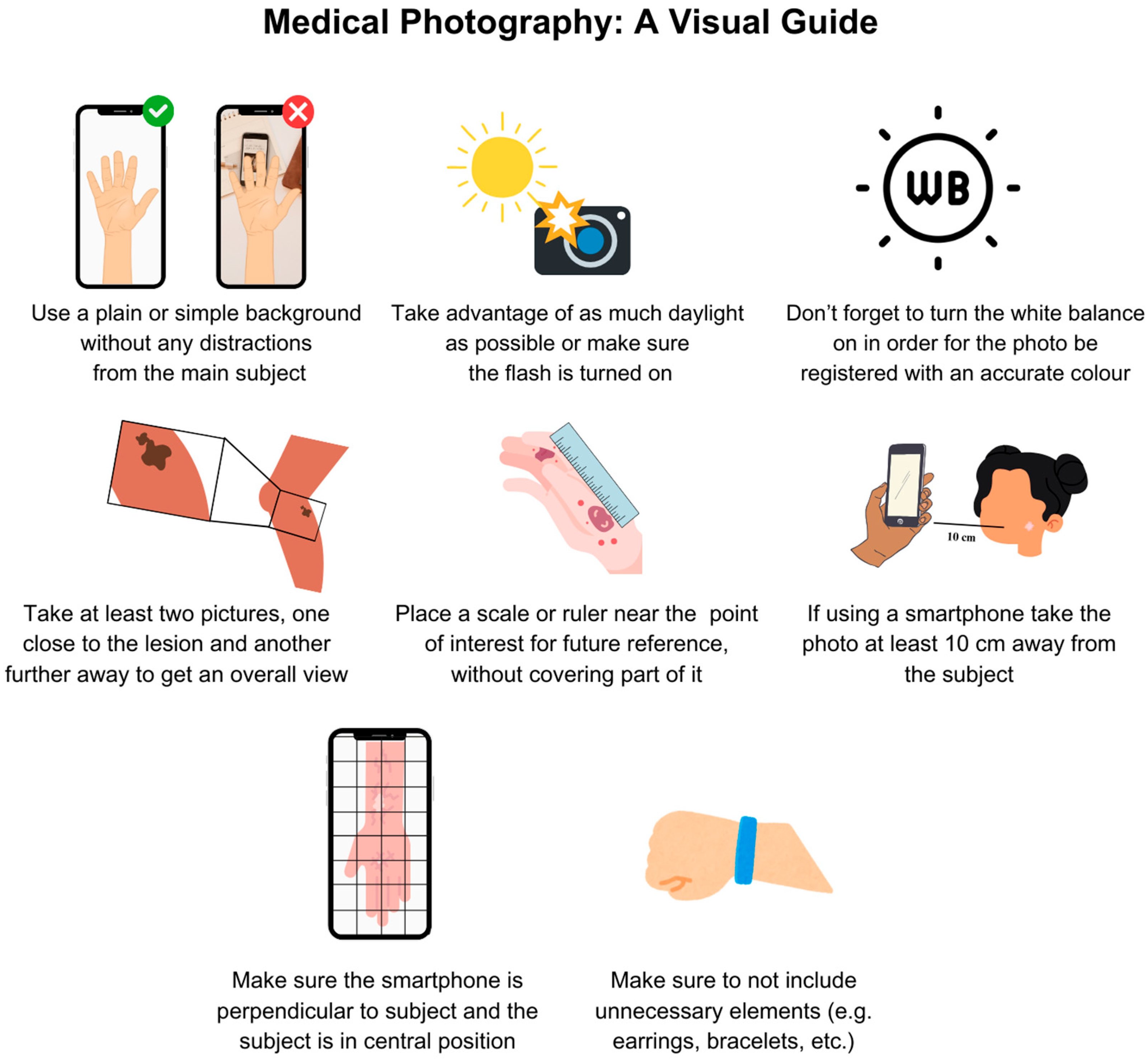
The technical side of the degree focuses on "standardized" photography. Unlike a portrait studio where lighting is adjusted for beauty, medical lighting is standardized to ensure that an image taken today can be accurately compared to one taken six months later.
- Optics and Macro Photography: Mastering high-magnification imaging for dermatology and ophthalmology.
- Surgical Photography: Training in sterile field protocols and working within the high-pressure environment of an operating room.
- Specialized Modalities: Learning to use non-traditional equipment, such as Optical Coherence Tomography (OCT) for eye imaging or 3D surface scanners for reconstructive surgery planning.
Ethics, Law, and Privacy
Because medical photographers work with sensitive patient data, a significant portion of the degree is dedicated to:
- Informed Consent: The legal and ethical requirements for obtaining a patient's permission to be photographed.
- Data Protection: Adhering to regulations such as HIPAA (Health Insurance Portability and Accountability Act) in the U.S. or GDPR in the UK and EU.
- Forensic Standards: Ensuring images are admissible in court for cases involving trauma, abuse, or malpractice.
Entry Requirements and Prerequisites
Entering a medical photography degree program typically requires a blend of scientific aptitude and artistic skill. Most universities look for the following:
- Academic Foundation: A strong background in biology or chemistry is often required at the secondary school or "A-Level" equivalent.
- Portfolio Submission: Applicants must demonstrate technical proficiency in photography, showing an understanding of exposure, focus, and composition.
- Background Checks: Because students will have direct patient contact during clinical placements, successful completion of criminal record checks (such as the DBS in the UK) is mandatory.
- Observation Hours: Many competitive programs prefer candidates who have shadowed a working clinical photographer to ensure they are comfortable in a medical environment (e.g., dealing with blood, wounds, or surgical procedures).
Comparison of Degree Pathways (2026 Standards)
The following table compares the typical structures of medical photography education across different regions and levels.
| Feature | Undergraduate Degree (BSc) | Postgraduate Certificate/Diploma | Biomedical Art/Illustration Degree |
|---|---|---|---|
| Duration | 3–4 Years | 1 Year (Part-time or Full-time) | 4 Years |
| Primary Focus | General clinical photography and anatomy | Specializing an existing photography degree for clinical use | Combined 2D/3D illustration and imaging |
| Clinical Placement | Extensive (often 20+ weeks) | Work-based (often for current employees) | Variable; often studio-based |
| Common Region | UK, Australia, Europe | UK (for career changers) | United States, Canada |
| 2026 Tech Focus | 3D Scanning & AI Ethics | Advanced Clinical Governance | VR/AR Medical Modeling |
Career Specializations After Graduation
A degree in medical photography is not a "one-size-fits-all" credential. Graduates can pivot into several high-demand specializations:
Ophthalmic Imaging
This is one of the most technically demanding and highest-paying sectors. Ophthalmic photographers use specialized cameras to photograph the retina and perform diagnostic tests like fluorescein angiography. Certification through the Ophthalmic Photographers' Society (OPS) is often the next step after graduation.
Forensic and Medicolegal Photography
Graduates may work with coroners, police departments, or legal firms. Their role is to document injuries or post-mortem findings with extreme precision, ensuring that the images can stand up to scrutiny in a court of law as unbiased evidence.
Surgical and Research Documentation
In academic teaching hospitals, medical photographers are embedded in surgical teams. They document innovative procedures for medical journals and textbooks. In 2026, this increasingly involves capturing high-definition video for "robotic surgery" training modules.
Professional Certification and Bodies
Earning the degree is the first step, but maintaining professional standing is essential for long-term career growth. Several organizations oversee the standards of the profession:
- Institute of Medical Illustrators (IMI): Based in the UK, the IMI provides accreditation for degree programs and maintains a voluntary register of clinical photographers.
- BioCommunications Association (BCA): An international organization based in the US that supports professionals in the biological sciences through the Registered Biological Photographer (RBP) certification.
- Health and Care Professions Council (HCPC): In some jurisdictions, medical photographers may fall under wider regulatory umbrellas to ensure patient safety and professional accountability.
Technical Specifications in the Modern Clinic
In 2026, a medical photography student must be proficient with more than just a DSLR or mirrorless camera. The degree program will typically require mastery of:
- Color Management: Using X-Rite or similar color checkers to ensure skin tones are rendered with 100% accuracy for dermatological tracking.
- Cross-Polarized Lighting: Techniques used to eliminate "specular highlight" (skin shine) to see deep into the epidermal layers.
- Digital Asset Management (DAM): Managing thousands of sensitive files within a hospital's Picture Archiving and Communication System (PACS).
Frequently Asked Questions
Can I become a medical photographer with a standard photography degree?
While possible, it is increasingly difficult. Most healthcare providers now require specific training in clinical governance, patient safety, and medical ethics. If you already have a general degree, you will likely need a postgraduate certificate in clinical photography to be eligible for hospital roles.
What is the average salary for someone with this degree in 2026?
Salaries vary by region and specialization. In the UK, roles typically start at NHS Band 5, progressing to Band 7 or 8 for lead photographers. In the US, clinical photographers can expect to earn between $55,000 and $85,000, with ophthalmic specialists often earning at the higher end of that spectrum.
Is the job physically demanding?
Yes. Medical photographers spend a significant amount of time on their feet, moving heavy equipment between clinics and operating theaters. You must also be psychologically resilient, as you will be documenting severe trauma, terminal illnesses, and surgical procedures.
How has AI affected the medical photography degree?
By 2026, AI is a core part of the curriculum. Students are taught how to use AI to assist in image sorting and automated measurements, but they are also trained in the ethical pitfalls of AI—ensuring that "automated enhancement" does not inadvertently alter a diagnostic feature of a medical image.
Are there online medical photography degrees?
Because the field requires hands-on clinical practice and patient interaction, a purely online degree is rare and often not accredited for clinical practice. Some postgraduate "top-up" modules for working professionals are offered in a hybrid format, but the initial training almost always requires in-person clinical placements.
Next Steps for Prospective Students
If you are interested in pursuing a medical photography degree, your first action should be to contact the medical illustration department at a local teaching hospital. Ask if they offer "taster days" or shadowing opportunities. Experience in a clinical setting is the most valuable asset you can have when applying to these competitive programs. Simultaneously, ensure your portfolio demonstrates technical precision—focusing on macro work and controlled lighting rather than stylized or heavily edited artistic shots.
Image Gallery