Finding Wordle New York Times 5 Letter Words Today and Mastering the Game
To find the solution for the daily Wordle, players typically navigate to the official New York Times Wordle website, where a new five-letter puzzle refreshes every day at midnight local time. While the game provides immediate feedback...
To find the solution for the daily Wordle, players typically navigate to the official New York Times Wordle website, where a new five-letter puzzle refreshes every day at midnight local time. While the game provides immediate feedback through color-coded tiles, users seeking assistance often turn to strategic analysis, word lists, and logical deduction methods to maintain their winning streak without spoiling the challenge.
Contents
Understanding the Mechanics of the New York Times Wordle
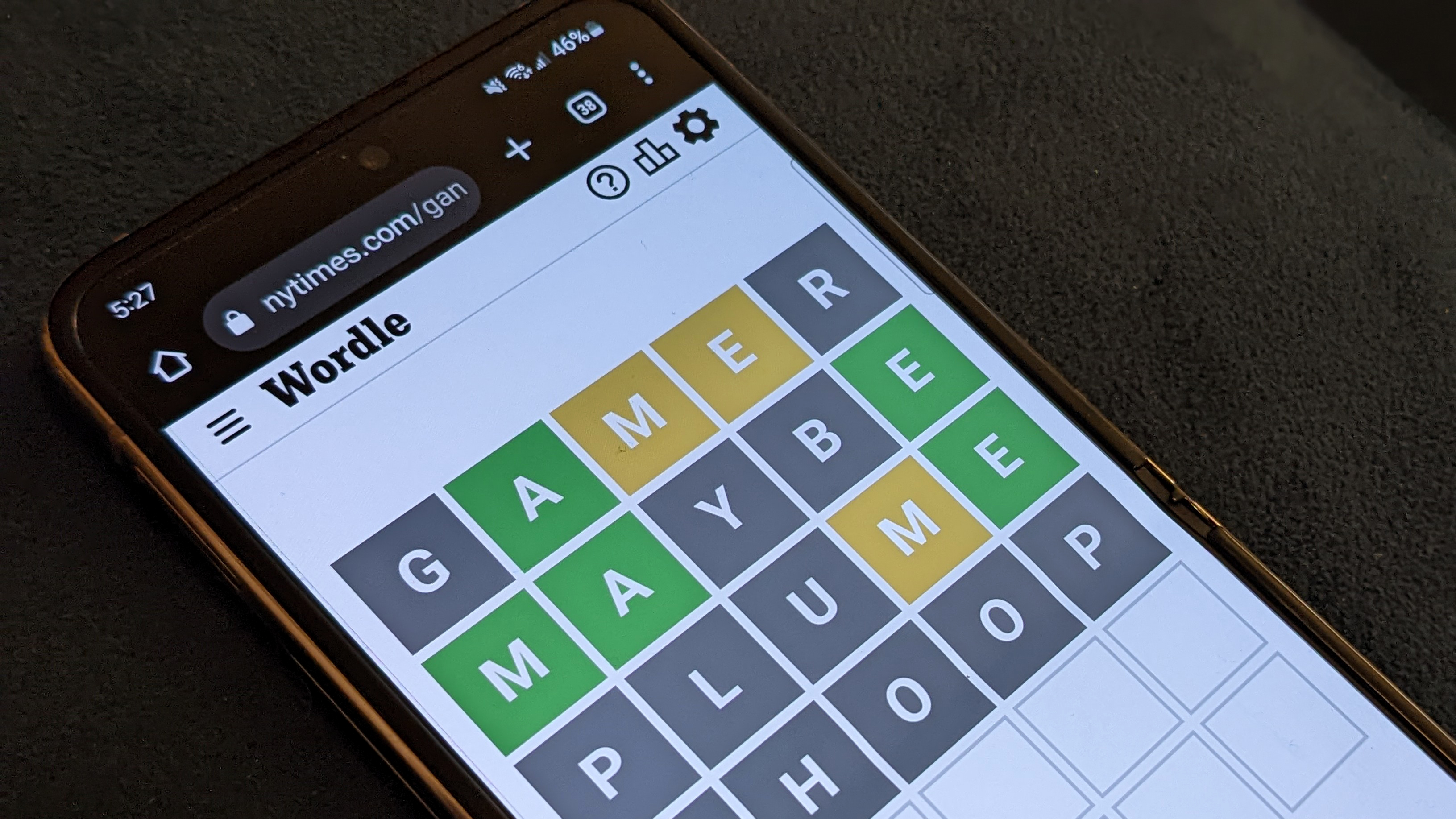
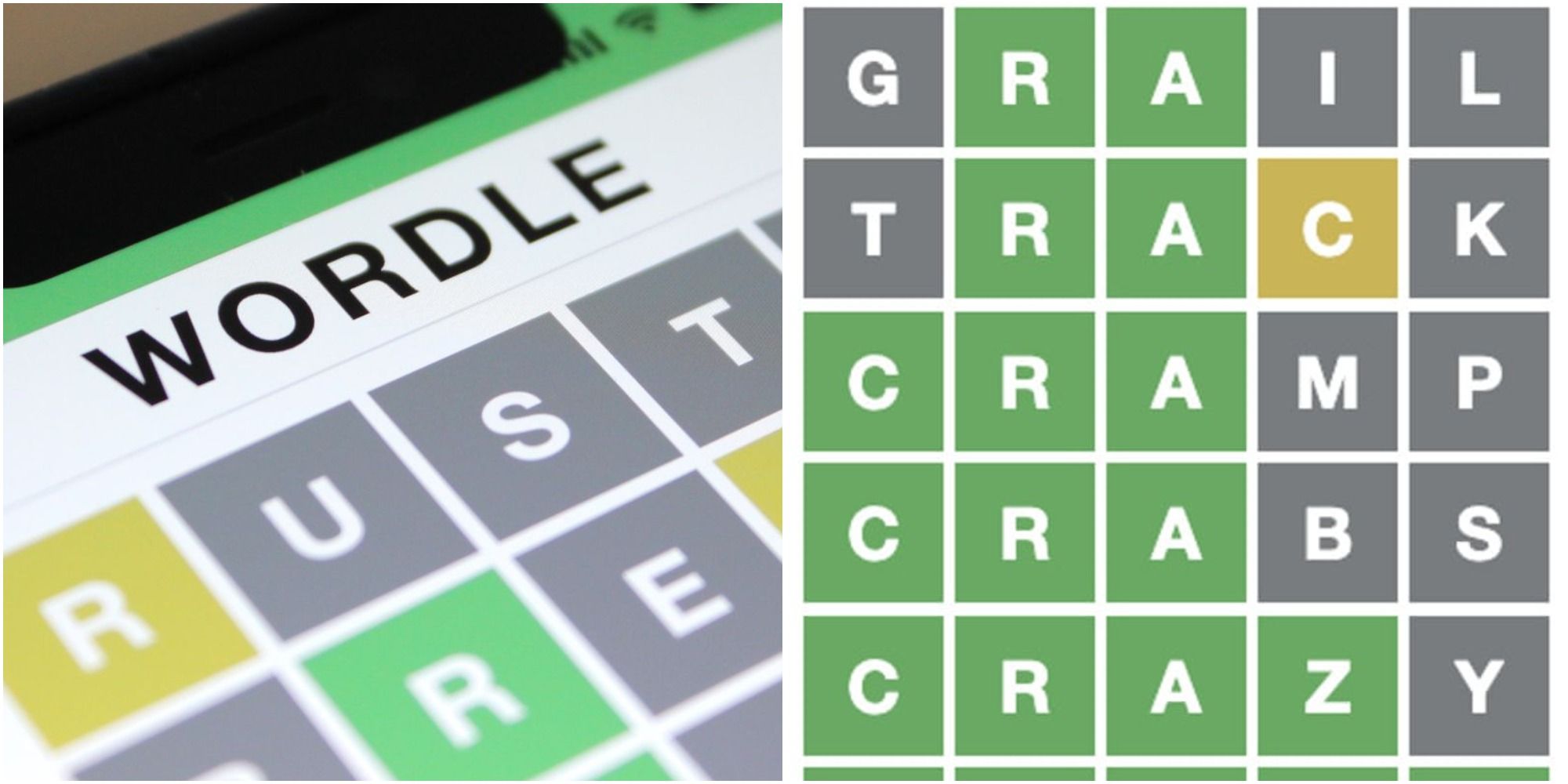
Since the New York Times acquired Wordle in early 2022, the game has remained a staple of digital daily rituals. The core objective is simple: guess a secret five-letter word in six attempts. After each guess, the game provides feedback by changing the color of the letter tiles. A green tile indicates the letter is in the correct position, a yellow tile signifies the letter is in the word but in the wrong spot, and a gray tile means the letter is not in the word at all.
Because there are thousands of possible five-letter words in the English language, the challenge lies in narrowing down the possibilities through efficient guessing. The New York Times curates the daily selection from a pre-determined list of thousands of words, ensuring that every puzzle is solvable with logical thinking.
Strategic Approaches to Word Selection
Successful Wordle players rarely guess random words. Instead, they rely on frequency analysis and linguistic patterns to maximize the information gained from each turn.
The Importance of Starting Words
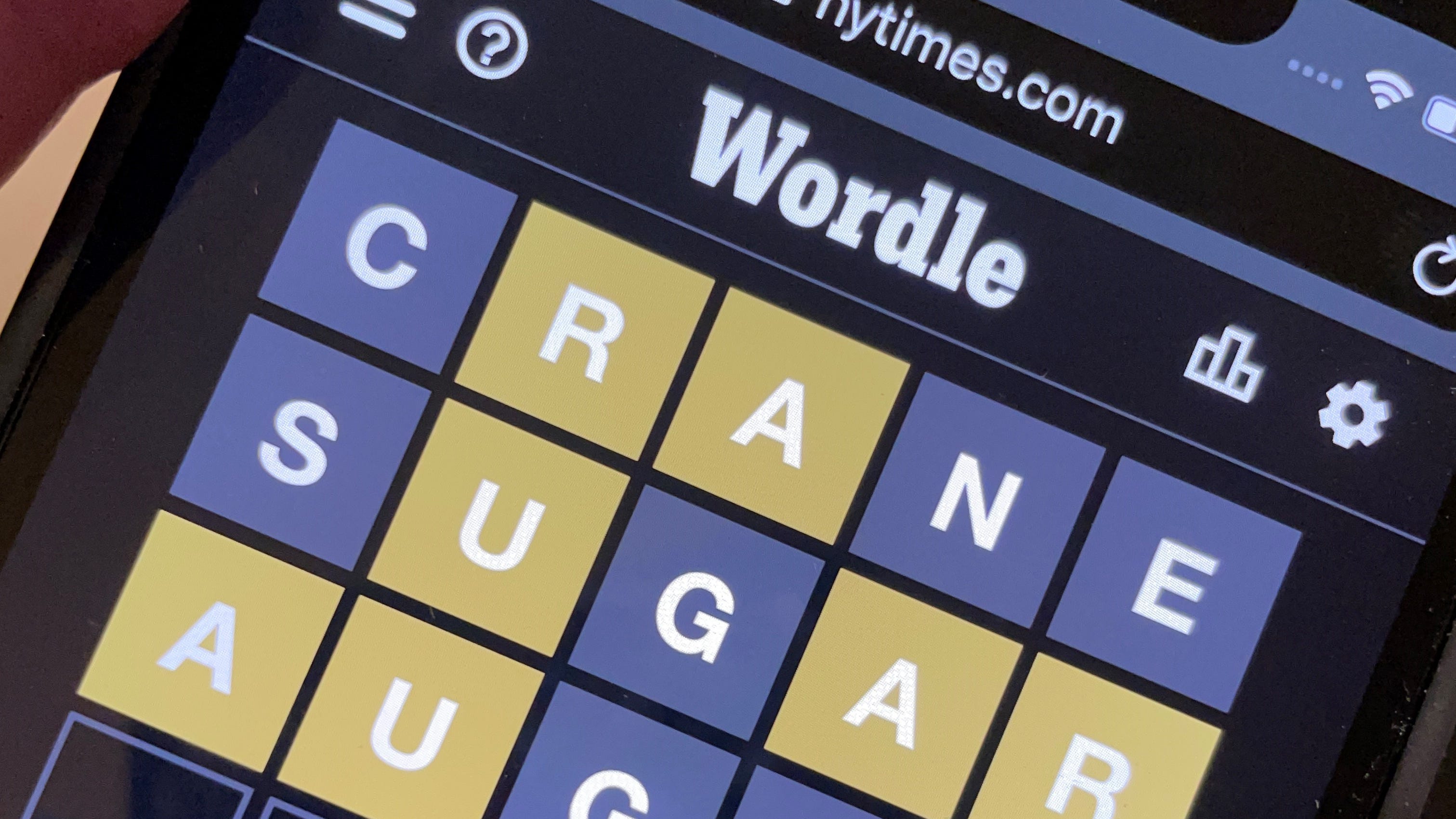
Your first move is the most critical. Seasoned players typically prioritize words containing high-frequency vowels (A, E, I, O, U) and common consonants like R, S, T, L, and N. Using a word like "SLATE," "CRANE," or "ADIEU" helps identify the structural components of the hidden word immediately.
Managing the "Gray Tile" Trap
A common mistake is reusing letters that have already been marked as gray. Once a letter is confirmed as absent from the target word, it is mathematically inefficient to use it in subsequent guesses. Focus your second and third turns on testing new, common letters to eliminate entire categories of words.
Pattern Recognition and Elimination
Once you have identified a few correctly placed letters, your focus should shift from exploration to deduction. If you have "S _ _ _ E," consider common letter combinations such as "STARE," "SLICE," or "SHORE." Use the remaining guesses to test the most probable candidates rather than fishing for obscure vocabulary.
Logical Deductions and Word Lists
When you are stuck, it is helpful to visualize your remaining options. Many players utilize a "word sieve" method, where they mentally (or physically) list potential candidates based on the constraints revealed by their previous guesses.
| Constraint Type | Strategy | Example |
|---|---|---|
| All Gray Tiles | Use a completely different set of letters. | If you guessed "ADIEU" and got all gray, try "STORM." |
| Yellow Tiles | Test positions where the letter is unlikely to go. | If "R" is yellow, move it to the end of the word. |
| Green Tiles | Build around common prefixes or suffixes. | If "CH" is at the start, try "CHART" or "CHESS." |
| Repeated Letters | Consider words with double letters. | If "E" is in the word but not in its spot, try "EERIE." |
Common Pitfalls and How to Avoid Them
Even experienced players occasionally fall into traps that lead to a lost game. Being aware of these tendencies can help you preserve your streak.
- Ignoring Letter Frequency: Some players prioritize uncommon letters (like X, Z, or Q) early in the game. While these letters are useful later if you have several greens, they provide little value in the first two attempts.
- Forgetting About Double Letters: Many five-letter words contain a repeated letter (e.g., "SPEED" or "ARRAY"). If you have exhausted all single-letter options, start checking for double-letter combinations.
- Playing Too Fast: The game is a test of patience. Spending an extra minute to analyze the board often prevents a wasted guess. If you are unsure, look away from the screen for a moment to reset your perspective.
- The "Hard Mode" Dilemma: In settings, you can toggle "Hard Mode," which requires that any revealed green or yellow letters must be used in subsequent guesses. While this increases the difficulty, it also forces you to learn better word-building habits.
Advanced Tips for Consistent Success
To elevate your gameplay in 2026, consider tracking your own history. Many dedicated players keep a log of their daily starting words to identify which ones lead to the fastest wins. Furthermore, engaging with the community through social media or group chats—without looking at spoilers—can provide insight into how others approach difficult puzzles.
Remember that the New York Times periodically updates the dictionary used for the game to ensure it remains challenging yet fair. If you find yourself frequently using words that the game rejects as "not in word list," you may be relying on archaic or overly specific terminology that is not part of the standard, modern English set included in the game's official rotation.
Frequently Asked Questions
How does the New York Times determine the daily word? The word is pulled from an official, curated list of approximately 2,300 commonly used five-letter English words. The order is randomized, though the same word is presented to all users globally on the same day.
Is it possible to play more than one Wordle a day? The official New York Times version is limited to one puzzle per 24-hour cycle. While third-party "archives" exist online, they are not affiliated with the official New York Times game.
What happens if I cannot guess the word in six tries? The game will reveal the answer to you. You can then start the next day's game fresh. Your current streak will reset to zero if you fail to guess the word within the allotted six attempts.
Does capitalization matter when entering my guesses? No, the game is case-insensitive. You can input your guesses in either uppercase or lowercase letters; the interface will automatically format them for display.
Can I change my Wordle settings mid-game? You can access settings at any time, but changing options like "Hard Mode" will usually only take effect on the next day's game to ensure fairness and prevent mid-game manipulation.
Final Recommendations for Players
To improve your performance, commit to a consistent starting strategy. Choose two or three "opening" words that you rotate based on your mood, ensuring they cover a wide range of vowels and common consonants. If you find yourself repeatedly losing, analyze your past games to see where your logic failed. Often, it is not the lack of vocabulary, but the failure to eliminate impossible letters that leads to the final loss. Treat every puzzle as a logic problem, and you will find your consistency significantly improves.
Image Gallery