Credit Card Offers in 2026: What Every Consumer Must Know Before Applying
Credit card offers are marketing solicitations that invite consumers to apply for specific revolving credit lines based on their perceived creditworthiness. To navigate these offers effectively, consumers must evaluate the mandatory "S...
Credit card offers are marketing solicitations that invite consumers to apply for specific revolving credit lines based on their perceived creditworthiness. To navigate these offers effectively, consumers must evaluate the mandatory "Schumer Box" disclosures, differentiate between pre-qualified and pre-approved status, and calculate whether the long-term cost of interest and fees outweighs the immediate value of sign-up bonuses or rewards.
Contents
The credit landscape of 2026 is defined by hyper-personalized digital targeting and sophisticated algorithmic underwriting. While these advancements make it easier to find a card tailored to your spending habits, they also require a higher level of financial literacy to avoid high-interest traps and "fee-harvesting" products. This guide provides a comprehensive breakdown of what you must examine before clicking "apply."
Understanding the Legal Foundation: The Schumer Box
In the United States, the Fair Credit and Charge Card Disclosure Act requires every credit card offer to include a standardized table known as the Schumer Box. This is your most important tool for comparing offers because it strips away marketing jargon and presents the raw financial terms in a uniform format.
Interest Rates and APR
The Annual Percentage Rate (APR) represents the cost of borrowing on an annual basis. By 2026, most credit cards utilize variable APRs tied to the Prime Rate. You must look for three distinct rates:
- Purchase APR: The interest charged on standard purchases if you do not pay your balance in full by the due date.
- Balance Transfer APR: The rate applied to debt moved from another card. Note that intro 0% APR periods for balance transfers often come with a one-time fee (typically 3% to 5%).
- Cash Advance APR: This is almost always significantly higher than the purchase APR and usually begins accruing interest immediately, with no grace period.
Fees and Penalties
The Schumer Box also discloses the "cost of ownership." Beyond the headline annual fee, consumers should look for foreign transaction fees, late payment fees, and over-the-limit fees. In 2026, many premium cards have increased their annual fees in exchange for "lifestyle credits" (e.g., streaming services or travel perks), making it essential to calculate whether you will actually use those credits to offset the cost.
Pre-Qualified vs. Pre-Approved: Resolving the Ambiguity
One of the most common points of confusion in credit card marketing is the distinction between being "pre-qualified" and "pre-approved." While these terms are often used interchangeably in advertisements, they have distinct technical meanings regarding the impact on your credit score.
- Pre-Qualified: This typically means the issuer has performed a soft credit pull—which does not affect your credit score—to see if you meet their basic criteria. It is a preliminary screen and does not guarantee an offer will be extended.
- Pre-Approved: This usually indicates a more rigorous screening process where you have met specific criteria for a specific product. However, it is still not a 100% guarantee. Under the Fair Credit Reporting Act (FCRA), a pre-approved offer constitutes a "firm offer of credit," meaning the issuer must grant you the card unless your financial situation has materially changed since the offer was generated.
Regardless of the terminology used in the mailer or email, the moment you formally submit an application, the issuer will perform a hard inquiry (or "hard pull"). This will likely result in a temporary dip in your credit score, usually between five and ten points.
Evaluating Reward Structures and Redemption Value
By 2026, the "points economy" has become increasingly complex. Issuers no longer just offer simple cashback; they provide tiered ecosystems that require strategic management. To determine if a reward offer is actually valuable, you must look at the valuation per point.
The Three Pillars of Rewards
- Cashback: The most straightforward offer. You receive a percentage of your spending back (e.g., 2% on all purchases). This is ideal for those who prefer simplicity and guaranteed value.
- Points/Miles: These are often worth more than cashback if redeemed for travel through specific portals or transferred to airline and hotel partners. However, their value is subjective and can be devalued by the issuer at any time.
- Statement Credits: Many 2026 offers highlight massive "welcome bonuses" (e.g., $800 in value). These usually require a "minimum spend" within the first three to six months. Ensure this spending requirement aligns with your actual budget; spending money you don't have just to earn a bonus is a net loss due to interest charges.
The Impact of Credit Utilization and Limits
When you receive a credit card offer, the "credit limit" is rarely disclosed upfront because it is determined during the final underwriting process. However, the limit is a critical component of your financial health.
A higher credit limit can actually improve your credit score by lowering your credit utilization ratio—the percentage of your available credit that you are currently using. Financial experts generally recommend keeping this ratio below 30%. If an offer comes from a "subprime" lender, the limit may be very low (e.g., $300 to $500), which can make it difficult to maintain a low utilization ratio if you use the card for daily expenses.
Identifying Predatory and Subprime Offers
Not all credit card offers are beneficial. Consumers with lower credit scores are often targeted by "fee-harvesting" cards. These offers should be viewed with extreme caution.
- High Upfront Fees: Some cards charge an "application fee" or a "program fee" before you even use the card.
- Monthly Maintenance Fees: In addition to an annual fee, some subprime cards charge a monthly fee, which can drain your available credit limit before you make a single purchase.
- No Grace Period: Most standard cards give you about 21-25 days to pay off your balance before interest starts. Some predatory offers charge interest from the date of purchase, regardless of when you pay.
Comparing Offer Categories in 2026
To help you decide which type of offer matches your current financial goals, refer to the following comparison of the primary card categories available in 2026.
| Card Category | Best For | Primary Benefit | Typical Requirement |
|---|---|---|---|
| Cashback | Everyday spending | Simplicity; 1.5%–5% return | Fair to Excellent Credit |
| Travel Rewards | Frequent flyers | Airline miles; lounge access | Good to Excellent Credit |
| Balance Transfer | Paying down debt | 0% Intro APR for 12–21 months | Good Credit |
| Low Interest | Carrying a balance | Lower ongoing purchase APR | Good Credit |
| Secured Cards | Building credit | Guaranteed approval with deposit | Poor or No Credit |
| Student Cards | Young adults | Credit education; modest rewards | Limited Credit History |
The Role of AI and Real-Time Approval in 2026
The technology behind credit offers has evolved. In 2026, most major issuers use real-time data to provide "instant" approval and "virtual" card numbers. This means that within seconds of clicking an offer, you may be able to add the card to your digital wallet and begin spending before the physical card arrives in the mail.
While convenient, this speed can lead to impulsive financial decisions. Always take the time to read the full Terms and Conditions link found at the bottom of any digital offer. Look specifically for the "Variable APR" section to see the maximum interest rate you could be charged if your credit score is at the lower end of the issuer's range.
Strategic Application: When to Say Yes
Applying for every "pre-approved" offer that hits your inbox is a mistake. Each application triggers a hard inquiry, and several inquiries in a short period can signal to lenders that you are "credit hungry" or in financial distress.
Best practices for accepting an offer:
- Space out applications: Wait at least six months between credit card applications to allow your score to recover from the hard inquiry and to show a stable history with your existing accounts.
- Match the card to your spending: If you spend $500 a month on groceries, an offer with 5% back at supermarkets is far more valuable than a travel card with a high annual fee.
- Check for "No-Lifetime" Clauses: Some issuers (like American Express) historically have "once per lifetime" rules for sign-up bonuses. If you've had a version of the card before, check the fine print to see if you are even eligible for the bonus.
Frequently Asked Questions
Does "pre-qualified" mean I am guaranteed to get the credit card?
No. Pre-qualification is a preliminary screening based on a soft credit pull. Once you actually apply, the issuer will perform a comprehensive review of your income, debt-to-income ratio, and a hard credit report. They can still deny your application at that stage if you do not meet their final underwriting standards.
How do I stop receiving credit card offers in the mail?
In 2026, consumers can still opt out of firm offers of credit by visiting OptOutPrescreen.com. This is a centralized service operated by the major credit bureaus (Equifax, Experian, and TransUnion). You can opt out for five years or permanently, which reduces the number of unsolicited offers and lowers the risk of identity theft from stolen mail.
Why is the APR on my offer a range instead of a single number?
Credit card companies often list a range (e.g., 18.99% to 29.99%) because the final rate you receive is based on your specific creditworthiness. If you have an excellent credit score, you are more likely to receive the lower end of the range. If your score is lower or your credit history is short, you will likely be assigned the higher rate.
Will closing an old card to accept a new offer hurt my credit score?
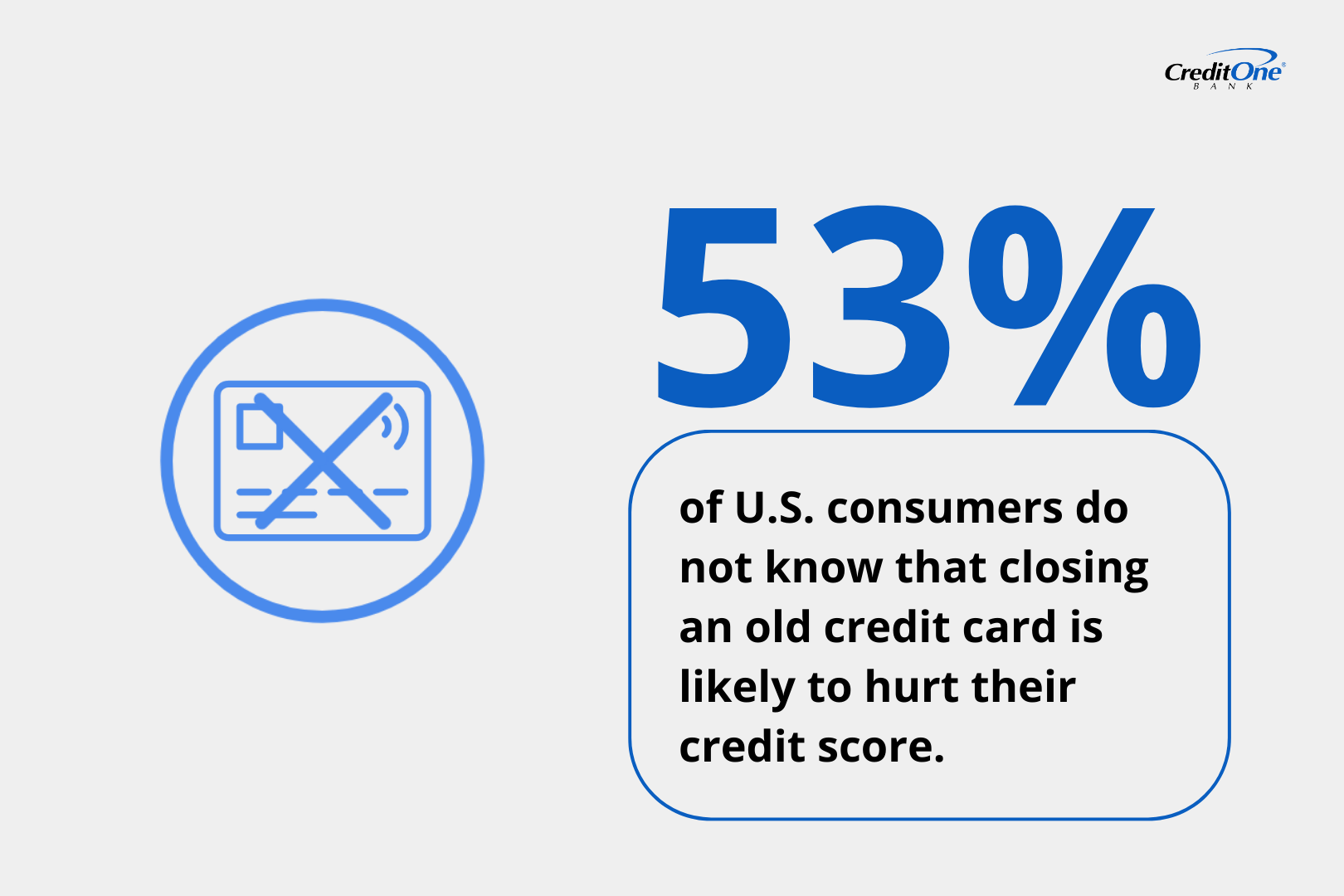
Yes, it likely will. Closing an account reduces your total available credit and can shorten your "average age of accounts," both of which are key factors in your credit score. It is generally better to keep old, no-annual-fee cards open and inactive rather than closing them when you accept a new offer.
What should I do if my application is denied after a pre-approved offer?
If you are denied, the lender is legally required to send you an Adverse Action Notice. This document will explain the specific reasons for the denial and which credit bureau provided the information. You are entitled to a free copy of your credit report from that bureau within 60 days to check for errors.
Final Recommendation: Before accepting any credit card offer in 2026, prioritize the Total Cost of Ownership. Ignore the flashy marketing photos and sign-up bonuses for a moment and focus entirely on the Schumer Box. If the annual fee and interest rate do not align with your spending habits and ability to pay off the balance monthly, the "offer" is likely not a deal for you. Always verify the issuer's reputation through the Consumer Financial Protection Bureau (CFPB) complaint database before sharing your social security number.
Disclaimer: This article provides general financial information and does not constitute legal or professional financial advice. Credit laws and interest rates are subject to change based on federal regulations and market conditions.
Image Gallery