Understanding When Life Insurance Cash Value Equals Face Value
In permanent life insurance policies, the cash value of a policy can grow to equal the face value, commonly known as the death benefit, usually when the policy reaches its "endowment age." At this milestone, the insurance carrier typic...
In permanent life insurance policies, the cash value of a policy can grow to equal the face value, commonly known as the death benefit, usually when the policy reaches its "endowment age." At this milestone, the insurance carrier typically pays the policyholder the cash value, effectively maturing the contract and terminating the death benefit coverage.
Contents
The Mechanics of Cash Value and Face Value
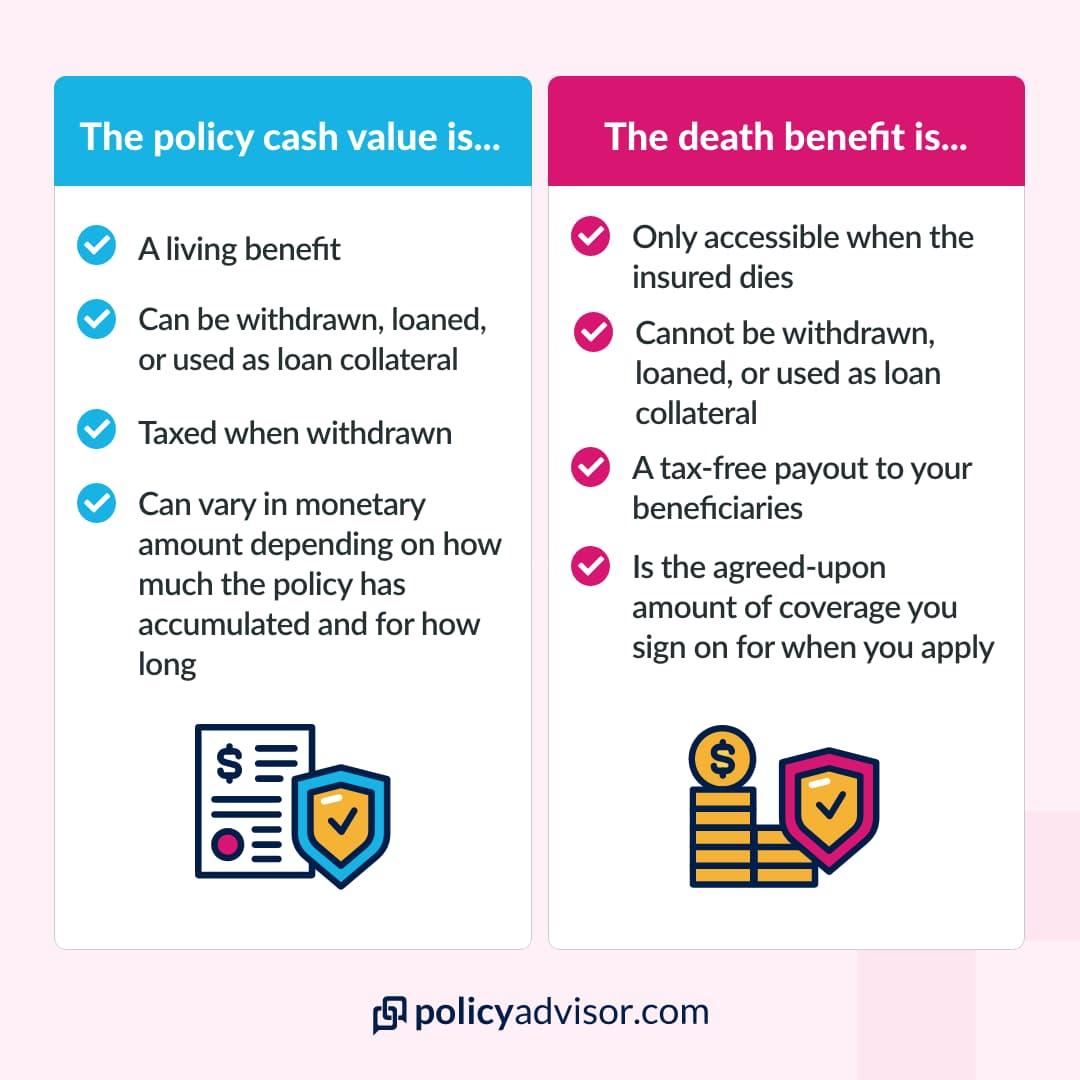
To understand why cash value eventually equals face value, it is essential to distinguish between the two core components of a permanent life insurance contract. The face value (or death benefit) is the amount the insurer promises to pay to the beneficiaries upon the insured's death. The cash value is the savings component—a portion of your premium payments, plus interest or investment gains, that accumulates within the policy over time.
In most permanent life insurance products, such as Whole Life, the cash value grows steadily. The insurer manages these funds to ensure that, through a combination of premiums and compounding interest, the policy reserves will be sufficient to cover the death benefit liability. Because the policy is mathematically designed to reach the face amount at a specific maturity date, the "crossover point" is not a failure of the system, but rather its intended operational conclusion.
The Significance of Endowment Age
Every permanent life insurance policy has an endowment age, traditionally set at age 100 or 121 in many older and modern contracts. Endowment occurs when the actuarial projections of the policy conclude that the cash value must equal the face value.
At this juncture, the insurer essentially acknowledges that the "insurance" portion of the contract is no longer necessary because the savings component has fully funded the death benefit. If the insured person is still living at the endowment age, the company will typically pay the cash value to the policyowner, and the life insurance policy is considered "matured." This payout is generally treated as the final settlement of the contract.
Tax Implications of Maturation
When a policy matures and the cash value equals the face value, the tax treatment of the payout is a critical consideration for the policyholder. Under current U.S. tax law (Internal Revenue Code Section 72), if the cash value paid out exceeds the "investment in the contract"—which is typically the sum of all premiums paid—the difference is generally considered taxable income.
This is known as the "cost basis." If you have paid $50,000 in premiums over the life of a policy that reaches an endowment value of $75,000, you would likely be liable for income tax on the $25,000 gain. It is advisable to consult with a tax professional or financial advisor before the policy reaches its endowment age to understand the potential tax burden, as these settlements can trigger significant financial reporting requirements.
Factors Influencing the Accumulation Process
Several variables dictate how quickly or effectively a policy moves toward the point where cash value matches the face value. While the endowment date is fixed by the contract, the actual path of the cash value can fluctuate based on policy type and performance.
- Premium Payments: In many whole life policies, premiums are level. If premiums are missed or loans are taken against the cash value, the accumulation slows, which may require the insurer to adjust the policy's projections.
- Dividends: Many mutual insurance companies pay dividends to policyholders. These dividends can be used to purchase "paid-up additions," which increase both the cash value and the total death benefit, potentially shifting the timeline of when the cash value reaches the initial face amount.
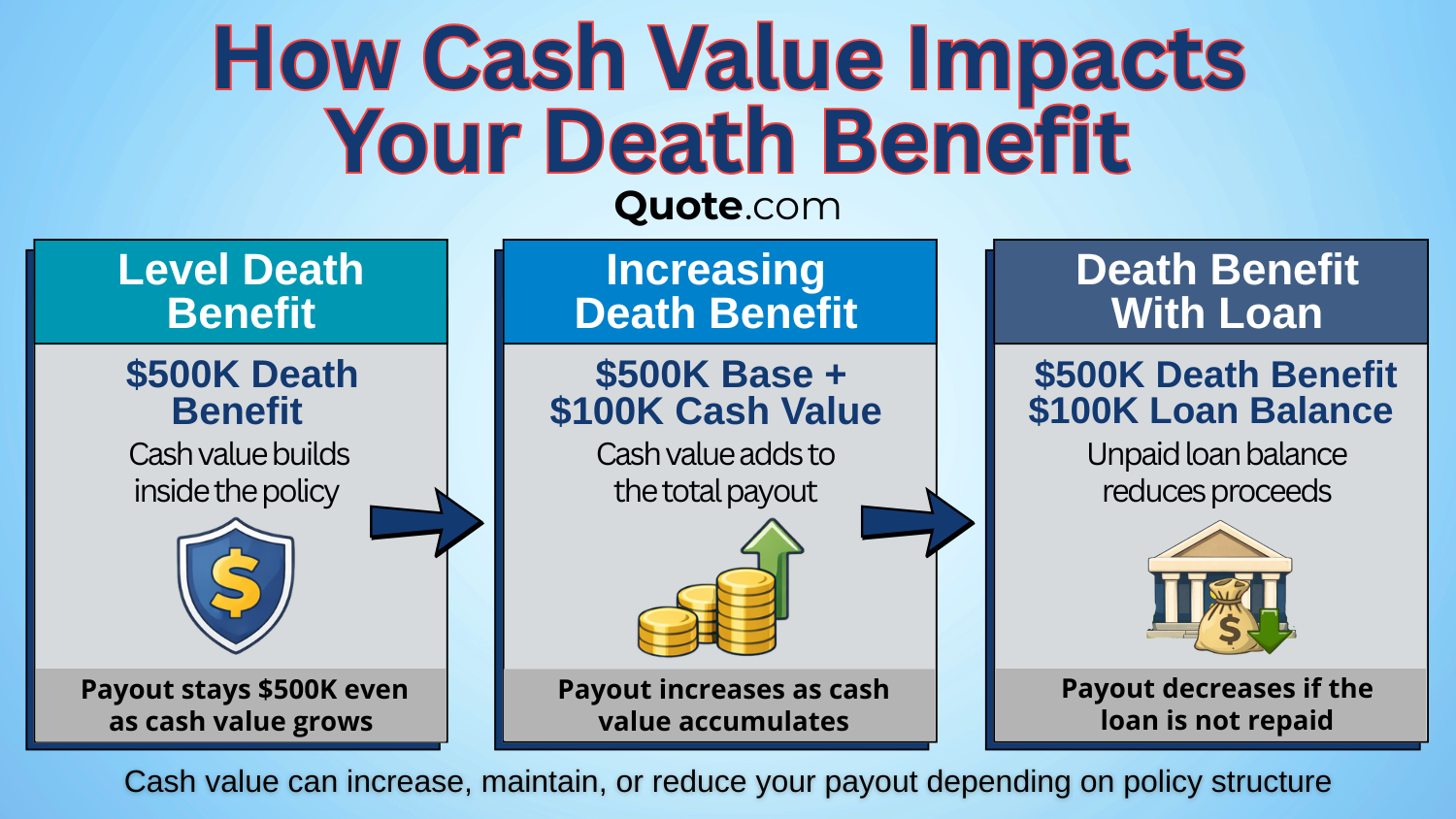
- Policy Loans: If a policyholder borrows against the cash value, the outstanding loan balance is deducted from the death benefit and the cash value. This reduces the net cash value, which may prevent it from reaching the face value by the expected maturity date unless the loan is repaid.
- Interest Crediting: In Universal Life insurance, the cash value growth is tied to interest-crediting rates, which can vary. If interest rates underperform projections, the cash value may not reach the face amount by the target age, potentially causing the policy to lapse unless additional premiums are paid.
Comparing Life Insurance Policy Structures
The relationship between cash value and face value varies significantly depending on the type of permanent life insurance.
| Policy Type | Cash Value Mechanics | Impact on Maturity |
|---|---|---|
| Whole Life | Guaranteed growth; fixed premiums. | High predictability of reaching face value. |
| Universal Life | Interest-sensitive; flexible premiums. | Variable; depends on market rates and funding. |
| Variable Life | Tied to sub-account market performance. | Potential for high growth or significant loss. |
| Endowment Policy | Designed specifically to mature at a set age. | Explicitly intended to equal face value. |
Practical Steps for Policyholders
If you are concerned about your policy’s cash value approaching or failing to reach the face value, follow these steps:
- Request an In-Force Illustration: Contact your insurance carrier and request an "in-force illustration." This document provides a projection of your policy's future performance based on current assumptions, including when and if the cash value is expected to equal the face value.
- Review Policy Loans: If you have taken loans, calculate the interest being charged. Repaying these loans is the most effective way to restore the cash value trajectory.
- Audit Dividend Options: If your policy pays dividends, verify how they are being used. Reinvesting dividends into paid-up additions accelerates the growth of both cash value and death benefit.
- Consult a Financial Advisor: If your policy is a Universal or Variable product, market fluctuations may have put your policy at risk of lapse. An advisor can help determine if increasing your premium payments is necessary to maintain the policy until its intended maturity.
Frequently Asked Questions
What happens if I die before the cash value equals the face value? If you pass away before the policy reaches its maturity or endowment age, your beneficiaries receive the full death benefit (the face value). The cash value is typically absorbed by the insurance company as part of the mortality risk, unless your policy specifically includes a provision for "cash value plus death benefit," which is rare and usually significantly more expensive.
Can I access the cash value before it equals the face value? Yes. You can access your cash value at any time through policy loans or partial withdrawals. However, doing so reduces your death benefit and can negatively impact the policy’s performance and the date at which it might otherwise mature.
Is the endowment payout considered life insurance proceeds? Generally, if the policy matures while you are alive, the payout is treated as a surrender of the contract rather than a death benefit. This means it does not receive the same tax-free status as a death benefit paid upon the death of the insured.
Do all policies reach the face value? Not necessarily. While traditional whole life insurance is designed to endow, many modern policies are not structured to reach the face value unless specific funding levels are maintained. Always refer to your specific policy contract to determine if and when it is projected to endow.
What is a "Matured" policy? A matured policy is one that has reached the end of its term, typically by reaching the endowment age, where the insurer has fulfilled its obligation by paying out the value or by the death of the insured triggering the death benefit payment.
Next Action: Request Your Documentation
To determine the specific status of your policy, the most important action is to contact your insurance provider or the agent of record. Specifically, ask for a "Current In-Force Illustration" and a "Policy Summary." These documents will outline the exact date your policy is expected to reach the endowment age and the projected cash value at that time. Understanding these figures is the only way to make informed decisions about your premiums and long-term financial planning.
Image Gallery