Why Articles Written in the 1920s Still Matter Today
Articles written in the 1920s still matter today because they capture a foundational moment of modernization, industrial expansion, and cultural transformation that continues to mirror contemporary debates around technology, media, eco...
Articles written in the 1920s still matter today because they capture a foundational moment of modernization, industrial expansion, and cultural transformation that continues to mirror contemporary debates around technology, media, economics, and human behavior.
Contents
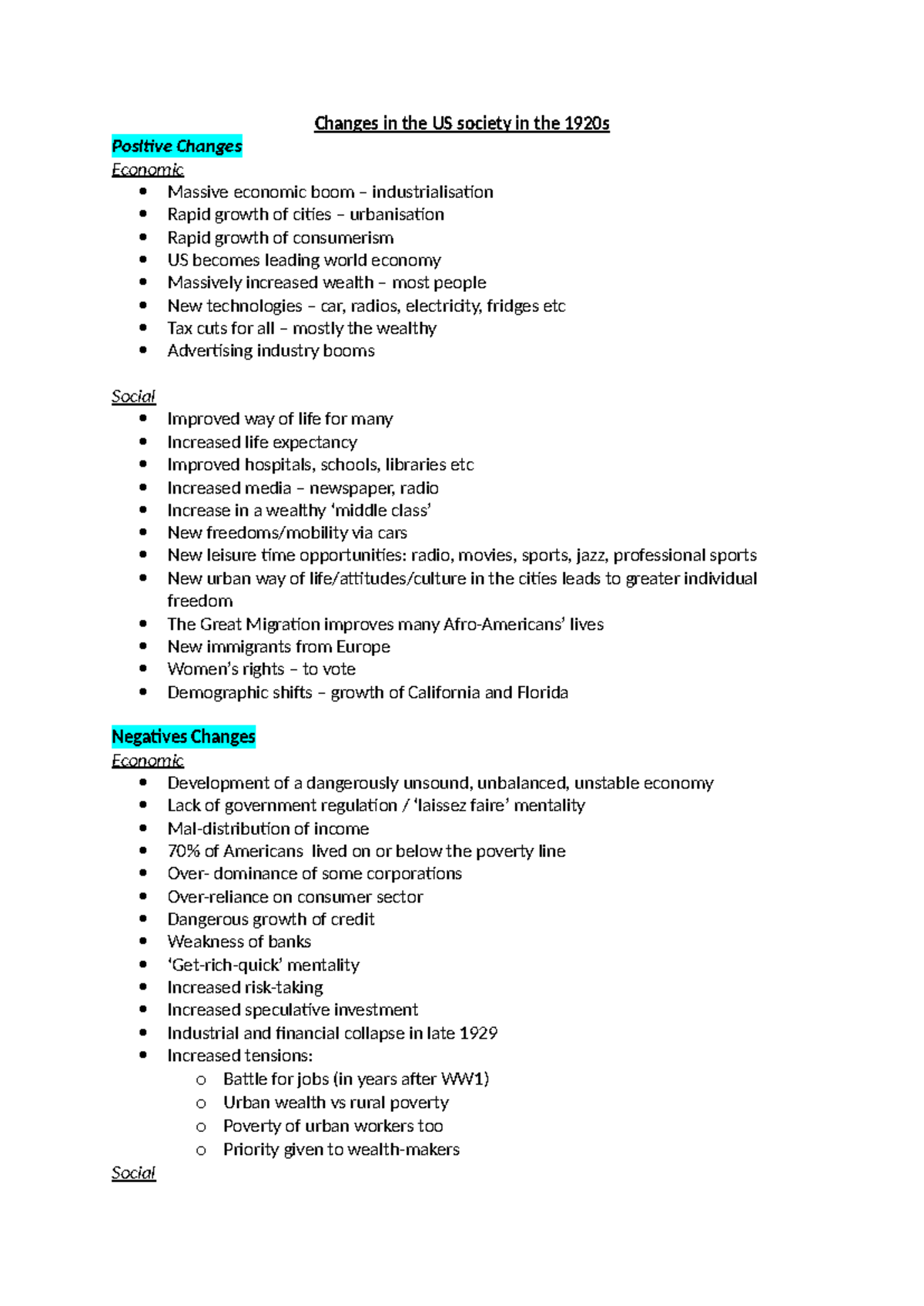
The 1920s—often characterized as the Roaring Twenties—was a decade of profound acceleration. Across the globe, societies were grappling with the aftermath of the First World War, the rapid deployment of electrification, the mass production of the automobile, the rise of commercial radio, and shifting social norms. Writers, journalists, critics, and economists of that era were tasked with documenting and interpreting changes that felt just as disruptive to them as digital automation and artificial intelligence feel to modern observers. By examining periodicals, academic essays, and journalistic dispatches from this decade, contemporary researchers, writers, and curious readers can uncover striking parallels to modern societal challenges, timeless stylistic techniques, and invaluable historical context.
The Historical and Cultural Landscape of 1920s Journalism
To understand why publications from the 1920s retain their relevance, one must first examine the media ecosystem of the period. Print journalism and serialized essays were the dominant mediums for public discourse. Magazines such as The Atlantic, Harper's Magazine, The Saturday Evening Post, and newly founded outlets like The New Yorker (launched in 1925) served as the primary forums where intellectuals, essayists, and satirists debated the trajectory of modern civilization.
Unlike the fragmented, instantaneous news cycle of the twenty-first century, 1920s print culture emphasized long-form narrative, deep analytical essays, and comprehensive cultural criticism. Writers had the luxury of space and time to explore complex ideas, leading to prose that combined rigorous intellectual inquiry with high literary merit. This approach produced texts that do not merely report facts of the day, but dissect the underlying philosophical and sociological currents of the time.
Furthermore, the decade witnessed the professionalization of public relations, advertising, and investigative journalism. Figures like Walter Lippmann began dissecting the formation of public opinion in a mass-media society, questioning how democracy could function when citizens received their information through curated channels. These foundational inquiries into media influence remain central to modern communications theory.
Parallels Between 1920s Disruptions and Modern Life
Many readers are surprised to discover how frequently 1920s articles anticipate twenty-first-century anxieties. The sense that technology was moving too fast, that traditional values were eroding, and that economic structures were volatile are recurrent themes in the literature of the era.
Technological and Industrial Acceleration
In the 1920s, the widespread adoption of the assembly line, household appliances, the telephone, and commercial aviation transformed daily life. Articles from the era frequently debated whether labor-saving devices genuinely created leisure time or simply increased the pace of work. This discourse directly parallels modern discussions regarding automation, software productivity tools, and the blurring lines between work and personal life in a remote-work economy.
Economic Speculation and Consumerism
The economic boom of the 1920s, fueled by installment buying, stock market speculation, and a burgeoning consumer culture, culminated in the 1929 stock market crash. Financial commentary from the latter half of the decade offers sharp analyses of market psychology, credit bubbles, and the dangers of unbridled consumer debt. Economists and historians still look to these period articles to understand the behavioral precursors of financial panics.
Cultural Shifts and Urbanization
The migration from rural areas to industrial cities changed social dynamics entirely. Essays from the 1920s document the emergence of youth culture, shifting gender roles (epitomized by the archetype of the "flapper"), and the cultural clashes between traditionalism and modernism. These texts provide firsthand accounts of cultural renegotiation that inform modern sociological studies on identity and urbanization.
Rhetorical and Stylistic Value for Contemporary Writers
Beyond their thematic relevance, articles from the 1920s offer immense value for modern writers, educators, and content strategists seeking to master the craft of exposition and narrative nonfiction.
The prose style of the era often bridged the gap between academic rigor and journalistic accessibility. Writers understood how to construct compelling leads, maintain narrative momentum across thousands of words, and employ wit without sacrificing authority. Analyzing these texts helps modern writers improve several core competencies:
- Precision of Language: Writers in the 1920s favored strong verbs and concrete nouns over passive constructions and inflated adjectives, resulting in tight, muscular prose.
- Structural Discipline: Long-form essays from the period typically followed a clear dialectical progression, introducing a cultural tension, examining counterarguments, and offering a synthesized conclusion.
- Voice and Perspective: Prominent columnists and essayists developed distinct, recognizable voices that established trust and rapport with their readership.
| Aspect of 1920s Articles | Contemporary Parallel | Value for Modern Readers |
|---|---|---|
| Mass Media Critique | Social media algorithms & echo chambers | Understand the roots of public opinion manipulation. |
| Consumer Credit Expansion | Modern household debt & fintech lending | Recognize psychological patterns in financial bubbles. |
| Technological Anxiety | Artificial intelligence & automation fears | Gain historical perspective on societal adaptation. |
| Long-Form Essay Tradition | Substack, newsletters, & deep-dive journalism | Study masterclasses in narrative structure and style. |
Accessing and Verifying Historical Periodicals
For those interested in exploring articles from the 1920s, modern digital archiving has made primary source material more accessible than ever. However, approaching historical texts requires a specific methodology to ensure accurate contextualization.
Where to Find Authentic 1920s Texts
Researchers and enthusiasts can utilize several reputable repositories to read unedited articles from the era:
- The Internet Archive (archive.org): Offers digitized scans of complete magazine issues and books from the 1920s.
- HathiTrust Digital Library: Provides access to preserved historical literature, academic journals, and government documents.
- Library of Congress Chronicling America: Features digitized historical newspapers with robust search capabilities.
- University and Institutional Libraries: Many academic portals offer database access to historical runs of publications like The New York Times, The Atlantic, and specialized trade journals.
Contextual Evaluation Requirements
When reading articles from nearly a century ago, contemporary audiences must apply critical historical perspective:
- Acknowledge Bias and Limitation: Periodicals of the 1920s frequently reflected the racial, gender, and class biases of their dominant publishing establishments. Reading these texts requires distinguishing between astute sociological observation and period-specific prejudice.
- Verify Economic and Technical Claims: Statistics, medical advice, and technical descriptions from the 1920s should be cross-referenced with modern historical scholarship rather than accepted as current fact.
- Appreciate the Intended Audience: Understand whether an article was written as high-brow literary criticism, sensationalist tabloid journalism, or corporate advertising masquerading as editorial content.
Frequently Asked Questions
Why are 1920s essays often considered easier to read than nineteenth-century texts?
Articles from the 1920s generally discarded the ornate, highly subordinate syntax of the Victorian and Edwardian eras. Influenced by the rise of modern advertising, journalism schools, and figures like Ernest Hemingway, writers adopted a more direct, concise, and punchy style that prioritized clarity and immediate engagement.
Did writers in the 1920s predict the digital age?
While they could not foresee computers or the internet, 1920s writers frequently anticipated the consequences of instantaneous global communication, mass-produced entertainment, and centralized media control. Media theorists of the era recognized that technology was shrinking geographical distances and fundamentally altering how human beings process reality.
How can reading 1920s journalism improve modern SEO content writing?
Studying 1920s journalism trains content creators to focus on deep subject-matter authority, logical flow, and narrative engagement rather than superficial keyword optimization. It encourages the development of a distinct editorial voice and teaches how to anchor abstract arguments in concrete, real-world observations.
Are there copyright concerns when referencing 1920s articles?
In the United States, works published in the United States prior to January 1, 1931, have generally entered the public domain as of 2026. This means that texts, articles, and books from the 1920s can typically be quoted, reprinted, and analyzed freely without copyright restriction, though international copyright laws should always be verified for foreign publications.
Conclusion and Next Actions
Articles written in the 1920s still matter because they serve as a vital bridge between our modern technological society and the foundational era that birthed it. They offer both practical lessons in literary craftsmanship and deep historical perspective on how humanity navigates periods of rapid, disruptive change.
To put this insight into practice, set aside time to explore a digitized archive such as the Internet Archive or HathiTrust. Select a prominent essay collection or magazine issue from 1925 or 1928, read it with an eye toward both its historical context and its rhetorical structure, and observe how deeply the dilemmas of the past mirror our own.
Image Gallery