The Waukesha Christmas Parade Attack: Analysis of the Tragedy, Justice, and Recovery
The Waukesha Christmas Parade tragedy occurred on November 21, 2021, when an individual drove a sport utility vehicle through a crowd at the annual holiday parade in Waukesha, Wisconsin. This intentional act resulted in six deaths and...
The Waukesha Christmas Parade tragedy occurred on November 21, 2021, when an individual drove a sport utility vehicle through a crowd at the annual holiday parade in Waukesha, Wisconsin. This intentional act resulted in six deaths and over sixty injuries, leading to a high-profile criminal trial and a significant shift in national parade security protocols.
Contents
On a Sunday afternoon that was meant to celebrate the start of the holiday season, the community of Waukesha was forever changed. The event, often referred to as the Waukesha Christmas massacres due to the multiple fatalities and the scale of the violence, remains one of the most harrowing instances of vehicular assault in United States history. As of 2026, the city has transitioned from a period of acute mourning to one of permanent memorialization, ensuring that the legacy of those lost continues to shape the community's identity.
Timeline of the November 21, 2021, Tragedy
The incident began late in the afternoon as the 58th Annual Waukesha Christmas Parade was underway. At approximately 4:39 p.m. CST, a red Ford Escape broke through police barriers and entered the parade route on Main Street. Witnesses described the vehicle accelerating as it moved through the procession, striking marching band members, dance troupes, and spectators.
The speed and trajectory of the vehicle indicated a deliberate path. Law enforcement officers on the scene attempted to stop the vehicle, with one officer discharging his firearm in an attempt to disable the driver, but the vehicle continued westward before exiting the parade route. Within minutes, emergency services declared a mass casualty incident, flooding the downtown area with ambulances and first responders from across Southeast Wisconsin.
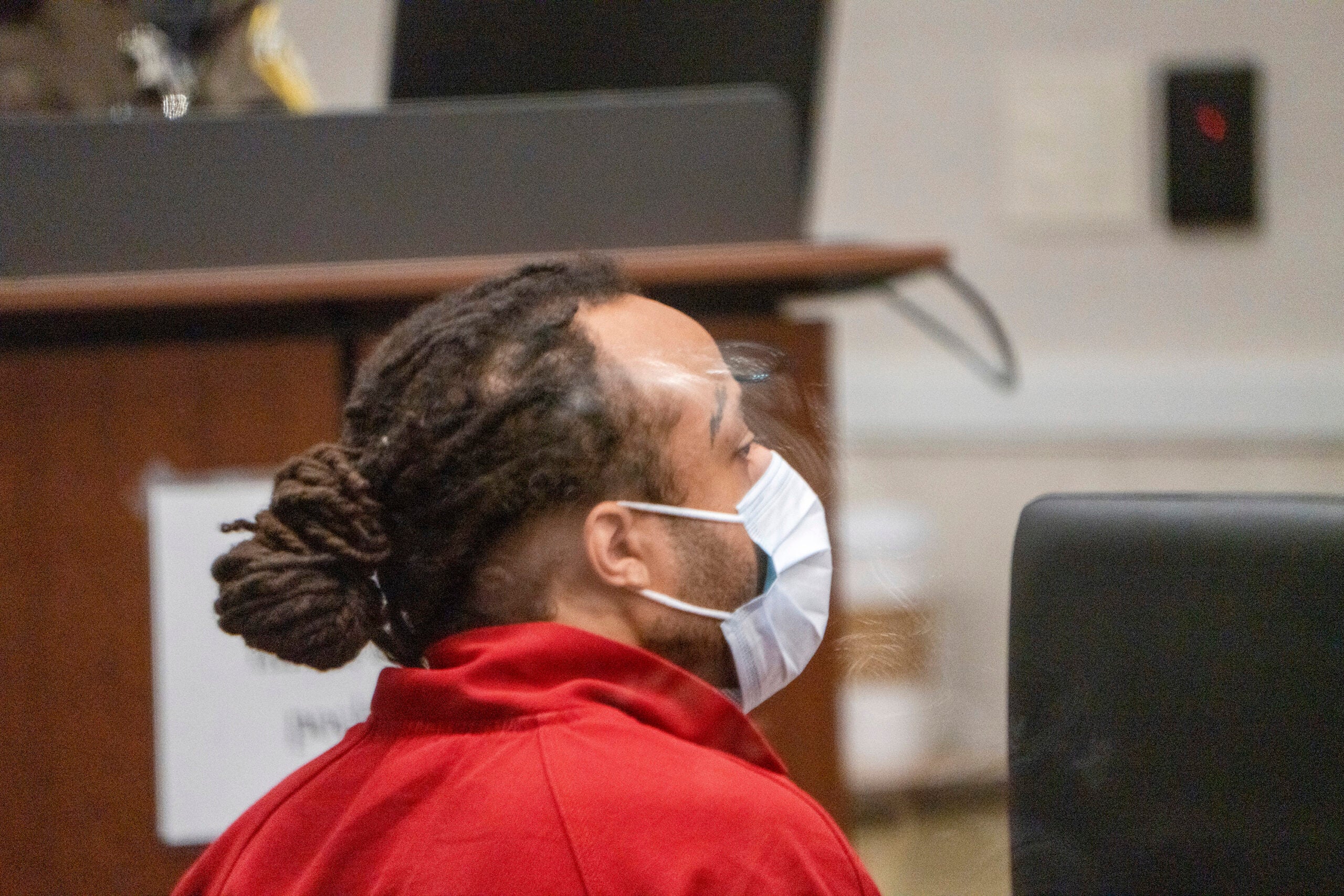
By the evening of November 21, the suspect, Darrell Brooks Jr., was taken into custody near the scene. He had recently been released on bail for a separate domestic violence incident, a fact that later sparked intense national debate regarding bail reform and judicial oversight.
Profiles of the Victims: Honoring the Lives Lost
The tragedy claimed six lives, ranging in age from 8 to 81. The victims represented the heart of the Waukesha community, including members of the "Milwaukee Dancing Grannies" and a youth baseball player.
- Virginia Sorenson (79): A long-time member and choreographer for the Dancing Grannies, known for her dedication to the group.
- LeAnna Owen (71): A member of the Dancing Grannies who was celebrated for her kind spirit and commitment to the community.
- Tamara Durand (52): A new member of the Dancing Grannies who was performing in her first parade with the group.
- Jane Kulich (52): A mother and grandmother who was representing her employer, Citizens Bank, in the parade.
- Wilhelm Hospel (81): A volunteer who frequently assisted the Dancing Grannies, helping his wife who was a member of the group.
- Jackson Sparks (8): The youngest victim, who was marching with his baseball team, the Waukesha Blazers. His death two days after the event moved the nation and led to a surge in support for the "Waukesha Strong" movement.
The injuries sustained by survivors were equally devastating, including traumatic brain injuries, broken limbs, and long-term psychological trauma. The recovery process for many families has spanned years, requiring multiple surgeries and extensive physical therapy.
The Trial of Darrell Brooks: Legal Proceedings and Sentencing
The legal aftermath of the attack was marked by a highly publicized and often contentious trial. Darrell Brooks Jr. was charged with 76 counts, including six counts of first-degree intentional homicide and dozens of counts of first-degree recklessly endangering safety.
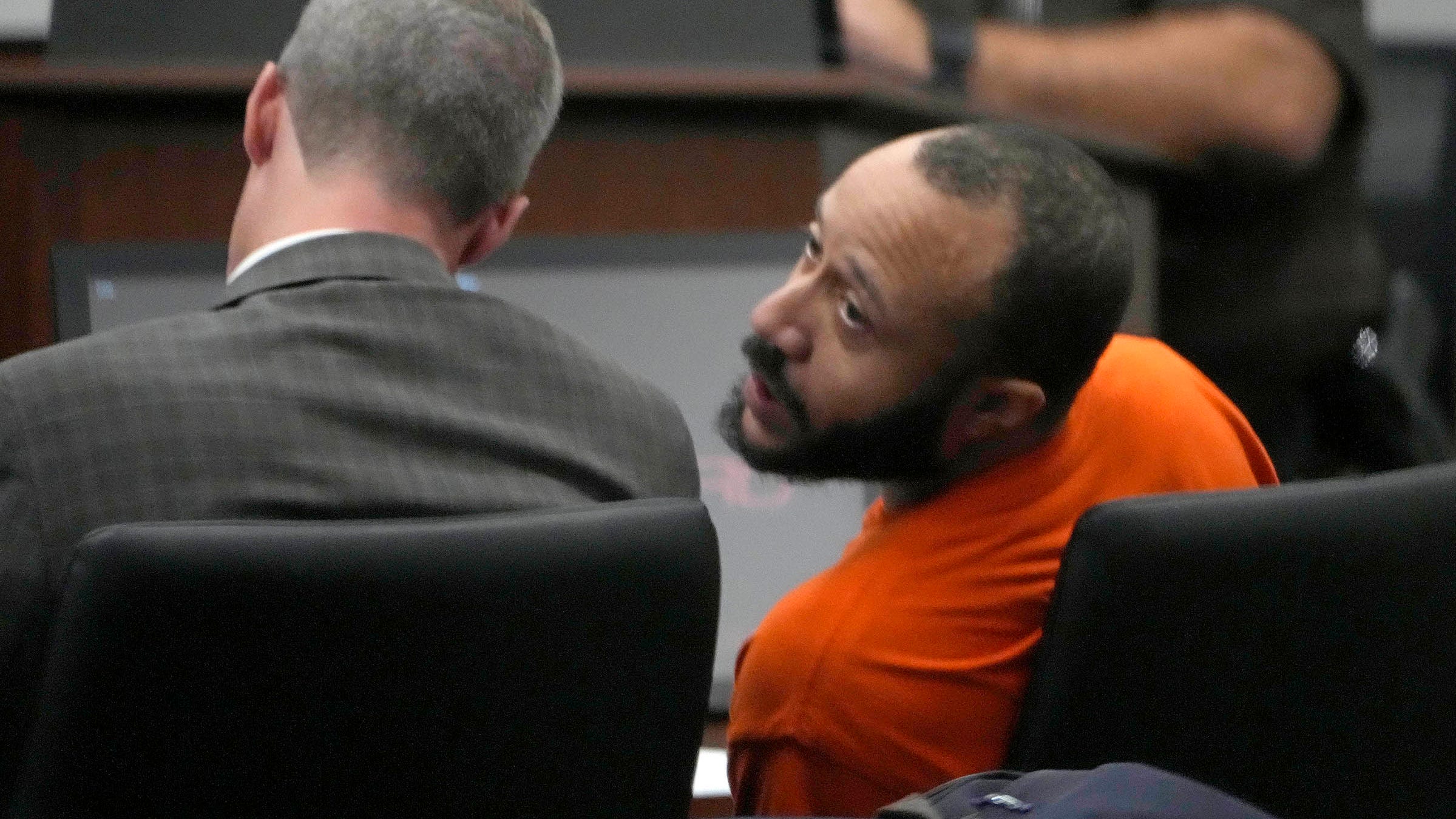
The trial, presided over by Judge Jennifer Dorow in late 2022, drew international attention due to Brooks' decision to represent himself. Invoking "sovereign citizen" legal theories, Brooks frequently disrupted the proceedings, leading to his removal to a separate courtroom where he participated via video link. Despite these disruptions, the prosecution presented a mountain of evidence, including high-definition video of the incident, DNA evidence from the vehicle, and testimony from hundreds of witnesses.
On October 26, 2022, the jury returned a guilty verdict on all 76 counts. During the sentencing phase in November 2022, Judge Dorow sentenced Brooks to six consecutive life sentences without the possibility of parole, plus an additional 762.5 years of confinement. The sentencing hearing provided a platform for victims and their families to deliver powerful impact statements, highlighting the irreparable harm caused by the defendant's actions.
Community Resilience and the "Waukesha Strong" Movement
In the immediate wake of the tragedy, the phrase "Waukesha Strong" became a rallying cry for the city. The United Way of Greater Milwaukee & Waukesha County, in partnership with the Waukesha County Community Foundation, established the "United for Waukesha Community Fund." This fund raised millions of dollars to support the victims and their families, providing financial relief for medical bills and funeral costs.
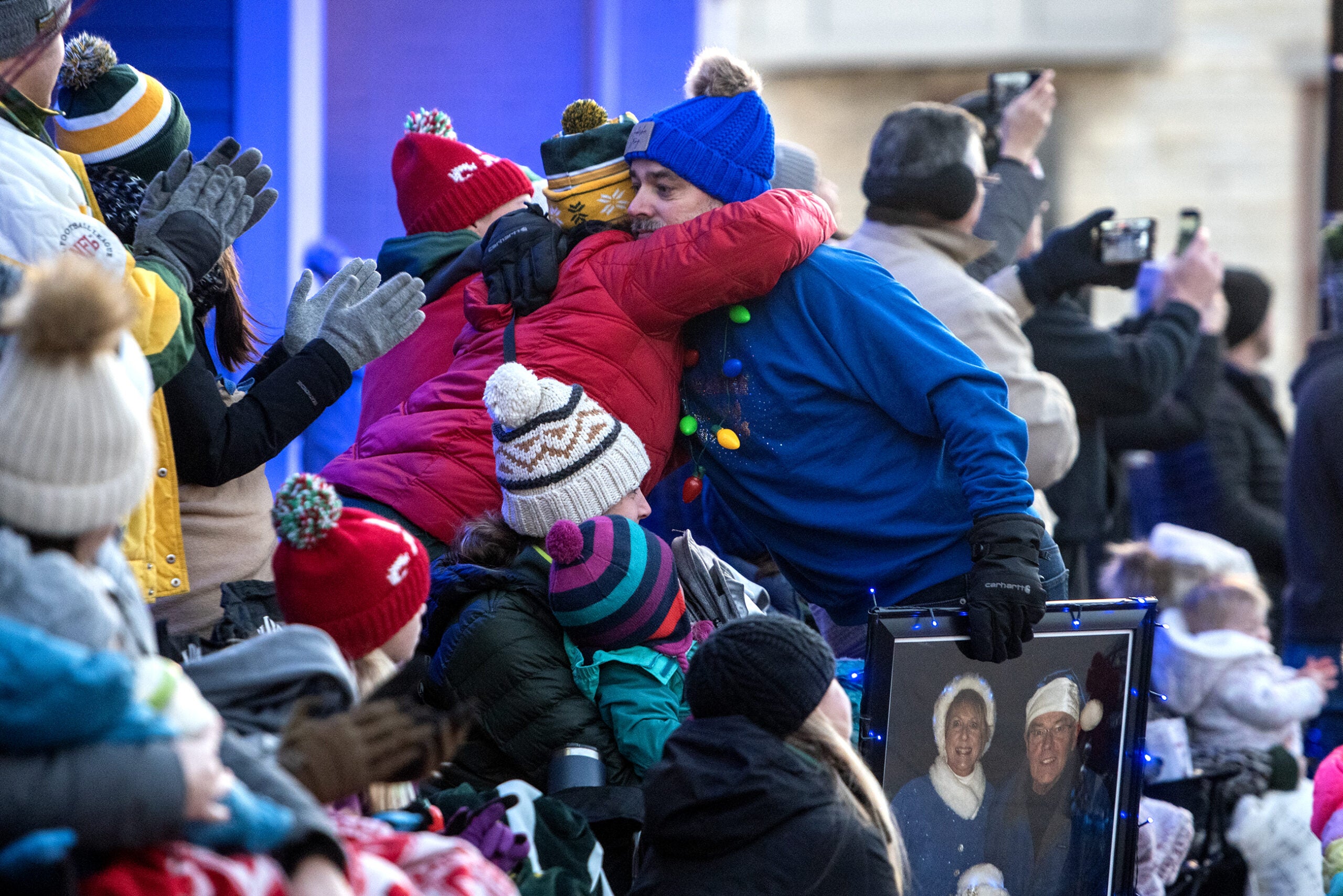
The community's response was characterized by a refusal to let the act of violence define the city. Local businesses displayed blue lights—the color chosen to represent the city’s mourning and solidarity—and organized numerous vigils. The "Milwaukee Dancing Grannies" became a symbol of this resilience, returning to perform in parades just months after losing four of their members, an act that was met with standing ovations across the state.
Memorialization and Tributes: Progress as of 2026
By 2026, Waukesha has completed its multi-phase memorial project to ensure the events of November 21 are never forgotten. The city recognized early on that a permanent space for reflection was necessary for long-term healing.
The Grede Park Memorial
The primary memorial, located in Grede Park, was dedicated as the city approached the five-year anniversary of the tragedy. The design features a circular path representing the unity of the community. At the center stand six pillars, each dedicated to one of the individuals who lost their lives. The site serves as a quiet space for contemplation, removed from the bustle of Main Street but deeply connected to the heart of the city.
Main Street Markers
In addition to the park memorial, the city installed subtle markers along the parade route on Main Street. These markers serve as a "living memorial," acknowledging the site of the tragedy while allowing the downtown area to remain a functional, vibrant space for celebrations.
| Memorial Feature | Location | Primary Purpose |
|---|---|---|
| Six Granite Pillars | Grede Park | Individual tribute to the deceased victims. |
| Unity Sculpture | Grede Park | Symbolizes the "Waukesha Strong" spirit and community bonds. |
| Main Street Plaques | Downtown | Commemorates the location and the resilience of the survivors. |
| The Blue Star Lights | Various Sites | Ongoing seasonal tribute during the holiday months. |
Changes in Parade Security and Public Safety Protocols
The Waukesha Christmas Parade attack served as a catalyst for a national re-evaluation of event security. In the years following the incident, municipalities across the United States have adopted more stringent measures to prevent vehicular incursions.
- Hardened Barriers: Instead of traditional plastic or wooden sawhorse barriers, cities now utilize "hostile vehicle mitigation" (HVM) systems. These include water-filled barriers, steel arrestor systems, and heavy machinery positioned at all intersections entering a parade route.
- Advanced Surveillance: The use of real-time drone monitoring and integrated camera systems allows law enforcement to identify potential threats before they reach crowded areas.
- Bail and Pre-trial Reform: The case triggered legislative discussions in Wisconsin regarding the criteria for setting bail. In 2023, Wisconsin voters approved a constitutional amendment that allows judges to consider "the totality of the circumstances," including a defendant's past criminal record and the need to protect the community when setting cash bail for violent crimes.
- Inter-Agency Coordination: Improved communication protocols between local police departments and regional dispatch centers ensure that reports of erratic drivers or nearby criminal activity are instantly relayed to officers managing public events.
Frequently Asked Questions
What were the motives behind the Waukesha parade attack?
The prosecution argued that Darrell Brooks Jr. acted with intent after a domestic dispute earlier that day. While Brooks did not provide a coherent motive during the trial, the evidence showed he deliberately steered into the crowd and accelerated, rather than attempting to avoid pedestrians.
How did the "Waukesha Strong" fund assist families?
The United for Waukesha Community Fund provided direct financial support to the families of the deceased and to those who suffered physical injuries. This included coverage for immediate needs such as funeral expenses and long-term needs like ongoing medical care and mental health services.
What happened to the "Milwaukee Dancing Grannies"?
The group continued their mission of "bringing smiles to faces of all ages." Despite the loss of several key members, the group recruited new dancers and returned to the parade circuit in 2022. They remain a beloved fixture in Wisconsin parades, symbolizing the triumph of joy over tragedy.
Has the parade route in Waukesha been changed?
While the parade continues to use parts of the historic downtown area, the city has implemented a "secured perimeter" model. This involves complete closure of the route with heavy-duty physical obstacles and increased police presence at all entry points to ensure a safe environment for participants and spectators.
Where can I visit the official memorial?
The official permanent memorial is located at Grede Park in Waukesha, Wisconsin. It is open to the public during park hours and provides a dedicated space for those wishing to pay their respects to the victims and their families.
Practical Recommendations for Event Safety
For community leaders and event organizers, the legacy of Waukesha is a reminder of the importance of proactive safety planning. If you are involved in organizing public gatherings, ensure that your security plan includes certified vehicle barriers and a clear emergency communication hierarchy. For the public, staying informed about local safety protocols and remaining vigilant during large events is essential. Supporting community-led memorial efforts remains a vital way to honor the survivors and ensure that the lessons learned from this tragedy continue to protect others in the future.
Image Gallery