Understanding Mold Remediation Costs in Omaha
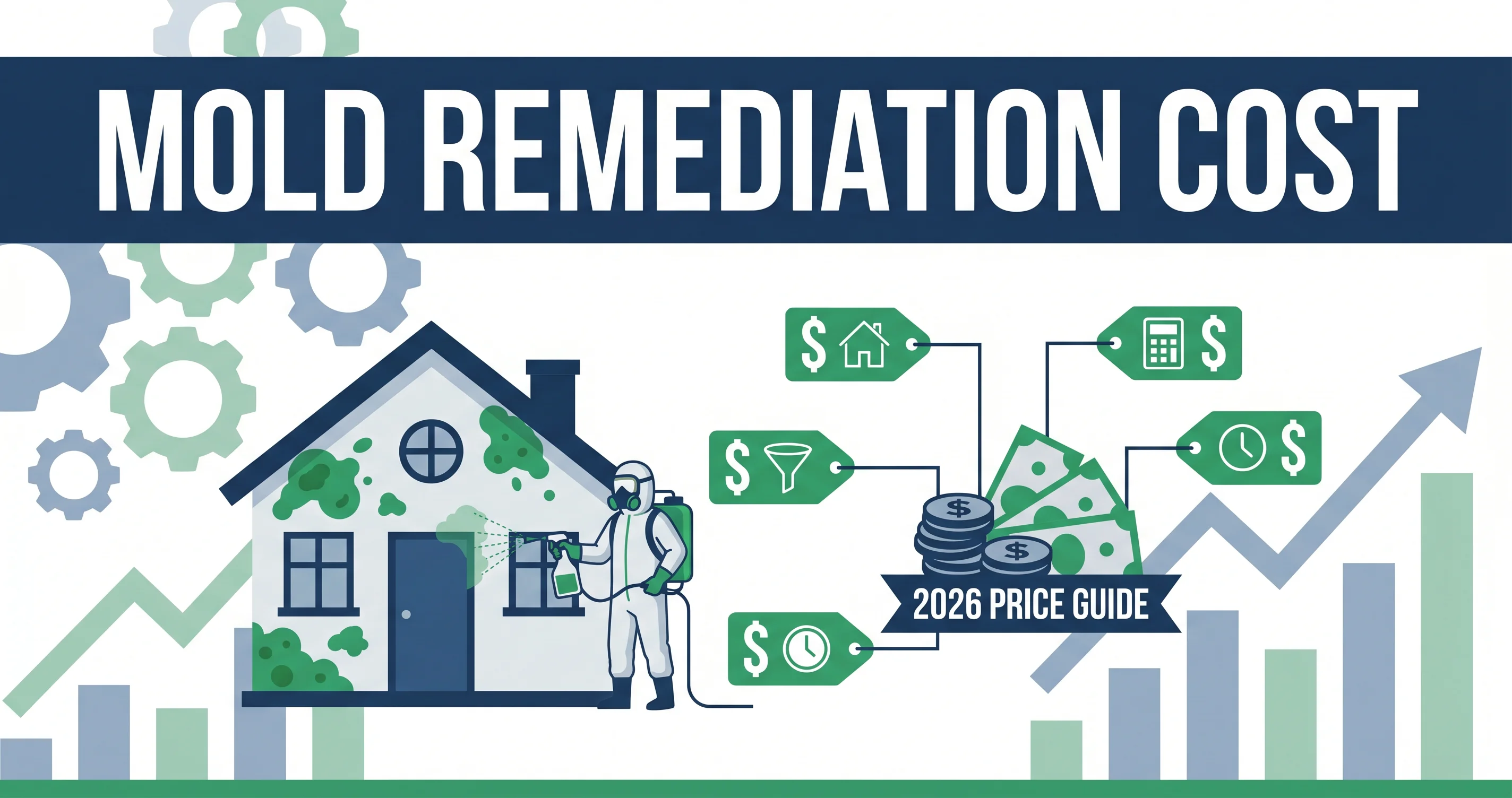
In 2026, mold remediation costs in Omaha typically range from $1,500 to $6,500 for most residential projects. Smaller, localized treatments may start as low as $500, while extensive whole-house remediation following significant water d...
In 2026, mold remediation costs in Omaha typically range from $1,500 to $6,500 for most residential projects. Smaller, localized treatments may start as low as $500, while extensive whole-house remediation following significant water damage can exceed $20,000. Total expenses depend on the affected area's size, accessibility, and necessary structural repairs.
Contents
The Factors Driving Mold Remediation Pricing in Omaha
Estimating the cost of mold remediation in the Omaha metro area requires an understanding of several localized and technical variables. Unlike a simple cleaning service, professional remediation involves containment, specialized filtration, and hazardous material handling. In 2026, the price homeowners pay is influenced by labor rates in the Douglas and Sarpy County regions, as well as the rising costs of specialized antimicrobial chemicals and filtration equipment.
Square Footage and Severity of Infestation
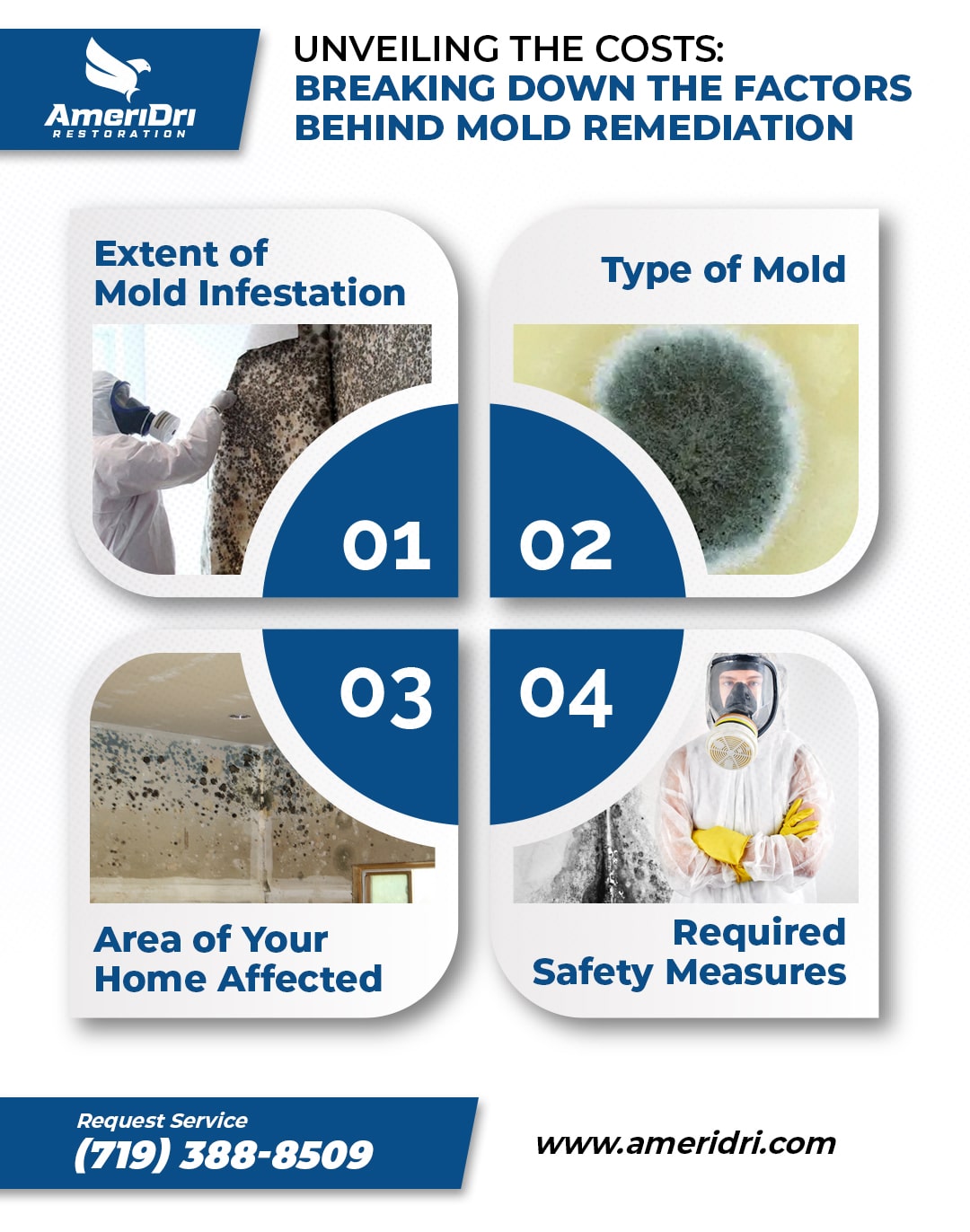
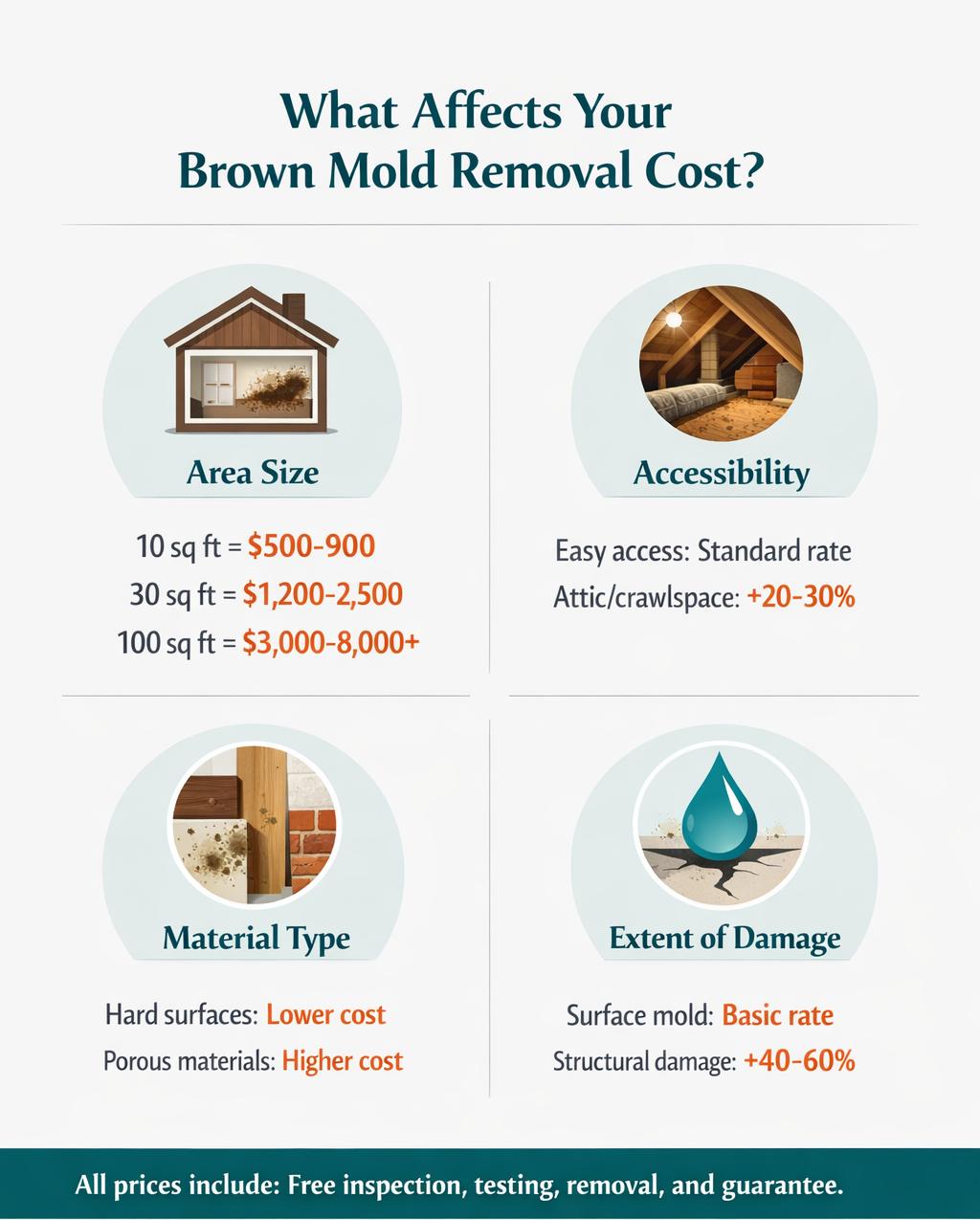
The most significant cost driver is the total surface area affected. Remediation contractors typically calculate costs based on the square footage of the mold growth, but they also factor in the "depth" of the infestation. Surface mold on a non-porous material like metal or glass is significantly cheaper to address than mold that has compromised porous materials like drywall, insulation, or carpeting. In the latter case, the materials cannot be cleaned and must be removed and replaced, which adds to both the labor and disposal fees.
Accessibility and Location
Where the mold is located within an Omaha home dictates the complexity of the job.
- Attics: Costs often trend higher due to difficult entry, limited headspace, and the need to remove and replace blown-in insulation.
- Crawlspaces: These are notorious for moisture issues in the Missouri River Valley. Remediation in confined spaces requires additional safety protocols and specialized "low-profile" equipment.
- HVAC Systems: If mold has entered the ductwork, the entire system must be cleaned and fogged with antimicrobial agents to prevent spores from recirculating.
Containment and Air Filtration
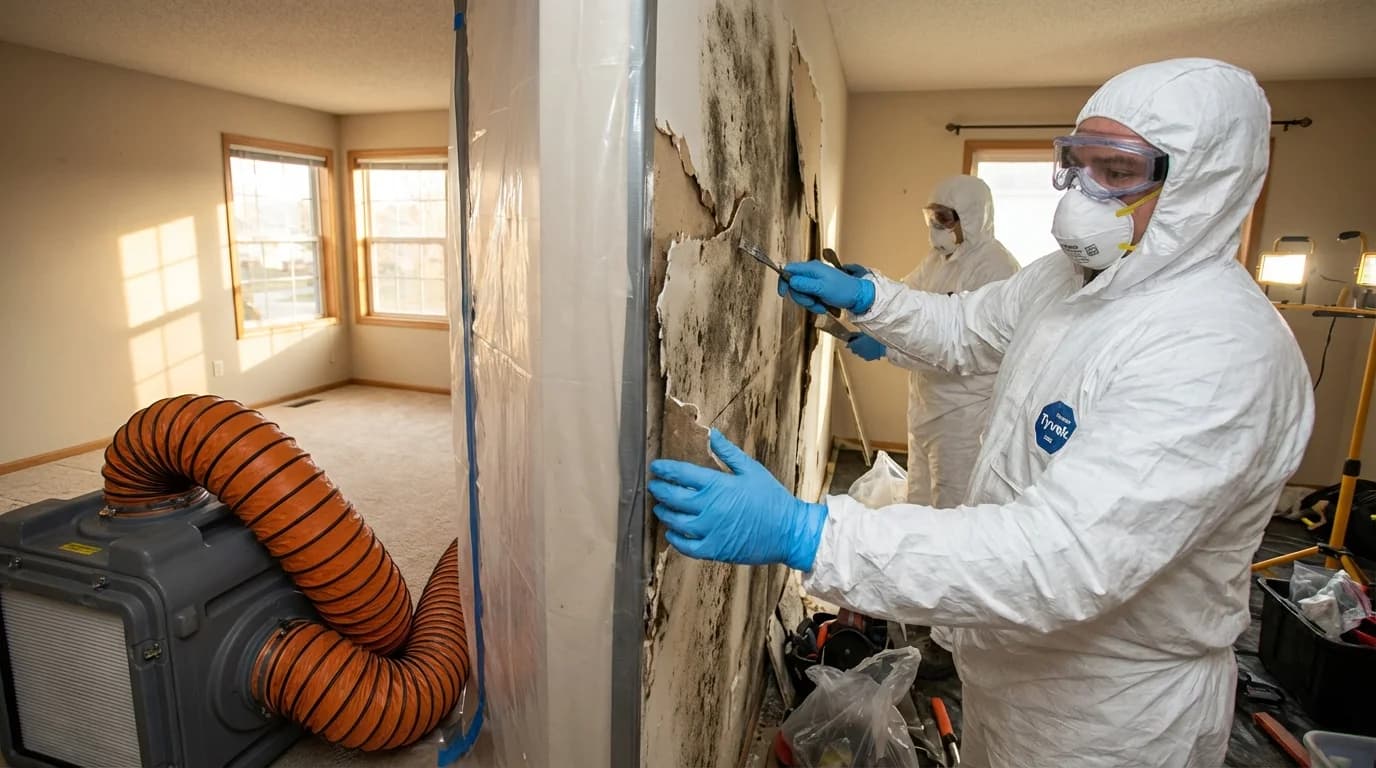
A critical component of professional remediation is the setup of containment zones. Technicians use heavy-duty plastic sheeting and HEPA (High-Efficiency Particulate Air) filtered air scrubbers to create negative air pressure. This prevents mold spores from drifting into unaffected rooms during the cleaning process. The complexity of the containment—such as sealing off complex architectural features or multiple floors—will directly impact the final invoice.
Regional Cost Breakdown for Omaha Homeowners
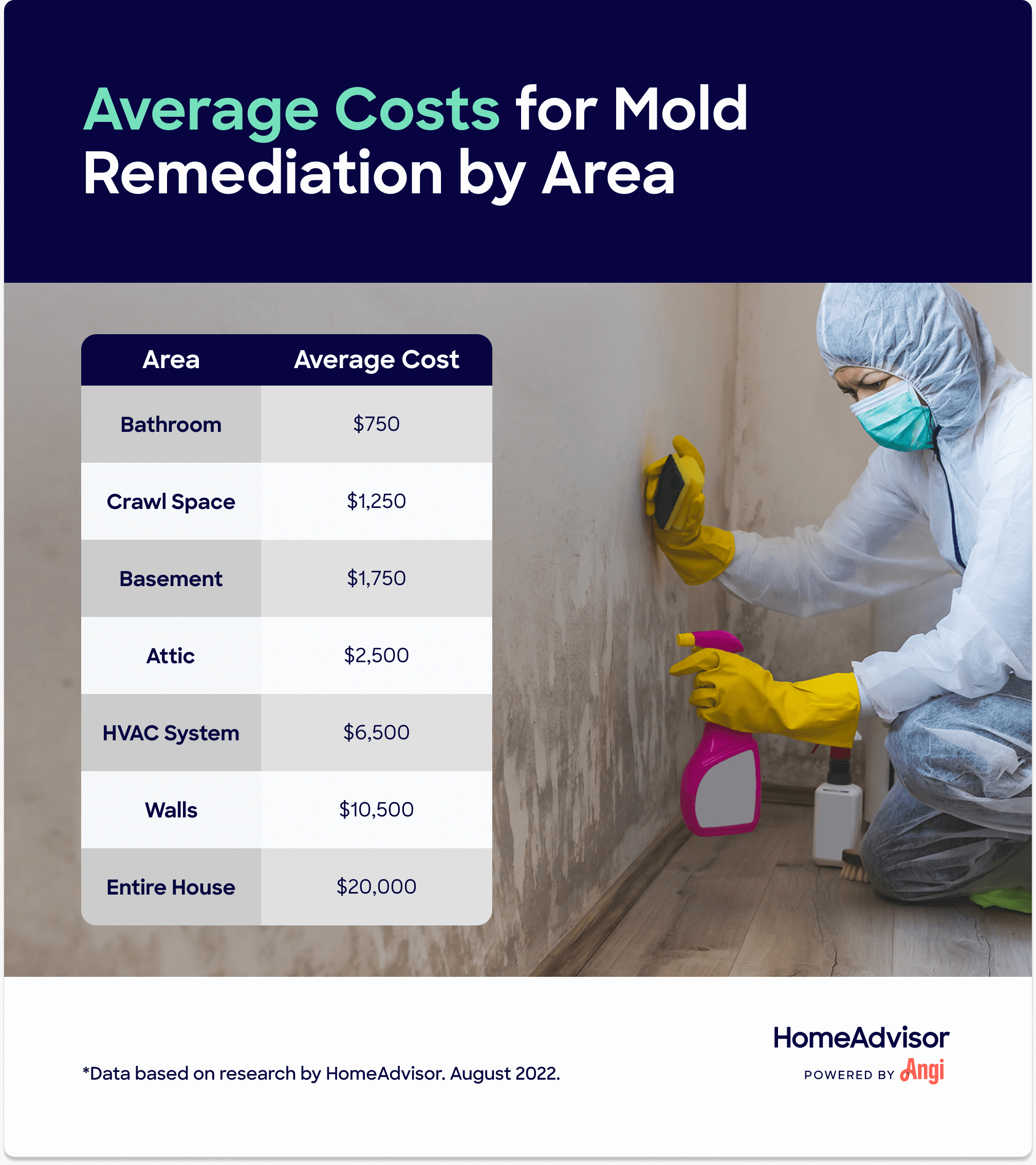
Omaha’s climate, characterized by high summer humidity and significant seasonal temperature swings, creates specific challenges for mold management. The following table provides a breakdown of estimated costs for common remediation scenarios in the Omaha area for the 2026 calendar year.
| Project Type | Average Cost Range (2026) | Primary Activities Included |
|---|---|---|
| Small Bathroom | $500 – $1,500 | Minor drywall removal, tile cleaning, fan installation. |
| Attic Remediation | $2,500 – $7,000 | Insulation removal, soda blasting, timber sealing. |
| Basement (Partial) | $1,500 – $4,500 | Carpet removal, wall scrubbing, dehumidifier setup. |
| Crawlspace | $3,000 – $8,500 | Vapor barrier installation, antimicrobial treatment. |
| HVAC & Ducts | $1,000 – $3,000 | Mechanical cleaning, biocide fogging, filter replacement. |
| Whole House | $12,000 – $25,000+ | Full containment, systemic structural cleaning. |
The Role of Omaha’s Climate and Housing Stock
Omaha residents face unique environmental pressures that contribute to mold growth. The city’s position in the Midwest brings a "humid continental" climate. During the peak summer months, outdoor humidity levels often exceed 70%, making indoor humidity control essential.
Basement Moisture in Douglas County
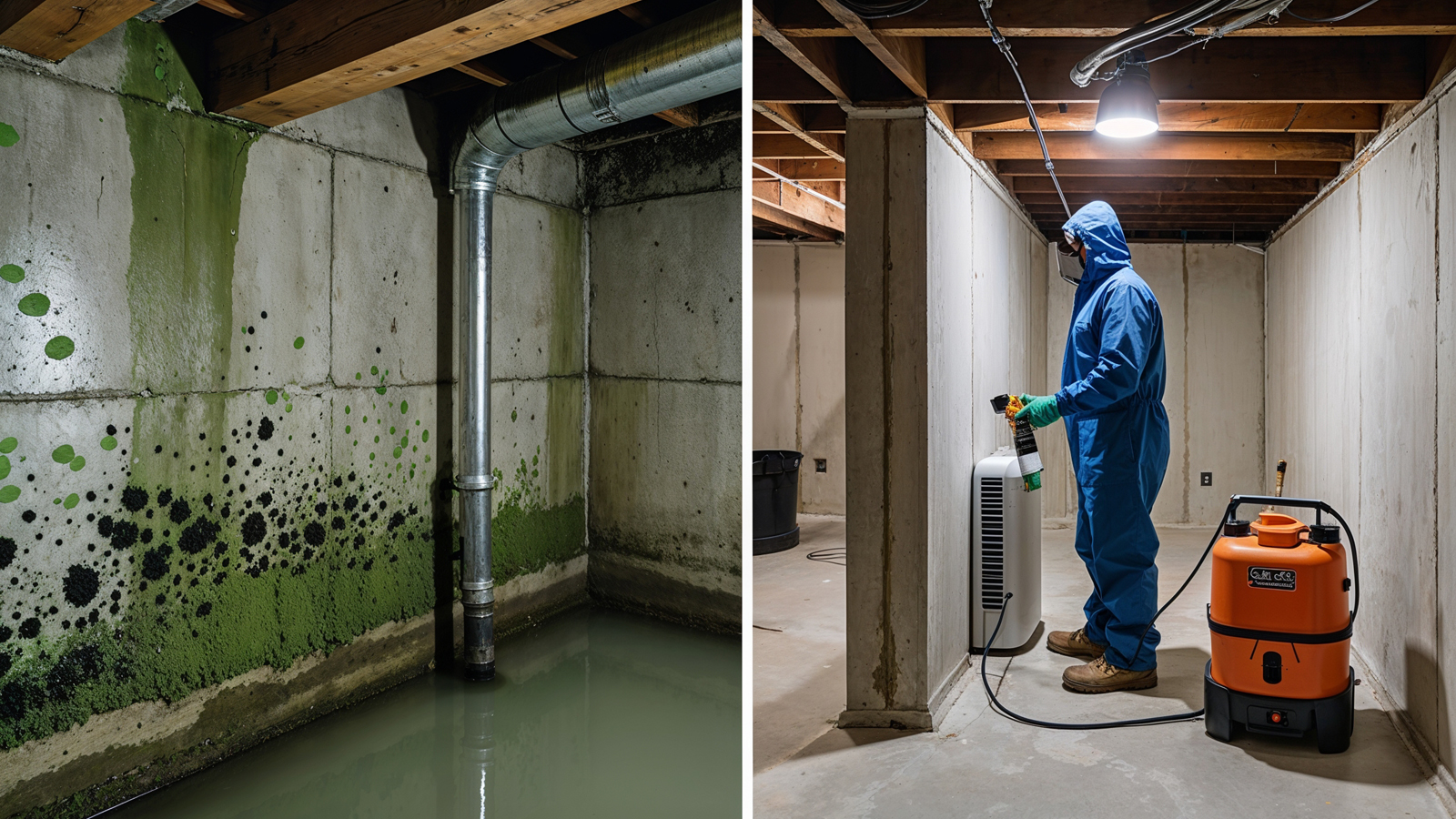
Many homes in older Omaha neighborhoods, such as Dundee, Benson, and Hanscom Park, feature older foundation types that are susceptible to hydrostatic pressure. When the ground becomes saturated during the spring rainy season, moisture can seep through foundation cracks. Professional remediation in these areas often goes hand-in-hand with basement waterproofing. If a remediation company identifies that the mold is caused by external seepage, they may recommend installing a sump pump or an interior drainage system, which can add $3,000 to $8,000 to the total project cost but prevents future recurrence.
Attic Condensation in Newer Developments
In newer suburban developments in West Omaha and Elkhorn, mold issues are frequently found in attics rather than basements. These issues are often the result of improper ventilation or bathroom exhaust fans that vent directly into the attic space rather than through the roof. When warm, moist air hits the cold underside of the roof deck during a Nebraska winter, it condenses and triggers mold growth. Remediating this usually involves "dry ice blasting" or "soda blasting" to clean the wooden rafters without damaging the structural integrity of the home.
The Professional Remediation Process
Understanding why the costs are structured this way requires looking at the standard operating procedures followed by reputable Omaha firms, often guided by the IICRC S520 Standard for Professional Mold Remediation.
- Inspection and Testing: Before work begins, an industrial hygienist or a mold inspector may conduct air quality testing to identify spore counts. In Omaha, a standard mold inspection usually costs between $300 and $600.
- Source Identification: Remediation is a waste of money if the moisture source isn't fixed. Whether it is a leaky pipe, a roof leak, or high humidity, the source must be addressed first.
- Physical Removal: Mold is not "killed"; it must be physically removed. This involves HEPA vacuuming and the physical extraction of infested materials.
- Antimicrobial Application: Once the area is physically clean, technicians apply EPA-registered antimicrobial solutions to kill any remaining microscopic roots (hyphae) and prevent new growth.
- Post-Remediation Verification (PRV): For large projects, a final air test is conducted to ensure the indoor air quality has returned to "Normal Fungal Ecology" (Status 1).
For more information on health standards and mold, homeowners should consult the EPA’s Brief Guide to Mold and Moisture.
Insurance Coverage and Mold in Nebraska
A common question for Omaha homeowners is whether insurance will cover the cost of mold remediation. In 2026, the answer remains largely dependent on the cause of loss.
Standard homeowners' insurance policies in Nebraska typically cover mold remediation only if the mold is a direct result of a "covered peril." For example, if a water pipe suddenly bursts and causes mold to grow before it can be dried, the remediation is likely covered. However, if the mold is the result of long-term neglect, such as a slow leak that went ignored for months or general basement dampness due to high humidity, insurance providers will likely deny the claim.
Many policies now include a "mold cap," which limits the payout for microbial remediation to a specific amount, often $5,000 or $10,000, regardless of the total damage. Homeowners should review their policy or contact their local Omaha insurance agent to discuss adding a mold endorsement if they live in high-risk areas near the Missouri or Platte Rivers.
DIY vs. Professional Remediation
While it is tempting to save money by handling mold personally, the Nebraska Department of Health and Human Services (DHHS) generally recommends professional intervention for any mold growth exceeding 10 square feet (roughly a 3x3 foot patch).
Risks of DIY
The primary risk of DIY remediation is the accidental spread of spores. Using a standard household vacuum or a shop-vac without a HEPA filter will simply exhaust mold spores back into the air, potentially contaminating the entire house. Furthermore, household bleach is often ineffective on porous surfaces like wood or drywall; it kills surface mold but leaves the roots intact, leading to regrowth within weeks.
When to Hire a Professional
- The mold covers a large area.
- The mold is located within the HVAC system.
- The mold was caused by contaminated water (sewage backup or river flooding).
- Inhabitants of the home have respiratory issues, allergies, or compromised immune systems.
Common Mistakes That Increase Costs
Homeowners often inadvertently drive up their own costs by delaying action. In Omaha's humid climate, mold can begin to colonize a damp surface within 24 to 48 hours.
- Painting Over Mold: Applying "mold-resistant" paint over existing growth does not kill the mold. It will eventually eat through the paint, and the subsequent remediation will be more expensive because the paint must now be stripped away to reach the source.
- Using Bleach on Wood: Bleach contains a high percentage of water. On porous wood, the chlorine stays on the surface while the water soaks in, actually "feeding" the mold roots.
- Failing to Fix the Leak: Remediating mold while a pipe is still dripping is a recurring expense. Always prioritize plumbing or roofing repairs before microbial work.
FAQs About Mold Remediation in Omaha
How long does the mold remediation process usually take?
In most Omaha residential cases, the process takes between 3 and 5 days. The first day is dedicated to containment and equipment setup, the second and third days to physical removal and cleaning, and the final days to drying and post-remediation testing. If structural repairs (like replacing drywall) are included, the timeline may extend to two weeks.
Is mold testing mandatory before remediation?
Testing is not legally mandatory in Nebraska, but it is highly recommended for larger projects. It provides a baseline to prove that the remediation was successful. If you are involved in a real estate transaction in Omaha, buyers or lenders may require a formal "clearance letter" from an independent testing company before closing.
Does the type of mold (e.g., "Black Mold") change the price?
Technically, no. While certain species like Stachybotrys chartarum (often called black mold) are associated with higher health risks, the physical process for removing it is the same as for any other mold. Professionals treat all mold as a potential biohazard. The price is dictated by the extent of the growth, not the specific species of the fungus.
Why is crawlspace remediation so expensive in Omaha?
Crawlspace work is labor-intensive and requires specialized PPE (Personal Protective Equipment) and specialized equipment. In Omaha, many crawlspaces require encapsulation—installing a heavy-duty vapor barrier and a dedicated dehumidifier—to ensure the mold does not return. This comprehensive approach is more expensive than a simple cleaning but is the only long-term solution for Nebraska’s soil moisture levels.
Can I stay in my home during the remediation?
For minor jobs (one bathroom or a small corner of a basement), you can usually stay in the home as long as the containment is properly maintained. However, for whole-house projects or HVAC remediation, it is often recommended to vacate the premises for 48 to 72 hours to avoid exposure to high concentrations of spores and cleaning chemicals.
Final Recommendations for Omaha Residents
When facing a mold issue in 2026, the most cost-effective strategy is rapid response. If you discover mold or experience a water leak in your Omaha home, immediately increase air circulation and use a dehumidifier to keep the relative humidity below 50%.
Before hiring a contractor, ensure they are certified by a recognized body like the IICRC (Institute of Inspection, Cleaning and Restoration Certification). Request a detailed, written estimate that breaks down the costs for containment, labor, and disposal. For homeowners in the Omaha metro area, getting at least two quotes is advisable, as pricing can fluctuate significantly between small local outfits and large national franchises. Always verify that the company carries pollution liability insurance, which covers mold-specific mishaps that standard general liability policies might exclude.
Image Gallery