Why the Parking Lot Movie Theater Still Draws Crowds
The parking lot movie theater continues to draw massive crowds in 2026 because it offers a unique blend of nostalgic charm, modern technical convenience, and unparalleled social flexibility. By transforming a functional space into a co...
The parking lot movie theater continues to draw massive crowds in 2026 because it offers a unique blend of nostalgic charm, modern technical convenience, and unparalleled social flexibility. By transforming a functional space into a communal destination, these theaters provide a low-cost, high-privacy alternative to traditional multiplexes, catering to families, pet owners, and those seeking an experiential "event" rather than just a film screening.
Contents
The Enduring Appeal of the Outdoor Cinema Experience
As we move through 2026, the landscape of entertainment has shifted toward personalized and "event-based" consumption. While home streaming services offer convenience and traditional cinemas offer high-end immersion, the parking lot movie theater—often referred to as a drive-in or pop-up cinema—occupies a unique middle ground. Its resurgence, which began in earnest during the early 2020s, has solidified into a permanent fixture of the modern entertainment economy.
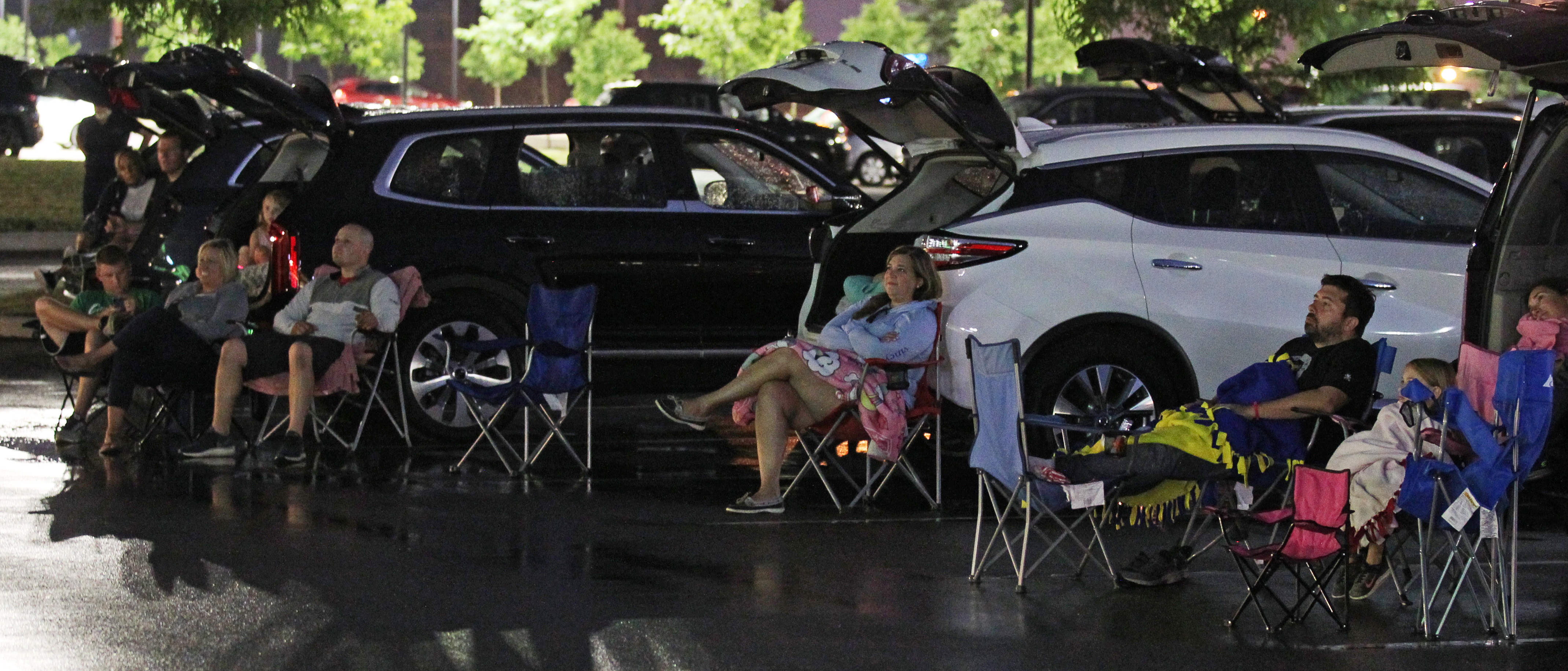
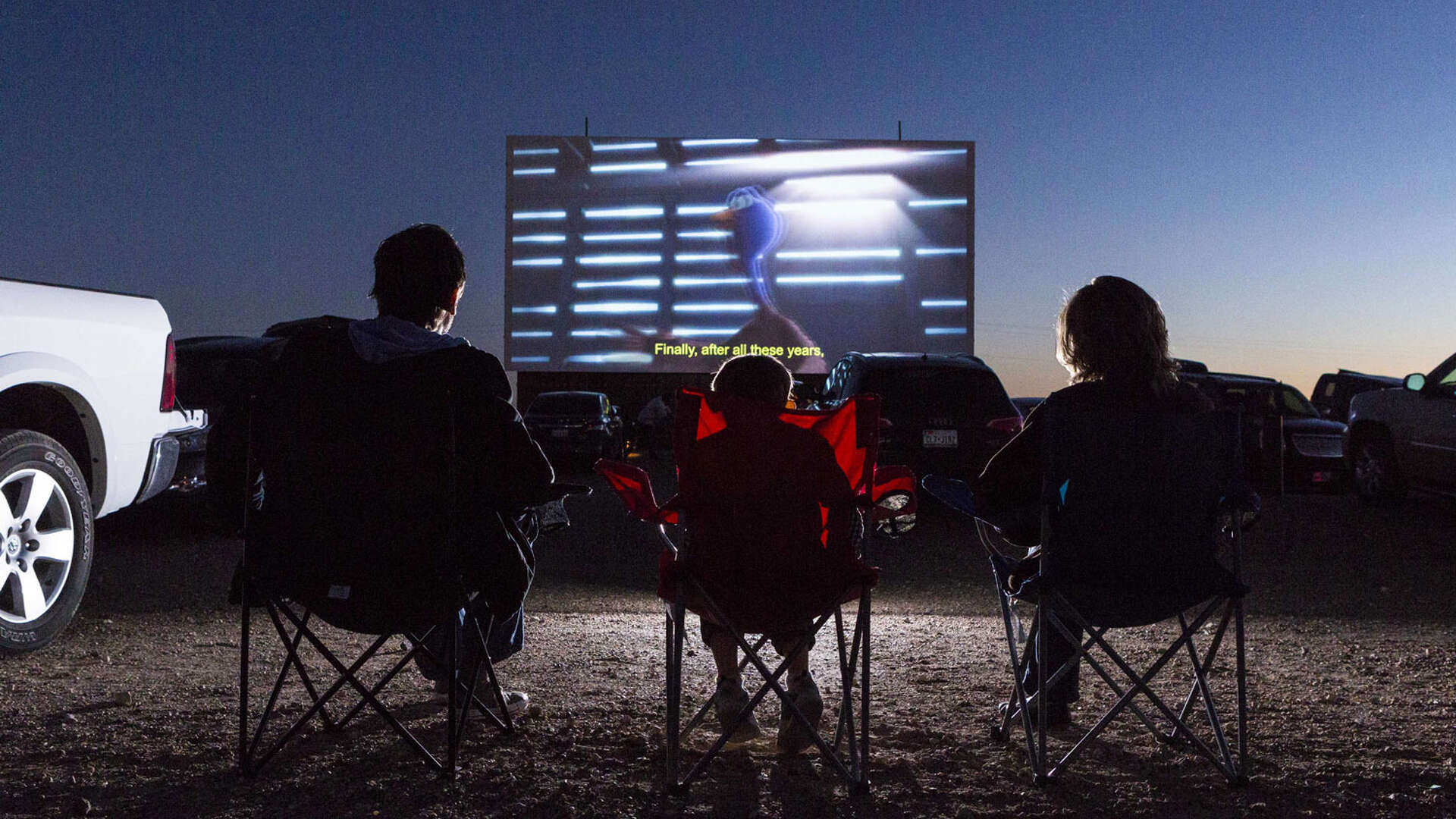
The primary draw remains the experiential atmosphere. Unlike the hushed, dark environment of a traditional indoor theater, a parking lot cinema allows for movement, conversation, and a degree of personal expression. Patrons are not just watching a movie; they are reclaiming a public space for private enjoyment. This "bubble of privacy" within a public setting is a powerful psychological draw, allowing viewers to control their immediate environment—temperature, seating comfort, and snack availability—while still participating in a shared cultural moment.
The Social and Practical Advantages for Families
For many households, the logistical hurdles of visiting a traditional theater can be daunting. The parking lot theater removes these barriers by offering a "judgment-free" zone. This is particularly relevant for families with young children or individuals with sensory sensitivities.
Privacy and Comfort
Inside a personal vehicle, parents do not have to worry about a crying infant or a restless toddler disturbing other patrons. The car serves as a soundproof booth where kids can be themselves. Furthermore, the ability to bring pillows, blankets, and even pajamas turns a movie outing into a "slumber party on wheels." This level of comfort is simply impossible to replicate in a row of fixed stadium seats.
Pet-Friendly Entertainment
In 2026, the trend of including pets in social outings has reached an all-time high. Most parking lot theaters are pet-friendly, allowing owners to bring their dogs along for the evening. This eliminates the need for pet sitters and allows the entire "family unit" to enjoy the outing together, a factor that significantly increases the frequency of visits for pet-centric demographics.
Technical Innovations Driving the 2026 Experience
The "parking lot theater" of 2026 is far removed from the grainy, dim screenings of the mid-20th century. Significant technological leaps have addressed the historical weaknesses of outdoor cinema, namely brightness and audio quality.
High-Lumen Laser Projection and LED Screens
Traditional drive-ins relied on powerful bulb-based projectors that required near-total darkness to be effective. Modern installations now utilize high-lumen laser projection or, increasingly, modular LED cinema walls. LED technology is a game-changer because it allows for daytime or "twilight" screenings. These screens provide high-contrast, vivid imagery that can compete with ambient city lights, expanding the operating hours of these venues beyond the late-night window.
Audio Synchronization via FM and Apps
The clunky, tethered speakers of the past are long gone. Today, audio is delivered with crystal clarity through high-definition FM radio transmitters directly to the vehicle’s sound system. For those sitting outside their cars in lawn chairs, mobile apps now allow for synchronized audio streaming via Bluetooth headphones or portable speakers. This eliminates the "echo" effect common in large outdoor spaces and ensures that every patron has a front-row audio experience.
A Comparison of Cinema Formats in 2026
To understand why the parking lot model persists, it is helpful to compare it against the other two dominant forms of movie-going.
| Feature | Parking Lot / Drive-In | Traditional Multiplex | Home Streaming |
|---|---|---|---|
| Privacy Level | High (In-car) | Low (Shared space) | Maximum |
| Social Interaction | High (Tailgating/Groups) | Minimal (Silence required) | Variable |
| Technical Immersion | Moderate to High | Maximum (IMAX/Dolby) | Depends on hardware |
| Cost (Family of 4) | Low to Moderate | High | Lowest (Monthly fee) |
| Flexibility | High (Pets/Food/Noise) | Low (Strict rules) | Total |
| Atmosphere | Retro/Festive | Professional/Focused | Casual |
The Economic Logic: Value and Diversification
From a consumer perspective, the parking lot theater is often the most cost-effective way to see a new release. Many venues still operate on a "per-car" pricing model or offer "double features" (two movies for the price of one). In an era where a trip to a premium indoor theater can easily exceed $100 for a family after tickets and concessions, the drive-in remains an accessible luxury.
From a business perspective, the parking lot theater is a masterclass in land-use efficiency. Many of these venues are "pop-ups" that utilize existing infrastructure, such as stadium parking lots, shopping malls, or fairgrounds, during their off-hours.
- Daytime Revenue: During the day, these lots function as transit hubs or retail parking.
- Nighttime Revenue: After sunset, they transform into high-margin entertainment venues.
- Concession Innovation: Modern venues have moved beyond popcorn and soda, often partnering with local food trucks or offering app-based delivery directly to the car window. This "delivery to your door" model (where the door is your car door) significantly boosts secondary revenue.
Safety and Environmental Considerations
While the initial surge in parking lot cinema was fueled by health-related social distancing, the "safety" appeal in 2026 has evolved. It is now viewed as a safe environment for different reasons, such as personal security and controlled social interaction.
However, the industry has had to adapt to environmental concerns. In 2026, many venues have implemented "engine-off" policies to reduce emissions. To facilitate this, theaters often provide:
- Portable Power Banks: For rent to power FM radios or heaters/fans without idling the car.
- Electric Vehicle (EV) Charging Stations: Integrated into the parking spots, allowing viewers to "refuel" their cars while they watch the film.
- Low-Light Pollution Tech: Shrouded screens and directional audio to minimize the impact on surrounding residential neighborhoods.
Addressing Common Challenges
Despite its popularity, the parking lot theater faces inherent challenges that operators must manage to keep crowds coming back.
- Weather Dependency: Rain and extreme cold can still dampen attendance. To counter this, many 2026 venues use "all-weather" LED screens and offer heated "pod" rentals for those who prefer to sit outside their vehicles.
- Site Lines: Poorly designed lots can lead to obstructed views. Modern venues use tiered grading or sophisticated "staggered parking" software during the booking process to ensure every vehicle has a clear view of the screen.
- Battery Drain: A perennial fear for drive-in goers is a dead car battery. Most reputable theaters now have roving "jump-start" teams or provide auxiliary battery packs to prevent this issue from ruining the evening.
Frequently Asked Questions
Do I need a specific type of car to enjoy a parking lot theater?
No, any vehicle with an FM radio can participate. However, larger vehicles like SUVs and trucks are often asked to park in designated rows at the back or sides to ensure they do not block the view for smaller sedans. Many patrons in trucks also enjoy backing into the space and watching from the truck bed.
How do I hear the movie if my car's radio is broken?
Most modern parking lot theaters offer a few solutions. You can bring a portable battery-operated FM radio, or use a venue-specific mobile app that streams the audio over your phone's data or the theater's local Wi-Fi. It is recommended to use high-quality Bluetooth speakers if you choose the app-based route.
Can I bring my own food and drinks?
Policies vary by location, but the "bring your own" (BYO) culture is a hallmark of the parking lot theater. Some venues charge a small "outside food permit" fee to offset the loss of concession revenue, which is vital for the theater's survival. Even with a fee, it remains significantly cheaper than buying snacks for a large group at a traditional cinema.
What happens if it starts raining during the movie?
Most outdoor theaters will continue the screening during light to moderate rain. Modern projection and LED technology are highly resistant to moisture. In the event of severe weather or lightning, screenings may be postponed or "rain checks" (vouchers for a future show) are typically issued to all ticket holders.
Is the screen quality as good as an indoor theater?
While a traditional theater's 4K projection in a pitch-black room is the "gold standard" for image quality, 2026-era LED cinema walls come very close. They offer high brightness and vibrant colors that are more than sufficient for an enjoyable viewing experience, even with some ambient light from the surrounding city.
Final Recommendations for the Best Experience
To get the most out of your next visit to a parking lot movie theater, arrive at least 45 minutes early. This ensures you get a prime parking spot and gives you time to set up your seating arrangement and visit the concessions. If you are using your car's radio, remember to turn your headlights off (and know how to disable daytime running lights) to avoid disturbing others. Finally, bring more layers than you think you need; even in the summer, temperatures can drop significantly once the sun goes down and you are sitting still for two hours.
Image Gallery