Understanding the USMCA: The Current Trade Agreement with Mexico and Canada in 2026
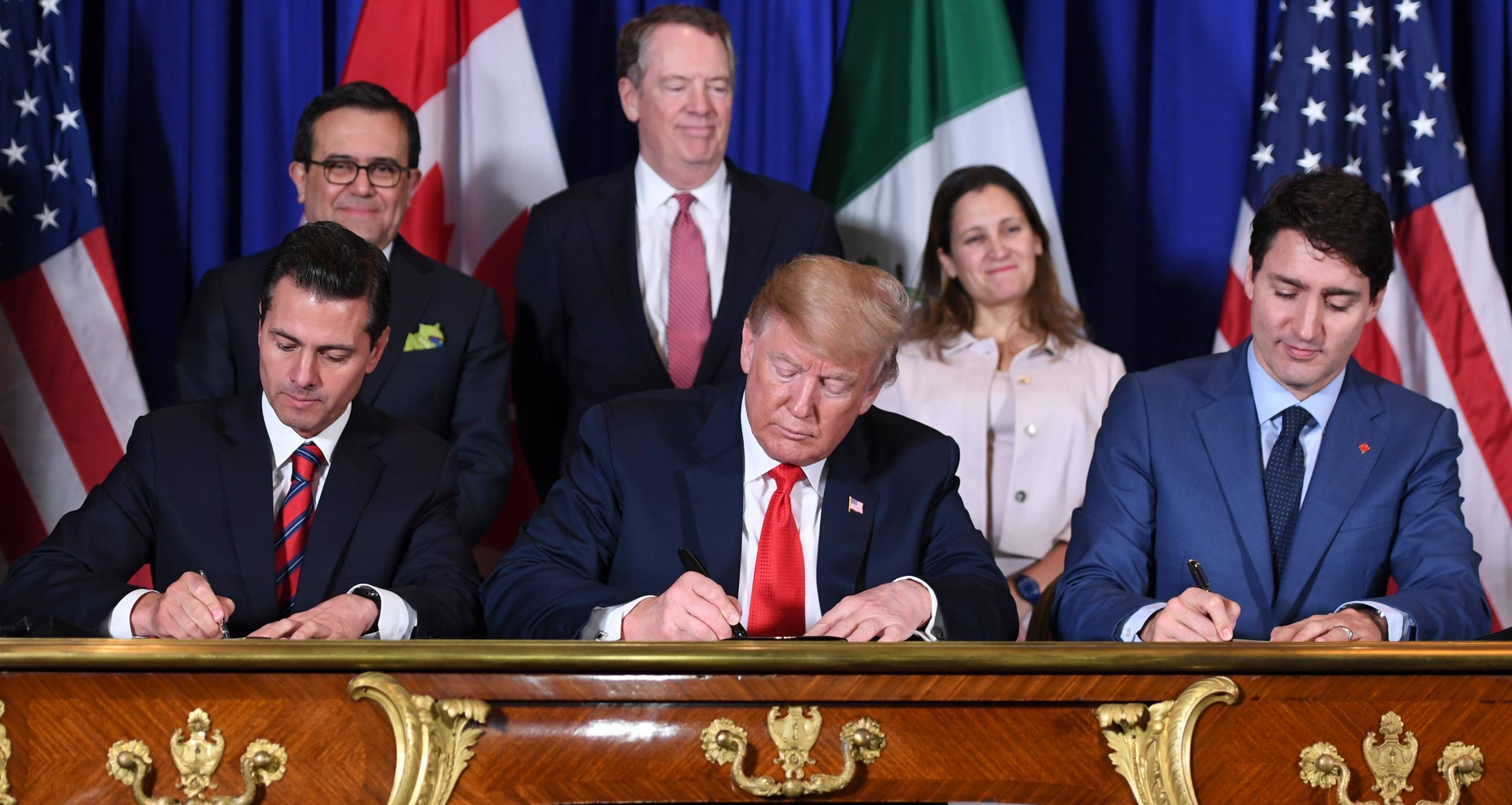
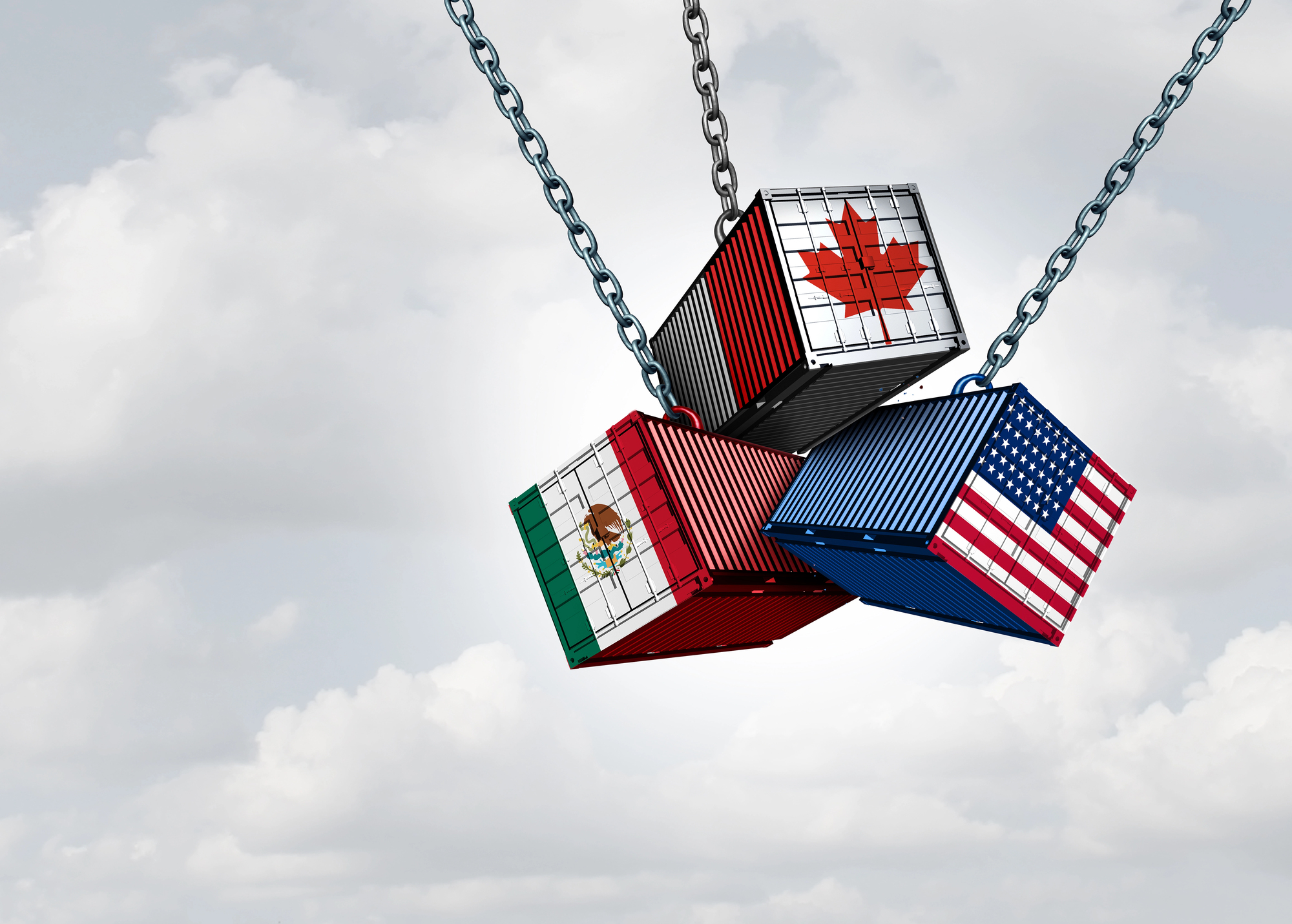
The United States-Mexico-Canada Agreement (USMCA) is the primary trade treaty governing commerce between the three nations, having officially replaced NAFTA in 2020. As of 2026, it serves as the definitive framework for North American...
The United States-Mexico-Canada Agreement (USMCA) is the primary trade treaty governing commerce between the three nations, having officially replaced NAFTA in 2020. As of 2026, it serves as the definitive framework for North American trade, modernizing rules for digital commerce, strengthening labor enforcement, and increasing regional content requirements for the automotive industry to ensure continental competitiveness.
Contents
The Evolution of North American Trade: From NAFTA to USMCA
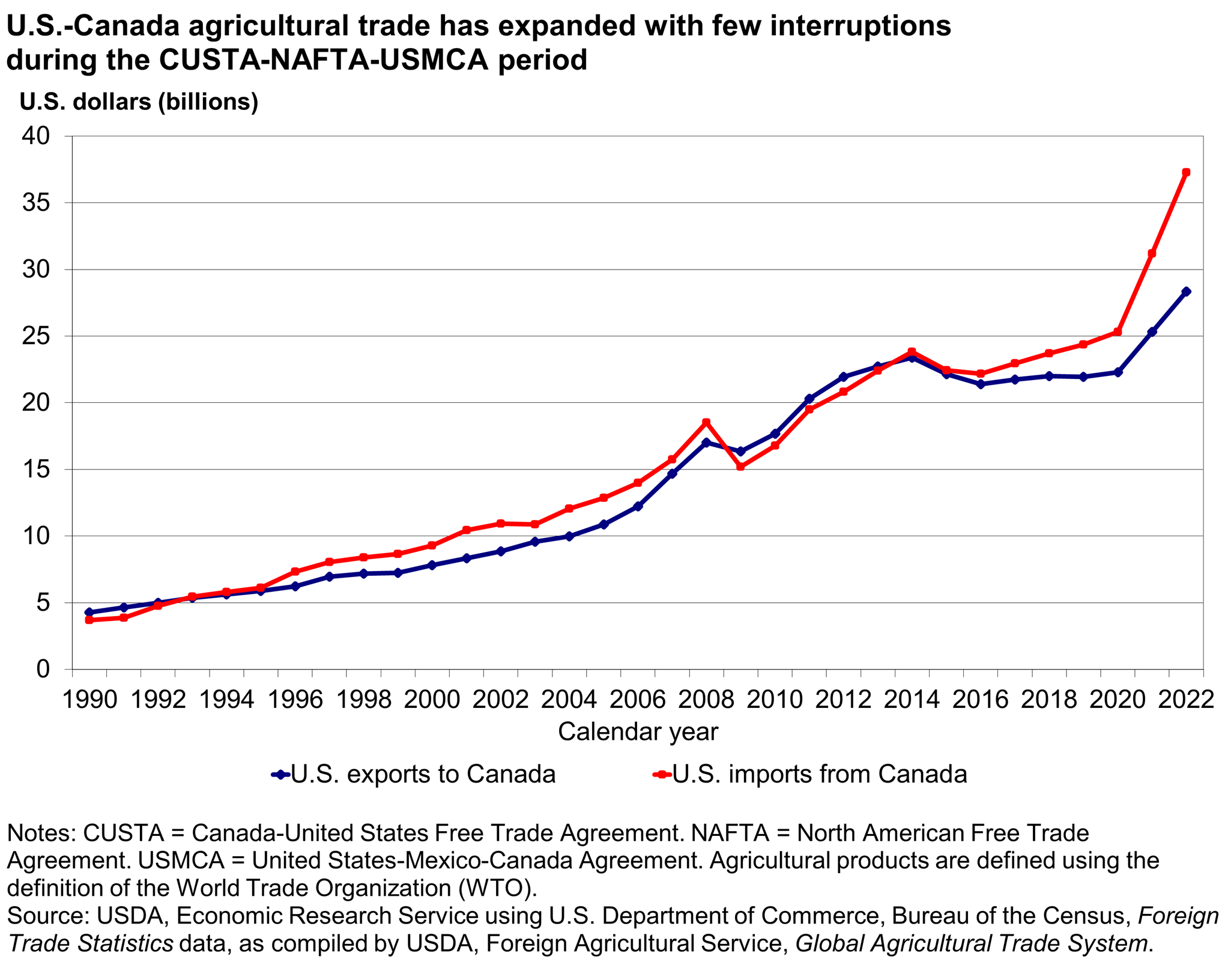
The transition from the North American Free Trade Agreement (NAFTA) to the USMCA represented a fundamental shift in how the three nations approach economic integration. While NAFTA, established in 1994, focused primarily on the elimination of tariffs, the USMCA was designed to address the complexities of the 21st-century economy.
By 2026, the USMCA has matured into a robust legal framework. Known as CUSMA in Canada and T-MEC in Mexico, the agreement provides a modernized template for cross-border investment and trade. The "modernization" aspect is not merely a buzzword; it refers to the inclusion of chapters that did not exist in the 1990s, such as those regarding digital trade, anti-corruption, and small and medium-sized enterprises (SMEs).
The agreement maintains the zero-tariff status for nearly all agricultural and industrial products that meet specific rules of origin. However, the administrative requirements and compliance standards have become significantly more rigorous, particularly regarding how goods are certified as "North American."
The 2026 Joint Review: A Critical Milestone
The year 2026 marks the first "Joint Review" of the USMCA, a requirement mandated by the agreement’s "Sunset Clause" (Article 34.7). This clause dictates that the agreement has a 16-year lifespan, but the three nations must meet every six years to review its operation and decide whether to extend it for another 16-year term.
This 2026 review is a pivotal moment for North American businesses. During this process, the "Free Trade Commission," composed of government representatives from each country, assesses any recommendations for action submitted by the parties. If all three countries agree in writing to continue the agreement, the 16-year clock resets. If one party does not agree to extend, the agreement is subject to annual reviews for the remainder of its term until a consensus is reached or the agreement expires.
The 2026 review focuses heavily on several points of friction that have emerged since 2020, including:
- Energy Policy: Ongoing discussions regarding Mexico’s state-centric energy model and its impact on private investors.
- Biotechnology: Disputes concerning Mexico's restrictions on genetically modified (GM) corn.
- Dairy Access: U.S. concerns regarding Canada’s administration of dairy tariff-rate quotas (TRQs).
Key Pillars of the USMCA Framework
To understand the current trade agreement with Mexico and Canada, one must look at the specific chapters that drive the majority of economic activity.
1. Automotive Rules of Origin
The automotive sector remains the heart of North American manufacturing. The USMCA significantly increased the Regional Value Content (RVC) requirement for passenger vehicles and light trucks. Under NAFTA, the requirement was 62.5%. Under the USMCA, this reached 75% by 2023 and remains the standard in 2026.
Additionally, the agreement introduced the Labor Value Content (LVC) requirement. This requires that 40% to 45% of a vehicle's content be made by workers earning at least $16 USD per hour. This measure was specifically designed to level the playing field between high-wage and low-wage regions within the trade bloc and to encourage the retention of high-paying manufacturing jobs in the United States and Canada.
2. Labor Rights and Enforcement
One of the most transformative elements of the USMCA is the Rapid Response Labor Mechanism (RRM). This allows for facility-specific enforcement of labor rights. If a factory in Mexico is suspected of denying workers the right to free association or collective bargaining, the U.S. or Canada can trigger an investigation that may lead to the suspension of preferential tariff treatments for goods produced at that specific facility.
Since 2020, the RRM has been utilized dozens of times, fundamentally changing the risk profile for companies manufacturing in Mexico. Businesses must now ensure that their supply chains are not only efficient but also compliant with stringent international labor standards.
3. Digital Trade and Intellectual Property
The USMCA includes a comprehensive Digital Trade chapter that prohibits customs duties on digital products distributed electronically, such as e-books, software, and streaming media. It also protects the cross-border transfer of data and prohibits "data localization" requirements, which would otherwise force companies to build expensive data centers in every country where they operate.
Intellectual property (IP) protections were also enhanced, providing stronger protections for patents, trademarks, and copyrights. For pharmaceutical companies, the agreement includes protections for biologics and industrial designs, ensuring that innovation within the bloc is shielded from unauthorized duplication.
Comparing NAFTA and USMCA: Key Differences
The following table outlines the material changes between the previous agreement and the current USMCA standards applied in 2026.
| Feature | NAFTA (Legacy) | USMCA (2026 Status) |
|---|---|---|
| Automotive RVC | 62.5% | 75% (Final Phase) |
| Labor Content | No specific wage requirements | 40-45% at $16/hour (LVC) |
| Sunset Clause | No expiration date | 16-year term; 6-year reviews |
| Digital Trade | Not addressed | Comprehensive protections/No duties |
| De Minimis (Mexico) | $50 USD | $50 for taxes; $117 for duties |
| De Minimis (Canada) | $20 CAD | $40 for taxes; $150 for duties |
| Dairy Access | Restricted | Increased U.S. access to 3.6% of market |
| Certification | Official Certificate of Origin | Informal Certification (any document) |
Compliance and Verification: How to Utilize the Agreement
In 2026, businesses no longer use a "standard form" for the USMCA Certificate of Origin, as was common under NAFTA. Instead, a claim for preferential treatment can be made using any commercial document (such as an invoice or packing list), provided it contains nine essential data elements.
Required Data Elements for USMCA Certification:
- Importer, Exporter, or Producer: Identification of the certifier.
- Certifier: Name, title, address, and contact information.
- Exporter: Details of the party exporting the good.
- Producer: Details of the party manufacturing the good.
- Importer: Details of the party importing the good.
- Description of Goods: Sufficient detail to identify the product and its HS Tariff Classification.
- HS Tariff Classification: The 6-digit Harmonized System code.
- Origin Criterion: The specific rule (A, B, C, or D) that the good meets.
- Authorized Signature and Date: A signed statement certifying that the goods qualify.
Failure to maintain supporting documentation for at least five years can result in significant penalties and the retroactive application of duties. Importers are legally responsible for the accuracy of their claims, even if they rely on information provided by the exporter or producer.
Dispute Resolution Mechanisms
The USMCA provides three primary paths for resolving conflicts, which are essential for maintaining stability in the trade relationship:
- Chapter 10 (Trade Remedies): Deals with anti-dumping and countervailing duty matters. It allows for binational panels to review final determinations made by national authorities.
- Chapter 20 (Government-to-Government): The standard mechanism for resolving disputes regarding the interpretation or application of the agreement.
- Chapter 31 (Labor/Environment): Specifically handles issues related to the Rapid Response Labor Mechanism and environmental commitments.
In 2026, these mechanisms are frequently used to address "technical barriers to trade," such as sanitary and phytosanitary (SPS) measures in the agricultural sector. For instance, the U.S. Trade Representative (USTR) often utilizes these panels to challenge regulations that appear to be disguised barriers to trade rather than legitimate safety concerns.
Frequently Asked Questions
What is the "Rule of Origin" under the trade agreement with Mexico and Canada?
The Rule of Origin determines if a product is truly "North American" and eligible for duty-free status. It typically requires that a certain percentage of the product's value be created within the three countries or that the product undergoes a "substantial transformation" (a change in tariff classification) during manufacturing within the region.
How does the 2026 review affect current trade?
The 2026 review is a formal assessment of the agreement's effectiveness. While it does not automatically end the agreement, it provides an opportunity for the United States, Mexico, and Canada to renegotiate specific sections or address grievances. For businesses, this creates a period of "policy monitoring," where they must stay informed about potential shifts in regulations or tariff structures.
Does the USMCA apply to services or just physical goods?
The USMCA covers both. It includes specific chapters on cross-border trade in services, financial services, and telecommunications. It ensures that service providers from one country are treated no less favorably than local providers in the other two member nations, subject to certain exceptions.
What are the "De Minimis" thresholds in 2026?
De Minimis refers to the value of a shipment below which no duties or taxes are collected. Under the USMCA, Canada and Mexico increased these levels for U.S. express shipments. In 2026, Canada allows duty-free entry for goods up to $150 CAD and tax-free entry up to $40 CAD. Mexico allows duty-free entry for goods up to $117 USD and tax-free entry up to $50 USD.
Are there environmental protections in the agreement?
Yes, the USMCA includes a legally binding Environment Chapter. It requires the three nations to effectively enforce their environmental laws and includes commitments to combat illegal wildlife trafficking, protect the marine environment, and reduce air pollution. These provisions are subject to the same dispute resolution process as commercial issues.
Practical Recommendations for Businesses
As we navigate the trade landscape of 2026, businesses involved in North American commerce should take the following actions:
- Audit Origin Certifications: Regularly review your "Origin Criteria" to ensure they align with current 2026 production processes. Changes in your global supply chain can inadvertently disqualify products from USMCA benefits.
- Monitor the Joint Review: Closely follow the outcomes of the 2026 Free Trade Commission meetings. These discussions will dictate the stability of the agreement for the next decade.
- Implement Labor Compliance Systems: Given the power of the Rapid Response Mechanism, ensure your Mexican facilities (or suppliers) are in full compliance with the 2019 Mexican Labor Reform.
- Leverage Digital Trade Rules: Ensure your digital services and data transfers are taking full advantage of the prohibition on localization and digital duties to reduce operational costs.
For specific guidance on tariff classifications and current customs rulings, businesses should consult the Official USMCA Website or the respective customs authorities such as the U.S. Customs and Border Protection (CBP).
Image Gallery