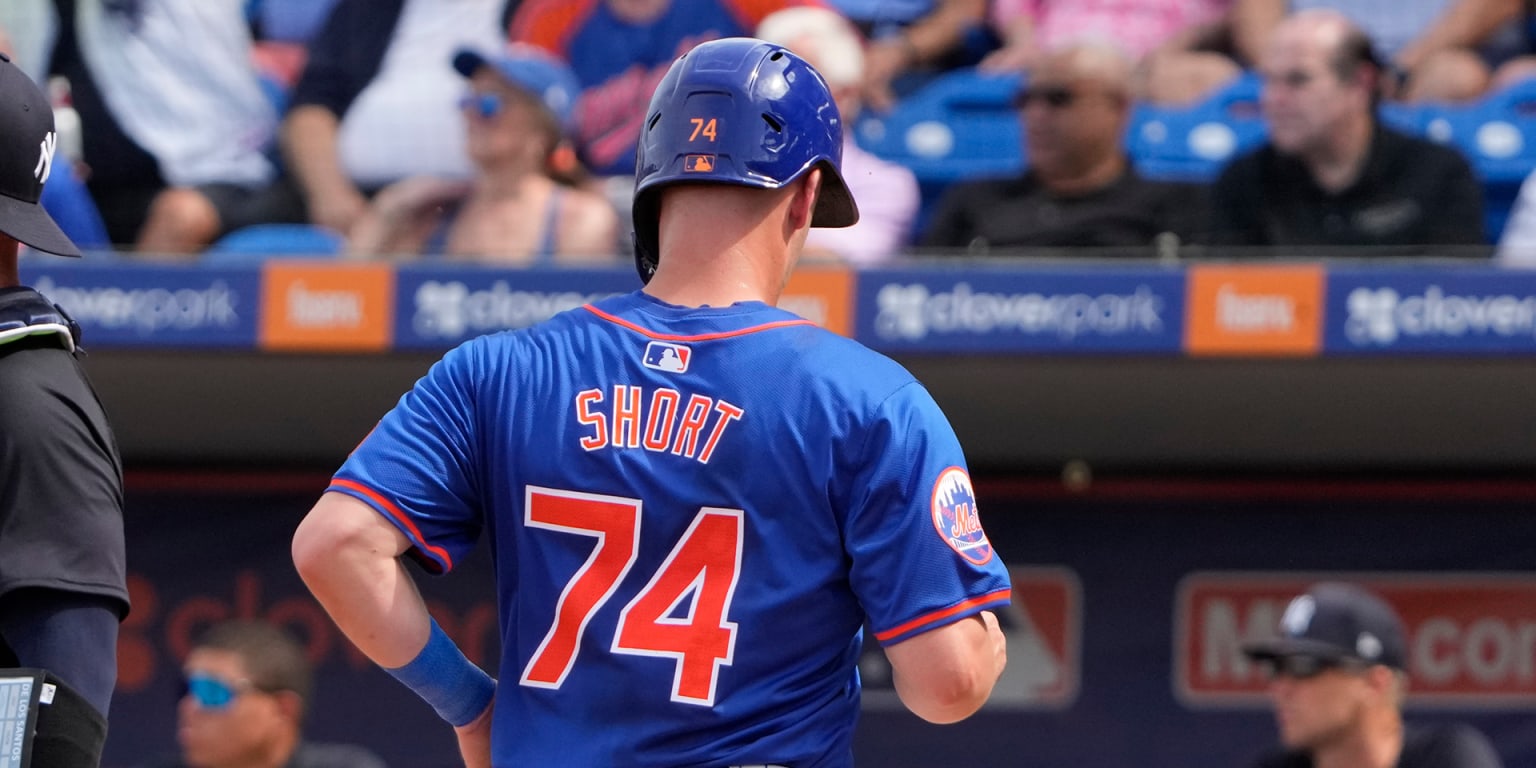
Why the New York Mets Are Called the Metropolitans: A History of the Name
The New York Mets are officially known as the New York Metropolitan Baseball Club, Inc. The name "Mets" is a natural abbreviation of "Metropolitans," a choice intended to evoke the city's vast geographic identity and pay homage to a 19...
The New York Mets are officially known as the New York Metropolitan Baseball Club, Inc. The name "Mets" is a natural abbreviation of "Metropolitans," a choice intended to evoke the city's vast geographic identity and pay homage to a 19th-century professional baseball team that previously represented New York City.
Contents
When the National League returned to New York in 1962 to fill the void left by the departure of the Brooklyn Dodgers and the New York Giants, the ownership group sought a name that would resonate with the entire New York metropolitan area. Choosing "Mets" was a strategic branding decision that balanced historical prestige with modern brevity, ensuring the team felt like an intrinsic part of the city’s fabric from its inception.
The Origins of the Metropolitan Name
The term "Metropolitan" has been intertwined with New York City baseball since the infancy of the professional game. To understand why the 1962 expansion team adopted the name, one must look back to the 1880s. The original New York Metropolitans (often called the "Metropolitans" or simply the "Mets") competed in the American Association from 1883 to 1887.
The 19th-century Metropolitans were a formidable squad, winning the American Association championship in 1884. They played their home games at the original Polo Grounds, located at 110th Street and Fifth Avenue. However, they were eventually overshadowed by the New York Giants (then known as the Gothams). When the modern franchise was being formed in the early 1960s, the name Metropolitans was available and carried a sense of "Old New York" dignity that appealed to the founding owners, particularly Joan Whitney Payson.
The decision to use the formal name "Metropolitan Baseball Club" was not just about nostalgia. It was a functional description of the team's intended market. Unlike the Dodgers or the Giants, which were associated with specific neighborhoods or local legends, the "Metropolitans" encompassed the five boroughs and the surrounding suburbs, positioning the team as the representative of the entire New York tri-state region.
The 1961 Naming Contest and Selection Process
The path to the name "Mets" was not immediate. In May 1961, as the franchise prepared for its inaugural 1962 season, the ownership group led by Joan Payson and team president George Weiss considered several options. They conducted a public poll and consulted with branding experts of the era to determine which name would best suit the new National League entry.
The selection committee reviewed thousands of suggestions from the public. The final list of contenders included several names that reflect the era's sensibilities:
- Bees: A play on the "B" in Brooklyn or simply a traditional sports moniker.
- Burros: A pun on the five boroughs of New York.
- Continentals: Intended to sound prestigious and expansive.
- Skyliners: A nod to New York’s iconic architectural profile.
- Jets: This was eventually taken by the city's AFL football team.
- Avengers: Decades before the Marvel Cinematic Universe, this was a serious contender.
- NY-Es: A stylistic play on the city's initials.
Ultimately, "Mets" won for three primary reasons: it was the choice of the owners, it was overwhelmingly popular in public polls, and it was brevity-friendly for media outlets. In 1961, newspaper headlines were the primary way people consumed sports news. A four-letter name like "Mets" was far easier to fit into a large-font headline than "Metropolitans" or "Skyliners."
Comparison of Naming Finalists (1961)
| Name | Theme | Why it was Rejected/Accepted |
|---|---|---|
| Mets | Historical / Geographic | Accepted: Short, easy to market, and honors 19th-century history. |
| Skyliners | Architectural | Rejected: Deemed too modern or "flighty" for a traditional baseball town. |
| Avengers | Aggressive | Rejected: Did not have a strong connection to New York's baseball roots. |
| Burros | Punning | Rejected: Too easily mocked and focused only on the five boroughs. |
| Continentals | Regional | Rejected: Considered too long and formal for casual fan use. |
Symbolic Branding: The Logo and Colors
The transition from "Metropolitans" to the shortened "Mets" was reinforced by the team’s visual identity. The logo, designed by cartoonist Ray Gotto, is one of the most stable and recognizable in professional sports. It intentionally incorporates elements that bridge the gap between the formal "Metropolitan" name and the city it represents.
The primary logo features a bridge in the foreground—representing the link between the five boroughs—and a skyline in the background. The skyline includes specific New York landmarks: a church spire (symbolizing Brooklyn, the "City of Churches"), the Empire State Building (Manhattan), the United Nations building, and others. By placing the word "Mets" across this imagery, the team solidified the idea that the "Metropolitan" identity was inseparable from the city's physical landscape.
Furthermore, the team's colors are a direct tribute to the National League's New York history. The Royal Blue was taken from the Brooklyn Dodgers, and the Orange was taken from the New York Giants. This color scheme was a calculated move to recruit orphaned fans of the two relocated teams. The white pinstripes (added later) and the orange "NY" on the cap further emphasized that this was the definitive "Metropolitan" club, inheriting the legacy of all New York baseball.
The Cultural Evolution of the Name
By the mid-1960s, the full name "Metropolitans" had largely faded from daily use, replaced almost entirely by "Mets." This mirrors a common trend in North American sports where long, formal names are truncated for convenience. Examples include the Washington Nationals (Nats) and the Philadelphia Phillies (which was originally a nickname for the "Philadelphias").
However, the "Metropolitan" identity remains the legal and corporate backbone of the team. When the team moved from the Polo Grounds to Shea Stadium in 1964, and later to Citi Field in 2009, the "Metropolitan Baseball Club" designation remained on all official contracts, business filings, and press releases.
The name also influenced the naming of the team's mascot, Mr. Met. Introduced in the 1960s, he was one of the first live mascots in Major League Baseball. The simplicity of the name "Met" allowed the character to become a personification of the team, making the abstract "Metropolitan" concept approachable for younger fans and families.
Historical Significance of the 1880s Metropolitans
To fully appreciate the "Metropolitan" name, one must understand the original club that bore it. The 19th-century Metropolitans were owned by the Metropolitan Exhibition Company, which also owned the Giants. For a time, New York had two major league teams playing in the same park, often on the same day.
The original Metropolitans were eventually sold and moved because the owners believed the Giants were more profitable. By reviving the name in 1962, the new National League franchise was effectively correcting a historical exit. It signaled that New York was big enough for multiple "Metropolitan" entities.
Key Dates in the Name’s History
- 1880: The first New York Metropolitan Baseball Club is organized as an independent professional team.
- 1883: The Metropolitans join the American Association.
- 1884: The Metropolitans win the American Association pennant.
- 1960: The "Continental League" is proposed by William Shea, but eventually, the National League agrees to expand.
- 1961 (May 8): The New York expansion team officially announces "Mets" as the team name.
- 1962 (April 11): The New York Mets play their first regular-season game.
FAQ: Understanding the "Mets" Moniker
Is "Mets" an acronym?
No, "Mets" is not an acronym. It is a shortened version of the word "Metropolitans." Some fans jokingly create backronyms, but the name is strictly a historical and geographic reference.
Why didn't they just stay the "New York Metropolitans"?
They are still the New York Metropolitans. However, in sports marketing, shorter names are preferred for ease of communication. "Mets" fits better on jerseys, merchandise, and digital scoreboard interfaces used in modern stadiums as of 2026.
Did the fans choose the name?
While there was a public poll, the ownership group had the final say. Joan Payson was known to be fond of the "Mets" name because of its connection to the city's baseball history and its brevity. It was one of the few instances where the fans and owners were in complete agreement.
Are there any other teams named after "Metropolitans"?
In the professional sports world, the name is relatively rare today. However, the NHL’s New York Islanders played in the Metropolitan Division, and several minor league or international teams have used the name "Metros" or "Metropolitans" over the years, though none have the global recognition of the New York baseball club.
Does the name "Mets" have any legal protection?
Yes. The New York Metropolitan Baseball Club, Inc. holds the trademarks for both "Mets" and "Metropolitans" in the context of professional baseball. This prevents other organizations from using the name to capitalize on the team's brand.
Recommended Next Steps for Fans
If you are interested in the history of the name, visiting the Mets Hall of Fame and Museum at Citi Field is the best course of action. The museum contains original documents from the 1961 naming process, including some of the letters sent in by fans suggesting different names.
Additionally, for a deeper dive into the 19th-century origins, the Society for American Baseball Research (SABR) provides extensive archives on the original 1880s Metropolitan Baseball Club. Understanding the "Metropolitan" roots provides a greater appreciation for the "Amazin' Mets" and their enduring place in New York's cultural landscape.
Image Gallery