Essential Pesticide Facts: Safety, Regulation, and Informed Usage
Understanding pesticides requires a balanced view of how these chemical or biological agents are regulated, why they are applied, and the specific safety protocols necessary to minimize risks to human health and the environment. Knowle...
Understanding pesticides requires a balanced view of how these chemical or biological agents are regulated, why they are applied, and the specific safety protocols necessary to minimize risks to human health and the environment. Knowledgeable use depends on interpreting labels accurately, identifying target pests correctly, and following statutory application guidelines established by national and regional authorities.
Contents
The Regulatory Landscape: How Pesticides are Governed
In the United States, the Environmental Protection Agency (EPA) regulates pesticides under the Federal Insecticide, Fungicide, and Rodenticide Act (FIFRA). This legal framework dictates that no pesticide product may be distributed or sold unless it has been registered with the EPA. Registration is not a blanket endorsement; rather, it indicates that the agency has reviewed the product’s data and determined that it will not cause "unreasonable adverse effects" on humans or the environment when used according to label instructions.
As of 2026, the regulatory process involves an rigorous scientific assessment of toxicology, ecological risk, and potential for groundwater contamination. It is important to distinguish between general-use pesticides, which can be purchased by the public, and restricted-use pesticides (RUPs), which require a certified applicator license due to their potential for higher toxicity or environmental impact. Always check if your specific application requires professional certification, as laws vary by state and municipality.
Reading the Label as a Legal Document
The most critical fact to remember is that "the label is the law." Under FIFRA, it is a violation of federal law to use any registered pesticide in a manner inconsistent with its labeling. The label contains more than just instructions; it is a technical document that defines:
- Personal Protective Equipment (PPE): The specific gear, such as chemical-resistant gloves, respirators, or goggles, required to mitigate exposure.
- Re-entry Intervals (REI): The time period that must elapse after application before individuals can safely re-enter the treated area.
- Application Rates: The exact concentration and volume permitted per acre or square foot.
- Environmental Hazards: Specific precautions to prevent runoff into water bodies or harm to non-target species, such as pollinators (bees).
Ignoring these requirements does not just increase health risks; it renders the application illegal and can result in significant civil or criminal penalties.
Common Categories of Pesticides
Pesticides are categorized based on the specific pest they are designed to control. Understanding the classification helps in selecting the least toxic, most effective option, a principle known as Integrated Pest Management (IPM).
| Category | Primary Target | Typical Mode of Action |
|---|---|---|
| Insecticides | Insects and larvae | Disrupt nervous system or growth |
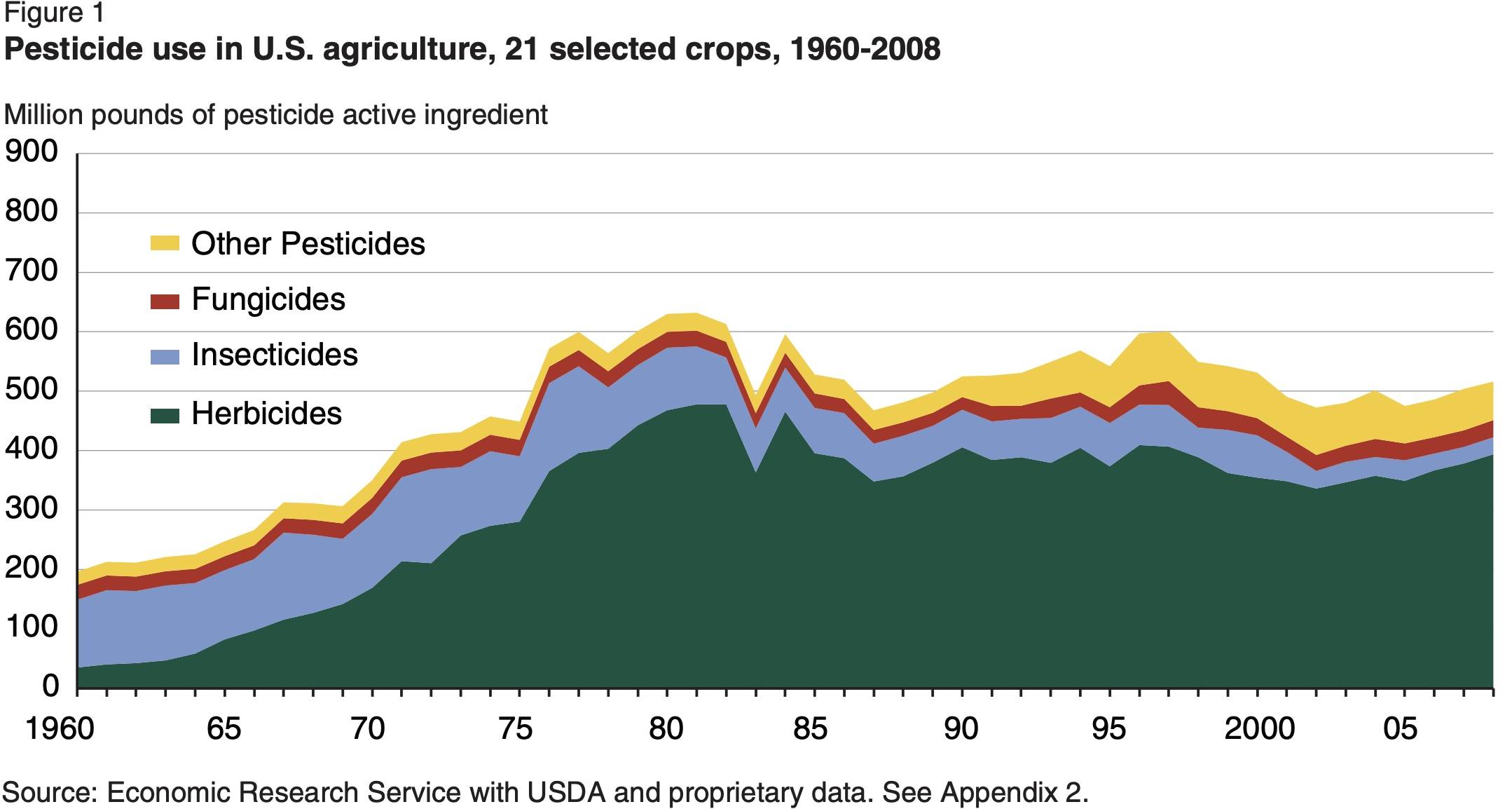
| Herbicides | Undesired vegetation | Inhibit photosynthesis or enzyme growth |
| Fungicides | Mold, mildew, and rust | Disrupt fungal respiration or cell membranes |
| Rodenticides | Rats, mice, and rodents | Anticoagulants or toxic ingestion |
| Molluscicides | Snails and slugs | Dehydration or neurotoxic interference |
Assessing Risks and Exposure Pathways
Risk is defined as a combination of toxicity and exposure. Even a pesticide with low acute toxicity can pose a health risk if the exposure level is high or prolonged. Exposure typically occurs through three pathways: dermal (skin contact), inhalation (breathing vapors or dust), and ingestion (accidental swallowing).
The most vulnerable populations—children, the elderly, and pregnant individuals—often face higher risks from exposure. Safety protocols must account for drift, where the product moves off-target due to wind, and leaching, where chemicals move through the soil profile into groundwater. Before application, verify weather conditions and soil porosity to ensure the product stays where it is intended.
Integrated Pest Management (IPM)
Rather than relying solely on chemical intervention, experts advocate for Integrated Pest Management (IPM). IPM is a systematic approach that focuses on long-term prevention of pests through a combination of techniques:
- Cultural Control: Adjusting irrigation, pruning, or crop rotation to make the environment less favorable to pests.
- Physical/Mechanical Control: Using traps, barriers, or hand-picking to physically exclude or remove pests.
- Biological Control: Introducing or conserving natural enemies, such as predatory insects or birds, to suppress pest populations.
- Chemical Control: Using the most selective, least toxic pesticide only when other methods fail to keep the pest population below an economic threshold.
Frequently Asked Questions
What should I do if a pesticide spill occurs? In the event of a spill, immediately isolate the area to prevent further spread. If the spill is large, contact local emergency services or the state's lead pesticide regulatory agency. For smaller spills, use absorbent materials like sand or cat litter to contain the product, then place it in a leak-proof container for hazardous waste disposal. Never wash pesticides into storm drains.
How do I safely dispose of empty pesticide containers? Empty containers should be triple-rinsed, with the rinse water used as part of the original application mix. Once rinsed, they should be punctured to prevent reuse and disposed of according to local municipal guidelines. Some jurisdictions have specific pesticide collection days for empty containers; check your regional waste authority's 2026 guidelines.
Are organic pesticides safer than synthetic ones? Not necessarily. The term "organic" refers to the origin of the product, not its toxicity. Many naturally derived pesticides, such as nicotine or certain heavy metals, can be highly toxic to humans and the environment. Always read the safety warnings on any product, regardless of its certification status.
How can I protect pollinators from pesticide applications? Avoid spraying during the times of day when bees are most active, typically mid-morning through late afternoon. If an application is necessary, choose products with low residual toxicity for bees and avoid applying them when plants are in bloom.
Where can I find the toxicity rating of a specific product? The EPA requires a signal word on every pesticide label. "Caution" indicates the lowest level of toxicity, "Warning" indicates moderate toxicity, and "Danger" indicates high toxicity or corrosivity. For detailed chemical profiles, consult the Safety Data Sheet (SDS) provided by the manufacturer.
Best Practices for Final Action
Before purchasing or applying any pesticide, follow this checklist to ensure safety and compliance:
- Identify the Pest: Ensure the pest is correctly identified, as misidentification leads to ineffective use of chemicals.
- Evaluate Alternatives: Confirm that the problem cannot be managed through sanitation or mechanical means first.
- Review the Label: Read the entire label—including the "Directions for Use" section—before handling the product.
- Verify Regulations: Ensure the product is registered for use in your specific location and for your specific crop or structural site.
- Select PPE: Purchase and wear the exact gear specified on the label; do not substitute with items you believe are "close enough."
If you are dealing with a large-scale issue or feel uncomfortable managing the application yourself, contact a professional, licensed pest control operator who possesses the proper insurance and state certifications to handle the job safely and legally.
Image Gallery