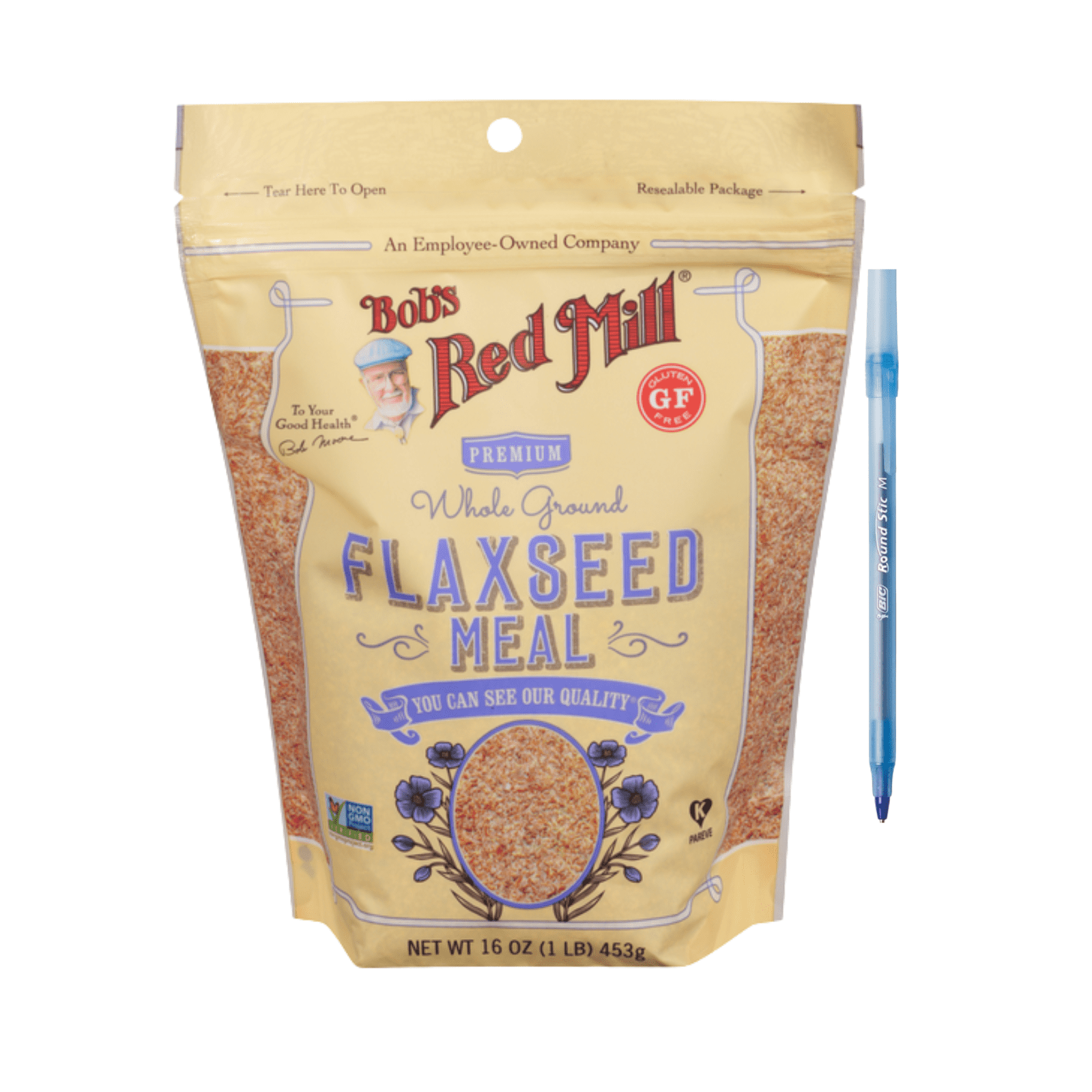
Is Baking With Flaxseed Meal Worth It? A Technical Analysis for Home Bakers
Baking with flaxseed meal is a highly effective, cost-efficient, and nutritionally dense practice that serves two primary purposes: acting as a vegan binder in egg-free recipes and increasing the dietary fiber and omega-3 fatty acid co...
Baking with flaxseed meal is a highly effective, cost-efficient, and nutritionally dense practice that serves two primary purposes: acting as a vegan binder in egg-free recipes and increasing the dietary fiber and omega-3 fatty acid content of baked goods. Its worth depends on whether you seek functional baking performance, nutritional enhancement, or a cost-effective egg substitute.
Contents
Understanding Flaxseed Meal in Modern Baking
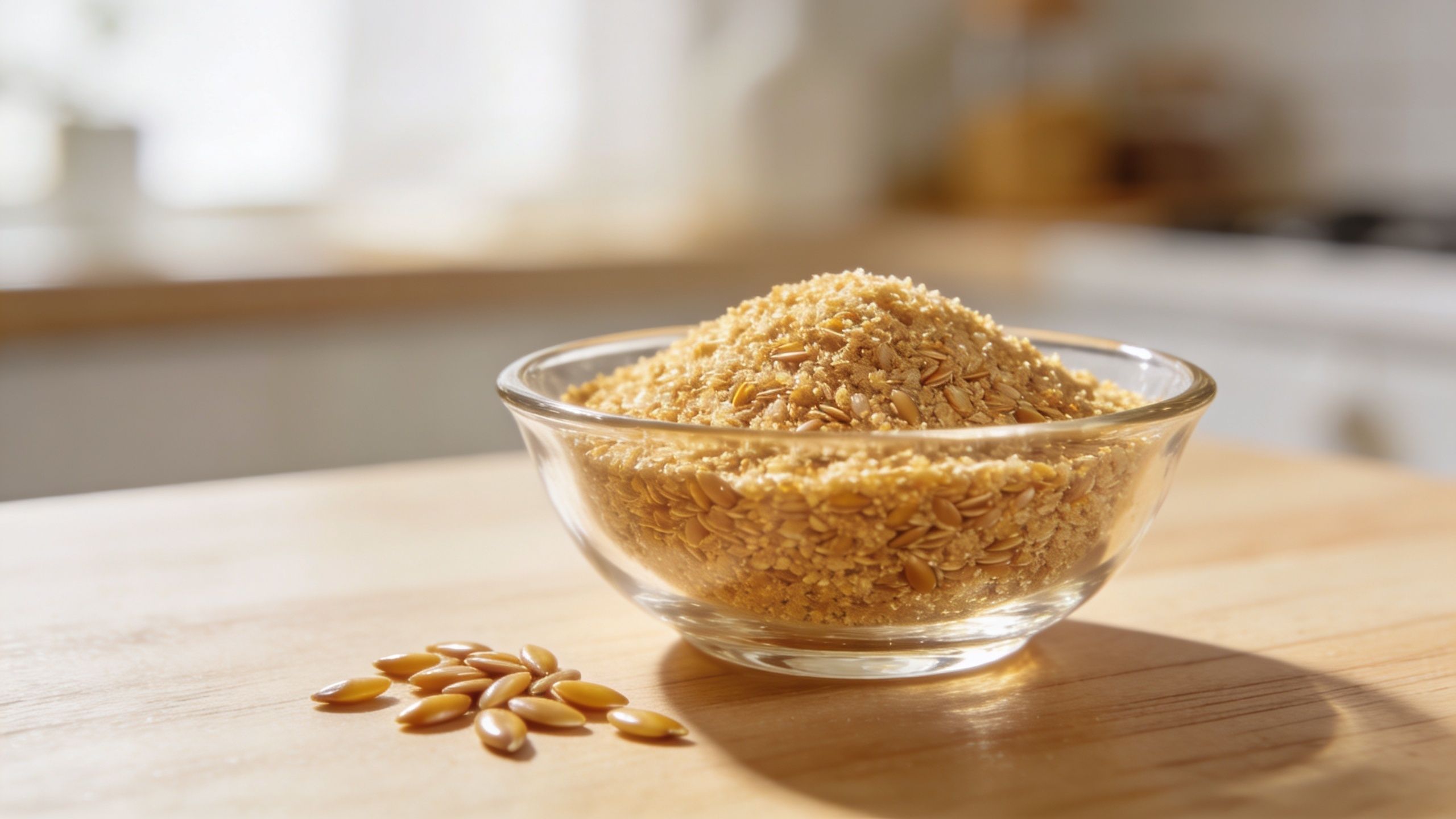
Flaxseed meal, derived from ground Linum usitatissimum seeds, functions as a hydrocolloid when hydrated. When combined with water—typically in a 1:3 ratio—the mucilaginous coating of the seed creates a viscous, gel-like substance commonly referred to as a "flax egg." This substance mimics the binding properties of poultry eggs by trapping moisture and providing structural cohesion in batters and doughs.
For the home baker in 2026, the utility of flaxseed meal has moved beyond simple dietary restriction compliance. It is now widely utilized in industrial and home kitchens alike for its ability to modify the texture of gluten-free baked goods, which often struggle with structural integrity.
The Functional Performance: How It Works
The efficacy of flaxseed meal lies in its high soluble fiber content. When exposed to liquid, the outer layer of the flaxseed releases polysaccharides that contribute to increased viscosity. In the context of a muffin, pancake, or cookie recipe, this gel helps hold crumbs together, preventing them from falling apart—a common failure point in vegan or gluten-free baking.
However, it is important to distinguish between "binding" and "leavening." Flaxseed meal is an exceptional binder, but it does not possess the same leavening capabilities as eggs. Eggs contribute aeration through protein coagulation and leavening agents trapped in their structure; flaxseed does not provide this lift. Consequently, when replacing eggs with a flax egg, bakers often need to increase the amount of chemical leaveners like baking powder or baking soda to compensate for the lack of egg-derived aeration.
Nutritional Profile and Health Considerations
Beyond its mechanical function, flaxseed meal is a recognized source of alpha-linolenic acid (ALA), a type of plant-based omega-3 fatty acid. It is also a significant source of lignans and dietary fiber. Incorporating flaxseed meal into daily bread or muffin recipes is a practical way to bolster the nutrient density of snacks.
While the nutritional benefits are substantial, they are not without limitations:
- Bioavailability: Whole flaxseeds are resistant to digestion. Grinding them into meal (or flour) is essential to ensure the body can access the fatty acids and nutrients contained within the seed.
- Oxidation: Because flaxseed meal is high in polyunsaturated fats, it is prone to rancidity. Exposure to air, light, and heat accelerates this process. In 2026, storage guidelines remain consistent: airtight containers kept in the refrigerator or freezer are recommended to preserve the integrity of the fatty acids.
- Digestive Impact: The high fiber content can be a shock to digestive systems if not balanced with adequate water intake.
Comparative Analysis: Flaxseed Meal vs. Alternatives
Bakers often face the choice between flaxseed meal, chia seeds, and commercial egg replacers. The following table compares their performance and characteristics for standard baking applications.
| Feature | Flaxseed Meal | Chia Seeds | Commercial Replacers |
|---|---|---|---|
| Binding Strength | High | Very High | High |
| Flavor Profile | Nutty/Earthy | Neutral | Neutral |
| Texture Impact | Dense/Moist | Slightly Crunchy | Light/Aerated |
| Cost Efficiency | High | Low | Moderate |
| Best Use Case | Muffins, Breads | Puddings, Cookies | Cakes, Light Pastries |
Practical Implementation: The "Flax Egg" Method
If you have decided that flaxseed meal is worth integrating into your routine, the execution requires precision to achieve consistent results.
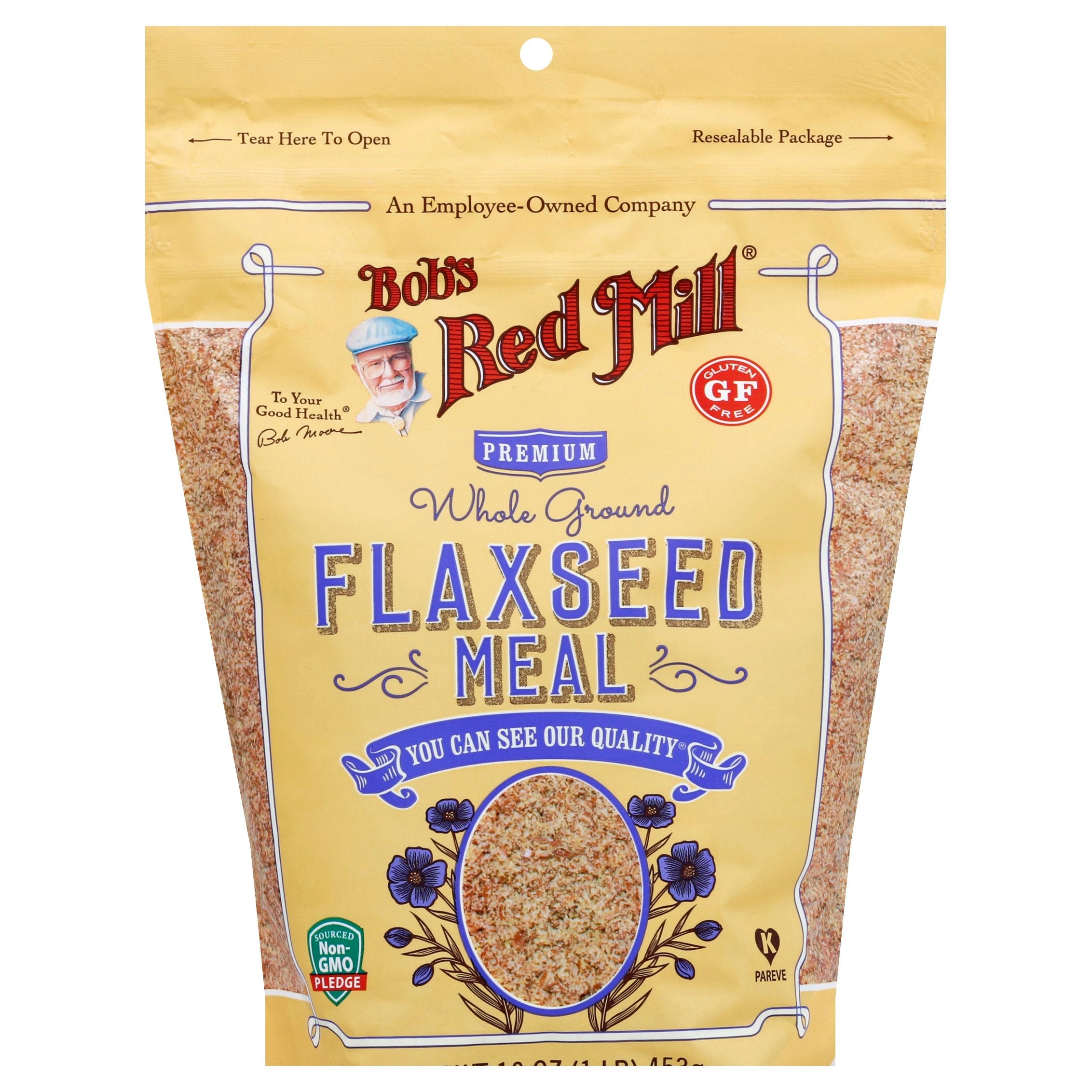
- Selection: Use golden or brown flaxseed meal. Golden flax has a slightly milder flavor, making it preferable for delicate vanilla-based recipes, whereas brown flax is suitable for heartier, whole-grain breads.
- Ratio: Combine 1 tablespoon of ground flaxseed meal with 3 tablespoons of room-temperature water.
- Hydration: Stir the mixture thoroughly. A common error is failing to let the mixture rest. You must allow the flax egg to sit for 5 to 10 minutes to reach peak viscosity.
- Substitution Limits: Do not attempt to replace more than 2-3 eggs in a recipe using this method. If a recipe requires significant egg structure (like a sponge cake or soufflé), flaxseed meal will not provide the necessary lift, regardless of the quantity used.
Common Mistakes and Troubleshooting
The most frequent issue encountered when switching to flaxseed meal is an overly dense or "gummy" result. This is often the result of using too much meal or failing to account for the additional time required for the gel to hydrate.
- Dull Flavor: If you find the nutty flavor too strong, try pairing flaxseed meal with stronger flavors like cinnamon, cocoa, or dark chocolate, which mask the earthiness.
- Lack of Lift: If your baked goods turn out like "bricks," combine the flax egg with a small amount of apple cider vinegar and extra baking powder to assist with leavening.
- Texture Mismatch: Ensure your flax is ground into a fine meal. Coarse ground seeds will add an unwanted gritty texture to delicate cookies or light muffins.
Economic Viability
Is it worth the expense? In terms of unit cost, flaxseed meal is significantly cheaper than conventional eggs in many regions as of 2026. Because a single "flax egg" costs a fraction of a grocery-store egg, it serves as a cost-saving measure for high-volume home baking. If you are baking strictly for nutrition, the cost is justified by the reduced need for supplemental fiber powders or synthetic omega-3 additives.
Frequently Asked Questions
Can I use whole flaxseeds instead of meal? No. Whole seeds will pass through the digestive system undigested, and they will not form the necessary gel to bind your ingredients. You must use ground flaxseed or process whole seeds into a powder yourself.
Does flaxseed meal expire? Yes. Because of its high oil content, it goes rancid quickly. If your flaxseed meal smells metallic or bitter, it has oxidized and should be discarded. Store it in the freezer to extend its shelf life by up to 6–12 months.
Is it safe for everyone to consume? Generally, yes. However, those with specific hormonal health concerns or those on blood-thinning medication should consult with a medical professional regarding the intake of flaxseeds, as they contain compounds that may interact with certain treatments.
Can I substitute flaxseed meal for flour in a recipe? Generally no. Flaxseed meal lacks gluten and does not behave like traditional wheat flour. It is intended as an additive or an egg replacement, not a primary base for baked goods.
Does it change the color of the final product? Yes, slightly. Using brown flaxseed meal will impart a darker, speckled appearance to your food. If you are baking light-colored goods, choose golden flaxseed meal to maintain a cleaner aesthetic.
Conclusion and Next Steps
Baking with flaxseed meal is well worth the effort for those seeking to reduce their reliance on eggs, increase dietary fiber, or experiment with plant-based textures. To start, replace only one egg in a trusted recipe to see how your specific flour blend reacts. If the texture holds, you can proceed with further substitutions. For the best results, always grind your own seeds fresh if possible, as this ensures the highest oil quality and freshest flavor profile for your baked goods.
Image Gallery