MTA Bus Pedestrian Collisions: Understanding Safety Risks, Legal Rights, and Prevention
When a pedestrian is struck by a Metropolitan Transportation Authority (MTA) bus, the consequences are almost always catastrophic due to the massive size and weight of the vehicle. These tragic collisions immediately trigger complex le...
When a pedestrian is struck by a Metropolitan Transportation Authority (MTA) bus, the consequences are almost always catastrophic due to the massive size and weight of the vehicle. These tragic collisions immediately trigger complex legal proceedings, intensive safety investigations, and a search for accountability. Victims and their families must navigate stringent municipal notice requirements, no-fault insurance complexities, and the challenge of proving negligence against a powerful government entity.
Contents
The Reality of MTA Bus Collisions in 2026
Despite decades of safety initiatives under the Vision Zero framework, collisions between MTA buses and pedestrians continue to occur in the dense urban environment of New York City and its surrounding areas. As of 2026, the MTA operates one of the largest bus fleets in the world, moving millions of passengers daily. However, the sheer volume of traffic, the pressure of maintaining schedules, and the physical limitations of large transit vehicles create a high-risk environment for those on foot.
When a tragic collision occurs, it is rarely the result of a single factor. Usually, it is a confluence of environmental conditions, mechanical limitations, and human error. For the pedestrian, the impact of a vehicle weighing upwards of 30,000 pounds—even at low speeds—often results in traumatic brain injuries, spinal cord damage, or fatalities.
The Problem of Bus Blind Spots
One of the primary technical challenges in bus safety is the "blind spot" phenomenon. Large buses have significant visibility gaps, particularly on the left side during a turn. The "A-pillar" (the structural support between the windshield and the side window) can completely obscure a pedestrian in a crosswalk from the driver’s view for several seconds. Despite the introduction of newer bus models with thinner pillars and expanded mirror systems, these "blind zones" remain a leading cause of intersection accidents.
Immediate Steps Following an MTA Bus Accident
The moments following a collision are chaotic, but the actions taken by the victim or their representatives are legally decisive. Because the MTA is a public benefit corporation, the rules for seeking compensation differ significantly from a standard car accident between private citizens.
1. Prioritize Medical Documentation
In 2026, medical records remain the bedrock of any injury claim. Even if a pedestrian feels "fine" immediately after the impact, internal injuries or delayed-onset trauma (such as a concussion) can be life-threatening. From a legal perspective, a gap in treatment is the most common reason the MTA’s legal department will deny or devalue a claim.
2. The Police Report and the "Right of Way" Law
Under New York City’s Administrative Code Section 19-190 (the Right of Way Law), it is a misdemeanor for a driver to strike a pedestrian who has the right of way. Ensuring that the responding officers document the pedestrian’s position in the crosswalk and the status of the traffic signal is essential.
3. Identify the Bus and Driver
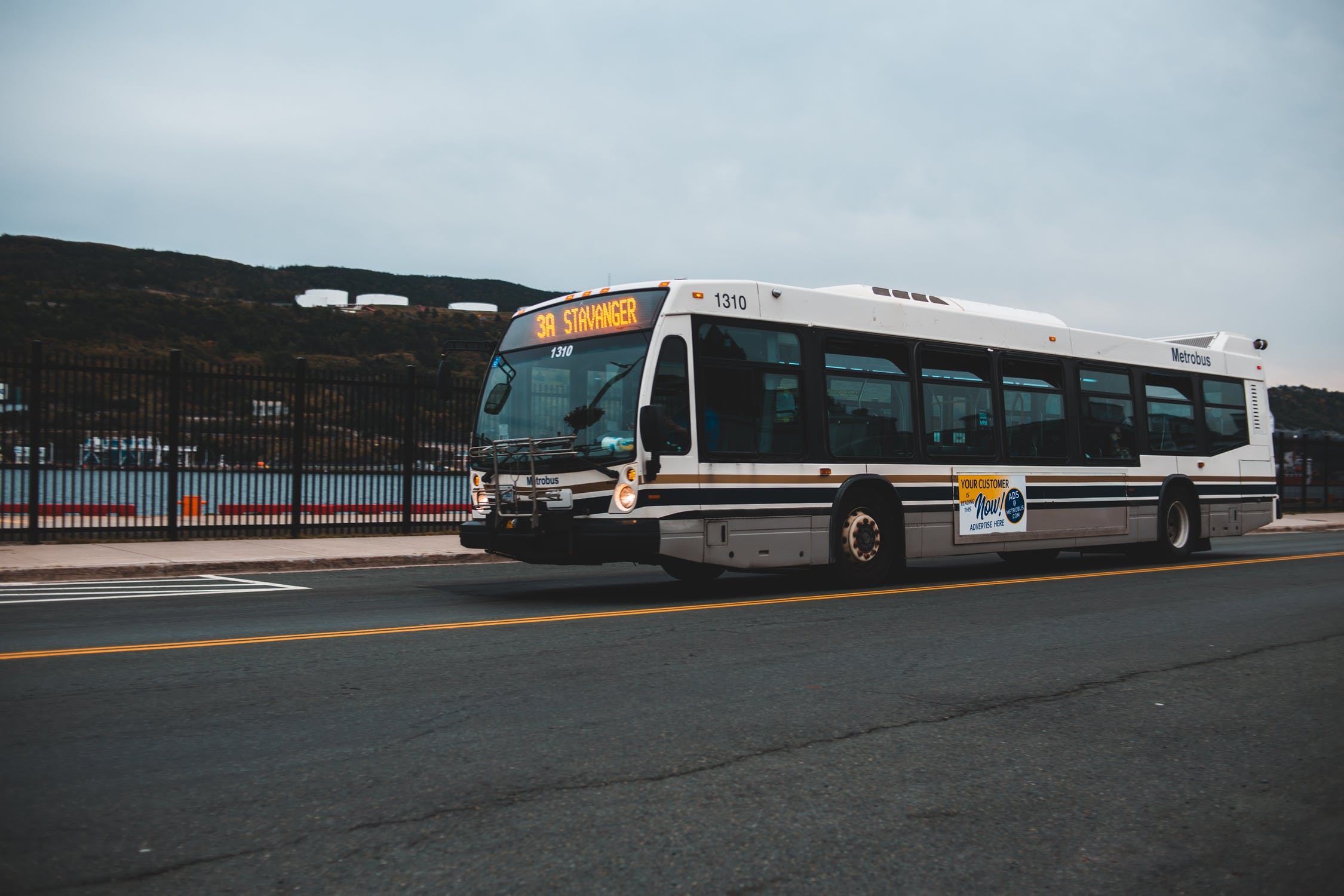
Unlike private vehicles, MTA buses are identified by a specific four-digit fleet number (usually found on the front, back, and sides). Recording this number, along with the route (e.g., M15, Bx12) and the time of the accident, is critical for retrieving the bus’s "black box" data and internal camera footage.
The Legal Framework: Suing the MTA in 2026
Taking legal action against the MTA is not the same as suing a private driver. Because the MTA is a government-affiliated entity, it is protected by specific statutes that limit how and when a victim can file a lawsuit.
The 90-Day Notice of Claim
The most significant hurdle is the Notice of Claim. Under New York General Municipal Law § 50-e, a victim must file a formal Notice of Claim with the MTA within 90 days of the accident. This document alerts the agency of the intent to sue and provides them with the opportunity to investigate. If this deadline is missed, the right to recover any compensation is generally forfeited forever, regardless of how clear the driver’s fault may be.
Statute of Limitations
Once the Notice of Claim is filed, the victim must wait at least 30 days before filing a summons and complaint. In 2026, the statute of limitations for personal injury against the MTA is generally one year and 90 days from the date of the accident. This is significantly shorter than the three-year limit for typical personal injury cases in New York.
The 50-h Hearing
After filing the Notice of Claim, the MTA has the right to conduct a "50-h hearing." This is a sworn testimony session where the MTA’s attorneys question the victim about the accident and their injuries. This is a critical stage where many cases are either bolstered or undermined based on the victim’s consistency and preparation.
Insurance and Compensation: The "No-Fault" Complexity
New York is a "No-Fault" insurance state. While this sounds straightforward, its application to pedestrians hit by buses is often misunderstood.
| Feature | Description for Pedestrian-MTA Collisions |
|---|---|
| Primary Coverage | The MTA’s No-Fault insurance (PIP) typically covers the pedestrian's initial medical bills and lost wages. |
| Benefit Limit | Generally up to $50,000 for basic economic loss, though this can be exhausted quickly in severe cases. |
| Filing Deadline | No-Fault applications must typically be filed within 30 days of the accident. |
| Pain and Suffering | To sue for non-economic damages, the pedestrian must meet the "Serious Injury" threshold defined by NY Insurance Law § 5102(d). |
| Comparative Fault | Compensation is reduced by the percentage the pedestrian is found to be at fault (e.g., jaywalking). |
The "Serious Injury" Threshold
To move beyond basic medical coverage and sue for "pain and suffering," the pedestrian must prove they suffered a serious injury. This includes:
- Dismemberment or significant disfigurement.
- A fracture.
- Loss of a fetus.
- Permanent loss of use of a body organ, member, function, or system.
- A non-permanent injury that prevents the victim from performing their usual daily activities for at least 90 of the 180 days following the accident.
Safety Questions Raised by Tragic Collisions
Every fatal or near-fatal collision raises systemic questions about the MTA's operational safety. In 2026, the focus has shifted toward technological interventions and driver wellness.
Pedestrian Warning Systems (PEDS)
The MTA has been retrofitting its fleet with external audible alerts. When a bus makes a turn, an external speaker broadcasts a warning: "Pedestrians, bus is turning." Investigations into recent accidents often examine whether these systems were functioning at the time of the impact.
Collision Avoidance Technology
Modern buses are increasingly equipped with sensors that utilize LIDAR and AI-driven cameras to detect pedestrians in blind spots. These systems provide haptic feedback (vibrating seats) or visual alerts to the driver. When a collision occurs, safety advocates often ask why these technologies failed to prevent the tragedy or why they haven't been mandated across the entire fleet.
Driver Fatigue and Scheduling
The MTA's "split-shift" scheduling and overtime demands are frequently cited in safety audits. A driver operating a 15-ton vehicle at the end of a 12-hour window in heavy traffic faces cognitive fatigue that significantly slows reaction times. Tragic collisions often lead to inquiries into the driver's recent work history and the MTA's compliance with rest requirements.
Investigating the Cause: Who Is At Fault?
Determining liability in an MTA bus accident requires a deep dive into the evidence. The MTA often employs a "deny and defend" strategy, frequently pointing to pedestrian behavior to mitigate their financial exposure.
- Bus On-Board Video: Most MTA buses are equipped with multiple cameras (front-facing, interior, and side-view). This footage is the most vital evidence but must be preserved immediately via a "spoliation letter" from an attorney, as the data is often overwritten within days.
- Telematics (The Black Box): Digital recorders capture the bus's speed, braking patterns, and turn signal usage. If a bus was accelerating into a turn where a pedestrian was present, the telematics will prove it.
- The "Turn" Rule: Bus drivers are trained to perform "square turns" to maximize visibility. If a driver "cut the corner," they are often found negligent for the resulting collision.
The Role of Pedestrian Contributory Negligence
In New York, the doctrine of pure comparative negligence applies. This means a pedestrian can still recover damages even if they were partially at fault (for example, if they were looking at a smartphone or crossing against a "Don't Walk" sign).
However, the total compensation is reduced by the percentage of fault assigned to the pedestrian. If a jury determines the pedestrian was 30% at fault and the damages are $1,000,000, the victim receives $700,000. The MTA aggressively pursues this defense in almost every pedestrian collision case to lower their settlement costs.
Frequently Asked Questions
What happens if the MTA bus driver leaves the scene?
A hit-and-run involving a public transit vehicle is rare but serious. If the driver is unaware of the impact (which can happen due to the bus's size), the MTA is still liable for the damages. If the driver knowingly leaves, it becomes a criminal matter, but your civil claim for damages remains focused on the MTA’s negligence.
Can I sue if I was hit by a bus while jaywalking?
Yes. Under New York’s comparative negligence laws, jaywalking does not automatically bar you from recovery. The driver still has a duty to exercise "due care" to avoid hitting any pedestrian, regardless of whether they are in a crosswalk. The driver's failure to see what was there to be seen is often considered negligence.
How much is an MTA bus accident settlement worth?
There is no "average" settlement, as values depend on the severity of the injury, the clarity of fault, and the available insurance. However, because the MTA is self-insured and has significant assets, settlements for "serious injuries" (like fractures or surgeries) often range from the high six figures into the millions.
How long does it take to settle a claim against the MTA?
Because the MTA is a large bureaucracy, claims rarely settle quickly. From the time of the accident through the 50-h hearing, discovery, and trial prep, it is common for cases to take two to four years to reach a resolution or go to a jury verdict.
Does the MTA cover my lost wages?
Yes, under No-Fault insurance, the MTA is responsible for paying 80% of your lost wages, up to a maximum of $2,000 per month (unless you have additional coverage). If your losses exceed this amount, you must sue for the remainder as part of your personal injury lawsuit.
Moving Forward After a Collision
If you are dealing with the aftermath of an MTA bus hitting a pedestrian, the most critical "next action" is to secure legal counsel familiar with the New York City Transit Authority (NYCTA) and the specific requirements of the General Municipal Law.
Disclaimer: The information provided in this article is for educational purposes only and does not constitute legal advice. Laws governing municipal liability and insurance are subject to change. Always consult with a qualified attorney regarding the specifics of your case.
The 90-day window for filing a Notice of Claim is the most unforgiving deadline in New York law. Prompt action is not just recommended; it is a prerequisite for justice. As safety technology and transit policies continue to evolve in 2026, the goal remains a transit system that prioritizes the lives of the most vulnerable road users: the pedestrians.
Image Gallery