Understanding Finance Divisions Within Corporations
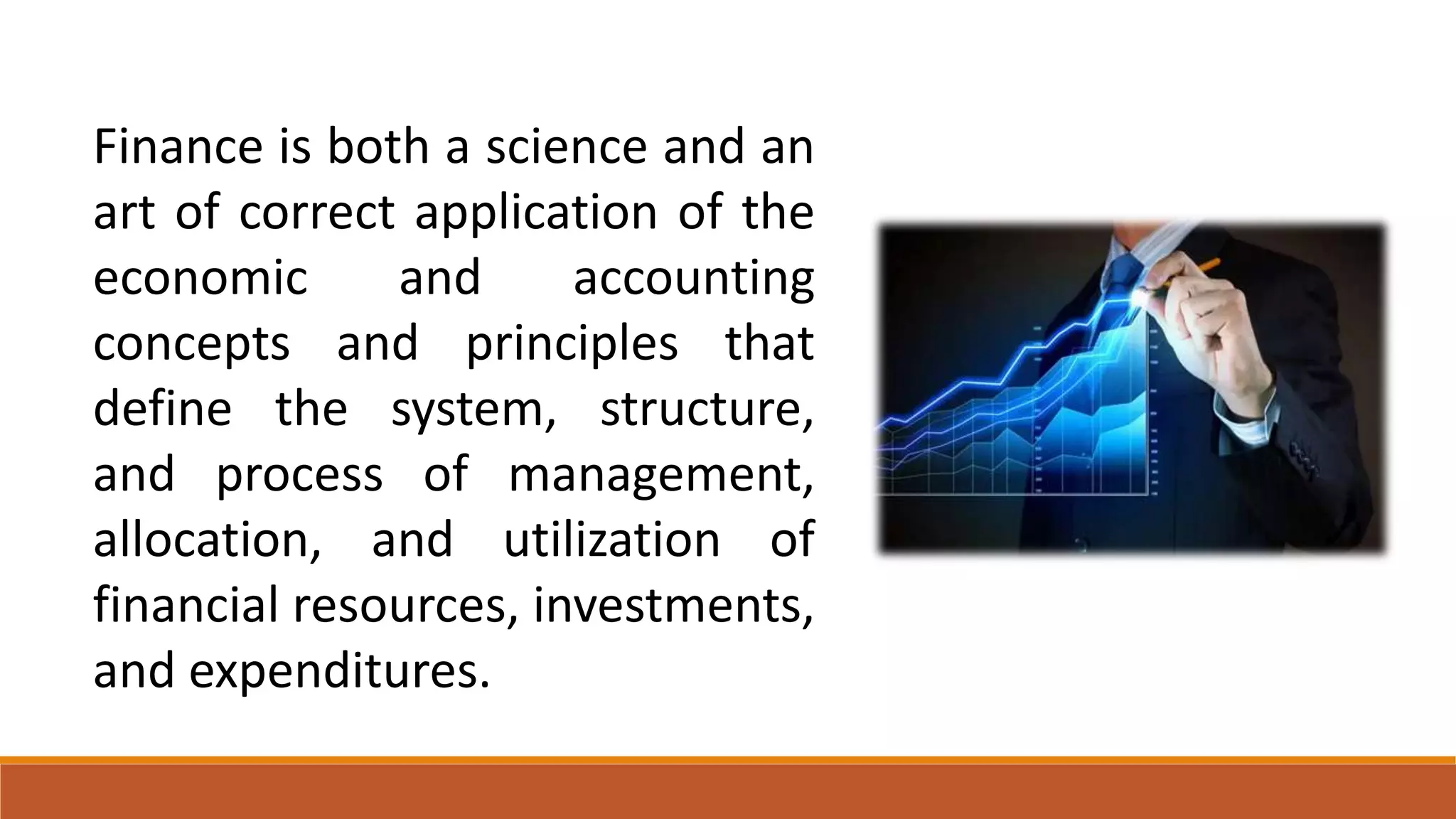
A corporate finance division functions as the financial engine of an organization, overseeing capital allocation, risk management, financial reporting, and strategic planning to ensure long-term solvency and value creation for stakehol...
A corporate finance division functions as the financial engine of an organization, overseeing capital allocation, risk management, financial reporting, and strategic planning to ensure long-term solvency and value creation for stakeholders.
Contents
Modern corporations rely on complex organizational structures to navigate global markets, regulatory frameworks, and economic uncertainties. At the heart of these enterprises sits the corporate finance division, a vital administrative body responsible for steering fiscal policy, monitoring cash flows, and guiding executive decision-making. Far more than a simple bookkeeping department, the modern finance division acts as a strategic partner to the chief executive officer and the board of directors, balancing the imperatives of growth, liquidity, and risk containment. Understanding how these divisions are structured, what functions they perform, and how they interact with other corporate units is essential for business leaders, investors, and professionals operating in today's complex commercial landscape.
The Evolution and Strategic Role of Corporate Finance
Historically, corporate finance units functioned primarily as accounting back-offices. Their responsibilities were largely retrospective: recording transactions, balancing ledgers, paying invoices, and filing mandatory tax documents. While compliance and record-keeping remain foundational, the scope of the modern finance division has expanded dramatically.
Today, corporate finance is predominantly forward-looking. Globalization, volatile capital markets, rapid technological disruption, and stringent regulatory environments require financial teams to act as strategic navigators. The modern division does not just report what happened in the previous quarter; it models future scenarios, assesses capital investments, structures mergers and acquisitions, and optimizes tax strategies on a global scale.
This evolution has elevated the standing of the finance team within the corporate hierarchy. The Chief Financial Officer (CFO) is routinely involved in shaping overall business strategy, communicating with institutional investors, and managing relationships with commercial banks, rating agencies, and regulatory bodies. Consequently, the finance division bridges the gap between raw operational data and high-level executive strategy.
Core Structural Components of a Finance Division
While corporate structures vary significantly depending on industry, size, and geographic footprint, most large enterprises organize their finance divisions into several distinct yet interconnected functional pillars. Each pillar addresses a specific dimension of financial stewardship.
Financial Planning and Analysis (FP&A)
The Financial Planning and Analysis team serves as the analytical engine of the corporation. FP&A professionals are responsible for budgeting, forecasting, and variance analysis. They collaborate with operational business units to develop annual operating budgets and multi-year strategic plans.
- Budgeting and Forecasting: Translating corporate strategy into quantitative financial targets, tracking performance against those targets throughout the fiscal year, and adjusting forecasts when macroeconomic conditions shift.
- Performance Measurement: Analyzing key performance indicators (KPIs), such as return on invested capital (ROIC), earnings before interest, taxes, depreciation, and amortization (EBITDA), and unit economics.
- Business Partnering: Advising operational leaders on the financial implications of hiring plans, marketing campaigns, product launches, and operational expansions.
Treasury Operations
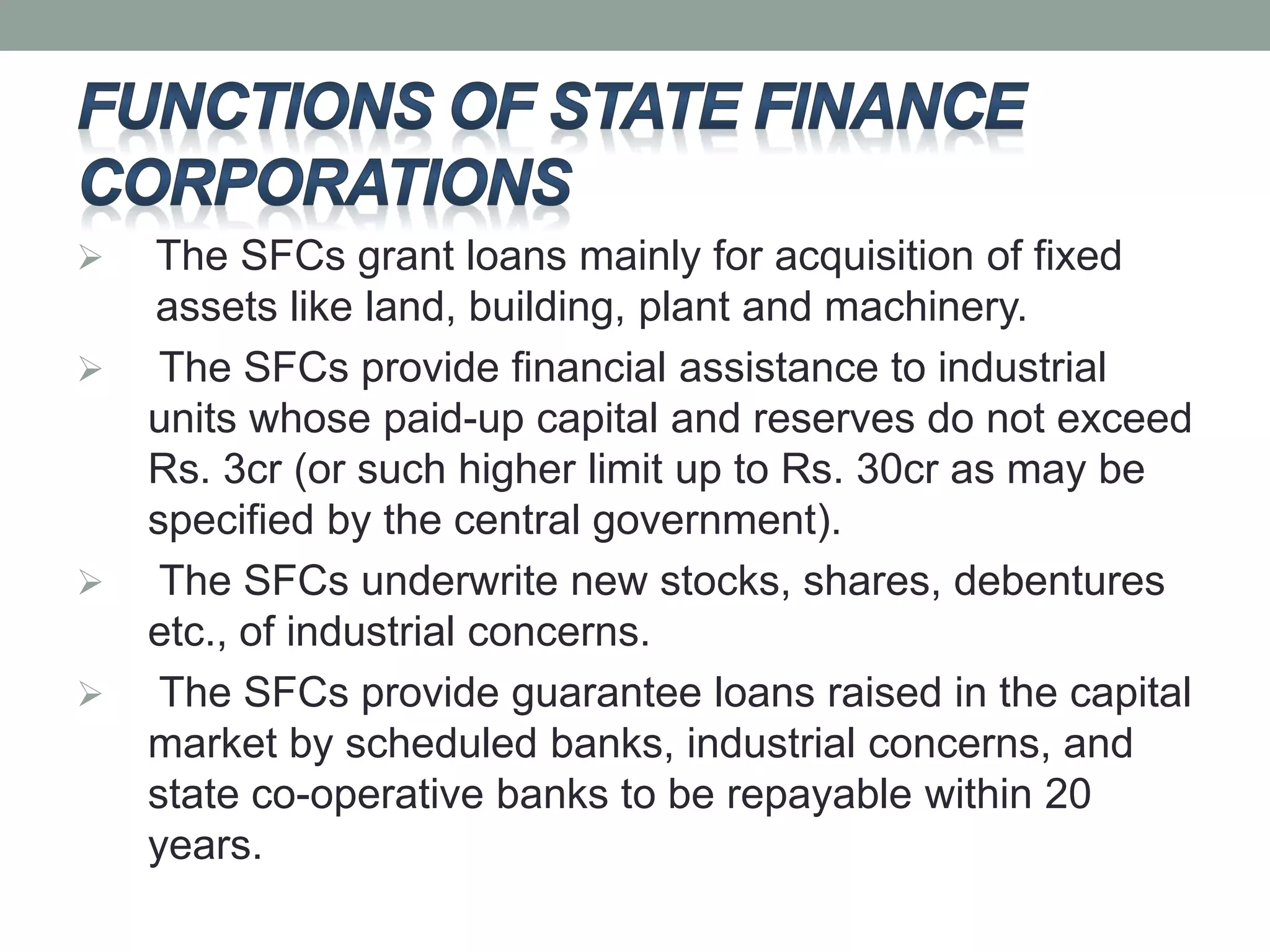
The treasury department manages the corporation’s liquidity, cash flow, and financial risks. While FP&A looks at planning and profitability, treasury focuses on the physical movement and safety of money.
- Cash Management: Ensuring that sufficient liquidity is available to meet daily operational obligations while optimizing the yield on short-term cash surpluses through money market instruments or commercial paper.
- Capital Structure and Funding: Raising capital through debt issuance (corporate bonds, bank loans) or equity offerings, and managing relationships with commercial lenders and investment banks.
- Risk Management: Hedging against foreign exchange volatility, interest rate fluctuations, and commodity price risks using financial derivatives such as swaps, forwards, and options.
Corporate Accounting and Controller’s Group
The controller’s office is responsible for maintaining the integrity of the general ledger, ensuring accurate bookkeeping, and producing financial statements in accordance with relevant accounting standards, such as Generally Accepted Accounting Principles (GAAP) or International Financial Reporting Standards (IFRS).
- Financial Reporting: Preparing monthly, quarterly, and annual financial reports, including the balance sheet, income statement, and statement of cash flows.
- Internal Controls: Designing, implementing, and monitoring internal control frameworks (such as those mandated by the Sarbanes-Oxley Act in the United States) to prevent fraud, errors, and misstatements.
- Tax Compliance: Managing corporate tax liabilities, filing federal, state, and international tax returns, and ensuring compliance with shifting tax legislation.
Investor Relations and Corporate Development
Larger corporations often include specialized units within or closely aligned with the finance division to manage external stakeholders and inorganic growth.
- Investor Relations (IR): Acting as the primary conduit between the corporation, institutional investors, and equity research analysts. IR manages earnings calls, annual shareholder meetings, and public financial disclosures.
- Corporate Development: Managing mergers, acquisitions (M&A), divestitures, and strategic joint ventures. This team performs valuation modeling, due diligence, and deal structuring to expand the company's market footprint.
Functional Comparison of Corporate Finance Sub-Divisions
| Sub-Division | Primary Focus | Key Responsibilities | Primary Stakeholders |
|---|---|---|---|
| FP&A | Future planning and profitability | Budgeting, forecasting, variance analysis, strategic modeling | Executive leadership, operational heads |
| Treasury | Liquidity and risk management | Cash management, debt issuance, FX/interest rate hedging, banking relationships | Banks, creditors, executive leadership |
| Accounting / Controller | Historical reporting and compliance | General ledger, financial statements, internal controls, tax filings | Auditors, regulators, shareholders, tax authorities |
| Investor Relations | External communication | Earnings releases, institutional investor outreach, market messaging | Shareholders, equity analysts, financial media |
| Corporate Development | Inorganic growth and strategy | M&A due diligence, valuation modeling, joint venture structuring | Board of directors, target companies, investment bankers |
Interaction with Other Corporate Functions and Governance
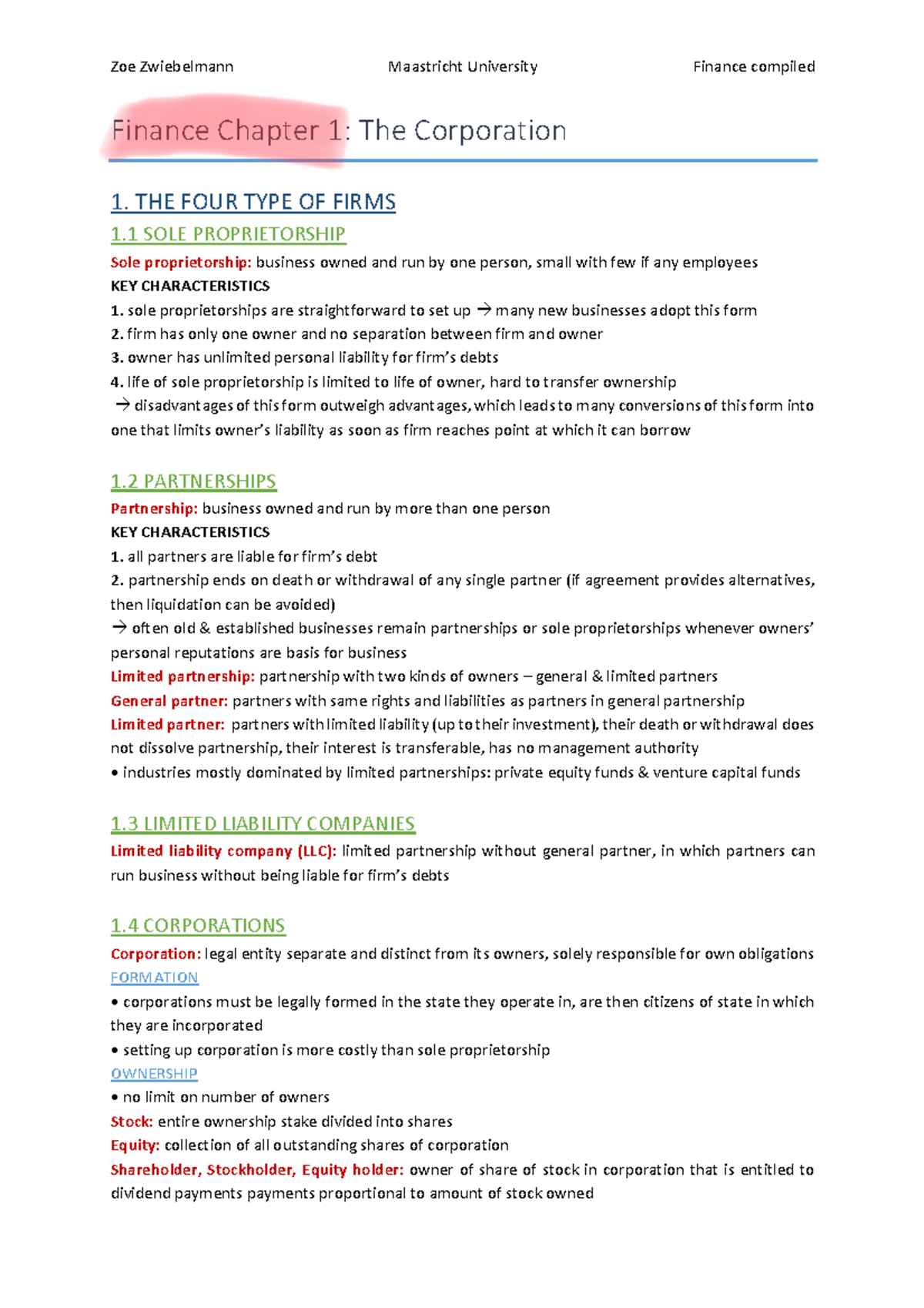
A finance division does not operate in a vacuum. Its effectiveness depends on seamless collaboration with nearly every other department within the enterprise, alongside rigorous adherence to corporate governance standards.
Human resources relies on finance for payroll budgeting, headcount planning, and the administration of employee compensation and benefit structures. Sales and marketing work closely with FP&A to establish pricing models, evaluate customer acquisition costs, and measure campaign return on investment. Meanwhile, legal and compliance teams coordinate with the controller's office and treasury to ensure that all financial transactions adhere to local and international laws, anti-money laundering regulations, and trade sanctions.
From a governance perspective, the finance division operates under the direct oversight of the Audit Committee of the Board of Directors. Independent external auditors regularly review the accounting practices and financial statements produced by the controller’s group to provide assurance to the public markets. This system of checks and balances ensures transparency, accountability, and market confidence.
Technological Transformation in Corporate Finance
The operational landscape of corporate finance has undergone a profound transformation driven by advancements in enterprise resource planning (ERP) software, cloud computing, and automated data analytics.
Modern corporations increasingly deploy integrated ERP systems—such as SAP, Oracle, or Microsoft Dynamics—to centralize financial data across global subsidiaries. This integration eliminates traditional data silos, enabling real-time financial consolidation and reporting. Furthermore, robotic process automation (RPA) handles repetitive, rule-based tasks such as invoice matching, journal entry posting, and reconciliation, allowing finance professionals to shift their focus from mechanical data entry to high-value strategic analysis.
Predictive analytics and artificial intelligence are also reshaping forecasting models. Instead of relying solely on historical trends and static spreadsheets, finance teams now utilize machine learning algorithms to analyze vast datasets, incorporating macroeconomic indicators, supply chain metrics, and consumer behavior patterns to generate highly accurate predictive cash flow models.
Frequently Asked Questions
What is the main difference between corporate finance and corporate accounting?
Corporate accounting focuses primarily on recording, classifying, and reporting historical financial transactions in compliance with regulatory standards. Corporate finance uses this historical data, combined with forward-looking economic analysis, to make strategic decisions regarding capital allocation, investment, budgeting, and risk management.
Who leads the corporate finance division?
The Chief Financial Officer (CFO) typically leads the corporate finance division. The CFO reports directly to the Chief Executive Officer and serves as a key member of the executive leadership team, participating in high-level strategic planning and corporate governance.
How do FP&A and treasury differ in their day-to-day operations?
FP&A focuses on operational performance, budgeting, and financial modeling to help the company achieve its profitability and growth targets. Treasury focuses on cash management, liquidity, banking relationships, capital raising, and mitigating financial risks such as currency and interest rate fluctuations.
Why are internal controls crucial for a finance division?
Internal controls are systematic policies and procedures designed to ensure the integrity of financial reporting, safeguard corporate assets, promote operational efficiency, and prevent fraud or regulatory non-compliance. They provide reasonable assurance that financial statements are free from material misstatement.
What qualifications are typically required for careers in corporate finance?
Careers in corporate finance generally require a bachelor's degree in finance, accounting, economics, or a related quantitative field. Advanced certifications, such as a Certified Public Accountant (CPA) for accounting roles, Chartered Financial Analyst (CFA) for investment and treasury functions, or a Master of Business Administration (MBA), are frequently preferred for senior leadership positions.
Conclusion and Next Steps
Comprehending the structure and function of corporate finance divisions is essential for navigating the modern business environment. Whether you are an entrepreneur structuring a growing enterprise, an investor evaluating corporate health, or a professional pursuing an executive career path, recognizing the distinct roles of FP&A, treasury, accounting, and corporate development provides critical insight into how organizations allocate resources and generate value. To deepen your practical knowledge, examine a corporation's public annual report (Form 10-K for U.S. publicly traded companies), focusing specifically on the Management's Discussion and Analysis (MD&A) section and the audited financial statements to see these principles applied in practice.
Image Gallery