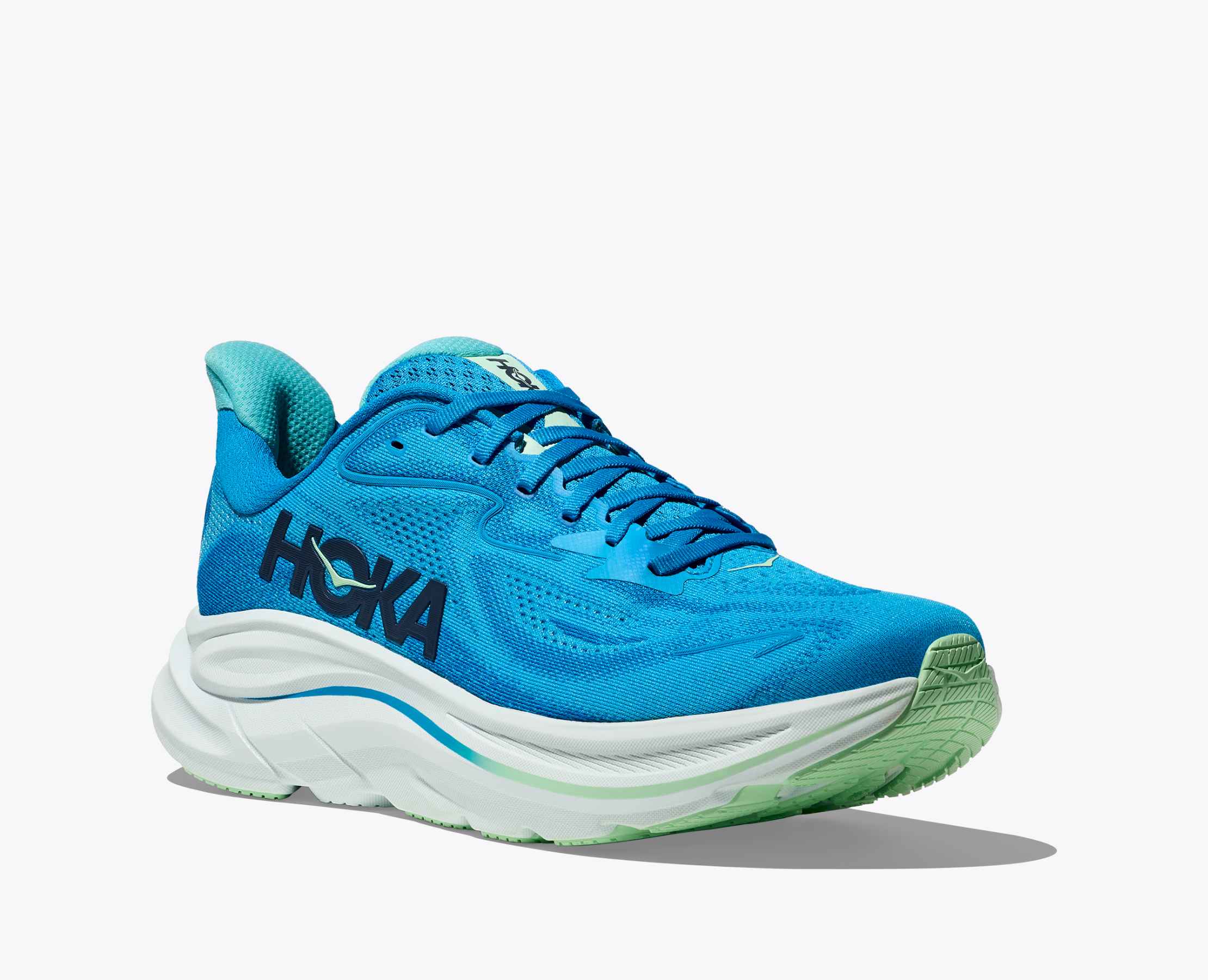
Understanding Hoka Shoes for Pronators: Stability and Motion Control
Hoka shoes for pronators primarily utilize the brand's proprietary J-Frame technology and Active Foot Frame geometry to provide inherent stability. These design features support the foot throughout the gait cycle, helping to reduce the...
Hoka shoes for pronators primarily utilize the brand's proprietary J-Frame technology and Active Foot Frame geometry to provide inherent stability. These design features support the foot throughout the gait cycle, helping to reduce the inward rolling motion—known as overpronation—common in runners and walkers who require extra structural guidance to maintain neutral alignment.
Contents
The Biomechanics of Pronation and Hoka’s Approach
To understand why Hoka shoes are frequently discussed in the context of pronation, one must first recognize that pronation is a natural movement. It is the inward roll of the foot as it impacts the ground, serving as a critical shock absorption mechanism. However, overpronation occurs when the foot rolls inward excessively, often leading to strain on the arches, ankles, and knees.
Traditional footwear manufacturers have historically addressed overpronation by placing a firm, dense piece of foam—known as a medial post—on the inner side of the midsole. Hoka, however, has pivoted toward a more holistic structural approach. Instead of relying solely on hardness, Hoka engineers utilize a "bucket seat" effect. By sinking the foot deep into the midsole rather than sitting it on top, the shoe provides a cradle-like structure. This design, combined with their signature flared midsoles and wide base, creates a platform that feels stable without requiring the rigid, uncomfortable components found in legacy stability shoes.
Key Technologies for Stability
Hoka differentiates its stability-focused models through specific engineering pillars. Understanding these is essential for determining which pair may suit your needs:
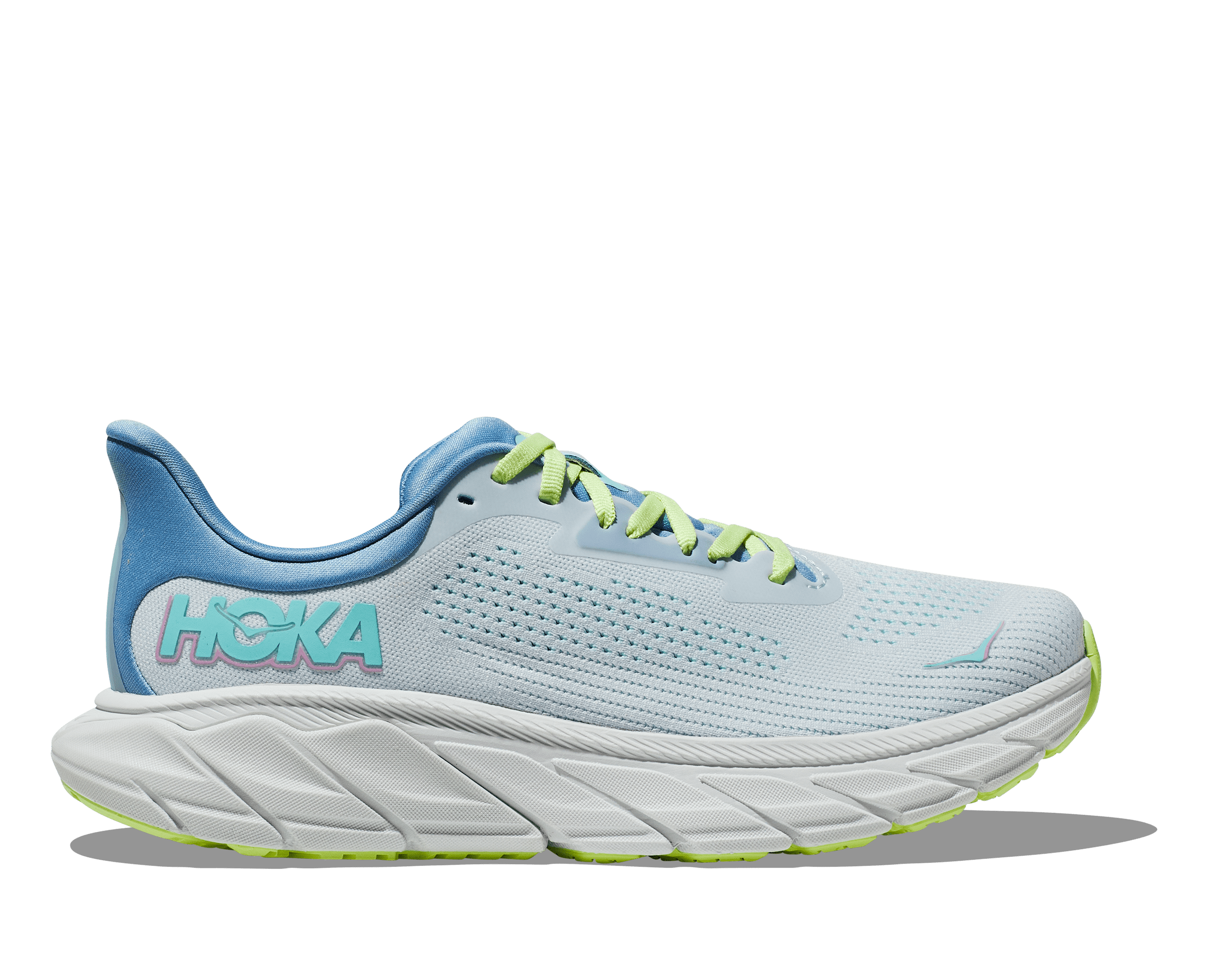
- The J-Frame: Found in models like the Arahi, the J-Frame is a piece of firmer, higher-density foam that runs along the medial side of the shoe and wraps around the heel. It is shaped like a letter "J," providing support where the foot needs it most during the transition from heel strike to toe-off.
- Active Foot Frame: This design feature allows the heel and midfoot to sit deep within the midsole instead of on top of it. This provides a sense of "stability by design" that integrates the foot into the shoe's structure, offering inherent support for both overpronators and those with neutral gaits who prefer a more locked-in feel.
- H-Frame: A newer iteration in stability, the H-Frame utilizes a structured foam chassis that provides support through geometry rather than material density, allowing for a smoother, less intrusive ride while still preventing excessive inward roll.
Navigating the Hoka Stability Catalog
Not all Hoka shoes are designed to correct pronation. The brand categorizes its footwear by the level of support provided. For a consumer, identifying the right category is the difference between comfort and potential injury.
Neutral vs. Stability Models
Neutral shoes are designed for individuals who do not require extra arch support or medial guidance. If you have high arches and your foot rolls outward (supination), a neutral shoe is generally preferred. Stability shoes, conversely, contain the structural elements mentioned above to limit excessive inward roll.
Top Stability Models for 2026
| Model Name | Primary Support Technology | Best Use Case |
|---|---|---|
| Arahi | J-Frame | Daily running, road, moderate stability |
| Gaviota | H-Frame | Long-distance, maximum cushioning, heavy stability |
| Clifton | Active Foot Frame | Neutral support, high-volume daily trainer |
| Bondi | Active Foot Frame | Maximal cushioning, neutral, stability-adjacent |
Note: While the Clifton and Bondi are technically neutral shoes, their wide base and Active Foot Frame provide a high level of natural, inherent stability that many mild overpronators find sufficient.
How to Verify Your Need for Stability Shoes
Before purchasing, it is critical to confirm whether you actually require a stability-specific model. A quick way to verify this is through a "wet test" or a gait analysis at a specialized running store.
- The Wet Test: Dampen the bottom of your foot and step onto a piece of cardboard. If you see your entire footprint, you likely have flat feet, which is strongly associated with overpronation. If you see only the heel and ball of the foot connected by a thin line, you likely have high arches.
- Wear Pattern Inspection: Examine the soles of your current, well-worn shoes. If the inside edge of the sole (near the big toe) is significantly more worn down than the outside, this is a visual indicator of overpronation.
- Professional Assessment: In 2026, many athletic footwear retailers offer digital gait analysis. These scanners map your foot pressure as you walk or run. This data is the gold standard for determining whether your specific biomechanics require the J-Frame or H-Frame technology found in Hoka stability models.
Common Mistakes When Choosing Hoka Footwear
A frequent error is assuming that "more cushioning equals more support." Hoka is famous for its thick midsoles, but a soft, plush shoe is not necessarily a stable one. A very soft, unstable shoe can actually exacerbate overpronation by allowing the foot to sink into an uneven position.
Another mistake is over-correcting. If you have only a very mild inward roll, jumping directly into a heavy-duty stability shoe like the Gaviota may feel restrictive and uncomfortable. It is often better to start with a moderate stability model like the Arahi. If you are uncertain, testing both a neutral maximalist shoe and a stability model side-by-side during a treadmill trial is the most effective way to gauge the necessary level of control.
Limitations and Considerations
While Hoka’s stability engineering is sophisticated, it is not a medical device. If you suffer from chronic pain, plantar fasciitis, or severe structural abnormalities, footwear alone may not resolve the issue. In such cases, these shoes are best used in conjunction with professional physical therapy or custom orthotics.
Furthermore, durability varies based on the individual. The J-Frame foam, while resilient, will eventually compress over time. As a general rule for 2026 standards, expect the structural integrity of your Hoka shoes to begin degrading after 300 to 500 miles of use. Replacing your shoes before the foam loses its rebound is essential to maintaining the support your feet require.
Frequently Asked Questions
Are Hoka shoes considered medical devices for overpronation? No. Hoka shoes are performance footwear designed to provide structural guidance. They are not intended to diagnose, treat, or cure medical conditions. If you have persistent foot pain, consult a podiatrist before making significant changes to your footwear.
Can a neutral runner use a stability Hoka shoe? Yes. Many neutral runners prefer the added security of a stability shoe, especially during long-distance efforts when fatigue sets in and form naturally begins to break down. However, some find the stability features uncomfortable or unnecessary.
Do Hoka stability shoes help with flat feet? Often, yes. Flat feet are frequently associated with overpronation. The J-Frame and H-Frame technologies provide the internal arch support that flat feet often require to prevent the ankle from collapsing inward during the gait cycle.
How do I know if my Hoka shoes have worn out? Beyond the odometer (300–500 miles), look for visible compression wrinkles in the midsole foam, uneven wear patterns on the outsole, or a feeling that your feet are "rolling" more than when the shoes were new.
Are there Hoka stability shoes for trail running? Yes, models like the Speedgoat provide high-level stability through a wide platform and secure upper construction, though they may lack the specific J-Frame support found in road-specific stability models.
Recommendation
If you have been diagnosed with or suspect overpronation, start by trying on the Hoka Arahi. It offers the best balance of the J-Frame stability technology with a lightweight, responsive feel. If you find the Arahi provides insufficient support, move to the Gaviota for its firmer, more structured H-Frame platform. Always prioritize a trial run in the store to ensure the support matches your specific stride pattern.
Image Gallery