The Biological Marvel of the Kangaroo Pouch and Joey Development
A kangaroo pouch, scientifically known as a marsupium, is a specialized external mammary organ unique to female marsupials that functions as a second-stage womb. It provides a protected environment for a joey to continue its developmen...
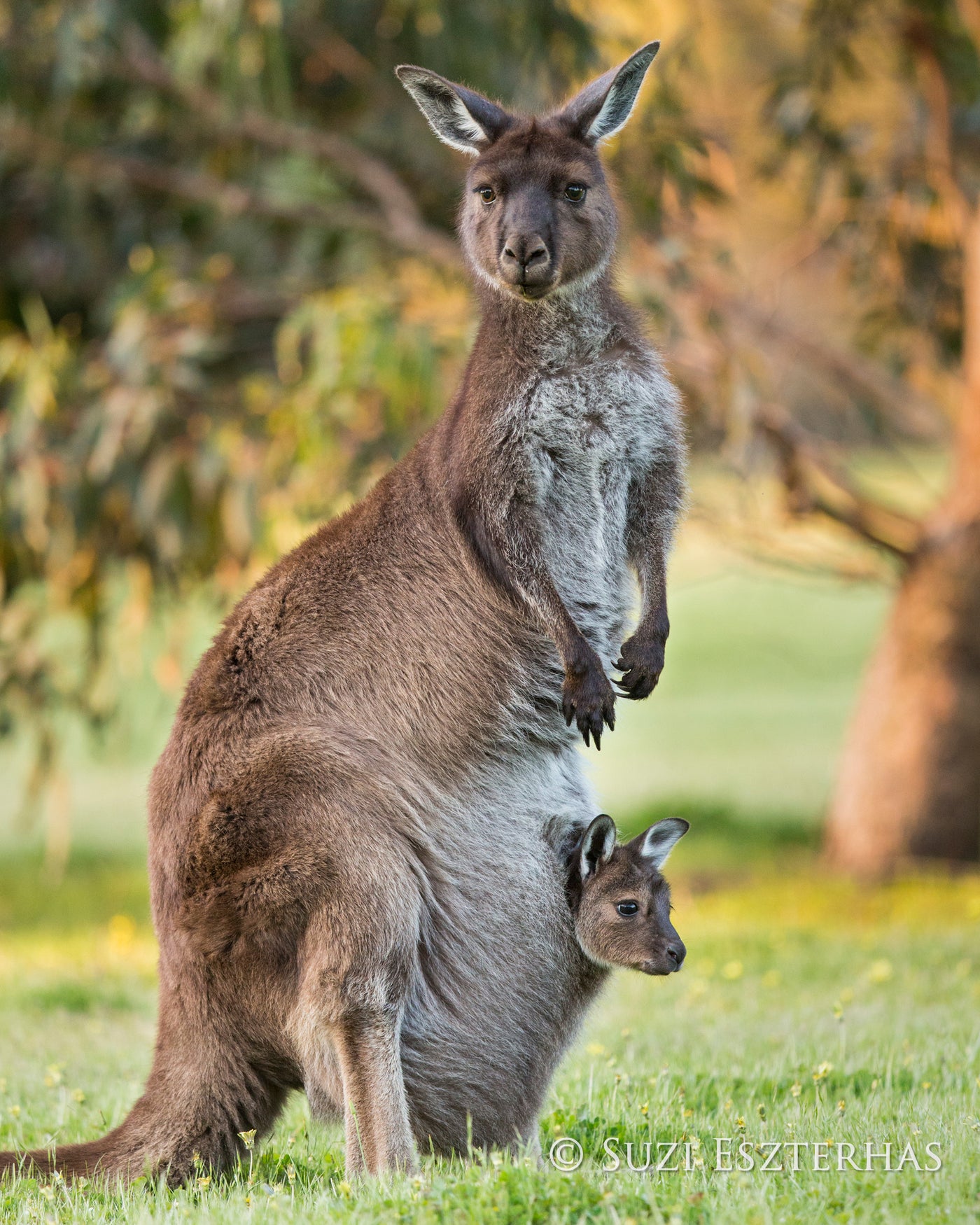
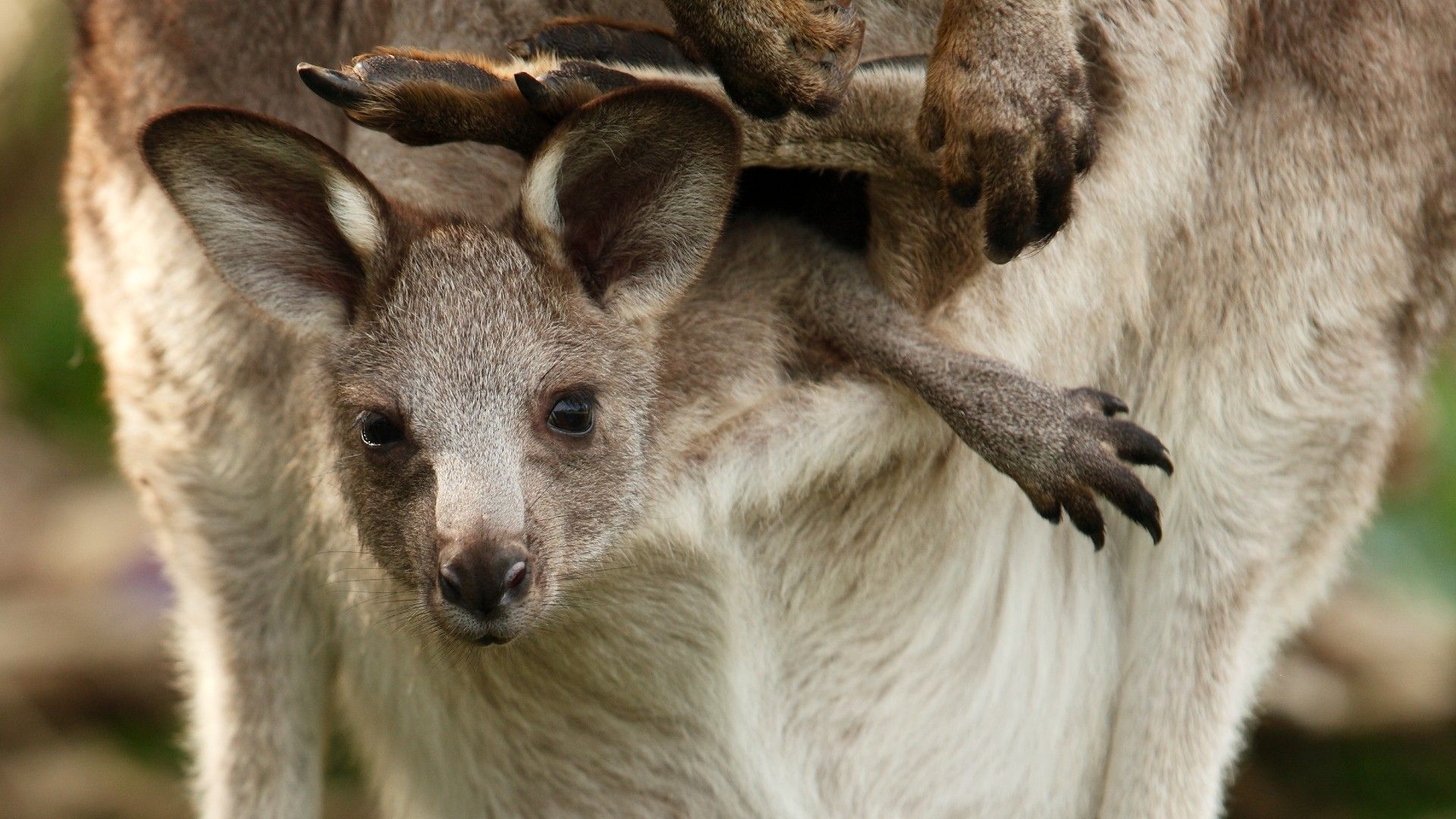
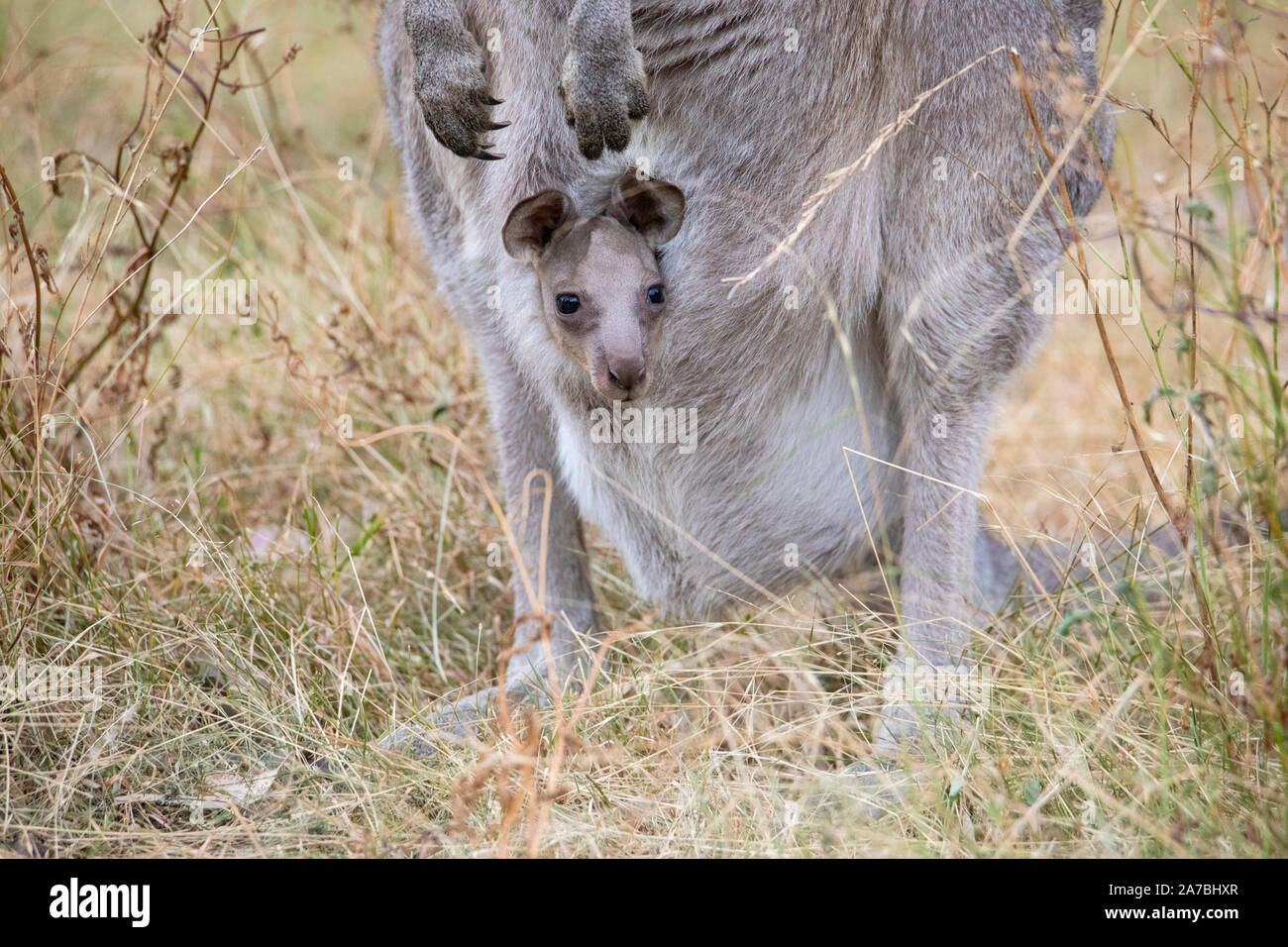
A kangaroo pouch, scientifically known as a marsupium, is a specialized external mammary organ unique to female marsupials that functions as a second-stage womb. It provides a protected environment for a joey to continue its development after being born in a highly premature, "altricial" state. Inside the pouch, the joey attaches to a teat to receive nutrient-rich milk, remaining there for six to nine months depending on the species.
Contents
The relationship between a mother kangaroo and her offspring, or joey, is one of the most complex reproductive strategies in the animal kingdom. Unlike placental mammals (like humans or dogs), where the fetus develops fully inside the uterus via a complex placenta, kangaroos have a very short internal gestation period. The pouch is not merely a "pocket" for carrying young; it is a sophisticated biological incubator equipped with complex muscular controls, diverse milk-delivery systems, and unique hygiene mechanisms.
Anatomy of the Marsupium: More Than Just a Pocket
To the casual observer, a kangaroo pouch might look like a simple fold of skin. However, the internal anatomy is highly specialized. The pouch is located on the lower abdomen and is supported by two epipubic bones, which project forward from the pelvis. These bones are a characteristic feature of most marsupials and help support the weight of the developing joey as it grows.
The interior of the pouch is generally hairless, or very lightly furred, allowing for direct skin-to-skin contact between the mother and the joey. This contact is vital for thermoregulation. The skin inside is rich in sweat glands that secrete antimicrobial substances, protecting the underdeveloped joey—who lacks a functioning immune system at birth—from pathogens.
The Sphincter Muscles
One of the most critical components of the pouch is the set of powerful sphincter muscles located at the opening. These muscles allow the mother to pull the pouch tight against her body. This serves several functions:
- Security: It prevents the joey from falling out during high-speed hopping, which can reach speeds of over 35 mph (56 km/h).
- Protection: It keeps the joey safe from predators or environmental hazards.
- Aquatic Safety: When a kangaroo swims, she can contract these muscles so tightly that the pouch becomes water-resistant, ensuring the joey does not drown.
The Incredible Journey: From Birth to the Pouch
The birth of a kangaroo is a feat of instinctive navigation. After a gestation period of only about 30 to 35 days, the mother sits in a specific "birth position," leaning back against a tree or onto her tail. The joey emerges from the urogenital sinus in a state that is barely recognizable as a kangaroo. It is roughly the size of a jellybean, weighing less than a gram, and is pink, hairless, and blind.
Despite its underdeveloped state, the joey’s forelimbs are surprisingly well-developed and equipped with tiny claws. The mother licks a path through her fur leading from the birth canal to the pouch opening. Using a swimming motion, the neonate crawls through the fur—a journey that takes about three to five minutes. This is an entirely unassisted climb; if the joey falls or the mother tries to help, the joey will likely perish.
Once inside the pouch, the joey's primary goal is to find one of the four teats. Once it latches on, the teat swells inside the joey’s mouth, effectively "locking" the infant in place for several weeks. This ensures a constant supply of nutrition and prevents the joey from being dislodged.
Life Inside the Pouch: Development and Nutrition
The pouch acts as the primary site for the majority of a kangaroo's early development. Because the joey is born so early, its organs are not yet fully formed. Inside the pouch, the joey will grow its fur, develop its eyes and ears, and eventually strengthen its powerful hind legs.
The Science of "Double Milk"
One of the most extraordinary aspects of kangaroo biology is the mother’s ability to produce different types of milk simultaneously. This is known as asynchronous-concurrent lactation. A female kangaroo can have a newborn joey attached to one teat and an older "joey-at-foot" still nursing from another.
The milk from the teat serving the newborn is high in protein and low in fat, designed to support rapid organ and tissue growth. Meanwhile, the teat serving the older joey provides milk that is significantly higher in fat to provide the energy needed for hopping and exploring the outside world. The mother’s body regulates these different nutritional profiles through independent hormonal controls at each mammary gland.
Embryonic Diapause
In addition to the joey in the pouch and the one at her feet, a mother kangaroo may also have a third offspring in a state of suspended animation. This process, called embryonic diapause, allows the mother to "pause" the development of a newly fertilized embryo in the uterus. If the pouch is currently occupied or if environmental conditions (like a drought) are poor, the embryo remains dormant. Once the current joey leaves the pouch or if the mother loses her young, the embryo resumes development. This ensures that the kangaroo population can rebound quickly when favorable conditions return.
Hygiene and Maintenance of the Pouch
A common question regarding the kangaroo pouch is how it stays clean. Since the joey lives, eats, sleeps, and excretes waste inside the pouch for months, hygiene is a significant concern. The joey does indeed urinate and defecate inside the pouch.
To manage this, the mother kangaroo performs regular "pouch cleaning." She inserts her snout into the pouch and uses her tongue to lick away waste and skin flakes. This grooming behavior is essential for preventing the buildup of bacteria and fungi. As the joey gets older and begins to spend more time outside the pouch, it will eventually learn to defecate outside, reducing the cleaning burden on the mother.
The Transition: Leaving the Pouch
The process of leaving the pouch is gradual. Around the five to six-month mark (depending on the species), the joey will begin to poke its head out to observe the world. Soon after, it will take its first tentative steps outside, usually staying very close to the mother.
During this transition phase, the joey uses the pouch as a "home base." If it becomes frightened, it will dive head-first back into the pouch, often performing a somersault to get its legs tucked in.
| Feature | Red Kangaroo (Osphranter rufus) | Eastern Grey Kangaroo (Macropus giganteus) | Wallaby (Various Species) |
|---|---|---|---|
| Gestation Period | ~33 Days | ~36 Days | ~28–33 Days |
| Pouch Stay (Full time) | ~235 Days | ~280 Days | ~180–210 Days |
| Weaning Age | ~12 Months | ~18 Months | ~9–12 Months |
| Number of Teats | 4 | 4 | 4 |
| Embryonic Diapause | Common | Rare | Common |
Challenges and Survival
The pouch environment is not without its risks. While it provides immense protection, the survival of the joey depends entirely on the health of the mother. In times of extreme drought, a mother kangaroo may naturally cease milk production, leading to the loss of the joey. This is a survival mechanism that prioritizes the life of the adult female, who can reproduce again once conditions improve.
Furthermore, certain parasites can inhabit the pouch if the mother is unable to maintain her grooming routine. However, the antimicrobial secretions of the pouch lining generally keep the environment sterile enough for the joey's vulnerable early months.
Frequently Asked Questions
Does it hurt the kangaroo when the joey kicks?
Generally, no. The muscles of the pouch and the abdominal wall of the kangaroo are incredibly thick and elastic. While a large joey’s kicks might be visible from the outside, the mother is well-adapted to carrying the weight and movement. It is similar to the late stages of pregnancy in placental mammals, where fetal movement is felt but is a normal part of the process.
Can a kangaroo have twins in her pouch?
While it is extremely rare, twins do occasionally occur. However, the pouch is generally designed to accommodate one joey at a time. In the event of twins, there is significant competition for space and nutrition. Often, one twin may be smaller or less developed than the other, and it is rare for both to survive to the weaning stage in the wild.
What happens if a joey falls out of the pouch too early?
If a joey is very young (still in the "jellybean" or early hairless stage) and falls out, it cannot survive for long. It lacks the ability to regulate its own body temperature and is highly susceptible to infections. Furthermore, mothers often cannot pick up a tiny, fragile joey with their paws without injuring it. Wildlife rescuers use specialized "pouch packs" and heat pads to simulate the pouch environment for orphaned joeys.
Why do joeys go into the pouch head-first?
Going in head-first allows the joey to quickly reach the teats and secure itself. Once the head is in, the joey uses its powerful hind legs to push the rest of its body inside and then performs a somersault to orient its head back toward the opening. This maneuver is essential for the joey to be able to breathe and eventually look out of the pouch.
Is the inside of the pouch furred?
In most large kangaroo species, the inside of the pouch is nearly hairless. This allows for better heat transfer between the mother's body and the joey. The skin is often quite soft and may have a slightly sticky or waxy texture due to the protective secretions produced by the mother's glands.
Future Observation and Education
Understanding the biological complexity of the "joey pouch kangaroo" relationship highlights the diversity of evolutionary paths. For those interested in seeing this process firsthand, visiting reputable wildlife sanctuaries or national parks in Australia is the best approach. Observing a mother kangaroo from a distance with binoculars allows you to see the "pouch life" without stressing the animals.
If you encounter an injured kangaroo or an orphaned joey, do not attempt to remove the joey from the pouch yourself unless instructed by a professional, as their mouths are often semi-permanently attached to the teat in early stages. Contact local wildlife authorities immediately for guidance on specialized care.
Image Gallery