Understanding Wisconsin Workers Compensation Permanent Partial Disability
Permanent Partial Disability (PPD) in Wisconsin is a crucial financial benefit designed to compensate workers who have suffered a permanent loss of bodily function or amputation due to a work-related injury. These benefits begin once a...
Permanent Partial Disability (PPD) in Wisconsin is a crucial financial benefit designed to compensate workers who have suffered a permanent loss of bodily function or amputation due to a work-related injury. These benefits begin once a claimant reaches the end of their healing period and are calculated based on disability ratings and state-mandated weekly rates.
Contents
Wisconsin’s workers' compensation system is often cited as one of the most efficient in the United States, yet the nuances of Permanent Partial Disability (PPD) remain a source of confusion for many injured employees. Unlike temporary benefits that cover lost wages during recovery, PPD acknowledges that some injuries leave a lasting impact on a person's physical or mental capabilities. As of 2026, the framework for determining these benefits remains grounded in the Wisconsin Worker’s Compensation Act, which balances the needs of the injured worker with predictable costs for employers and insurers.
The Foundation of PPD: Maximum Medical Improvement (MMI)
Before a worker can even be considered for PPD benefits, they must reach a specific medical milestone known as Maximum Medical Improvement (MMI), often referred to by the Wisconsin Department of Workforce Development (DWD) as the "end of the healing period." This does not necessarily mean the worker is 100% recovered; rather, it indicates that the injury has stabilized, and no further significant functional improvement is expected through medical treatment.
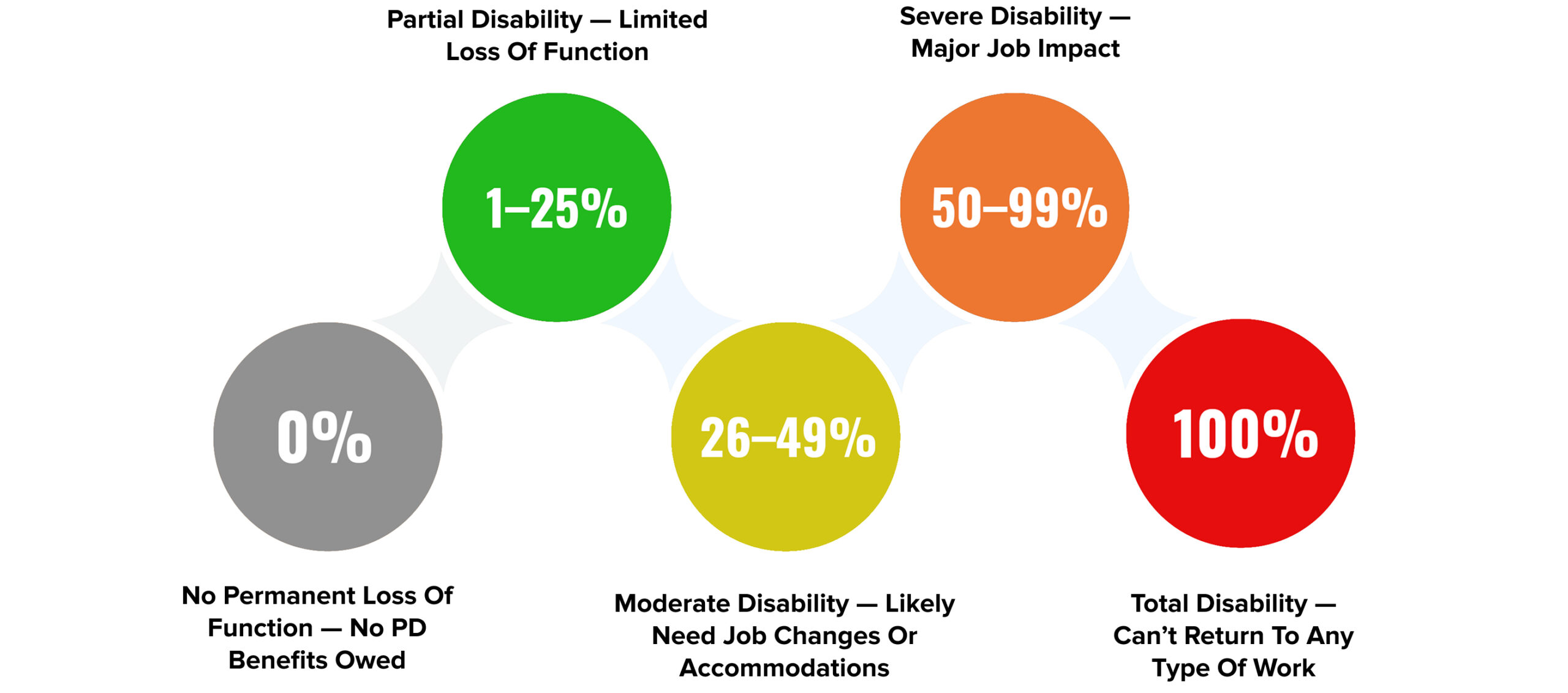
When a physician declares a patient has reached MMI, they must then determine if any permanent impairment remains. If the worker has regained full function, the case for disability benefits typically closes. However, if there is a lingering limitation—such as reduced range of motion in a shoulder, a permanent limp, or the loss of a finger—the physician is required to assign a PPD rating. This rating is expressed as a percentage of disability compared to a "normal" body part or the body as a whole.
The timing of this assessment is critical. If a rating is assigned too early, it may not accurately reflect the long-term impact of the injury. Conversely, delays in reaching MMI can postpone the commencement of PPD payments, which can create financial strain for workers who have already exhausted their Temporary Total Disability (TTD) benefits.
Scheduled vs. Unscheduled Injuries
Wisconsin categorizes permanent disabilities into two distinct groups: Scheduled and Unscheduled (or nonscheduled) injuries. This distinction is the single most important factor in determining how much compensation a worker will receive.
Scheduled Injuries
Scheduled injuries involve specific extremities and sensory organs. The Wisconsin Legislature has established a literal "schedule" (list) that assigns a specific number of weeks of compensation to each body part. For example, the total loss of an arm at the shoulder is valued at 500 weeks, while the loss of a foot at the ankle is valued at 250 weeks.
If a worker does not lose the entire limb but loses a percentage of its use, their benefit is proportional. For instance, if a doctor assigns a 10% permanent disability rating to a knee (which is valued at 425 weeks for total loss), the worker is entitled to 42.5 weeks of PPD benefits.
Unscheduled (Body as a Whole) Injuries
Unscheduled injuries involve the torso, head, neck, and internal organs, as well as mental health conditions like PTSD. Instead of individual values for each part, all unscheduled injuries are rated against the "body as a whole," which is valued at 1,000 weeks in the Wisconsin system.
A 5% permanent disability rating to the lower back (lumbar spine) would result in 50 weeks of benefits (5% of 1,000). These injuries often involve more complex medical evaluations because they affect the central structure of the body and can have cascading effects on a worker’s overall functional capacity.
Calculating the PPD Benefit Amount
The financial value of a PPD claim in 2026 is determined by a simple formula: (Number of Weeks) × (The PPD Weekly Rate). It is important to note that the PPD weekly rate is significantly lower than the rate for temporary disability (TTD).
For injuries occurring in 2026, the maximum weekly PPD rate remains tied to the levels set by the most recent legislative updates. For injuries occurring on or after January 1, 2024, the rate was set at $430 per week. This rate is a fixed cap; even if a worker earned a high executive salary, their PPD benefits are limited by this statutory maximum.
| Body Part / Injury Type | Maximum Scheduled Weeks | Calculation Example (at 10% Rating) |
|---|---|---|
| Arm (at the shoulder) | 500 Weeks | 50 weeks @ $430 = $21,500 |
| Hand (at the wrist) | 400 Weeks | 40 weeks @ $430 = $17,200 |
| Leg (at the hip) | 500 Weeks | 50 weeks @ $430 = $21,500 |
| Foot (at the ankle) | 250 Weeks | 25 weeks @ $430 = $10,750 |
| Eye (total blindness) | 250 Weeks | 25 weeks @ $430 = $10,750 |
| Hearing (total in one ear) | 50 Weeks | 5 weeks @ $430 = $2,150 |
| Body as a Whole (Back/Neck) | 1,000 Weeks | 100 weeks @ $430 = $43,000 |
The Role of the Minimum Ratings Table
To ensure consistency across the state, the Wisconsin DWD provides a Minimum PPD Ratings table. This table dictates the minimum percentage a doctor must assign for certain surgical procedures, regardless of how well the patient feels.
For example, a total knee replacement automatically carries a minimum PPD rating of 50% of the limb (212.5 weeks). A surgical discectomy in the back typically carries a minimum rating of 5%. Doctors can assign higher ratings if the functional outcome is poor, but they cannot legally go below these established minimums if the specific procedure was performed. This system prevents insurance companies from pressuring "company doctors" into assigning 0% ratings for major surgeries.
Disputing a PPD Rating
Disputes frequently arise when an insurance carrier’s doctor (often seen during an Independent Medical Examination or IME) provides a significantly lower rating than the worker’s treating physician. In Wisconsin, the insurance company is only required to pay the "undisputed" portion of the PPD rating immediately.
If your doctor says you have a 10% disability and the insurance doctor says 5%, the insurer will pay the 5% rating. The remaining 5% becomes the subject of negotiation or litigation. To resolve these differences, workers often seek a formal hearing before an Administrative Law Judge (ALJ) through the Office of Worker's Compensation Hearings.
During these hearings, the judge evaluates the medical reports, the credibility of the physicians, and the functional impact on the worker. In many cases, these disputes are settled through a Compromise Agreement, where both parties agree to a middle-ground sum to avoid the uncertainty of a trial.
Payment Methods: Monthly vs. Lump Sum
By default, PPD benefits are paid in monthly installments (accrued at the rate of $1,863.33 per month based on the $430 weekly rate) once the worker returns to work or reaches MMI. However, many workers prefer a lump sum payment.
Wisconsin law allows for lump-summing PPD benefits, but there is a caveat: the insurance company is allowed to take a "present value" discount (currently 5%) if they pay the benefits early. This discount compensates the insurer for the interest they lose by paying the full amount upfront. For workers facing immediate financial needs, the lump sum is often preferable despite the 5% reduction.
Vocational Rehabilitation and Permanent Restrictions
It is vital to distinguish PPD from Vocational Rehabilitation. While PPD compensates for physical loss, it does not account for the loss of earning capacity unless the worker cannot return to their previous job due to permanent restrictions.
If an unscheduled injury (like a back injury) prevents a worker from returning to their pre-injury employment and results in a wage loss, they may be eligible for an Earning Capacity Evaluation. This can significantly increase the value of a claim beyond the simple physical functional impairment rating. However, earning capacity claims are not available for scheduled injuries (arms, legs, etc.) in Wisconsin; those are strictly limited to the functional rating assigned by the doctor.
Frequently Asked Questions
Can I still work while receiving PPD benefits?
Yes. PPD is compensation for a permanent physical loss, not a replacement for current wages. You can return to your old job or start a new one and still receive your full PPD payments. The benefits are based on the injury's permanent impact, not your employment status at the time of payment.
What if my injury gets worse after I receive my PPD payment?
In Wisconsin, you generally have a 12-year statute of limitations from the date of the last payment of indemnity (benefits) to reopen a claim if your condition worsens. However, if you signed a "Full and Final" Compromise Agreement, you may have waived your right to reopen the claim. Always consult with a legal professional before signing a settlement that closes medical or future disability rights.
Is PPD the same as a "settlement"?
Technically, no. PPD is a statutory benefit that the insurance company is legally required to pay based on the doctor's rating. A "settlement" or Compromise Agreement usually refers to a negotiated deal used to resolve a dispute over the rating, the nature of the injury, or the liability of the employer.
Do I have to pay taxes on my PPD benefits?
Under federal and Wisconsin law, worker's compensation benefits, including PPD, are generally tax-exempt. You do not need to report these payments as taxable income on your state or federal returns.
Does PPD cover pain and suffering?
No. The Wisconsin worker's compensation system is a "no-fault" system that provides specific, limited benefits. It does not provide compensation for pain and suffering, loss of enjoyment of life, or emotional distress, except in very specific cases involving psychiatric injuries or vocational retraining.
Practical Recommendations
If you are navigating a PPD claim in 2026, your first priority should be ensuring your treating physician provides a detailed medical report upon reaching MMI. Review the DWD Minimum PPD Ratings table to verify that your rating meets the state requirements for your specific surgery or injury. If the insurance company schedules an IME, be prepared for a potential reduction in your rating and consider consulting a specialized worker's compensation attorney to protect your right to the full value of your claim. Keep meticulous records of all correspondence and payment stubs, as these will be essential if you need to dispute the insurer's calculations or reopen your claim in the future.
Image Gallery