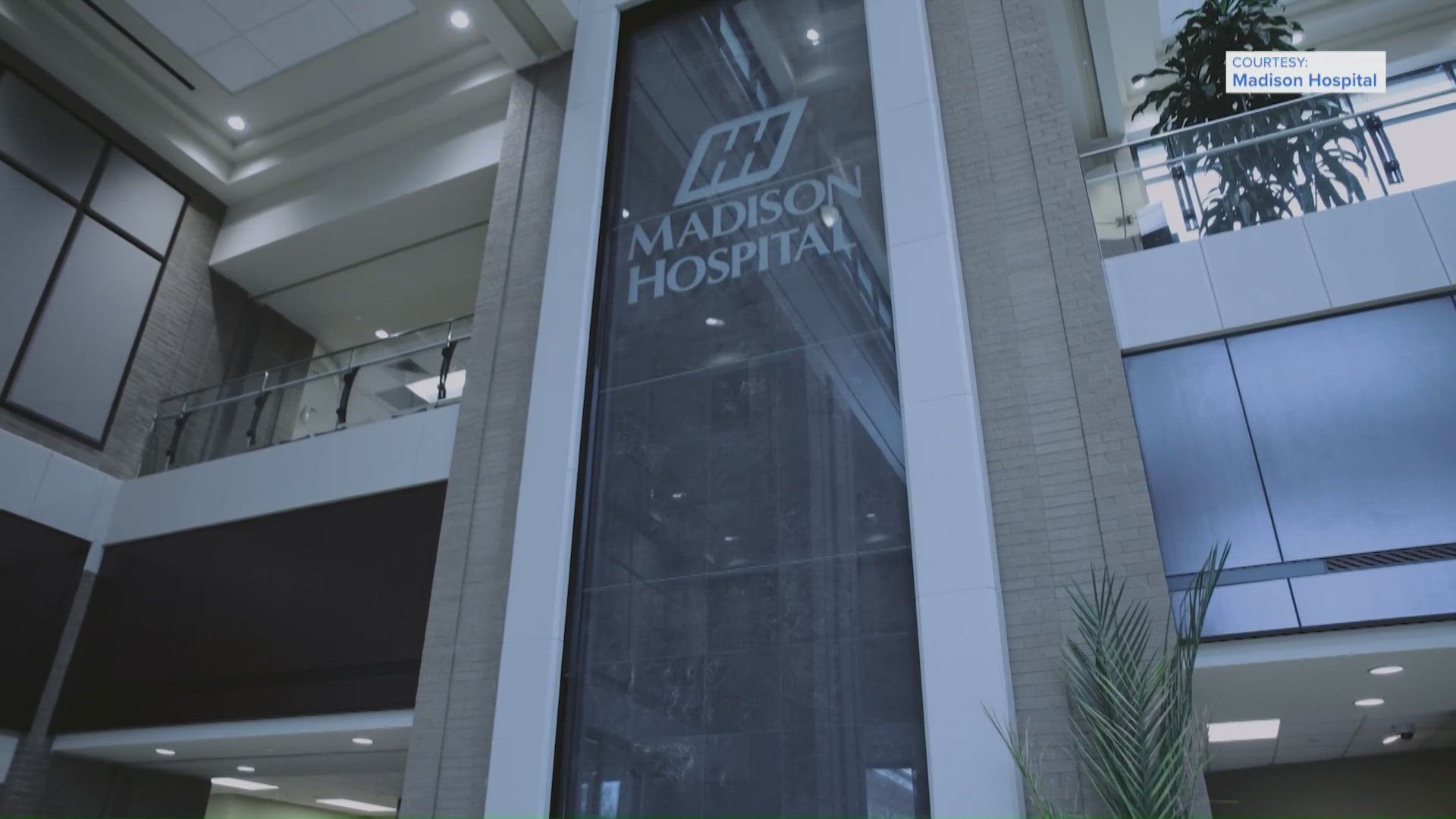
Madison Hospital in Madison, AL: A Comprehensive Healthcare Overview for 2026
Madison Hospital, located on the Highway 72 corridor, serves as a primary healthcare hub for the rapidly growing communities of Madison, West Huntsville, and eastern Limestone County. As a community-based affiliate of the Huntsville Ho...
Madison Hospital, located on the Highway 72 corridor, serves as a primary healthcare hub for the rapidly growing communities of Madison, West Huntsville, and eastern Limestone County. As a community-based affiliate of the Huntsville Hospital Health System, it provides 24/7 emergency services, specialized maternity care, advanced surgical suites, and comprehensive diagnostic imaging to a service area that has seen unprecedented population growth through 2026.
Contents
Opened in early 2012, Madison Hospital was established to alleviate the pressure on downtown Huntsville facilities while providing residents of the City of Madison with localized, high-quality medical intervention. Since its inception, the facility has expanded its footprint and service lines to match the demographic shifts of North Alabama, transitioning from a satellite facility into a full-scale medical destination. This overview examines the current operational status, specialized departments, and patient resources available at Madison Hospital as of 2026.
Institutional Background and Growth
The development of Madison Hospital was a strategic response to the urbanization of the western Huntsville metropolitan area. For decades, residents in Madison had to commute to the downtown Huntsville medical district for emergency and inpatient care. Recognizing the logistical strain this placed on families and emergency medical services (EMS), the Huntsville Hospital Health System invested in a multi-acre campus at the intersection of Highway 72 and Balch Road.
By 2026, Madison Hospital has become more than just a suburban facility; it is a critical component of the regional "Hub and Spoke" healthcare model. While the main Huntsville Hospital remains the region’s Level I Trauma Center, Madison Hospital handles a high volume of acute care cases, elective surgeries, and births. The hospital's design emphasizes efficiency and aesthetics, featuring natural lighting and private rooms aimed at fostering a healing environment.
The economic impact of the hospital on the Madison area has been significant. It serves as one of the largest employers in the city, drawing medical professionals from across the Tennessee Valley. Its presence has also spurred the development of surrounding medical office buildings (MOBs), which house independent specialists, pharmacies, and primary care providers, creating a localized medical ecosystem.
Core Medical Services and Departments
Madison Hospital is organized into several key departments that cater to both emergency needs and planned medical procedures. The facility is equipped with state-of-the-art technology that mirrors the capabilities of much larger metropolitan hospitals.
Emergency Department (ED) and Critical Care
The Madison Hospital Emergency Department is one of the busiest in North Alabama relative to its size. It operates 24 hours a day, 365 days a year, staffed by board-certified emergency physicians and trauma-trained nurses.
- Triage and Throughput: In 2026, the ED utilizes advanced digital triage systems to categorize patients by acuity, ensuring that life-threatening conditions—such as myocardial infarction (heart attack) or stroke—receive immediate intervention.
- Intensive Care Unit (ICU): For patients requiring continuous monitoring, the hospital maintains a high-acuity ICU. This unit is integrated with the system's "eICU" technology, allowing local teams to collaborate with off-site intensivists through real-time data streaming and high-definition video.
- Stabilization and Transfer: While the ED is equipped for major emergencies, patients requiring Level I Trauma care or highly specialized neurosurgery are stabilized and transported via the HEMSI ambulance service or Med-Flight to Huntsville Hospital Main.
Maternity and Women’s Services
One of the hospital's primary reputations is its focus on labor and delivery. The Madison Hospital Labor & Delivery unit is designed with a "family-centered" philosophy.
- LDRP Rooms: The facility utilizes Labor, Delivery, Recovery, and Postpartum (LDRP) suites, allowing mothers to remain in the same private room throughout the majority of their stay.
- Level II Special Care Nursery: For infants born prematurely or those requiring extra medical attention, the hospital operates a Level II nursery. This unit can provide respiratory support, intravenous medications, and specialized feeding protocols, reducing the need for neonatal transfers in many cases.
- Breastfeeding Support: On-site certified lactation consultants provide inpatient and outpatient support, which is a key component of the hospital's designation as a baby-friendly environment.
Surgical Services and Technology
The surgical department at Madison Hospital has expanded significantly, incorporating minimally invasive techniques that prioritize faster recovery times and shorter hospital stays.
- Robotic-Assisted Surgery: The hospital utilizes the da Vinci Surgical System for a variety of procedures, including urological, gynecological, and general surgeries. Robotic assistance provides surgeons with greater precision and 3D visualization.
- Orthopedics and Joint Replacement: Madison Hospital is a regional leader in total joint replacements (hips and knees). The orthopedic program includes pre-operative education classes and dedicated physical therapy protocols to ensure patients regain mobility quickly.
- Endoscopy and Outpatient Surgery: A large portion of the hospital’s volume consists of same-day procedures, including colonoscopies, gall bladder removals, and hernia repairs.
Diagnostic Imaging and Laboratory Services
Accurate diagnosis is the cornerstone of effective treatment. Madison Hospital’s imaging department is fully accredited and provides a comprehensive suite of services for both inpatients and outpatients.
| Service Category | Specific Modalities Available | Common Uses |
|---|---|---|
| Radiology | Digital X-ray, Fluoroscopy | Bone fractures, chest scans, GI studies |
| Advanced Imaging | 1.5T MRI, 64-Slice CT | Soft tissue injury, stroke protocol, oncology |
| Women’s Imaging | 3D Mammography, Bone Density (DEXA) | Cancer screening, osteoporosis monitoring |
| Cardiology | Echocardiogram, EKG, Stress Testing | Heart valve function, arrhythmia detection |
| Ultrasound | Vascular, OB/GYN, Abdominal | Fetal monitoring, blood flow analysis |
The hospital laboratory is equipped to handle complex pathology and blood chemistry. Most routine lab work is processed on-site, allowing physicians to receive results within hours rather than days. This is particularly vital for the Emergency Department and the ICU, where rapid data is necessary for life-saving decisions.
Madison Hospital Wellness Center
Uniquely positioned on the hospital campus is the Madison Hospital Wellness Center. This facility represents the hospital’s commitment to preventive medicine and long-term health maintenance.
Unlike a traditional commercial gym, the Wellness Center is medically integrated. It offers supervised exercise programs for individuals with chronic conditions such as diabetes, hypertension, or heart disease. The staff often includes exercise physiologists and registered dietitians who collaborate with a patient’s primary care physician. In 2026, the center continues to offer specialized programs for "Cardiac Rehab Phase III" and "Pulmonary Maintenance," ensuring that patients who have suffered a major health event have a safe environment to regain their strength.
Patient Resources and Access in 2026
Navigating a modern healthcare facility can be complex. Madison Hospital has implemented several digital and physical resources to streamline the patient experience.
Pre-Registration and the Patient Portal
To reduce wait times upon arrival, patients are encouraged to use the Huntsville Hospital Health System patient portal. This secure online platform allows patients to:
- Complete insurance verification and demographic forms prior to their appointment.
- View laboratory and imaging results directly on their smartphones or computers.
- Communicate with billing departments and pay outstanding balances.
- Request prescription refills for hospital-affiliated clinics.
Financial Assistance and Billing
As a not-for-profit institution, Madison Hospital provides care to all patients regardless of their ability to pay at the time of service. The Financial Assistance Program offers tiered discounts and payment plans based on Federal Poverty Guidelines. Patients are encouraged to speak with a financial counselor early in their treatment process to navigate insurance coverage and out-of-pocket estimates.
Visitor Guidelines and Amenities
As of 2026, the hospital maintains flexible visitation hours, though certain units like the ICU and Special Care Nursery may have specific restrictions to ensure patient safety. The campus features:
- The Terrace Café: A full-service cafeteria offering nutritional meals for visitors and staff.
- Gift Shop: Run by the Madison Hospital Auxiliary (volunteers), with proceeds benefiting hospital equipment funds.
- Chapel: A quiet space for reflection available to all faiths, located near the main entrance.
Frequently Asked Questions
Is Madison Hospital a different entity than Huntsville Hospital?
Madison Hospital is a member of the Huntsville Hospital Health System. While it has its own administration and specific community focus, it shares the same board of directors, medical protocols, and electronic health record system as the main Huntsville Hospital campus. This integration ensures a seamless transition for patients who may need to move between facilities for different levels of care.
Does Madison Hospital have a Level I Trauma Center?
No. Madison Hospital is equipped to stabilize trauma patients, but the regional Level I Trauma Center is located at Huntsville Hospital (Main) in downtown Huntsville. In the event of a severe multi-system trauma, patients are typically diverted or transferred to the downtown location which has 24/7 specialized surgical teams for neurosurgery and complex orthopedics.
Can I pre-register for my baby’s delivery at Madison Hospital?
Yes, pre-registration is highly recommended and can be completed through the hospital's maternity services department or the online patient portal. Completing this process during the second trimester helps ensure that all insurance authorizations are in place and reduces administrative delays when labor begins.
What insurance plans are accepted at Madison Hospital?
Madison Hospital accepts most major insurance providers, including Blue Cross Blue Shield of Alabama, UnitedHealthcare, Aetna, Cigna, and Medicare/Medicaid. However, because network agreements can change, patients should verify "Madison Hospital" (specifically as an affiliate of Huntsville Hospital) with their insurance provider's provider directory before elective procedures.
Are there private rooms at Madison Hospital?
Yes, Madison Hospital was designed with an all-private-room concept for its inpatient units. This includes the medical-surgical floors and the labor and delivery suites. Private rooms are intended to improve patient privacy, reduce the risk of hospital-acquired infections, and provide a more comfortable space for family members to stay with the patient.
How do I access my medical records from Madison Hospital?
Medical records can be accessed through the Huntsville Hospital Health System's HealthConnect portal. For formal copies required by legal entities or other healthcare providers, patients can submit a request to the Health Information Management (HIM) department located on-site or via the system's central records office.
Summary of Actionable Steps for Patients
For those planning a visit or procedure at Madison Hospital in 2026, the following steps ensure a smoother experience:
- Verify Coverage: Contact your insurance provider to confirm that Madison Hospital is an in-network facility for your specific plan.
- Use the Portal: Sign up for the HealthConnect patient portal to manage your records and pre-registration documents.
- Prepare for Arrival: Bring a valid photo ID, your insurance card, and a list of current medications to any appointment.
- Parking: Utilize the free parking lots surrounding the main entrance and the professional office buildings; valet services may be available during peak weekday hours.
- Follow-up Care: If you are discharged after a procedure, ensure you have your discharge summary and any prescribed medications from the on-site or nearby retail pharmacy before leaving the Highway 72 medical corridor.
Image Gallery