How Much Is a Commercial Fishing Net Worth? Market Value and Cost Factors in 2026
The financial worth of a commercial fishing net in 2026 depends heavily on its type, material composition, and integrated technology, with prices ranging from $2,000 for basic gillnets to over $350,000 for industrial-scale purse seines...
The financial worth of a commercial fishing net in 2026 depends heavily on its type, material composition, and integrated technology, with prices ranging from $2,000 for basic gillnets to over $350,000 for industrial-scale purse seines. This valuation encompasses not only the raw netting material but also specialized hardware, sensors, and labor-intensive assembly.
Contents
The Economic Value of Commercial Fishing Gear
In the commercial fishing industry of 2026, gear is considered a primary capital asset. Unlike consumer-grade equipment, commercial nets are engineered to withstand immense hydraulic pressure, UV degradation, and the abrasive force of the seabed or heavy harvests. The "worth" of a net is a calculation of its initial acquisition cost balanced against its operational lifespan and its efficiency in capturing target species while minimizing bycatch.
For a commercial enterprise, a net is not merely a tool but a significant investment that dictates the vessel's overhead. High-quality nets made from advanced polymers like High-Modulus Polyethylene (HMPE) offer lower drag, which reduces fuel consumption—a critical factor in the 2026 maritime economy where fuel prices remain volatile. Consequently, a more expensive net can often have a higher "net worth" to a business through long-term operational savings.
Primary Factors Influencing Commercial Net Worth
Several variables dictate the market price and appraised value of fishing nets. Understanding these factors is essential for fleet managers, insurance adjusters, and independent operators when assessing their equipment portfolios.
Material Composition and Twine Technology
The raw material is the foundation of a net’s value. In 2026, the industry has largely shifted toward specialized synthetics:
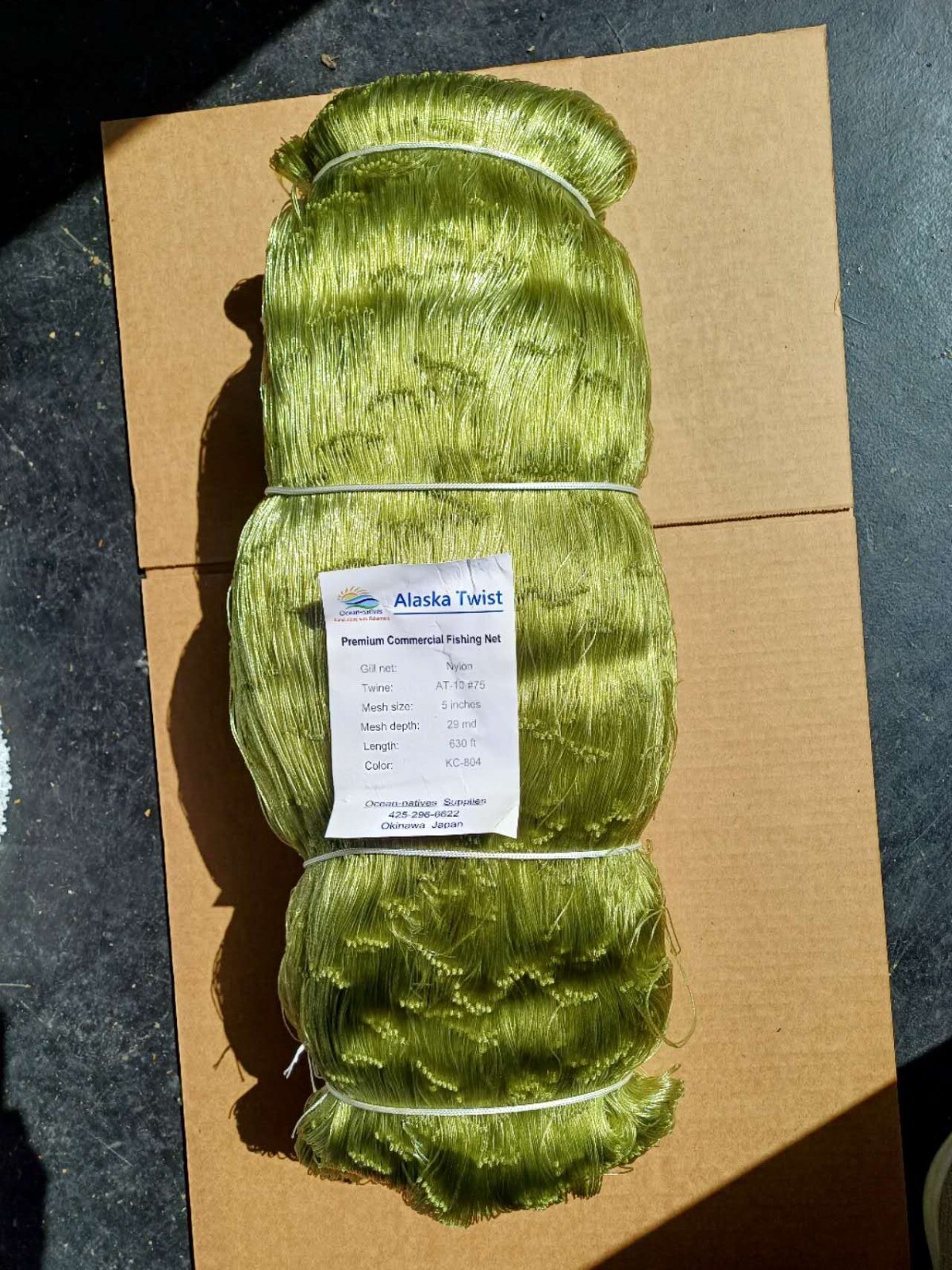
- Nylon (Polyamide): Still widely used for its elasticity and strength. It is relatively affordable but prone to water absorption, which increases weight and drag.
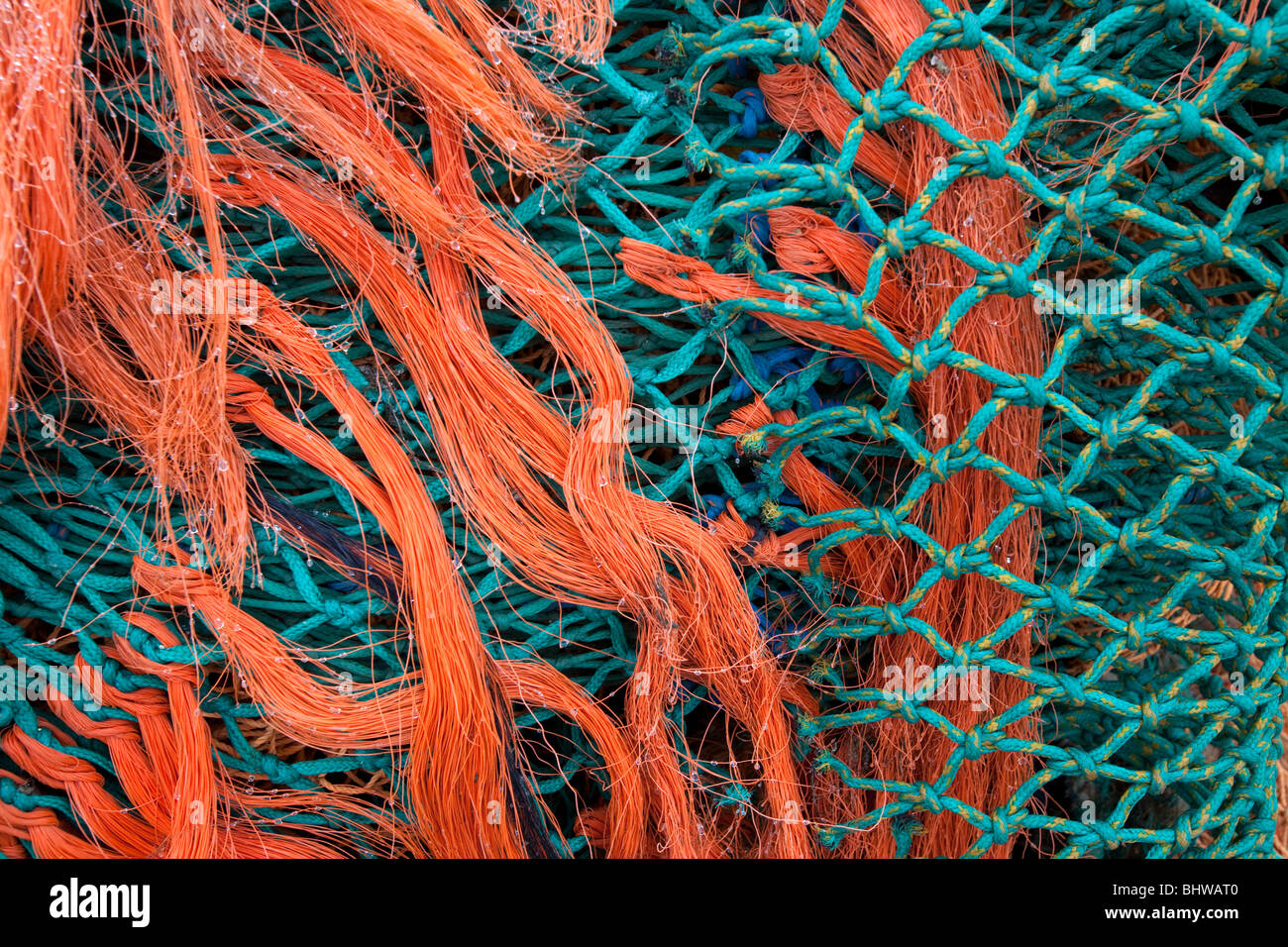
- Polyethylene (PE): Common in trawl nets for its abrasion resistance. Its worth is generally lower than nylon, making it a cost-effective choice for bottom-dwelling species.
- HMPE (Dyneema/Spectra): These are the "gold standard" in 2026. While the initial cost is 3 to 5 times higher than nylon, these nets are incredibly thin and strong, significantly reducing the "fuel penalty" of towing gear through the water.
- Biodegradable Polymers: Following 2025 environmental mandates in several jurisdictions, "ghost gear" prevention has led to the rise of nets that break down after prolonged submersion. These specialized materials currently command a premium price due to complex manufacturing processes.
Size, Scale, and Mesh Density
The physical dimensions of the net—measured in both length and depth (or "stretched mesh" size)—directly correlate to the amount of material used. A purse seine used for tuna might be over 1,500 meters long and 200 meters deep, requiring miles of twine and thousands of man-hours to assemble. Furthermore, the mesh size affects the weight; smaller mesh requires more twine per square meter, increasing both the weight and the cost.
Integrated Hardware and "Smart" Technology
In 2026, a commercial net is often part of a larger electronic ecosystem. The hardware attached to the net can sometimes equal the value of the netting itself:
- Acoustic Deterrent Devices (Pingers): Required in many regions to prevent marine mammal entanglement, these units cost hundreds of dollars each, and a large net may require dozens.
- Sensors and Transponders: Net monitoring systems (like those from Marport or Simrad) provide real-time data on net geometry and catch volume. These sensors are high-value assets integrated into the net's structure.
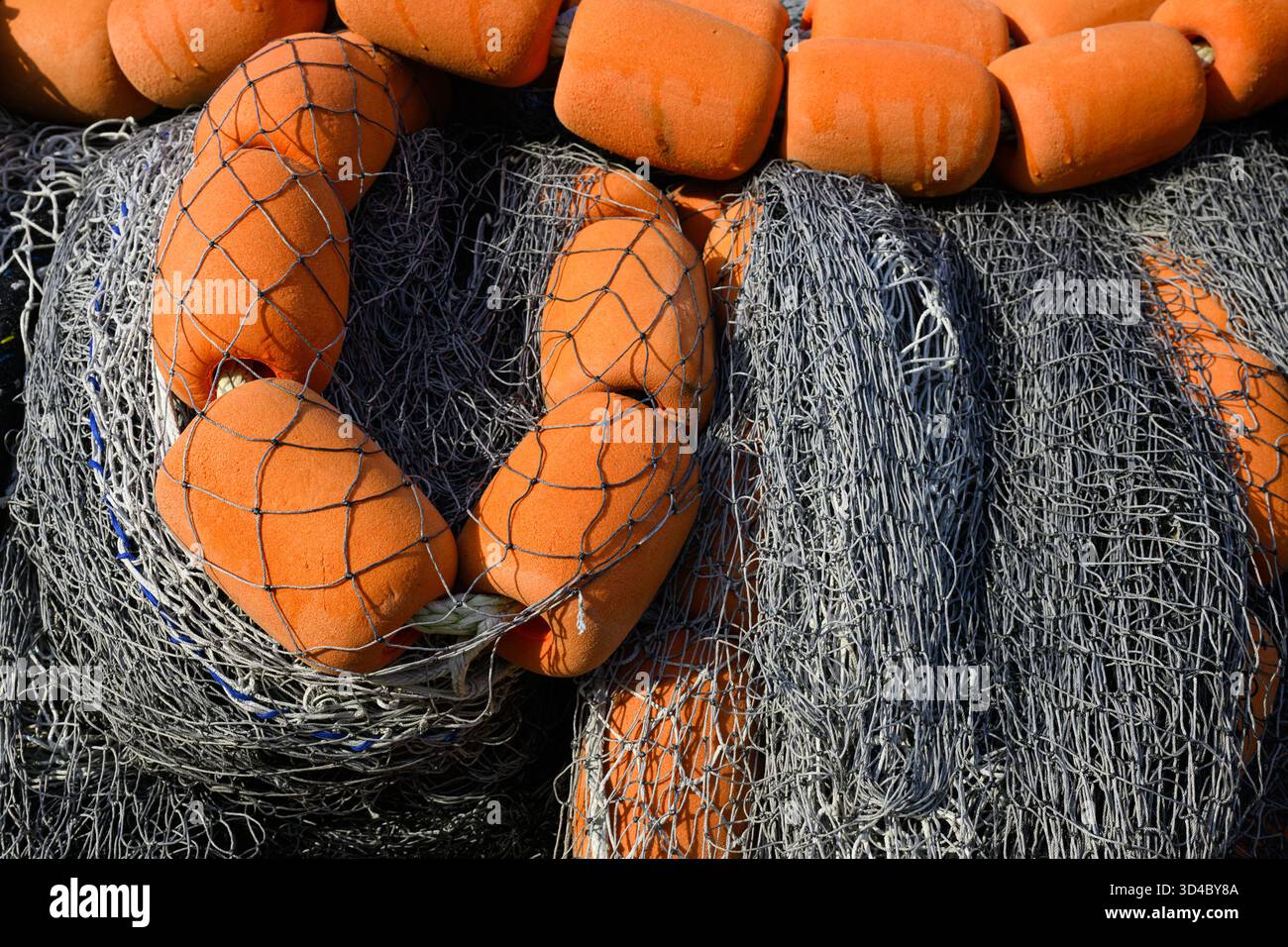
- Floats and Lead Lines: The buoyancy and weighting systems, often made of specialized high-density materials or lead-free alternatives, add significant mass and cost.
Comparative Market Values by Net Type (2026 Estimates)
The following table provides a breakdown of the estimated market value for various commercial net types in 2026. These figures represent the "ready-to-fish" cost, including basic rigging.
| Net Type | Primary Target Species | Average Cost Range (USD) | Estimated Lifespan |
|---|---|---|---|
| Purse Seine | Tuna, Sardines, Mackerel | $75,000 – $350,000 | 5–8 Years |
| Bottom Trawl | Groundfish, Shrimp | $20,000 – $120,000 | 2–4 Years |
| Mid-water Trawl | Pollock, Hake, Herring | $40,000 – $180,000 | 3–6 Years |
| Gillnet (Standard) | Salmon, Cod, Seabass | $2,500 – $12,000 | 1–3 Years |
| Trammel Net | Flatfish, Crustaceans | $3,000 – $15,000 | 1–2 Years |
| Commercial Cast Net | Baitfish, Mullet | $500 – $2,500 | 1 Year |
The Impact of Labor and Craftsmanship
The assembly of a commercial net is a highly skilled trade. "Net hanging"—the process of attaching the netting to the ropes (cork lines and lead lines)—must be done with precision to ensure the net opens correctly in the water. In 2026, while some aspects of net making are automated, the final "shot" of a large-scale net still requires manual labor from experienced net menders. This labor component accounts for approximately 15% to 25% of the total worth of a new net. Customizations for specific sea-bottom conditions or vessel winch capacities further drive up these costs.
Depreciation and Residual Value
Like any industrial equipment, commercial nets depreciate over time. However, their depreciation is aggressive due to the harsh marine environment.
- Physical Wear: Abrasion against the hull, rocks, and the sheer weight of the catch causes micro-tears.
- UV Damage: Constant exposure to sunlight weakens synthetic fibers. Even a net that looks intact may lose 30% of its tensile strength after two seasons of heavy use.
- Resale Market: There is a secondary market for used commercial nets, but they typically retain only 10% to 30% of their original value. Often, used nets are repurposed for non-fishing applications, such as safety netting in construction or sports facilities, which helps maintain a "floor" for their residual worth.
Regulatory and Environmental Influences on Value
In 2026, international maritime regulations significantly influence net valuation. The Food and Agriculture Organization (FAO) guidelines on gear marking require nets to have traceable identifiers. This traceability adds a small administrative cost but increases the "insurable value" of the gear.
Furthermore, "Bycatch Reduction Devices" (BRDs) are now mandatory in most commercial trawl fisheries. A net equipped with high-efficiency BRDs or "Turtle Excluder Devices" (TEDs) is worth more because it allows the vessel to operate in restricted zones where standard gear is prohibited. This "regulatory compliance value" is a critical component of a net's worth for modern fishing enterprises.
Maintenance: Preserving the Investment
The ongoing worth of a net is maintained through rigorous mending. In the 2026 commercial sector, "preventative mending" is the standard. Small holes are repaired immediately to prevent them from becoming catastrophic failures under load. A well-maintained net can exceed its expected lifespan by 20%, whereas a neglected net may become a total loss (worthless) within a single season. High-end fleets often employ dedicated net bosses whose sole responsibility is to maintain the financial and operational value of the ship's gear.
Common Mistakes in Evaluating Net Worth
One common error is valuing a net solely by its weight or length. In the modern market, a smaller, high-tech HMPE net can be worth significantly more than a larger, heavy-weight nylon net. Another mistake is ignoring the "rigging." The chains, sweeps, and "doors" (otter boards) used with trawl nets are often categorized separately, but for insurance purposes, they must be bundled into the total gear valuation.
Additionally, buyers often underestimate the cost of shipping and logistics. Large commercial nets are incredibly heavy and often require specialized freight or international shipping, which can add 5% to 10% to the total acquisition cost, effectively increasing the "landed worth" of the asset.
FAQs About Commercial Fishing Net Value
1. Why are purse seine nets so much more expensive than other types?
Purse seines are massive, often covering several city blocks in surface area. They require an enormous amount of high-tensile material and are equipped with heavy-duty hardware like specialized brass rings and reinforced borders (selvages). The labor required to "hang" a purse seine so that it cinches perfectly like a drawstring bag is extensive, contributing to its $300,000+ price tag in 2026.
2. Can the worth of a net be recovered if it is lost at sea?
Only if the vessel carries specific "gear and tackle" insurance. Standard marine hull insurance often excludes fishing gear while it is in use. Because of the high value of modern "smart nets," many operators in 2026 now use specific riders to cover the replacement cost of nets lost to snags or heavy weather.
3. How does mesh size affect the price?
Generally, the smaller the mesh, the higher the price. Small mesh requires more intersections (knots) and more twine per square foot of coverage. For example, a shrimp trawl with a very fine mesh will often be more expensive than a similarly sized pollock trawl with larger mesh openings, simply due to the material density.
4. What is the impact of "knotless" technology on a net's value?
Knotless netting, constructed through a specialized weaving process, is often more expensive than traditional knotted netting. However, it is lighter and creates less drag, making it a "higher worth" asset for vessels looking to minimize fuel costs. It also causes less physical damage to the fish (scale loss), which can increase the market value of the catch itself.
5. Are there subsidies available to help with the cost of commercial nets?
In 2026, many government programs offer "green gear" subsidies. These programs provide grants or low-interest loans to help fishermen transition to more expensive, eco-friendly nets that reduce bycatch or utilize biodegradable materials. These subsidies effectively lower the out-of-pocket cost while maintaining the high asset value of the gear.
Expert Recommendation for Vessel Operators
When assessing the worth of your commercial fishing nets for 2026, prioritize Total Cost of Ownership (TCO) over the initial purchase price. Investing in higher-value HMPE materials or nets with integrated sensor pockets may seem expensive upfront, but the reduction in fuel consumption and the increase in catch efficiency typically provide a full return on investment within 18 to 24 months. Ensure all gear is documented with FAO-compliant tags to maintain its insurable value and facilitate easier recovery or replacement in the event of loss.
Image Gallery