How Much Does a Federal Background Check Cost in 2026?
A standard FBI federal background check in 2026 typically costs $18 when requested directly from the government, though total out-of-pocket expenses usually range from $50 to $120. These additional costs stem from mandatory fingerprint...
A standard FBI federal background check in 2026 typically costs $18 when requested directly from the government, though total out-of-pocket expenses usually range from $50 to $120. These additional costs stem from mandatory fingerprinting fees ($10–$50) and optional third-party channeler convenience fees ($30–$70) used to expedite the processing time.
Contents
The term "federal background check" is often used broadly, but it specifically refers to several different types of screenings. Whether you are applying for a sensitive job, seeking to adopt a child, or fulfilling requirements for international travel, the cost varies significantly based on the depth of the search and the method of submission. Understanding the nuances of these fees is essential for budgeting and ensuring you choose the most efficient path for your specific needs.
Defining the Scope: What Are You Paying For?
Before calculating the total cost, it is necessary to identify which federal record is being requested. A "federal background check" generally falls into one of two primary categories: an FBI Identity History Summary or a Federal District Court Search.
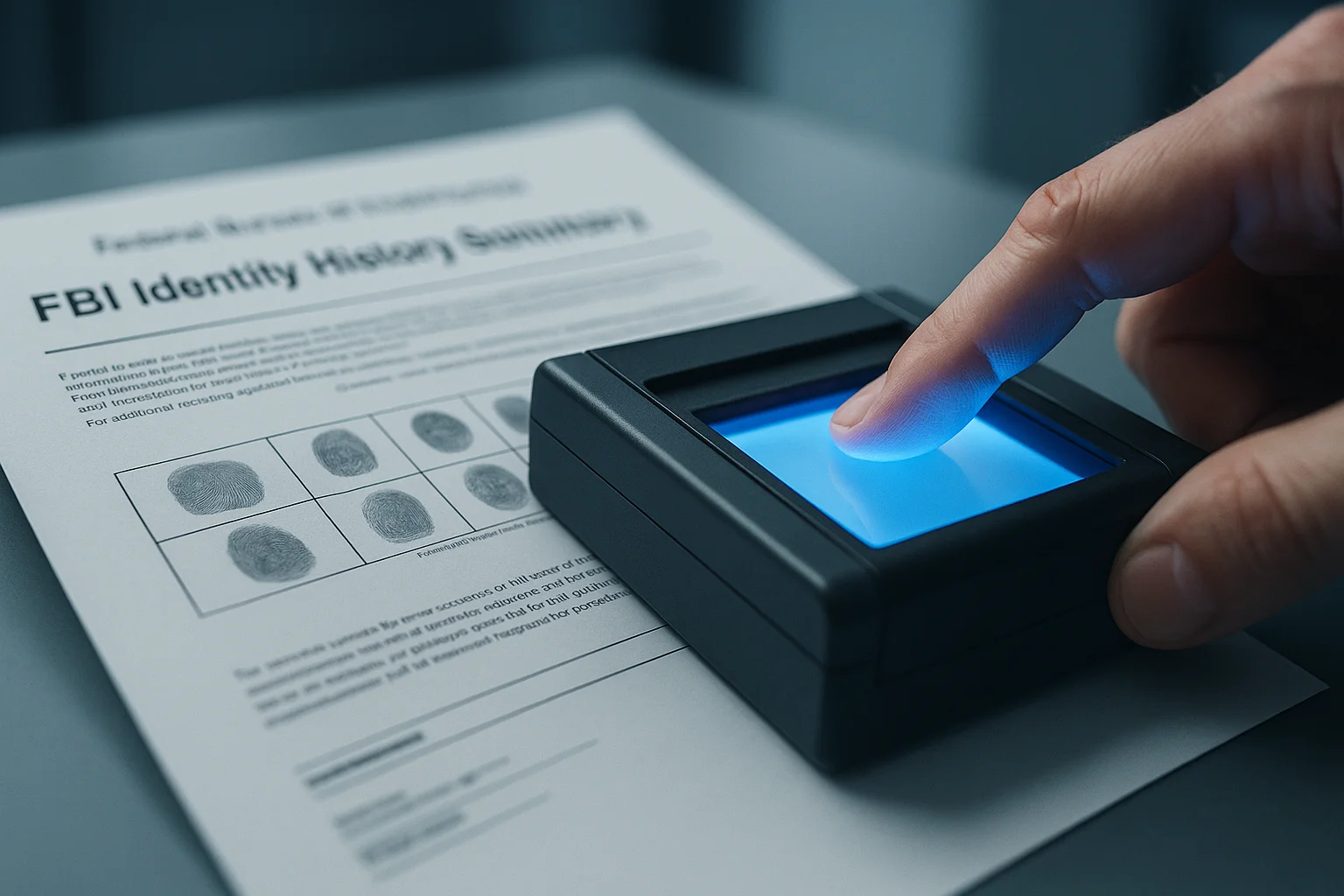
FBI Identity History Summary (Rap Sheet)
This is the most common form of federal check. It is a fingerprint-based search that pulls data from the FBI’s Criminal Justice Information Services (CJIS) Division. It includes information regarding arrests, federal employment, naturalization, and military service. In 2026, this remains the gold standard for personal record reviews and international visa requirements.
Federal District Court Search
Unlike the FBI check, which is fingerprint-based, a federal court search is name-based. It identifies crimes prosecuted in the U.S. Federal District Courts—such as mail fraud, tax evasion, or crimes committed on federal property—which do not typically appear on state or county-level criminal reports. These are often requested by employers in the financial or legal sectors.
Direct FBI Request Costs and Procedures
If you are looking for the most affordable option, submitting a request directly to the FBI is the primary route. As of 2026, the FBI maintains a fixed administrative fee for this service, but the "low cost" comes with a trade-off in terms of logistical effort.
The $18 Administrative Fee
The base price for an Identity History Summary Check (often referred to as an "IdHSC") is $18 per person. This fee covers the processing of your fingerprints against the national database. This price has remained remarkably stable due to federal regulations governing the CJIS division's cost-recovery models.
Fingerprinting Logistics and Costs
The $18 fee does not include the cost of obtaining your fingerprints. You have two primary options:
- Standard Ink Fingerprinting: Many local law enforcement agencies provide this service for a nominal fee, typically between $10 and $25. You must provide the standard FD-1164 fingerprint card.
- LiveScan Digital Fingerprinting: This is a digital capture of your prints. While more accurate, it is often more expensive, with service providers charging between $30 and $60.
Total Cost for Direct Submission
When you combine the FBI fee, the fingerprinting service, and the cost of tracked mailing (if using a paper application), the total cost for a direct federal check is usually between $35 and $60.
Third-Party FBI Channeler Fees
For many individuals, the weeks-long waiting period for a direct FBI response is not viable. This is where FBI-Approved Channelers come in. These are private companies contracted by the government to receive fingerprint submissions and provide results more quickly.
Why Use a Channeler?
Channelers offer a streamlined digital interface and significantly faster turnaround times—often delivering results via a secure portal within 24 to 48 hours, compared to the 3–5 week wait for direct mail-in requests.
The Cost of Convenience
Channelers charge a service fee on top of the mandatory $18 FBI fee. In 2026, these service fees typically range from $30 to $70. Consequently, the total price for a channeled background check is generally between $80 and $120. This price often includes the cost of digital fingerprinting at one of their nationwide kiosks, such as those found in shipping centers or specialized background screening offices.
Federal District Court Search Costs
If your "federal check" requires searching for litigation or criminal records in the federal court system (rather than a fingerprint-based criminal history), the pricing structure changes entirely. These searches are conducted through the Public Access to Court Electronic Records (PACER) system.
PACER Fees
The federal government charges $0.10 per page for records retrieved via PACER. However, the system has a "usage cap": if an individual accrues less than $30 in charges within a quarter, the fee is waived. For a simple search for your own name, the cost is often $0.
Professional Screening Services
Most employers do not use PACER directly; they hire professional background screening firms. These firms charge for the labor of searching all 94 U.S. federal districts or specific jurisdictions. A professional federal district court search typically costs $20 to $40 per name, per jurisdiction searched. This fee covers the expertise of the researcher who must filter through "name matches" to ensure the records belong to the correct individual.
Comparison of Federal Background Check Options
The following table summarizes the estimated costs and timelines for the most common federal background check methods available in 2026.
| Method | Base Fee | Add-on Costs | Total Estimated Cost | Estimated Turnaround |
|---|---|---|---|---|
| Direct FBI (Online/Mail) | $18 | $15–$30 (Prints) | $33–$48 | 3–5 Weeks |
| FBI Approved Channeler | $18 | $50–$85 (Service) | $68–$103 | 24–72 Hours |
| Federal Court (PACER) | $0.10/pg | N/A | $0–$30 | Instant |
| Professional Court Search | $20–$40 | N/A | $20–$40 | 1–3 Days |
| Security Clearance (SF-86) | $0* | N/A | $0 (Employer Paid) | 3–12 Months |
*While the individual does not pay for a federal security clearance, the cost to the government for these investigations can range from $3,000 to $15,000 depending on the level of clearance.
Factors That Increase the Total Price
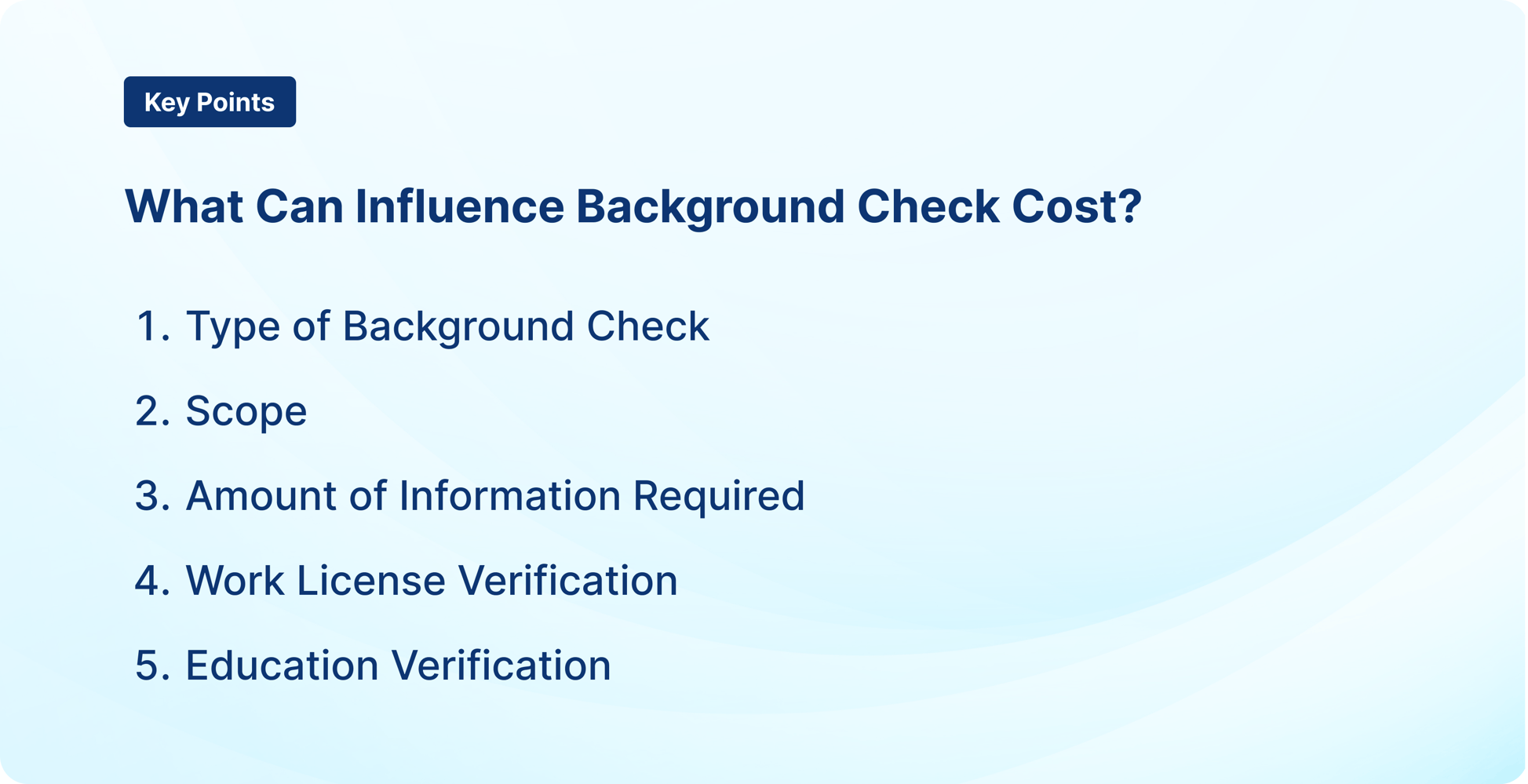
While the base fees are relatively static, several variables can drive up the "for you" cost of a federal background check.
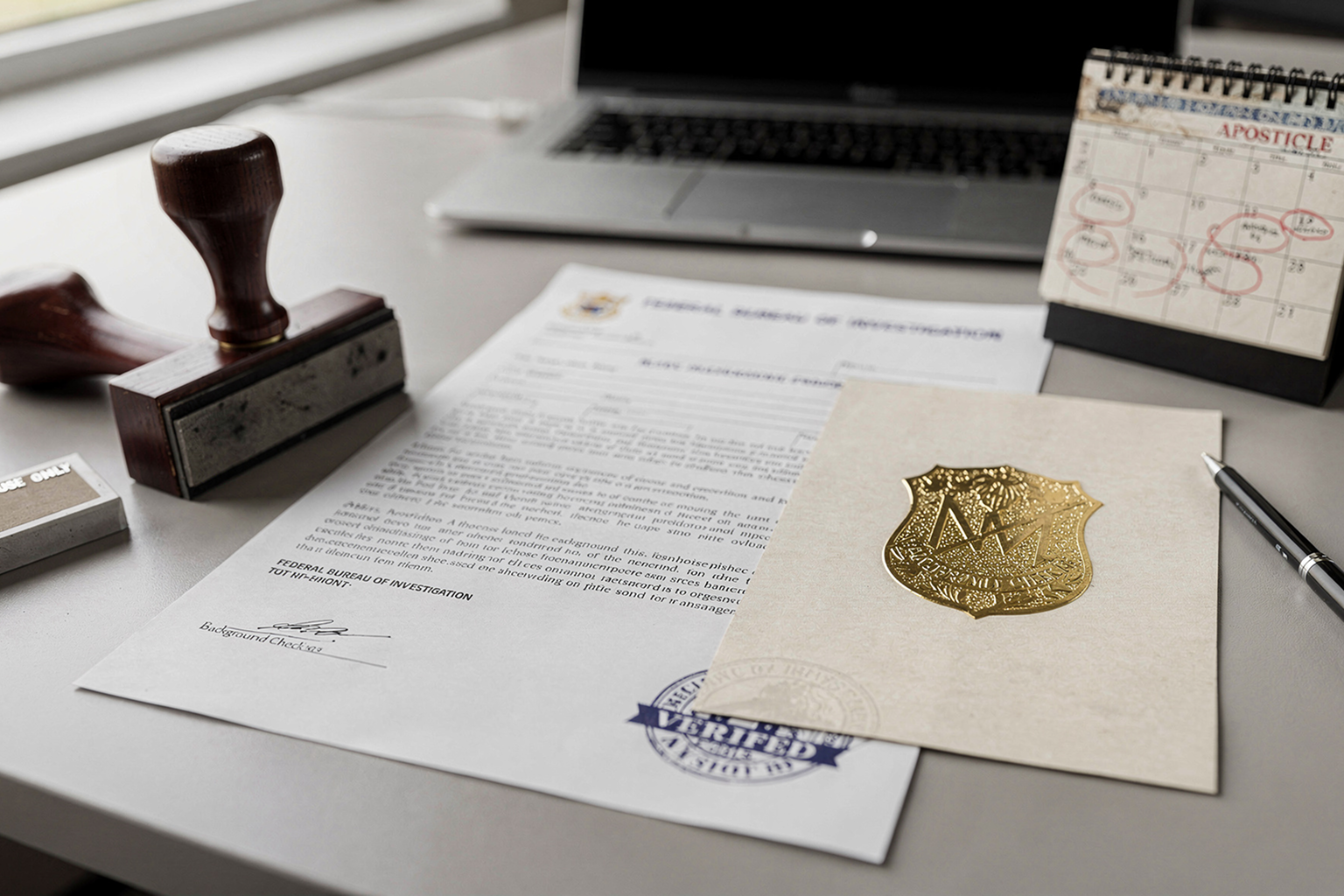
1. International Authentication (Apostille)
If you need the background check for an international visa or work permit, you likely need an Apostille. This is a specialized certification from the U.S. Department of State that authenticates the document for use abroad. In 2026, the Department of State charges $20 per document for this service, but if you use an expedited service to handle the logistics, you can expect to pay an additional $100 to $200.
2. Notarization and Shipping
Some jurisdictions require a notarized copy of your background check. Notary fees vary by state but generally cost $5 to $15. Furthermore, if you are outside the United States and need to mail fingerprint cards to the FBI, international courier fees (FedEx/DHL) can add $50 to $100 to your total.
3. Error Correction and Resubmissions
The FBI rejects thousands of fingerprint cards every year due to "low quality" prints. If your prints are rejected, you must pay the fingerprinting fee again (though the FBI usually does not charge the $18 fee a second time if you resubmit within a specific window). Using a LiveScan digital capture service reduces this risk but increases the initial cost.
Security Clearances and Federal Employment
It is important to distinguish between a personal background check and a federal security clearance (e.g., Secret or Top Secret). If you are applying for a job with a federal agency or a defense contractor, the applicant almost never pays for the background check.
Under federal law and Office of Personnel Management (OPM) guidelines, the requesting agency or the employer is responsible for the costs associated with the background investigation. These investigations are far more thorough than a standard $18 FBI check and involve credit checks, neighbor interviews, and deep-dive criminal history reviews. While it costs "you" nothing in terms of money, it requires a significant investment of time to complete the necessary paperwork, such as the Standard Form 86 (SF-86).
Common Pitfalls to Avoid
To keep your costs low and avoid delays, consider the following expert recommendations:
- Verify the Requirement: Before paying for an FBI check, ensure the requesting party doesn't actually need a state-level "Level 2" check. Many people overpay for a federal check when a local one would suffice.
- Check the Date: Most background checks are considered "valid" for only 90 days to six months by the receiving organization. Do not pay for a check too early in your application process.
- Use an Approved Channeler for Speed: If you have a deadline, the extra $50 for a channeler is almost always worth the investment to avoid the uncertainty of the FBI’s direct processing queue.
Frequently Asked Questions
Can I get a federal background check for free?
Generally, no. The FBI is required by law to recover the costs of processing fingerprint checks. The only exception is if a federal background check is required for a job you are applying for, in which case the employer typically covers the cost.
How long is an FBI background check valid?
The FBI does not set an expiration date on the document itself. However, most employers, foreign consulates, and licensing boards will only accept a report that was issued within the last 3 to 6 months.
Does a federal background check show my credit score?
A standard FBI Identity History Summary does not include your credit score or credit history. However, more intensive federal background checks for security clearances or financial sector employment often include a separate credit report as part of the screening process.
Is there a difference between a "National" and a "Federal" background check?
Yes. A "National" check is usually a private database search of various state and county records. A "Federal" check refers specifically to records held by federal agencies (FBI) or the federal court system. Private "national" checks are often less reliable because they rely on aggregated data that may not be up to date.
How do I pay the $18 FBI fee?
If applying online through the FBI’s Electronic Departmental Order (eDO) portal, you can pay via credit or debit card. If applying by mail, you must use a money order or certified check; personal checks and cash are not accepted.
Final Recommendation
If you are on a strict budget and have at least six weeks to wait, submit your request directly to the FBI and get your fingerprints taken at a local sheriff's office. This will keep your total cost under $50. However, if you are applying for a visa, a professional license, or a new job, the most reliable and efficient path is to use an FBI-Approved Channeler. While it will cost closer to $100, the digital processing and rapid turnaround significantly reduce the risk of missing critical deadlines.
Image Gallery