Dental Implants Cost Reddit Breakdown: Real Patient Experiences and Pricing Realities
On Reddit communities like r/dentistry, r/DentalImplants, and r/personalfinance, patients report that a single dental implant (including the post, abutment, and crown) typically costs between $3,000 and $6,000 in the United States. Ful...
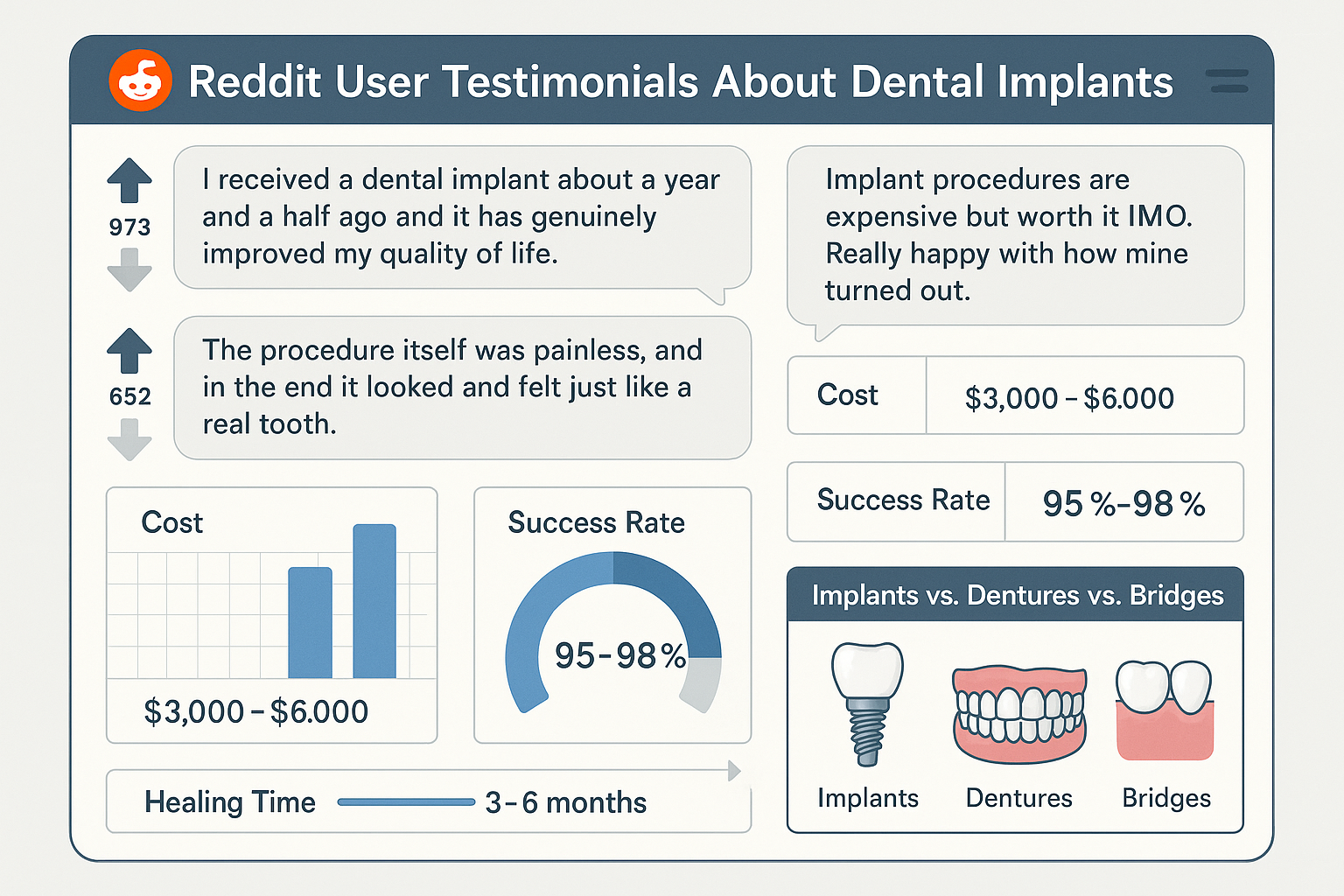
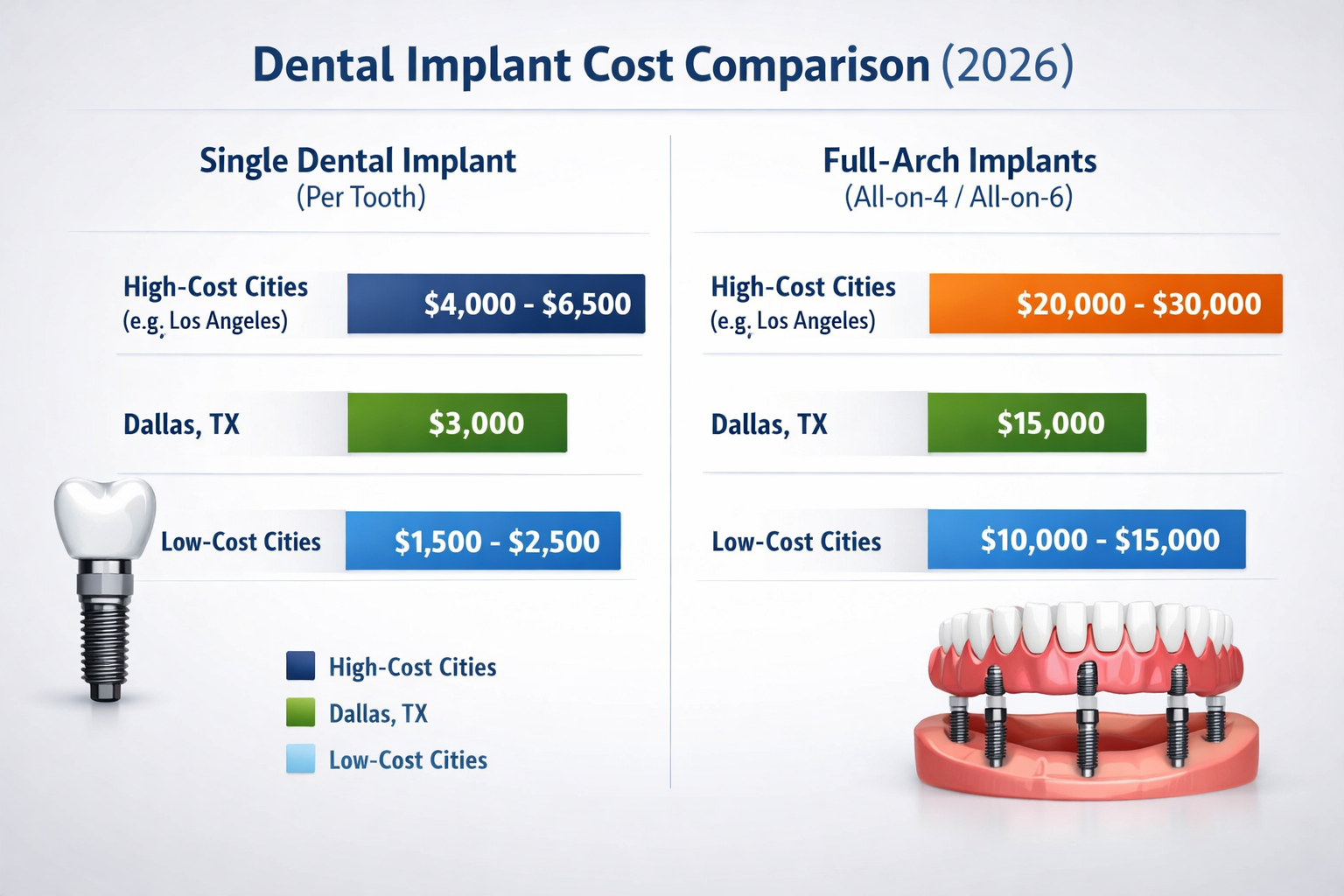
On Reddit communities like r/dentistry, r/DentalImplants, and r/personalfinance, patients report that a single dental implant (including the post, abutment, and crown) typically costs between $3,000 and $6,000 in the United States. Full-mouth restorations or All-on-4 procedures generally range from $15,000 to $30,000 per arch, depending on local market rates, required bone grafts, and specialist fees.
Contents
What Reddit Users Actually Pay for Dental Implants
When prospective patients search for real-world financial data, discussion threads on Reddit frequently offer a stark contrast to the polished advertisements seen on dental clinic websites. Promoted offers often advertise "implants starting at $999," but patient discussions quickly reveal that these promotional figures reflect only the implant screw itself—excluding essential components like the custom abutment, permanent crown, diagnostic imaging, or preliminary tooth extraction.
According to aggregated user reports across major dental subreddits, out-of-pocket expenses vary significantly by geographical region, practitioner credentials, and clinical complexity. In major metropolitan areas throughout the United States, patients routinely report total single-tooth costs between $4,000 and $6,000. In suburban or rural markets, that range often drops to between $2,500 and $3,500 per tooth.
Understanding these figures requires breaking down the distinction between an un-restored surgical placement and a complete functional restoration. Dental implants are multi-stage surgical and prosthetic procedures. A standard estimate quoted by an oral surgeon rarely includes the final restoration placed by a general dentist or prosthodontist, which accounts for much of the pricing confusion discussed online.
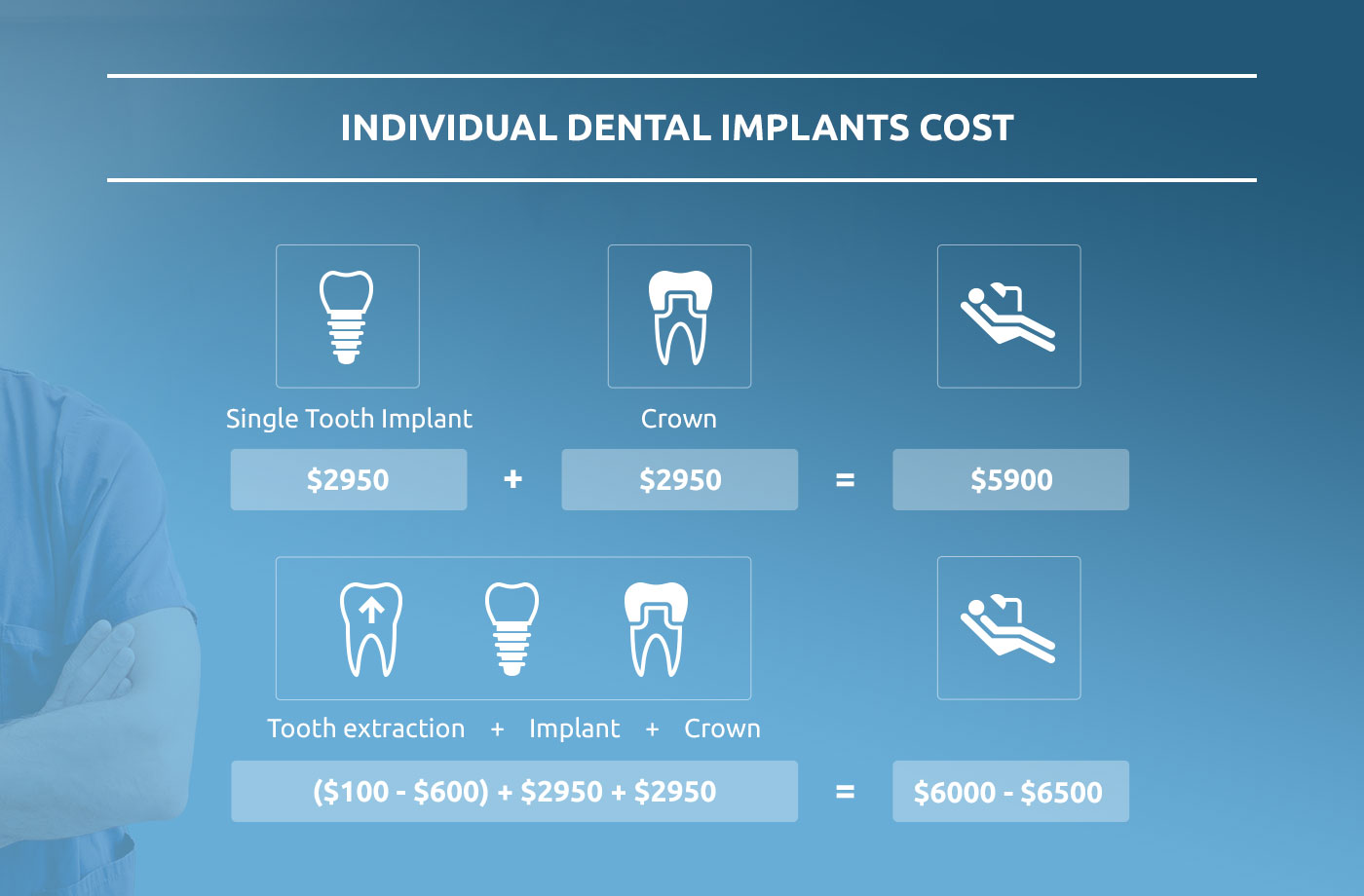
Total Implant Cost = Pre-Surgical Imaging + Extraction (if needed) + Bone Grafting (if needed) + Surgical Post Placement + Abutment + Final Crown
Itemized Cost Breakdown: Where the Money Goes
To evaluate a dental estimate effectively, patients must understand the individual line items that comprise a complete implant restoration. Reddit users frequently post itemized treatment plans to ask if they are paying a fair price. Below is how those line items typically break down in standard North American dental practices.
1. Diagnostic Imaging and Planning ($250 – $750)
Before any surgical intervention, dentists require high-resolution imaging to evaluate bone density and nerve placement. Standard 2D X-rays are insufficient for precise implant placement.
- Cone Beam Computed Tomography (CBCT) Scan: $300 – $600. A 3D digital scan essential for mapping the jawbone, nerves, and sinus cavities.
- Surgical Guide Creation: $150 – $300. A 3D-printed template designed from the CBCT scan to ensure exact depth and angle during surgery.
2. Preparatory Surgical Procedures ($300 – $3,000+)
Many patients require foundational work before an implant post can be safely anchored into the jawbone.
- Simple or Complex Extraction: $150 – $500 per tooth. Removing damaged or decayed teeth prior to placement.
- Bone Grafting (Socket Preservation): $300 – $1,500 per site. Synthetic or donor bone material placed into the socket to rebuild lost bone volume.
- Sinus Lift: $1,500 – $3,500. Required when upper posterior implants lack sufficient vertical bone height beneath the maxillary sinus cavity.
3. Surgical Implant Placement ($1,500 – $3,000)
This component represents the physical biocompatible titanium or zirconia screw inserted into the jawbone. The cost covers the surgical procedure, local anesthesia, surgical materials, and the implant body itself. Specialized practitioners, such as periodontists or oral surgeons, typically charge higher surgical fees than general dentists who perform implant surgery.
4. Abutment Placement ($300 – $1,000)
The abutment is the connector piece screwed into the implant post that projects through the gum line to hold the crown.
- Stock Abutment: $300 – $500. A pre-manufactured piece that works well for standard anatomical placements.
- Custom Abutment: $600 – $1,000. Individually milled (often from titanium or zirconia) to match the patient's specific tissue contours and bite alignment.
5. Final Crown Restoration ($1,000 – $2,500)
The visible, tooth-like cap attached to the abutment. Prices vary based on material selection:
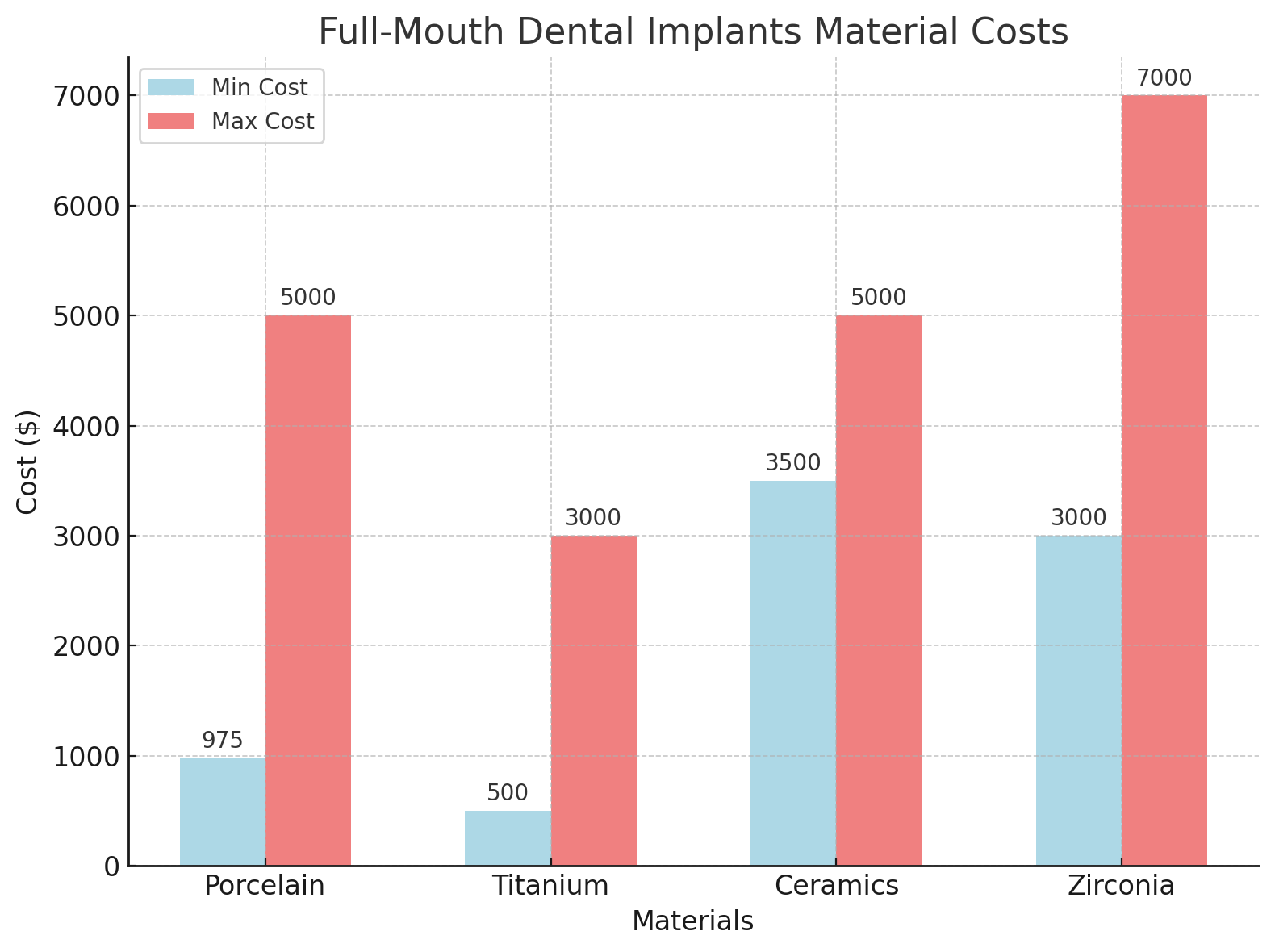
- Porcelain-Fused-to-Metal (PFM): $1,000 – $1,400. Highly durable, but can display a subtle dark metallic line near the gumline over time.
- Solid Zirconia or Monolithic Zirconia: $1,200 – $2,000. Exceptionally strong, resistant to chipping, and aesthetically natural; widely considered the modern standard for posterior teeth.
- E.max (Lithium Disilicate): $1,300 – $2,200. Preferred for front teeth due to superior translucency and aesthetic harmony with natural enamel.
Single-Tooth vs. Multi-Tooth vs. Full-Mouth Implants
The total cost of implant therapy scales differently based on how many missing teeth are being replaced. Patients rarely need a 1:1 ratio of implants to missing teeth when replacing multiple adjacent teeth or an entire arch.
Single-Tooth Restoration
Replacing a single missing tooth requires one surgical post, one abutment, and one single crown. The total out-of-pocket cost for an uncomplicated single-tooth replacement averages $3,500 to $5,000.
Multi-Tooth Implant-Supported Bridge
If three or four adjacent teeth are missing, dentists can place two implant posts anchored on either end to support a multi-unit bridge across the span. This avoids the cost of placing individual posts for every missing tooth. The average cost for a 3-unit implant bridge ranges from $5,000 to $9,000.
Full-Mouth Rehabilitation (All-on-4 / All-on-6)
For patients needing full upper or lower arch replacement, surgeons use strategic angling to place four to six implants per jaw, supporting a complete fixed hybrid prosthetic arch.
- Single Arch (Upper or Lower): $15,000 – $30,000.
- Full Mouth (Both Arches): $30,000 – $60,000+.
According to patient reports on r/DentalImplants, full-mouth pricing varies dramatically depending on whether the final prosthesis is made from acrylic fused to a titanium frame or solid monolithic zirconia. Zirconia full-arch prosthetics sit at the upper end of the price spectrum due to their longevity and stain resistance.
Comparison of Dental Implant Costs by Procedure Type
The following table synthesizes nationwide cost data reported by dental professionals and patient feedback across major forum discussions.
| Procedure Type | Components Included | Average U.S. Out-of-Pocket Cost | Primary Cost Variables |
|---|---|---|---|
| Single-Tooth Implant | Post, custom abutment, standard crown | $3,000 – $6,000 | Geographic region, specialist vs. general dentist, bone density |
| Implant-Supported Bridge (3-4 Teeth) | 2 implant posts, abutments, multi-unit bridge | $5,500 – $9,500 | Material (Zirconia vs. PFM), need for tissue grafting |
| All-on-4 (Single Arch) | 4 surgical posts, temporary arch, final fixed arch | $15,000 – $28,000 | Prosthetic material (acrylic vs. full zirconia), sedation fees |
| All-on-6 (Single Arch) | 6 surgical posts, temporary arch, final fixed arch | $18,000 – $35,000 | Surgical complexity, extensive sinus grafting |
| Bone Grafting (Per Site) | Graft material, membrane barrier, placement fee | $300 – $1,500 | Synthetic vs. autogenous bone, extent of jaw resorption |
| Sinus Lift (Per Side) | Direct or indirect sinus elevation, graft material | $1,500 – $3,500 | Internal vs. lateral window approach, specialist training |
Insurance Coverage and Financial Strategies Discussed on Reddit
One of the most frequent topics on financial subreddits is navigating insurance limitations. Historically, dental insurance classified implants as "cosmetic" or "elective" procedures, offering minimal to no coverage. While insurance policies have gradually adapted, limitations remain strict.
The Reality of Dental Insurance Coverage
Standard dental insurance policies typically enforce annual maximum benefits ranging from $1,000 to $2,500 per year. Because a single implant often exceeds $3,500, a standard policy will not cover the full cost even under favorable conditions.
- Major Services Coverage: Policies that do cover implants typically classify them as "Major Services," paying 50% of the covered fee after deductibles are met, up to the annual plan maximum.
- The "Missing Tooth Clause": Many insurance plans include a pre-existing condition clause stating that if a tooth was extracted before the insurance policy became effective, the plan will not pay to replace it.
- Split-Year Treatment Tactics: Reddit users frequently share a strategic approach for non-urgent work: initiating surgical placement and bone grafting late in one calendar year (using that year's annual maximum), and placing the final abutment and crown early in the following calendar year (resetting the annual maximum).
Flexible Spending Accounts (FSA) and Health Savings Accounts (HSA)
Patients frequently utilize pre-tax dollars to offset out-of-pocket implant expenses. Using an HSA or FSA allows patients to pay for surgery using dollars that bypass federal income taxation, effectively creating a 15% to 30% savings depending on the individual's tax bracket.
- HSA (Health Savings Account): Funds roll over indefinitely, making it an excellent vehicle to accumulate pre-tax savings for planned full-mouth restorations.
- FSA (Flexible Spending Account): Subject to "use-it-or-lose-it" rules per plan year, requiring precise scheduling between the surgical phase and final prosthetic delivery.
Third-Party Financing and In-House Payment Plans
When insurance coverage is exhausted or unavailable, patients commonly explore:
- Third-Party Healthcare Credit: Companies like CareCredit or LendingClub offer promotional 0% APR financing for periods ranging from 6 to 24 months. Reddit users emphasize caution: failing to pay the balance in full before the promotional period expires can trigger retroactively applied deferred interest rates exceeding 26% to 30% APR.
- Dental School Clinics: Teaching clinics at accredited dental universities offer implant placement supervised by board-certified faculty at discounts of 30% to 50% compared to private practices. The primary tradeoff is time; treatments require significantly longer appointments and multiple evaluation stages.
Dental Tourism: Community Insights and Risks
Searching "dental implants cost reddit" frequently leads to discussions regarding dental tourism. Reddit users frequently debate traveling outside their home countries to receive care in destinations like Mexico (Los Algodones), Costa Rica, Colombia, Thailand, or Turkey.
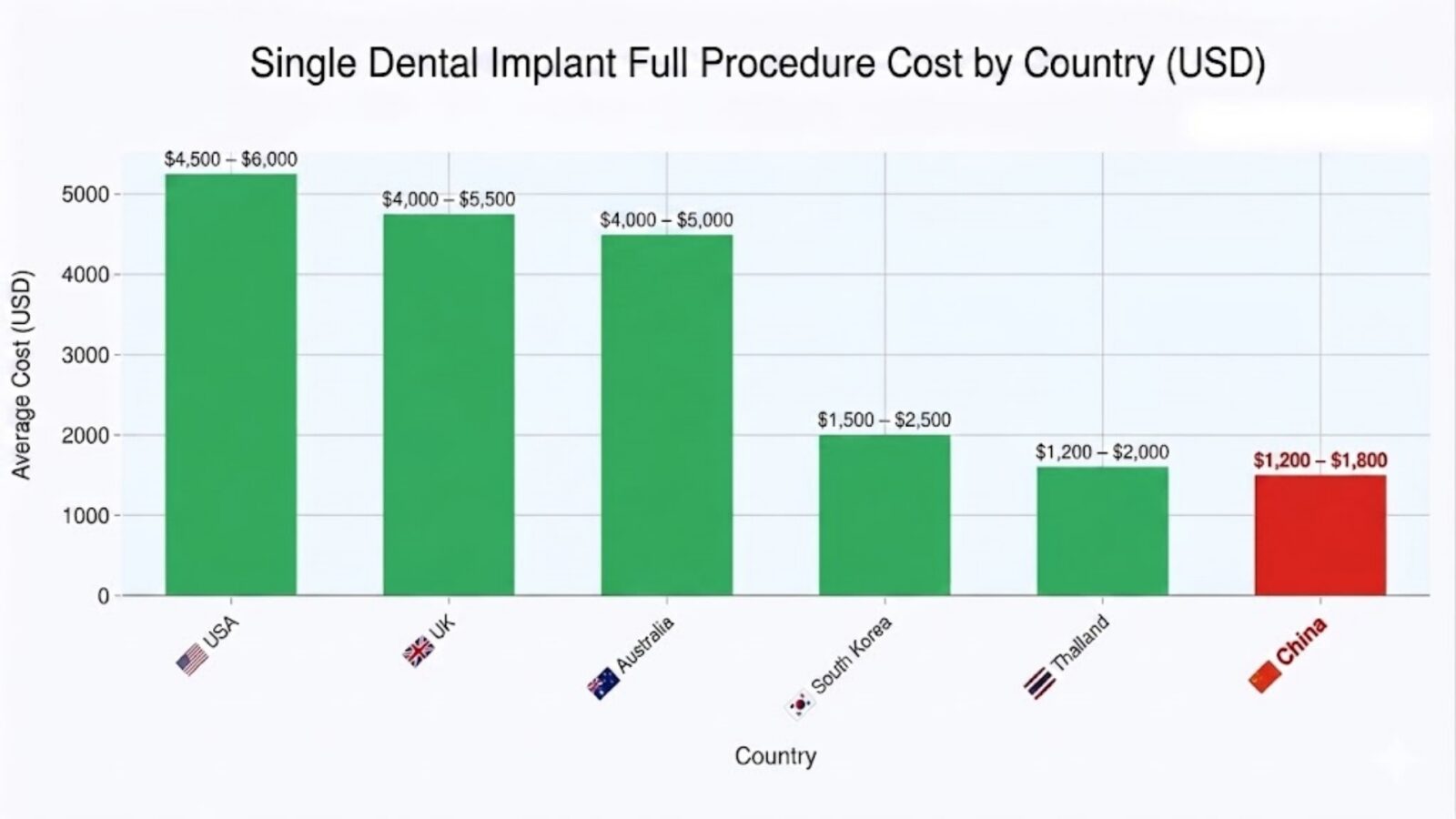
U.S. Single Implant Average: $3,500 – $5,000 Dental Tourism Single Implant Average: $1,000 – $1,800 (excluding travel/lodging)
Why Patients Consider Traveling
The primary driver for cross-border care is cost. A single implant in Los Algodones, Mexico, often costs between $800 and $1,500, while a full-arch All-on-4 package may range from $7,000 to $12,000. For patients needing extensive full-mouth restoration who lack insurance, these price differences can amount to tens of thousands of dollars.
Critical Considerations and Risks Raised by Dental Professionals
While many patients report successful outcomes abroad, dental professionals on Reddit emphasize several important risks:
- Implant System Compatibility: Global clinics sometimes use regional or obscure implant post brands. If a component fails, loosens, or requires a replacement screw years later back home, domestic dentists may not have the compatible driver components or repair parts to service that specific brand.
- Rushed Healing Protocols: Successful osseointegration—the process where jawbone tissue fuses to the titanium post—typically requires 3 to 6 months of healing before loading a heavy permanent crown. Overseas clinics sometimes condense treatment schedules into short travel windows, increasing the risk of early mechanical or biological implant failure.
- Follow-up and Maintenance Challenges: If an implant develops an infection (peri-implantitis) or fails to integrate after returning home, finding a local surgeon willing to take over another practitioner's unintegrated surgical work can be difficult and costly.
Red Flags and Questions to Ask Before Signing a Treatment Plan
Reddit's dental communities frequently advise patients to scrutinize quotes that appear significantly lower than local market averages. Low initial quotes often disguise hidden fees or compromised materials.
Questions to Ask During Your Consultation
- "Is this quote fully inclusive?" Ask specifically if the total covers the 3D CBCT scan, surgical placement, healing cap, abutment, final crown, and all follow-up visits.
- "What brand of implant post are you placing?" High-quality, widely documented manufacturers (such as Straumann, Nobel Biocare, Astra Tech, or Zimmer Biomet) have extensive clinical research data and readily available parts worldwide.
- "Who is performing each phase of the procedure?" Determine whether an oral surgeon or periodontist is performing the surgery and a prosthodontist or general dentist is crafting the final crown.
- "What is your failure protocol?" Ask what financial protections exist if the implant fails to integrate with the bone during the initial healing phase. Reputable practices usually offer clear policies regarding re-placement or partial refunds.
Frequently Asked Questions
Why do dental implant quotes vary so dramatically between clinics?
Prices vary based on geographical overhead costs, the practitioner's credentials (general dentist vs. board-certified oral surgeon), the quality of manufacturing materials (tier-one implant systems vs. generic white-label posts), and whether preparatory procedures like bone grafts or sinus lifts are required.
How long do dental implants actually last?
According to data published by the National Institutes of Health (NIH), properly placed dental implants demonstrate long-term success rates over 95%. While the titanium post inserted into the bone can last a lifetime with proper oral hygiene, the prosthetic crown attached to the top typically experiences wear and may require replacement after 10 to 15 years.
Can a general dentist place an implant, or should I see a specialist?
Both general dentists and dental specialists (oral surgeons and periodontists) can legally place implants. However, specialists undergo several additional years of surgical residency training focused on bone architecture, nerve mapping, and soft tissue management. For complex cases involving low bone density or front-tooth aesthetic zones, consulting a specialist is often recommended.
Is the dental implant procedure painful?
The surgical placement of an implant post is performed under local anesthesia or IV sedation, making the procedure itself painless. Most patients on Reddit report that post-operative discomfort over the following 3 to 7 days is manageable with over-the-counter pain relievers such as ibuprofen and acetaminophen, often comparing the recovery favorably to a complex tooth extraction.
What happens if I don't have enough bone for a dental implant?
If a 3D CBCT scan reveals inadequate bone structure, your dentist can perform a bone graft or sinus lift to rebuild the jawbone height and width. Healing typically takes 3 to 6 months before the implant post can be safely anchored into the newly strengthened site.
Practical Next Steps for Patients
Navigating dental implant costs requires methodical research and clear communication with your treatment team. If you are evaluating implant options:
- Schedule Consultations with Multiple Providers: Obtain comprehensive, itemized estimates from at least two separate practices—including one specialist (oral surgeon or periodontist)—to establish an accurate local pricing baseline.
- Request Itemized Billing Codes (CDT Codes): Ask each office for the specific Current Dental Terminology (CDT) codes for your treatment plan (e.g., D6010 for surgical placement, D6057 for custom abutment, D6058 for crown). Submit these exact codes to your insurance provider to clarify your out-of-pocket liabilities before surgery.
- Verify Material Specifications: Ensure your clinic uses established, high-tier implant manufacturers and high-strength crown materials such as monolithic zirconia or E.max.
- Explore Academic Dental Centers: If private practice quotes exceed your budget, contact an accredited university dental clinic to inquire about faculty-supervised resident implant programs.
Disclaimer: This article is for informational purposes only and does not constitute formal medical, dental, or financial advice. Clinical recommendations and pricing vary based on individual anatomy, regional economics, and practitioner assessment. Consult a licensed dentist or oral surgeon for individualized treatment planning.
Image Gallery