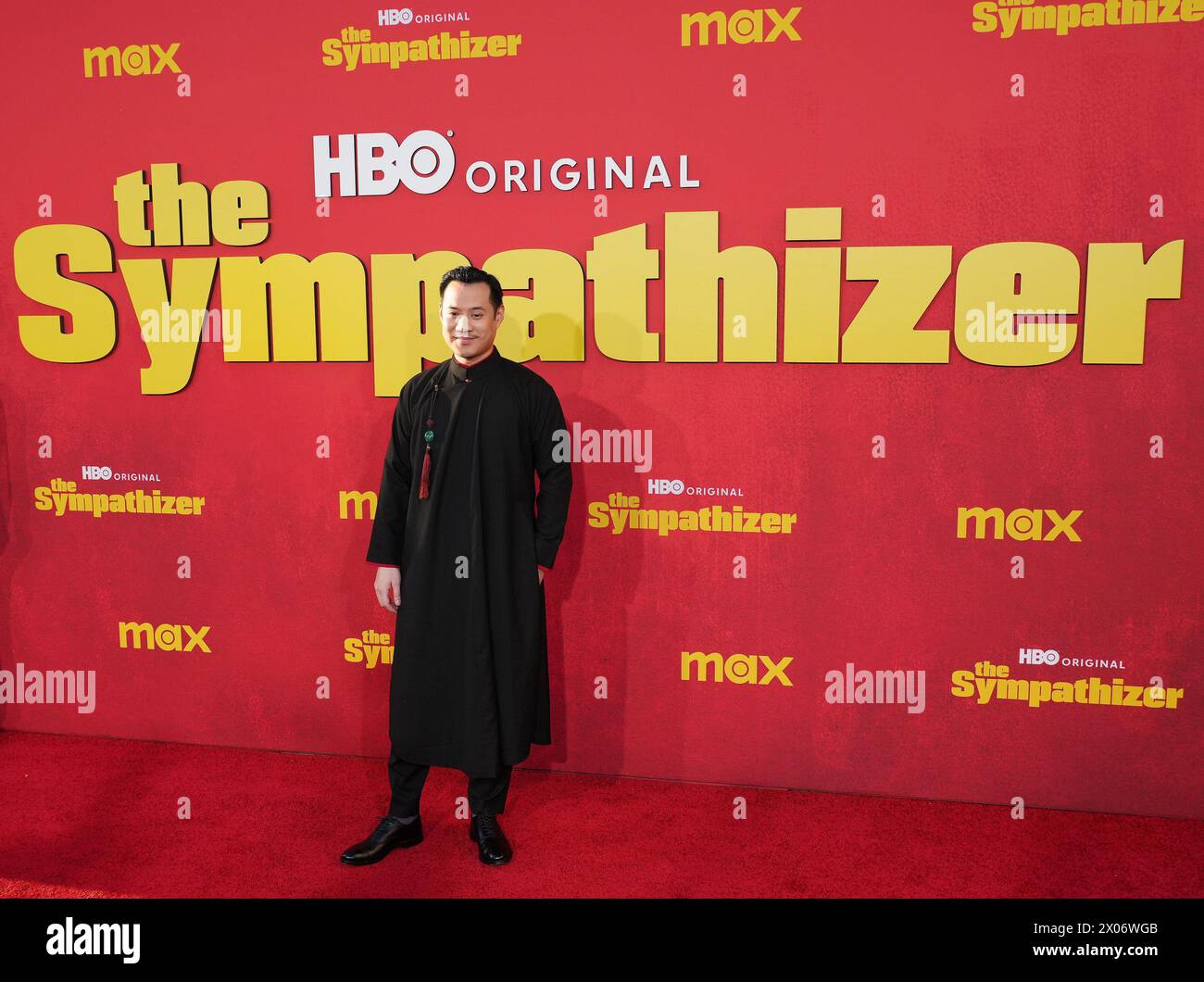
The Sympathizer Series Overview: Adaptation, Cast, and Production Details
The Sympathizer series overview provides a comprehensive look at the HBO television adaptation of Viet Thanh Nguyen’s Pulitzer Prize-winning novel, exploring its narrative structure, star-studded cast including Robert Downey Jr., behin...
The Sympathizer series overview provides a comprehensive look at the HBO television adaptation of Viet Thanh Nguyen’s Pulitzer Prize-winning novel, exploring its narrative structure, star-studded cast including Robert Downey Jr., behind-the-scenes creative direction, and critical reception.
Contents
Introduction to The Sympathizer Adaptation
The Sympathizer stands as one of the most ambitious literary-to-screen adaptations of recent years, bringing Viet Thanh Nguyen’s 2015 debut novel to life as a historical dark comedy drama miniseries. Co-created by showrunners Park Chan-wook and Don McKellar for HBO, A24, and Rhombus Media, the series premiered in April 2024 across HBO and Max. The narrative follows a half-French, half-Vietnamese communist spy known simply as "the Captain" during the final days of the Vietnam War and his subsequent exile in the United States.
By balancing gripping espionage thrills with biting satirical commentary, the production examines identity, cultural displacement, and ideological hypocrisy. Understanding this television event requires looking closely at its source material, its unique structural choices, its demanding dual roles, and its reception among critics and audiences alike.
Literary Origins and Core Narrative Framework
To fully understand the television series, one must examine the source material that inspired it. Viet Thanh Nguyen’s novel won the 2016 Pulitzer Prize for Fiction, celebrated for its fierce prose and profound exploration of the immigrant experience and the legacy of the Vietnam War.
The Premise of the Captain
The story is framed as a confession written by the protagonist, an unnamed narrator who serves as a captain in the South Vietnamese army while secretly spying for the Viet Cong. When Saigon falls in 1975, the Captain is forced to flee alongside his general to the United States. Settling in Los Angeles, he continues to report back to his communist handlers in Vietnam while trying to assimilate into American culture.
The core narrative tension stems from the Captain's liminal existence. He belongs to two worlds and yet fully belongs to neither. His mixed heritage makes him an outsider among his fellow refugees and a pawn for ideological masters on both sides of the conflict. This duality fuels the show's dark humor, psychological suspense, and philosophical inquiries into loyalty and betrayal.
Key Production Personnel and Creative Direction
The prestige television adaptation was spearheaded by a distinct international creative team that blended auteur cinema techniques with high-end premium cable production values.
Auteur Vision: Park Chan-wook
Renowned South Korean filmmaker Park Chan-wook (Oldboy, Decision to Leave) served as an executive producer and directed the first three episodes of the series. Park’s signature visual style—characterized by meticulous framing, kinetic camera movements, and tense pacing—gives the espionage sequences and psychological breakdowns an unmistakable cinematic weight.
Collaboration with Don McKellar
Canadian filmmaker, actor, and writer Don McKellar co-created the series alongside Park, serving as co-showrunner and co-writer. While Park established the stylistic foundation for the early episodes, subsequent episodes were directed by skilled international filmmakers such as Fernando Meirelles (City of God) and Marc Munden (Utopia). This rotating director model allowed the production to shift tones seamlessly as the Captain's journey moves from the chaotic fall of Saigon to the surreal landscapes of Southern California and eventually back to Southeast Asia.
Cast and Characters
The casting process for The Sympathizer required a careful balance of seasoned international stars and fresh Vietnamese-Australian and Vietnamese-American talent.
The Breakthrough Lead: Hoa Xuande
The anchor of the entire production is Australian actor Hoa Xuande, who stars as the Captain. Xuande's performance requires immense emotional range, managing the character's shifting loyalties, profound isolation, and sarcastic internal monologues. His ability to anchor the narrative amid the eccentricities of the supporting cast earned widespread critical praise.
Robert Downey Jr. in Multiple Roles
One of the most publicized aspects of the series is Academy Award winner Robert Downey Jr.’s portrayal of multiple antagonists. Downey plays several distinct characters who represent different facets of the American establishment and cultural hegemony. These roles include:
- Claude: A CIA operative who serves as the Captain's handler and mentor.
- Professor Hammer: An eccentric orientalist college professor.
- Niko Damianos: A pompous auteur film director.
- The Congressman: A politician fixated on reclaiming lost glory in Vietnam.
Downey’s casting across these archetypes serves a metatextual purpose, symbolizing how the Captain views American power structures as interchangeable manifestations of a single, dominating cultural force.
Supporting Ensemble
- Fred Nguyen Khan as Bon, the Captain’s fiercely loyal childhood best friend who loses his family during the fall of Saigon.
- Toan Le as The General, the rigid leader of the South Vietnamese community in exile.
- Kieu Chinh as The General's Mother, a grounding presence in the refugee household.
- Vy Le as Lana, the General's rebellious, Americanized daughter.
- Sandra Oh as Ms. Sofia Mori, a university administrator with whom the Captain shares a complicated romantic and professional entanglement.
Episode Structure and Narrative Arc
The miniseries unfolds over seven episodes, mapping out the trajectory of the Captain’s confession, his espionage activities, and his ultimate reckoning.
| Episode Number | Primary Focus / Setting | Key Narrative Events |
|---|---|---|
| Episode 1 | Fall of Saigon (1975) | Introduction of the Captain, secret communiques, chaotic evacuation planning, and the flight to the US. |
| Episode 2 | Los Angeles Exile | Arrival in Southern California, adjustment to refugee life, and initial contacts with Claude and local operatives. |
| Episode 3 | Hollywood Satire | Involvement in a major Hollywood Vietnam War film as a cultural consultant, skewering cinematic clichés. |
| Episode 4 | Counter-Intelligence | Deepening paranoia, execution of local assignments, and balancing dual loyalties under surveillance. |
| Episode 5 | Assassination Plots | Escalating tensions within the expatriate community and preparations for covert counter-revolutionary missions. |
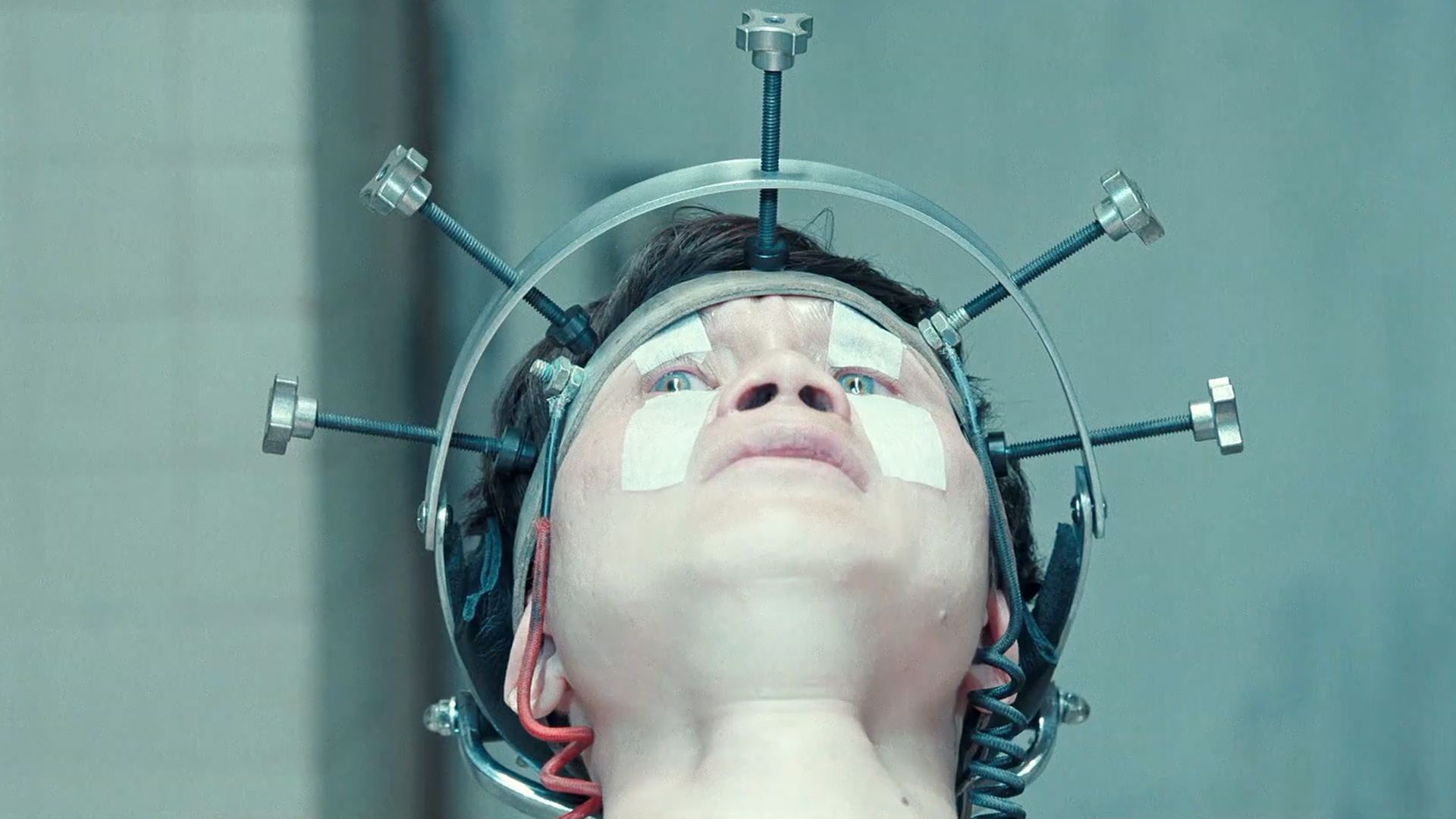
| Episode 6 | Return to Asia | The Captain’s return to Southeast Asia under false pretenses, leading to imprisonment and ideological re-education. |
| Episode 7 | Confession and Resolution | Final interrogation scenes, completion of the written confession, and the philosophical climax of the narrative. |
Thematic Depth and Cultural Significance
The Sympathizer avoids standard Hollywood tropes regarding the Vietnam conflict, which historically sidelined Vietnamese perspectives or reduced them to passive victims or adversaries. Instead, the narrative centers Vietnamese agency, conflict, and internal division.
Deconstructing the "Vietnam War" Narrative
In the United States, the conflict is commonly referred to as the Vietnam War, whereas in Vietnam, it is known as the American War. The series leans heavily into this duality. By filtering the story through a narrator who is simultaneously a communist spy and an agent of the American-backed regime, the show dismantles neat moral binaries. There are no clean heroes in the intelligence apparatus; idealism is repeatedly corrupted by pragmatism, violence, and institutional self-preservation.
Satire of Orientalism and Media Representation
A notable sequence within the series involves the production of an oversized Hollywood action movie about the war. This storyline serves as a sharp critique of how Western media flattens Asian history and culture for entertainment. Through the character of the film director played by Robert Downey Jr., the production satirizes artistic arrogance, cultural appropriation, and the erasure of Vietnamese voices from their own historical narrative.
Critical Reception and Industry Impact
Upon its release, The Sympathizer drew significant attention from critics and cultural commentators. Review aggregators noted a generally favorable critical consensus, praising the show's stylistic audacity, historical ambition, and the strength of its lead performances.
Strengths Noted by Critics
- Lead Performance: Hoa Xuande’s ability to anchor a structurally complex and genre-bending narrative was widely commended.
- Direction: Park Chan-wook’s distinct visual grammar brought an urgent, cinematic feel to prestige television.
- Audacious Tone: Reviewers highlighted the show's successful merging of high-stakes espionage thriller mechanics with dark, absurdist comedy.
Areas of Debate
Some critics noted that the tonal shifts—moving rapidly from harrowing torture sequences to biting Hollywood satire—could prove jarring for viewers expecting a conventional historical drama. Additionally, the density of the political and philosophical discourse occasionally tested the patience of casual viewers. However, these polarizing qualities were frequently cited by supporters as evidence of the series' artistic bravery and fidelity to Nguyen’s multi-layered novel.
Conclusion and Recommendations for Viewers
The Sympathizer delivers a challenging, visually striking, and intellectually demanding television experience. It rewards viewers who appreciate dense narrative structures, historical revisionism, and satire.
For the optimal viewing experience, audiences should approach the series with an openness to its shifting tones and dark humor. Those who have read Viet Thanh Nguyen’s original novel will find a faithful translation of its central thematic inquiries, while newcomers will encounter a fresh perspective on a familiar historical epoch. To prepare, viewers can explore interviews with the showrunners, read the Pulitzer-winning source text, or watch Park Chan-wook’s previous cinematic works to understand the visual language governing the screen adaptation.
Image Gallery