Why the Pope on Easter Chose Peace: Examining Papal Diplomacy and Spiritual Leadership
During high-profile liturgical celebrations, the leader of the Catholic Church frequently uses the global spotlight to address international conflicts, humanitarian crises, and moral imperatives. When observers analyze why the pope on...
During high-profile liturgical celebrations, the leader of the Catholic Church frequently uses the global spotlight to address international conflicts, humanitarian crises, and moral imperatives. When observers analyze why the pope on Easter chose peace as the central theme of his address, they are looking at a long-standing tradition of papal geopolitics combined with the specific theological weight of the resurrection. Easter, marking the foundational event of Christian faith, serves as an annual platform for the Holy See to issue urgent appeals for ceasefires, prisoner exchanges, and diplomatic negotiations in regions torn apart by war.
Contents
The Theological Foundation of Papal Easter Messages
To understand why peace forms the core of modern papal Easter addresses, one must examine the theological framework of the holiday itself. In Christian doctrine, Easter celebrates the resurrection of Jesus Christ, an event traditionally associated with reconciliation between God and humanity.
Papal teachings build directly upon this foundation, arguing that spiritual reconciliation must manifest concretely in earthly harmony. Popes consistently draw a direct line between the greeting of peace traditionally exchanged during Christian liturgy and the geopolitical necessity of ending armed conflicts.
The Concept of Urbi et Orbi
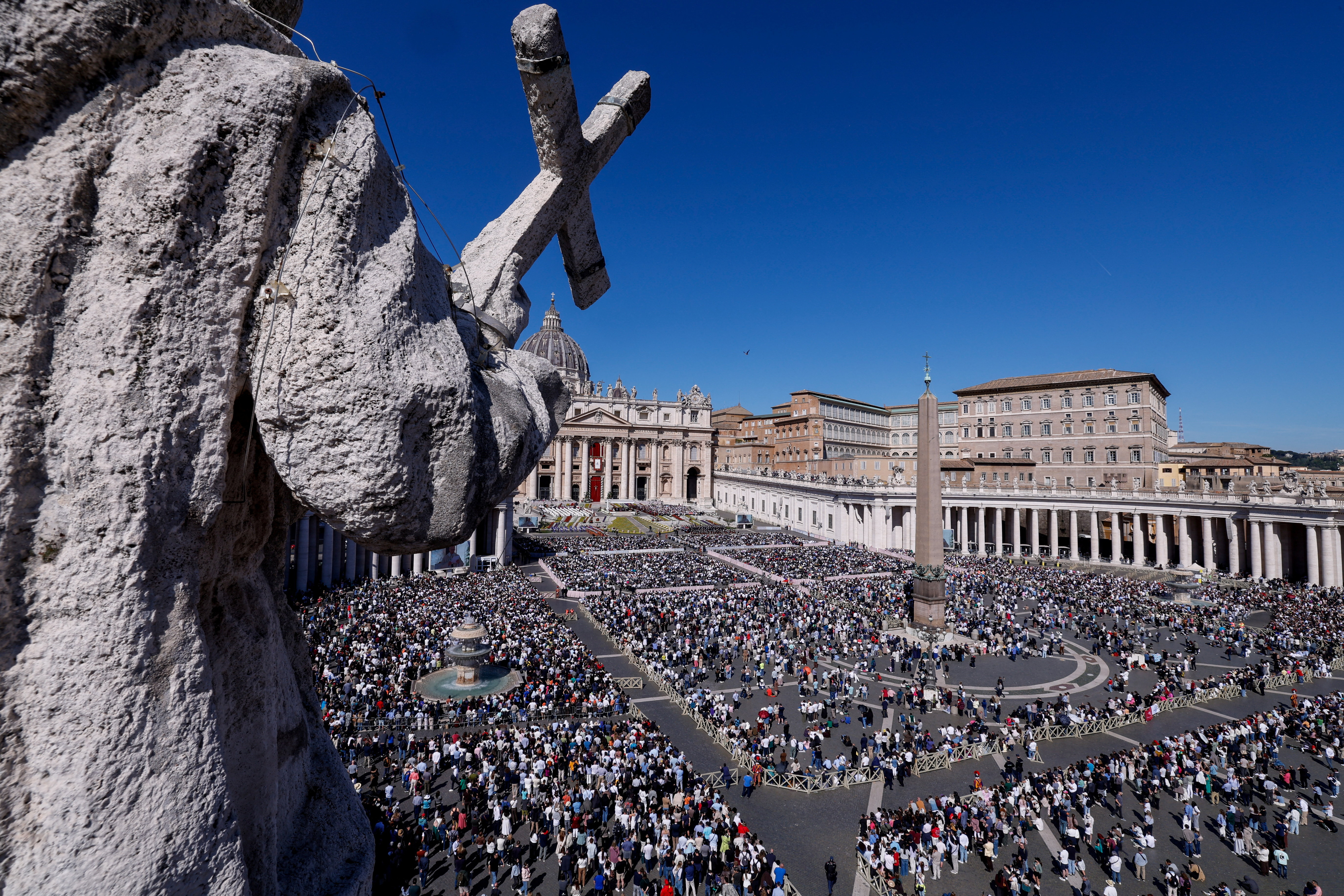
The primary vehicle for this message is the traditional Urbi et Orbi blessing—meaning "to the city [of Rome] and to the world"—delivered from the central balcony of St. Peter’s Basilica on Easter Sunday. This address is not merely a pastoral sermon; it is a formal geopolitical statement directed at international leaders, combatants, and civil society.
- Global Audience: The broadcast reaches millions of viewers across different continents, making it one of the most widely watched speeches by a global leader.
- Moral Authority: Unlike heads of state bound by military alliances or economic interests, the pontiff speaks from a non-aligned moral platform, allowing the Holy See to criticize multiple sides of a conflict without direct political retaliation.
- Thematic Consistency: Year after year, the address shifts from abstract theological concepts to naming specific humanitarian crises, urging immediate cessation of hostilities.
Historical Context of Papal Interventions in Global Conflicts
The choice to emphasize peace on Easter Sunday is not a recent innovation. Throughout modern history, popes have used major religious holidays to intervene diplomatically or morally in world affairs.
During the twentieth century, pontiffs faced the devastation of two World Wars and the ideological divisions of the Cold War. Their Easter and Christmas messages frequently served as conduits for back-channel diplomacy or public pressure on belligerent nations.
| Pope | Historical Context | Primary Peace Focus |
|---|---|---|
| Benedict XV | World War I (1914–1918) | Condemned the conflict as a "useless slaughter," urging negotiated settlements. |
| John Paul II | Fall of Communism / Balkan Wars | Advocated for religious freedom, human rights, and an end to ethnic cleansing in Eastern Europe. |
| Francis | Contemporary Global Conflicts | Emphasized a "piecemeal World War III," calling for nuclear disarmament and aid to refugees. |
These historical interventions establish a clear precedent: Easter is utilized strategically to remind the international community of human suffering and the moral bankruptcy of prolonged warfare.
The Pragmatic Realities of Papal Diplomacy
While the Easter message is inherently spiritual, the Holy See operates as a recognized subject of international law through Vatican City State and the Secretariat of State. Choosing peace on Easter serves concrete diplomatic functions within international relations.
Moral Pressure on Belligerents
Modern states engaged in military conflicts are sensitive to international public opinion. When a global religious leader with over a billion followers explicitly calls out the humanitarian cost of a war, it increases the political cost for leaders refusing to negotiate.
- Humanitarian Corridors: Papal appeals frequently precede or support negotiations to establish safe passage for civilians trapped in conflict zones.
- Prisoner Swaps: The Vatican’s diplomatic corps frequently leverages its neutral status to facilitate exchanges of prisoners of war or the repatriation of displaced children.
- Multilateral Engagement: The Holy See maintains diplomatic relations with over 180 sovereign states, allowing its Easter messages to align with behind-the-scenes diplomatic maneuvering by papal nuncios.
Addressing Contemporary Global Flashpoints
When a pope dedicates an Easter address to peace, the message is rarely generalized; it typically addresses specific, active war zones. In recent years, papal addresses have consistently highlighted protracted conflicts in the Middle East, Eastern Europe, and various regions across Africa.
The Middle East and the Holy Land
Given the geographical proximity and historical significance of the region to Christianity, conflicts in the Middle East receive prominent attention during Easter. Popes use the occasion to call for a two-state solution, protection for religious minorities, and immediate humanitarian aid for populations suffering from blockades and military operations.
European Security and Humanitarian Fallout
Conflicts within Europe, particularly large-scale conventional warfare, have also shaped recent Easter messages. The economic and social fallout—ranging from global food insecurity caused by disrupted grain exports to the displacement of millions of refugees—provides urgent economic and humanitarian justification for papal calls to end hostilities.
Criticisms and Limitations of Papal Appeals
Despite the moral weight behind these Easter addresses, analysts and critics frequently debate their practical efficacy. Understanding why the pope chooses peace requires acknowledging the inherent limitations of moral diplomacy in a secular, power-driven world.
- Lack of Enforcement Mechanism: The Vatican commands no military force and imposes no economic sanctions. Its influence relies entirely on persuasion.
- Realpolitik Realities: Authoritarian regimes and warring factions often dismiss moral appeals when military victory or territorial control appears achievable.
- Balancing Neutrality: Maintaining diplomatic neutrality can sometimes draw criticism from parties who feel the pope has not assigned sufficient blame to the aggressor in a specific conflict.
Despite these limitations, supporters argue that the primary value of the Easter peace message lies in keeping forgotten conflicts in the public eye and providing moral validation to peace activists and humanitarian workers operating in dangerous environments.
Conclusion: The Enduring Relevance of the Easter Message
The decision by the pope to center the Easter address on peace is a deliberate synthesis of core Christian theology and active global engagement. By leveraging the immense visibility of the resurrection celebrations, the Holy See projects a consistent moral counterweight to geopolitical aggression. Whether addressing ancient rivalries or modern technological warfare, the Easter message serves as a yearly reminder that peace remains a foundational prerequisite for human dignity and international stability.
Image Gallery