How Climate Change Will Affect People
Climate change affects people by altering fundamental Earth systems, creating compounding risks to human health, food security, economic stability, infrastructure, and global displacement. These disruptions manifest through rising glob...
Climate change affects people by altering fundamental Earth systems, creating compounding risks to human health, food security, economic stability, infrastructure, and global displacement. These disruptions manifest through rising global temperatures, changing precipitation patterns, extreme weather events, and sea-level rise, directly reshaping daily life and long-term societal well-being across every region of the world.
Contents
The Scope of Human Vulnerability
Understanding how climate change will affect people requires looking beyond abstract environmental metrics to examine direct human exposure. Vulnerability to climatic shifts is rarely distributed evenly; it is heavily mediated by socioeconomic status, geographic location, local infrastructure quality, and access to institutional resources.
Populations residing in low-lying coastal zones, arid environments, and densely populated urban heat islands face immediate compounding risks. Meanwhile, rural communities dependent on rain-fed agriculture face acute threats to their livelihoods. Recognizing these disparities is essential for assessing how shifting environmental baselines translate into human crises.
Direct Health Impacts and Disease Dynamics
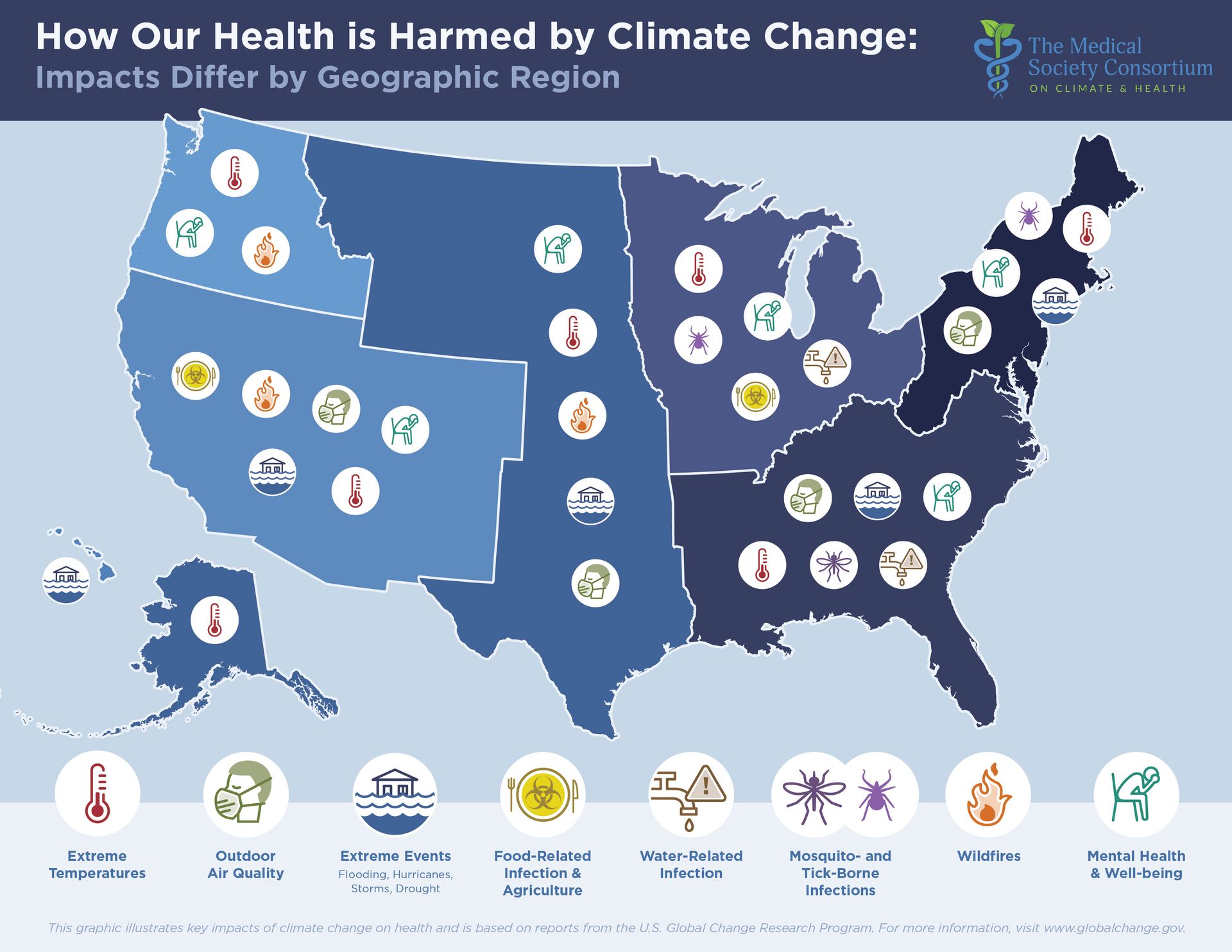
Global warming directly and indirectly transforms the landscape of human health. Higher ambient temperatures increase the incidence of heat-related illnesses, including heat exhaustion and fatal heatstroke, particularly among outdoor workers, the elderly, and urban residents without adequate cooling infrastructure.
Furthermore, changing temperature and precipitation patterns expand the geographic range and transmission season of vector-borne diseases. Mosquito and tick populations thrive in warmer, wetter conditions, accelerating the spread of pathogens responsible for:
- Malaria
- Dengue fever
- Zika virus
- Lyme disease
Waterborne diseases also surge following extreme weather events. Heavy precipitation and coastal flooding frequently overwhelm municipal stormwater and sanitation systems, contaminating drinking water supplies with bacteria and pathogens that cause cholera, dysentery, and giardiasis.
Food Security and Agricultural Disruptions
The stability of global and local food systems faces profound challenges as climate volatility intensifies. Crop yields depend heavily on predictable weather patterns, seasonal temperature ranges, and reliable freshwater availability.
- Temperature Stress: Excessive heat during critical flowering and grain-filling stages reduces crop productivity for staple grains such as wheat, rice, and maize.
- Water Scarcity: Prolonged droughts deplete aquifers and surface water reservoirs, forcing agricultural sectors to compete with municipal water demands.
- Soil Degradation: Intense downpours strip topsoil of vital nutrients through erosion, while rising sea levels increase soil salinity in coastal farming regions.
Marine ecosystems experience parallel disruptions. Ocean warming and acidification—caused by the absorption of excess carbon dioxide—disrupt marine food webs, degrading coral reefs and severely reducing wild fish stocks that provide essential protein and economic sustenance to hundreds of millions of coastal residents.
Economic Costs and Infrastructure Strain
Climate change exerts immense pressure on physical infrastructure and macroeconomic stability. Extreme weather events, ranging from high-intensity hurricanes to severe inland flooding, inflict billions of dollars in damage annually to residential housing, transportation networks, energy grids, and water treatment plants.
| Impact Category | Primary Physical Risk | Economic Consequence |
|---|---|---|
| Real Estate & Housing | Coastal flooding, storm surge, wildfires | Property devaluation, uninsurability, forced relocation |
| Transportation Networks | Buckling asphalt, washed-out bridges, flooded ports | Supply chain fractures, increased repair expenditures |
| Energy Grids | Peak cooling demand surges, wildfire line threats | Rolling blackouts, infrastructure degradation, higher tariffs |
| Public Finance | Disaster recovery spending, municipal tax base erosion | Sovereign credit rating downgrades, structural budget deficits |
These compounding losses reverberate through global financial markets. As the frequency of weather-related disasters increases, property and casualty insurance premiums rise sharply, and insurers withdraw coverage entirely from high-risk hazard zones. This leaves property owners financially exposed and creates systemic vulnerabilities within the broader mortgage and banking sectors.
Displacement, Migration, and Social Conflict
As environmental conditions deteriorate in historically habitable regions, human mobility becomes an essential adaptation strategy. The Intergovernmental Panel on Climate Change (IPCC) and organizations like the UNHCR (UN Refugee Agency) document how slow-onset hazards—such as desertification, persistent drought, and sea-level rise—alongside sudden-onset disasters displace millions of people annually.
Internal Displacement and Urbanization
The vast majority of climate-induced displacement occurs internally within national borders. Rural agriculturalists and coastal villagers forced off their lands migrate toward urban centers in search of wage labor and security. This rapid, unplanned influx places severe strain on municipal infrastructure, expanding informal settlements and slums that lack basic sanitation, durable housing, and disaster resilience.
Cross-Border Migration and Geopolitical Tensions
When environmental shocks intersect with pre-existing governance failures, economic poverty, and political instability, the risk of civil conflict escalates. Competition over diminishing resources—specifically arable land and freshwater basins—can intensify local grievances and trigger regional displacement across international borders. Because international legal frameworks do not universally recognize "climate refugees," displaced populations often exist in legal grey areas without standardized protections or formal rights.
Adaptation and Mitigation Pathways
Addressing how climate change affects people requires a dual approach: mitigation to reduce greenhouse gas emissions and prevent catastrophic warming, and adaptation to protect human populations from unavoidable climatic changes.
- Building Resilience: Upgrading urban drainage systems, constructing seawalls, developing drought-resistant crop varieties, and establishing early-warning systems for extreme weather events.
- Transitioning Energy Systems: Moving away from fossil-fuel dependence toward decentralized renewable energy sources, such as solar and wind, to stabilize energy grids and reduce air pollution.
- Ecosystem Restoration: Protecting and restoring wetlands, mangrove forests, and urban green spaces to naturally buffer storm surges, absorb carbon, and reduce urban heat island effects.
Integrating these measures into local and national development planning minimizes human suffering and economic loss, bridging the gap between near-term disaster response and long-term societal sustainability.
Frequently Asked Questions
Will climate change affect everyone equally?
No. Vulnerability to climate change varies significantly based on geography, economic resources, and social infrastructure. Low-income nations and marginalized communities within wealthy countries often experience the most severe disruptions because they lack the financial capital and institutional resources needed to adapt effectively.
How does climate change impact global water supplies?
Climate change accelerates the hydrological cycle, causing more intense precipitation in some regions and severe, prolonged droughts in others. Melting glaciers, which supply freshwater to billions of people seasonally, are receding rapidly, threatening long-term municipal and agricultural water security.
What is a climate refugee?
While widely used in public discourse, the term "climate refugee" lacks a formal definition under the 1951 Refugee Convention, which defines refugees based on persecution. People displaced primarily by environmental degradation are more accurately categorized under international law as environmentally displaced persons or disaster-displaced persons.
How do rising sea levels affect coastal populations?
Rising sea levels, driven by melting ice sheets and the thermal expansion of seawater, increase the frequency and severity of coastal flooding. This threatens freshwater aquifers with saltwater intrusion, erodes coastlines, and forces the permanent relocation of low-lying island and coastal communities.
Can adaptation measures fully protect human populations from climate change?
Adaptation measures significantly reduce risks, but they have physical and economic limits. While engineering solutions like seawalls or resilient agriculture help manage moderate warming, a high-emissions scenario would produce changes exceeding human adaptive capacity in numerous global regions.
Conclusion
The impacts of climate change on human populations are comprehensive, intersecting health, food security, economic stability, and human mobility. Understanding these dynamics highlights the urgent need for coordinated global action that combines aggressive emissions reductions with robust, equity-focused adaptation strategies to safeguard human well-being for current and future generations.
Image Gallery