A Complete Guide to Culinary Boot Camps in 2026: Costs, Programs, and Career Impact
A culinary boot camp is an intensive, short-term training program designed to teach fundamental or advanced cooking techniques in a condensed timeframe. Ranging from two-day workshops for enthusiasts to multi-week professional intensiv...
A culinary boot camp is an intensive, short-term training program designed to teach fundamental or advanced cooking techniques in a condensed timeframe. Ranging from two-day workshops for enthusiasts to multi-week professional intensives, these programs focus on hands-on skill acquisition, including knife work, flavor profiles, and kitchen management, bypassing the lengthy duration of traditional degree programs.
Contents
Culinary boot camps have evolved into a primary pathway for both career changers and serious hobbyists. In 2026, the landscape of culinary education has shifted to accommodate a faster-paced industry, where the demand for specialized, high-intensity training often outweighs the need for a traditional two-year associate degree. Whether your goal is to lead a professional kitchen or master the art of French pastry for personal enrichment, understanding the structure, costs, and expectations of these programs is essential for a successful enrollment.
Understanding the Distinction: Recreational vs. Professional Boot Camps
Before selecting a program, it is vital to distinguish between recreational boot camps and professional intensives. While both utilize the term "boot camp," their objectives, rigor, and outcomes differ significantly.
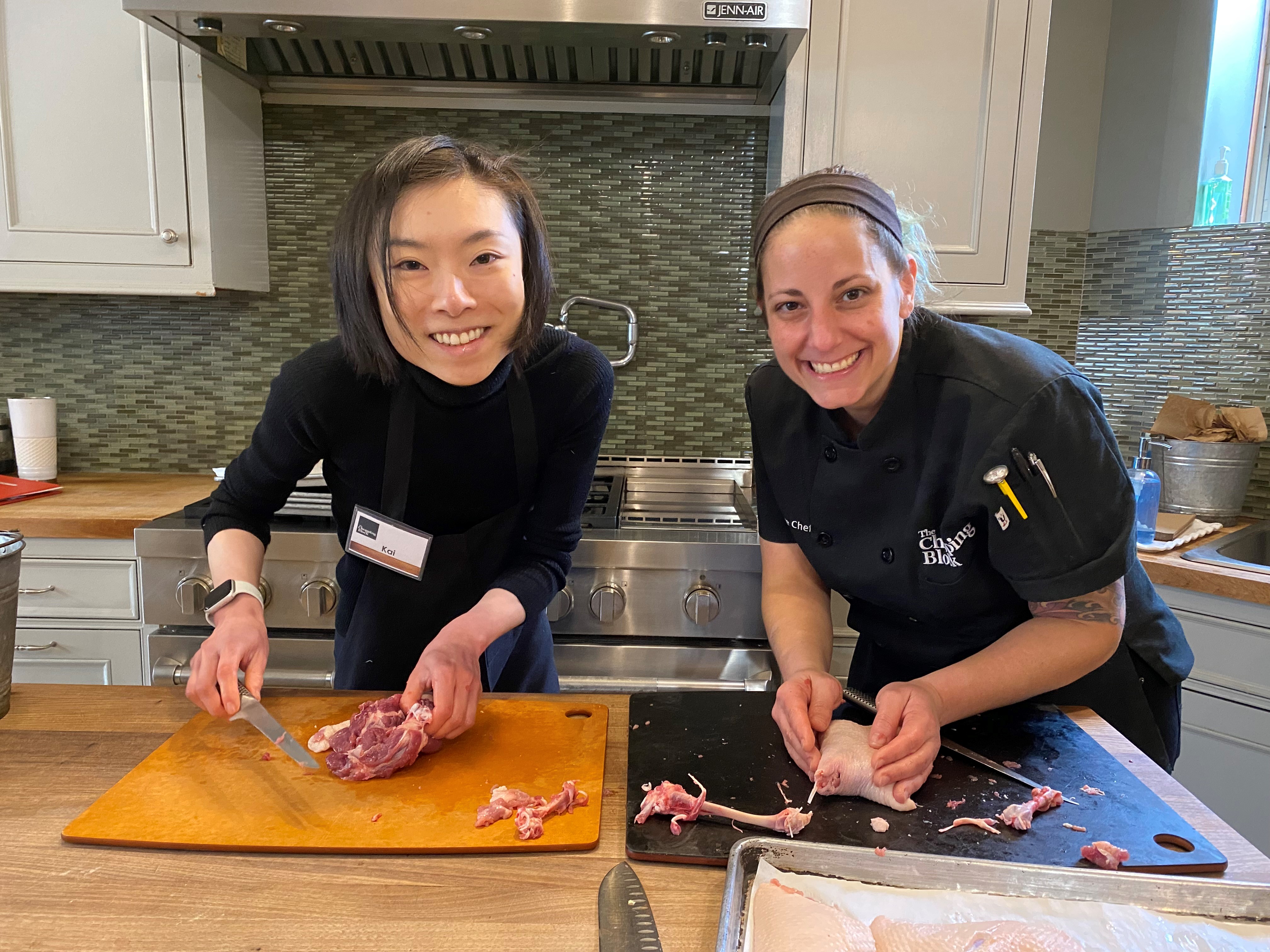
Recreational boot camps are designed for the home cook. These programs typically last between two and five days and focus on making cooking more enjoyable and efficient at home. The atmosphere is social yet educational. Participants might spend a weekend focusing exclusively on "Mediterranean Flavors" or "Artisan Bread Baking." The primary goal is personal skill advancement without the pressure of commercial kitchen standards.
Professional culinary boot camps (often called "Career Intensives") are rigorous, high-pressure environments. These are targeted at individuals looking to enter the hospitality workforce quickly or entrepreneurs planning to open their own food businesses. In 2026, many of these programs have integrated "stage" (internship) components, allowing students to apply their skills in live restaurant environments. These programs demand physical stamina, a high tolerance for heat and stress, and a commitment to professional hygiene and safety standards.
Core Curriculum: What to Expect in an Intensive Program
Regardless of the specific school, most high-quality culinary boot camps adhere to a foundational curriculum rooted in classical techniques. The "boot camp" model relies on the philosophy that mastering the basics allows a chef to execute any recipe, regardless of the cuisine.
Knife Skills and Mise en Place
The first hurdle in any reputable boot camp is mastering the knife. Students spend hours learning specific cuts—brunoise, julienne, bâtonnet, and paysanne—with an emphasis on uniformity and speed. Uniform cuts are not merely for aesthetics; they ensure that food cooks at an even rate. Parallel to this is the concept of Mise en Place, a French term meaning "everything in its place." This involves the physical and mental preparation of ingredients and tools before cooking begins. In a boot camp setting, instructors evaluate students as much on their organization and cleanliness as they do on the final taste of the dish.
Heat Application and Dry/Moist Cooking Methods
Understanding the science of heat is the second pillar. Programs cover dry-heat methods (roasting, grilling, sautéing, and searing) and moist-heat methods (braising, poaching, and steaming). Students learn to identify the "Maillard reaction"—the chemical reaction between amino acids and reducing sugars that gives browned food its distinctive flavor. By 2026, curricula have also expanded to include precision temperature cooking, such as advanced sous-vide techniques, which are now standard in most commercial kitchens.
The Foundation of Sauces (The Five Mother Sauces)
Classical culinary education is built upon the five mother sauces: Béchamel, Velouté, Espagnole, Sauce Tomate, and Hollandaise. A boot camp dedicated to professional training will require students to master these foundations, as they serve as the starting point for hundreds of "small sauces." Understanding the role of thickeners, such as roux (a mixture of fat and flour) or starch slurries, is a critical component of this training.
Top Institutions Offering Culinary Boot Camps in 2026
Several prestigious institutions have defined the standard for culinary boot camps. While many local cooking schools offer short courses, the following organizations provide nationally and internationally recognized intensive programs.
- The Culinary Institute of America (CIA): The CIA remains the gold standard. Their "Boot Camp" brand is a trademarked series of programs ranging from 2 to 5 days. Based in Hyde Park, NY, San Antonio, TX, and Napa, CA, they offer specialized tracks in Skill Development, Baking, and World Cuisines.
- The Institute of Culinary Education (ICE): With campuses in New York City and Los Angeles, ICE offers "Intensive" programs that act as a bridge between recreational and professional tracks. Their programs are highly regarded for those looking to pivot careers in a major food hub.
- Auguste Escoffier School of Culinary Arts: Escoffier has become a leader in the hybrid model, offering intensive online boot camps paired with local externships. This is often the most accessible route for those who cannot relocate to a major city.
- King Arthur Baking School: For those specializing in the pastry arts, King Arthur offers some of the most technical and respected flour-based boot camps in the United States, focusing on the chemistry of fermentation and hydration.
Comparing Culinary Boot Camp Options (2026 Projections)
The following table provides a comparison of popular boot camp types based on current 2026 market rates and program structures.
| Program Type | Duration | Focus Area | Estimated Cost (USD) | Best For |
|---|---|---|---|---|
| Professional Intensive | 4–12 Weeks | Career entry, commercial skills | $8,000 – $15,000 | Career Changers |
| Skill-Based (CIA style) | 5 Days | Knife skills, stocks, sauces | $2,500 – $3,500 | Serious Amateurs |
| Specialized (Baking) | 3–5 Days | Pastry, bread, chocolate | $1,200 – $2,200 | Hobbyists/Specialists |
| Weekend Workshop | 2 Days | Regional cuisine, basics | $500 – $900 | Casual Learners |
| Hybrid/Online | 6–10 Weeks | Foundational theory + home labs | $3,000 – $5,000 | Remote Learners |
Prerequisites and Physical Requirements
Culinary boot camps are deceptively demanding. Prospective students must be prepared for the physical and mental rigors of a professional kitchen environment.
- Physical Stamina: You will be on your feet for 8 to 10 hours a day. Kitchen floors are typically hard tile or concrete, which can be taxing on the back and joints.
- Heat Tolerance: Commercial kitchens can reach temperatures exceeding 100°F (38°C) near the ranges and ovens.
- Sensory Requirements: Cooking is an inherently sensory profession. You must be able to taste, smell, and visually inspect ingredients constantly.
- Attire and Equipment: Most professional boot camps require a specific uniform: a double-breasted chef’s coat, checkered trousers, a skull cap or toque, and non-slip, closed-toe kitchen shoes (often brands like Birkenstock or Dansko). While some programs provide a "loaner" knife kit, many require students to purchase their own set, including a chef’s knife, paring knife, and serrated bread knife.
The Financial Aspect: Is the Investment Worth It?
In 2026, the cost of a culinary boot camp must be weighed against the potential return on investment (ROI). For a career changer, a $10,000 intensive is significantly cheaper than a $40,000 to $60,000 associate degree. However, it is important to note that most short-term boot camps (under 15 weeks) do not qualify for federal financial aid (FAFSA) in the United States.
Potential students should look for programs that offer:
- Job Placement Assistance: Does the school have a network of restaurant groups that hire their graduates?
- Certification: Does the program offer a ServSafe Food Handler or Manager certification? This is a legal requirement for most kitchen jobs and adds immediate value to your resume.
- Alumni Networks: Access to a community of former students can be invaluable for finding stages or job openings in a competitive market.
Common Mistakes to Avoid When Choosing a Program
Many students enter culinary boot camps with unrealistic expectations. Avoid these common pitfalls to ensure you get the most out of your tuition:
- Choosing Based on Location Only: A local community college may offer a "boot camp," but it may lack the industry-standard equipment or high-volume experience of a dedicated culinary institute.
- Ignoring the "Clean-Up" Factor: Professional cooking involves significant amounts of cleaning, dishwashing, and "breaking down" a station. If a program doesn't emphasize sanitation and cleaning, it is not preparing you for a real-world kitchen.
- Underestimating the Homework: Even in a hands-on program, there is theory to learn. You will likely be required to study mother sauce derivatives, conversion math (scaling recipes), and food safety protocols outside of kitchen hours.
FAQs About Culinary Boot Camps
Are culinary boot camps worth it for home cooks?
Yes, if the goal is to increase efficiency and confidence. A 5-day boot camp can save a home cook hundreds of hours over a lifetime by teaching proper organization and technique, which reduces waste and improves the quality of daily meals.
Can I get a job as a chef immediately after a boot camp?
You can likely secure a position as a line cook or prep cook. The title of "Chef" is usually earned through years of experience. However, a professional intensive program provides the foundational skills needed to bypass the "dishwasher" entry phase in many restaurants.
Do I need to have prior cooking experience?
Most introductory boot camps require zero prior experience. However, "Advanced" or "Level 2" boot camps will often have prerequisites, requiring students to demonstrate proficiency in basic knife skills and heat application.
Are there vegan or plant-based culinary boot camps?
By 2026, plant-based tracks have become standard. Institutions like Auguste Escoffier offer specific Plant-Based Culinary Arts programs that focus on meat alternatives, fermentation, and vegan pastry techniques.
What is the average age of a boot camp student?
The demographic is incredibly diverse. You will find 18-year-olds looking for an alternative to college, 35-year-old career changers, and 60-year-old retirees pursuing a lifelong passion.
Final Recommendation: How to Take the First Step
To choose the right culinary boot camp in 2026, first define your "End State." If you want to work in a Michelin-starred restaurant, look for intensive programs at the Culinary Institute of America. If you want to open a small bakery or improve your home skills, a specialized 3-day workshop at a school like King Arthur or a local boutique culinary studio is more cost-effective. Before depositing any tuition, request a syllabus and ask about the instructor-to-student ratio; ideally, you want no more than 12 students per instructor to ensure you receive the necessary feedback on your technique.
Image Gallery