Why Picasso's Most Expensive Painting Matters
Pablo Picasso’s masterpiece Les Femmes d’Alger (Version O) commanded $179.4 million at Christie's, establishing a benchmark that proves why his most expensive paintings matter as historical catalysts for the modern art market, shifting...
Pablo Picasso’s masterpiece Les Femmes d’Alger (Version O) commanded $179.4 million at Christie's, establishing a benchmark that proves why his most expensive paintings matter as historical catalysts for the modern art market, shifting cultural valuation, and reshaping the mechanics of global wealth preservation.
Contents
The financial milestones achieved by Pablo Picasso’s works extend far beyond mere speculation or status symbols for billionaires. When a major painting by the Spanish modernist shatters auction records, it fundamentally alters how the art world prices genius, how museums secure cultural heritage, and how institutional investors view fine art as an alternative asset class. Understanding why Picasso's most expensive painting matters requires examining the intersection of art history, market economics, and the psychological weight of cultural icons. As the twentieth century's most prolific and influential artist, Picasso established visual paradigms that still dictate contemporary aesthetic valuation. Analyzing his record-breaking sales provides a clear window into the mechanics of the high-end art market and the enduring legacy of modernism.
The Evolution of Picasso's Market Dominance
To comprehend why Picasso's record-breaking sales matter, one must first trace how his market evolved from a counter-cultural movement into the blue-chip bedrock of global fine art collecting. During his lifetime, Picasso shifted artistic conventions through breakthroughs like Cubism, bridging African tribal art with European painting traditions, and continually reinventing his personal style across multiple decades.
His commercial success was unprecedented for a living artist, but the post-mortem valuation of his catalog has outpaced almost every historical peer. The demand for top-tier Picassos stems from scarcity in the primary masterpieces. While Picasso produced tens of thousands of works across paintings, sculptures, ceramics, and prints, his truly monumental canvases—such as the 1955 Les Femmes d'Alger or the 1932 Le Rêve—are tightly held in museum collections or locked within private estates.
When these rare masterworks enter the open market, they trigger fierce competition among international collectors. This scarcity creates a multiplier effect on pricing, turning each public sale of a top-tier painting into a new valuation ceiling for the entire blue-chip art sector. Auction houses rely on these moments to validate the resilience of high-end investments, reassuring collectors that physical masterworks retain liquidity and prestige even during macroeconomic downturns.
Economic Mechanics Behind Nine-Figure Art Valuations
The astronomical prices fetched by Picasso's premier canvases serve as economic indicators for the broader alternative investment landscape. High-net-worth individuals, family offices, and private equity funds analyze these transactions to gauge the health of tangible asset classes.
Unlike equities or real estate, fine art does not generate regular cash flow or dividends. Its valuation relies entirely on consensus, cultural capital, and the expectation of future appreciation. When a Picasso painting crosses the $100 million threshold, it signals to financial markets that blue-chip art functions as a viable store of wealth and a hedge against inflation.
| Painting Title | Year Painted | Sale Price (USD) | Auction House / Venue | Year Sold |
|---|---|---|---|---|
| Les Femmes d’Alger (Version O) | 1955 | $179.4 Million | Christie's, New York | 2015 |
| Le Rêve | 1932 | $155.0 Million | Private Sale (Steven Cohen / Steve Wynn) | 2013 |
| Garçon à la pipe | 1905 | $104.2 Million | Sotheby's, New York | 2004 |
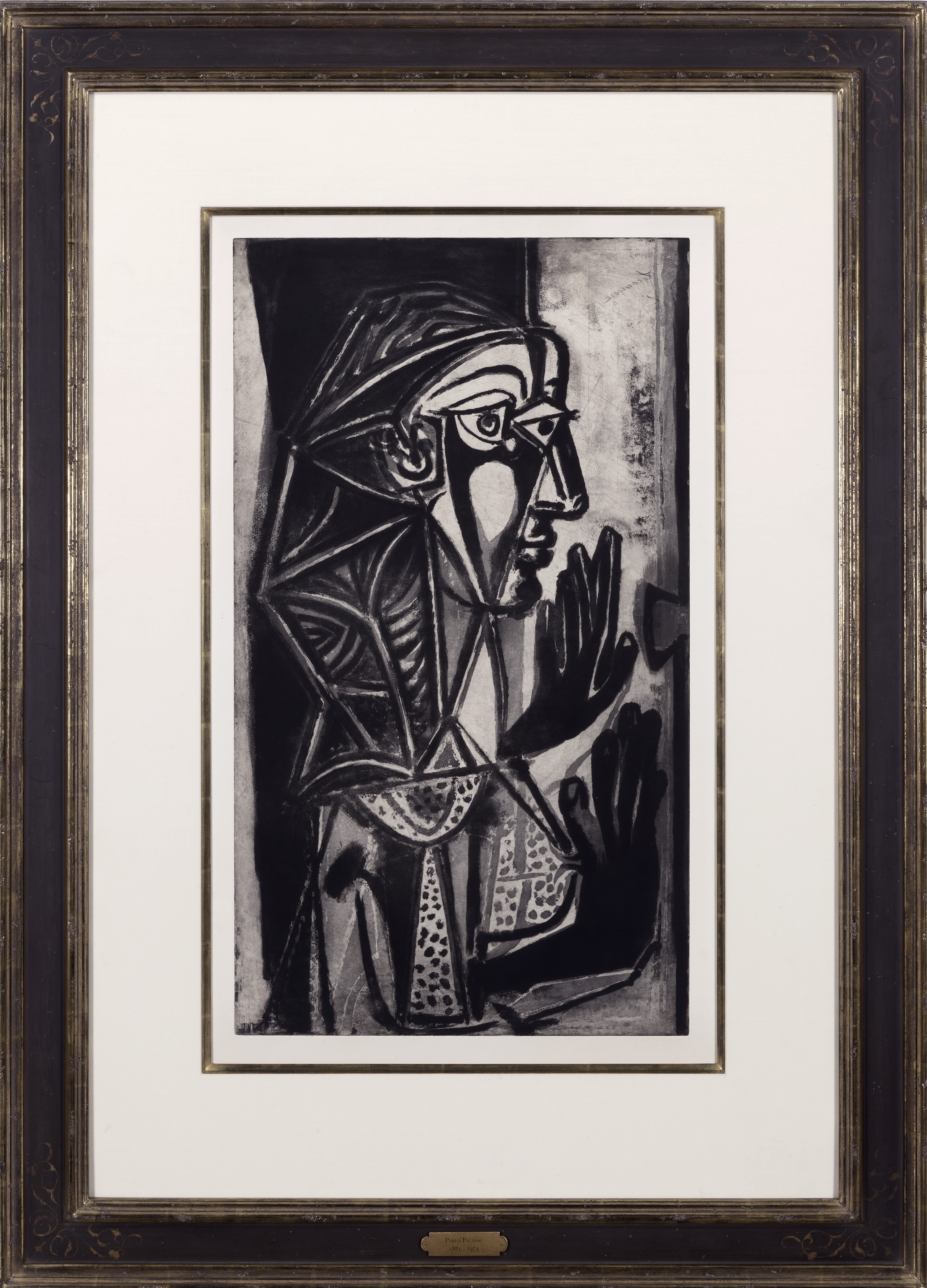
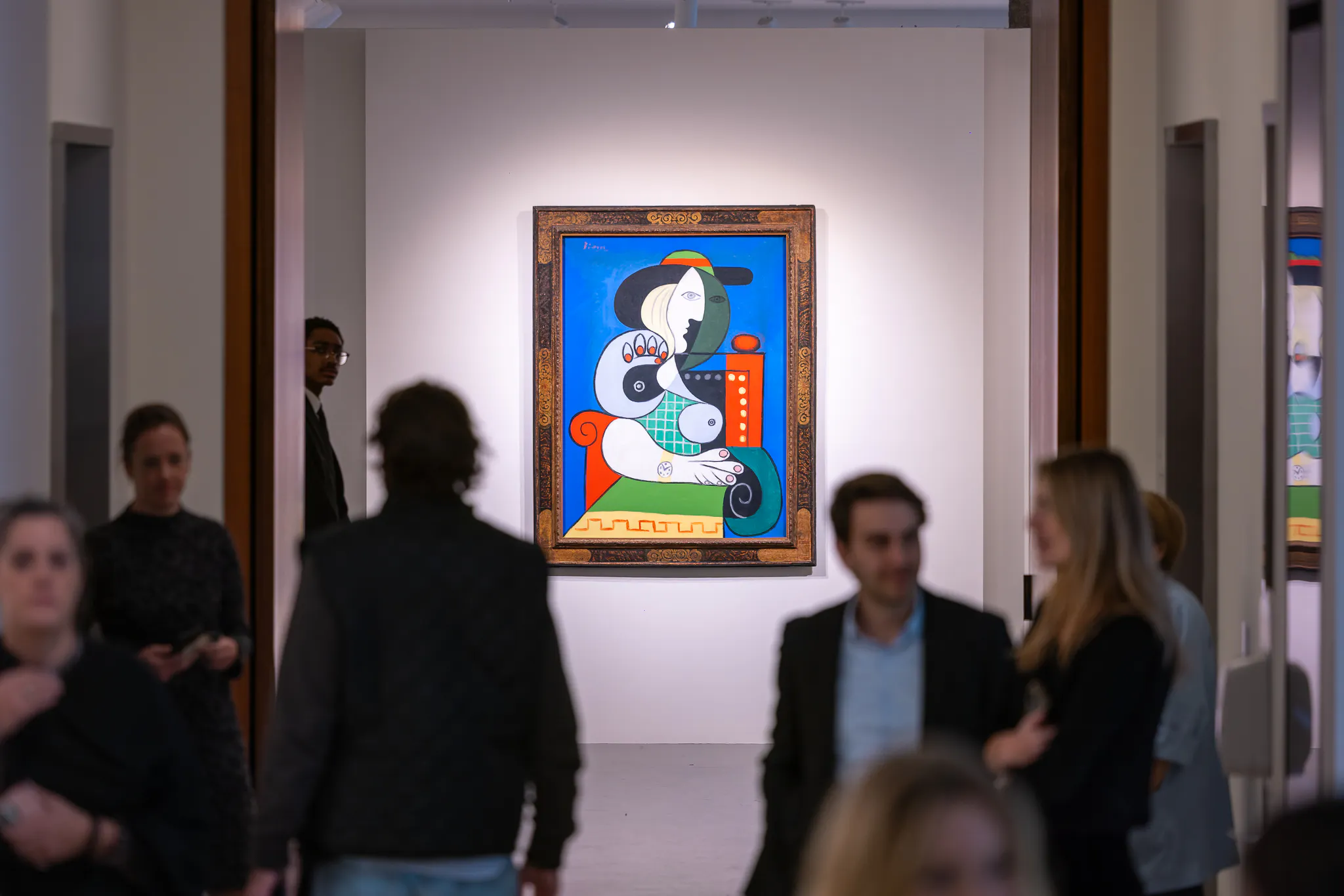
| Femme assise près d'une fenêtre | 1932 | $103.4 Million | Christie's, New York | 2021 |
This table illustrates the upward trajectory and elite tier of Picasso's masterworks. Each benchmark sale acts as a psychological and financial anchor, lifting the valuation floor for mid-tier works by the artist and establishing comparative pricing models for his contemporaries, such as Henri Matisse and Georges Braque.
Cultural Capital and Institutional Prestige
Beyond economics, the market dominance of Picasso’s most expensive works matters because it dictates the allocation of cultural prestige. Owning a monumental Picasso is rarely just about interior decoration; it represents entry into an exclusive echelon of cultural patronage.
Museums, foundations, and mega-collectors compete for these pieces because they validate a collection's historical importance. When a billionaire acquires a record-breaking painting, they often lend it to major institutions like the Museum of Modern Art in New York or the Tate Modern in London, temporarily converting private wealth into public education. However, this dynamic also raises critical questions about the commodification of culture. As prices soar into hundreds of millions of dollars, public museums find themselves increasingly priced out of the acquisition market, relying entirely on donations and philanthropic patrons to secure masterworks for public view.
This financialization of art creates a divide between popular cultural appreciation and elite asset ownership. While millions of people view Picasso's work through textbooks, digital archives, and public exhibitions, the physical custody of his defining canvases rests in the hands of a microscopic fraction of the global population.
Common Misconceptions About Record-Breaking Art Sales
Observers often misinterpret multi-million-dollar art transactions through purely sensationalist lenses, missing the underlying structural realities of the art market.
- Misconception: Prices reflect raw artistic labor. The multi-million-dollar price tag is not a reflection of the time or physical materials invested in the canvas, but rather the historical rarity, provenance, and the artist's foundational role in twentieth-century modernism.
- Misconception: Auction prices are random whims of the ultra-wealthy. Major sales are meticulously orchestrated by auction houses using private guarantees, third-party financial backing, and sophisticated wealth-management strategies to minimize risk.
- Misconception: High prices mean art is a guaranteed short-term investment. The high-end art market is notoriously illiquid. Selling a nine-figure painting quickly can result in significant losses if market sentiment shifts or if the piece lacks pristine historical provenance.
Frequently Asked Questions
Why do Picasso's paintings cost more than works by many of his contemporaries?
Picasso's market dominance is driven by his central role in inventing Cubism, his staggering output of stylistic innovations, and the global recognition of his name. His work bridges multiple historical periods, making it universally relevant to collectors across different geographies and cultural backgrounds.
Does the high price of a painting affect its artistic value?
Market price and artistic value operate independently, though they frequently influence public perception. While high prices validate historical importance and institutional consensus, many critically vital works reside permanently in museum collections and are functionally priceless because they never trade on the open market.
How do auction houses verify the authenticity of a record-breaking Picasso?
Authentication involves rigorous analysis by recognized scholars, examination of exhibition history, provenance research tracing the chain of ownership back to the artist's studio, and technical analysis of pigments, canvas, and brushwork.
Are these multi-million-dollar sales public transactions?
Some record sales occur via public auctions at houses like Christie's or Sotheby's, where final hammer prices are transparent. Others happen through private treaty sales brokered discreetly by dealers, where final purchase prices are often kept confidential or leaked selectively.
What happens to a record-breaking painting after it is sold?
Many high-value paintings are placed in temperature-controlled private storage facilities, private residences, or loaned temporarily to major international museums for public exhibitions and retrospective studies.
Strategic Next Actions for Art Observers and Collectors
For those studying the fine art market or engaging in high-end collecting, tracking record-breaking sales provides essential insight into macroeconomic trends and institutional collecting habits. To deepen your understanding of Picasso's market impact, review exhibition catalogs from major retrospective shows, study provenance reports of museum-acquired masterworks, and monitor upcoming auctions at primary international houses to observe how benchmark pricing shifts over time.
Image Gallery