What "Purchase Order Required" Means for Your Business Operations
In the context of modern business transactions, a "Purchase Order Required" policy means that a buyer will not recognize a financial obligation or release payment for goods or services unless a formal, pre-approved Purchase Order (PO)...
In the context of modern business transactions, a "Purchase Order Required" policy means that a buyer will not recognize a financial obligation or release payment for goods or services unless a formal, pre-approved Purchase Order (PO) has been issued. For you, this signifies that providing an invoice alone is insufficient; you must secure a specific document number before beginning work or shipping products to ensure you get paid.
Contents
Navigating the procurement landscape in 2026 requires a precise understanding of institutional spending controls. When a client or a partner informs you that a "Purchase Order is required," they are not merely making a suggestion about paperwork. They are stating a fundamental rule of their financial governance. This requirement acts as a gatekeeper for cash flow, internal auditing, and legal protection for both parties involved in a commercial exchange.
Understanding this mandate is critical for freelancers, small business owners, and enterprise sales teams alike. Failing to adhere to a PO-required policy can result in "ghost work"—labor performed that cannot be legally billed—or significant payment delays that can compromise your operational liquidity.
Understanding the "Purchase Order Required" Mandate
At its core, a purchase order is a legally binding document created by a buyer and sent to a seller. It outlines the specific types, quantities, and agreed prices for products or services. When a company states that a PO is required, they are moving away from informal "handshake" agreements or simple email confirmations and into a structured procurement cycle.
For you as the vendor, "Purchase Order Required" means the burden of administrative compliance sits squarely on your shoulders before the fulfillment stage begins. You cannot assume that a verbal "go-ahead" from a project manager is enough to guarantee payment. In large organizations, the person who asks for the work (the stakeholder) is rarely the person who pays the bill (the accounts payable department). The PO serves as the bridge between these two internal silos.
The PO functions as a contract. Once you accept a purchase order, you are legally bound to provide the items specified at the price listed. Conversely, the buyer is legally bound to pay for those items once they are delivered according to the terms. Without this document, the accounts payable (AP) team may have no record of the transaction in their Enterprise Resource Planning (ERP) system, meaning your invoice will simply be rejected by the automated software used by most firms in 2026.
Why Organizations Implement Strict PO Policies
To effectively work with clients who require POs, it helps to understand why these policies exist. Organizations do not implement these rules to be difficult; they do so to maintain fiscal discipline and satisfy regulatory requirements.
Budgetary Control and Visibility
One of the primary reasons for a PO-required environment is real-time budget tracking. When a PO is issued, the funds are often "encumbered" or "committed" in the company's financial system. This prevents a department from overspending their budget. If a manager tries to request work that exceeds their remaining funds, the system will block the creation of the PO, signaling a need for budget reallocation before the work even starts.
Fraud Prevention and Audit Trails
Strict PO requirements are a cornerstone of internal fraud prevention. By requiring a PO for every transaction, a company ensures that multiple sets of eyes have reviewed the expenditure. Usually, one person requests the goods, a second person (a manager or procurement officer) approves the PO, and a third person (the AP clerk) pays the invoice. This "segregation of duties" makes it much harder for unauthorized or fraudulent payments to be issued to "shell" companies or for personal gain.
Regulatory Compliance
For publicly traded companies or those in highly regulated sectors like healthcare and defense, POs provide a clear audit trail. Auditors look for consistency between what was ordered, what was received, and what was paid. In 2026, compliance standards such as Sarbanes-Oxley (SOX) or international equivalents continue to demand rigorous documentation of every dollar that leaves a corporation.
The Three-Way Match: The Core of Modern Procurement
If you are told a PO is required, you are likely entering a "three-way match" workflow. This is a technical process used by accounting departments to ensure that a payment should be made. Understanding this process is the best way to ensure your invoices are processed without friction.
- The Purchase Order (The Plan): The buyer sends you a PO detailing what they want to buy.
- The Receiving Report or Packing Slip (The Evidence): When you deliver the goods or complete the service, the buyer creates a "receipt" in their system. This proves that the items arrived or the work was performed.
- The Invoice (The Request for Payment): You send an invoice that references the PO number.
The AP system then compares all three documents. If the quantity on the PO matches the quantity received, and the price on the invoice matches the price on the PO, the payment is automatically scheduled. If a PO was never issued, the "three-way match" fails immediately, and your invoice is set aside as an "exception," which often leads to weeks or months of manual investigation.
Practical Steps: Handling a PO-Required Transaction
When you encounter a client who states "PO Required," follow these steps to protect your revenue and maintain a professional relationship.
1. Wait for the Physical Document
Never start work based on a "PO number" given over the phone or an email saying "the PO is in process." Request the actual PDF or digital document. Review it to ensure the pricing, delivery dates, and payment terms match what you discussed. Sometimes, a buyer’s procurement system may automatically apply "Net 60" terms even if you agreed to "Net 30."
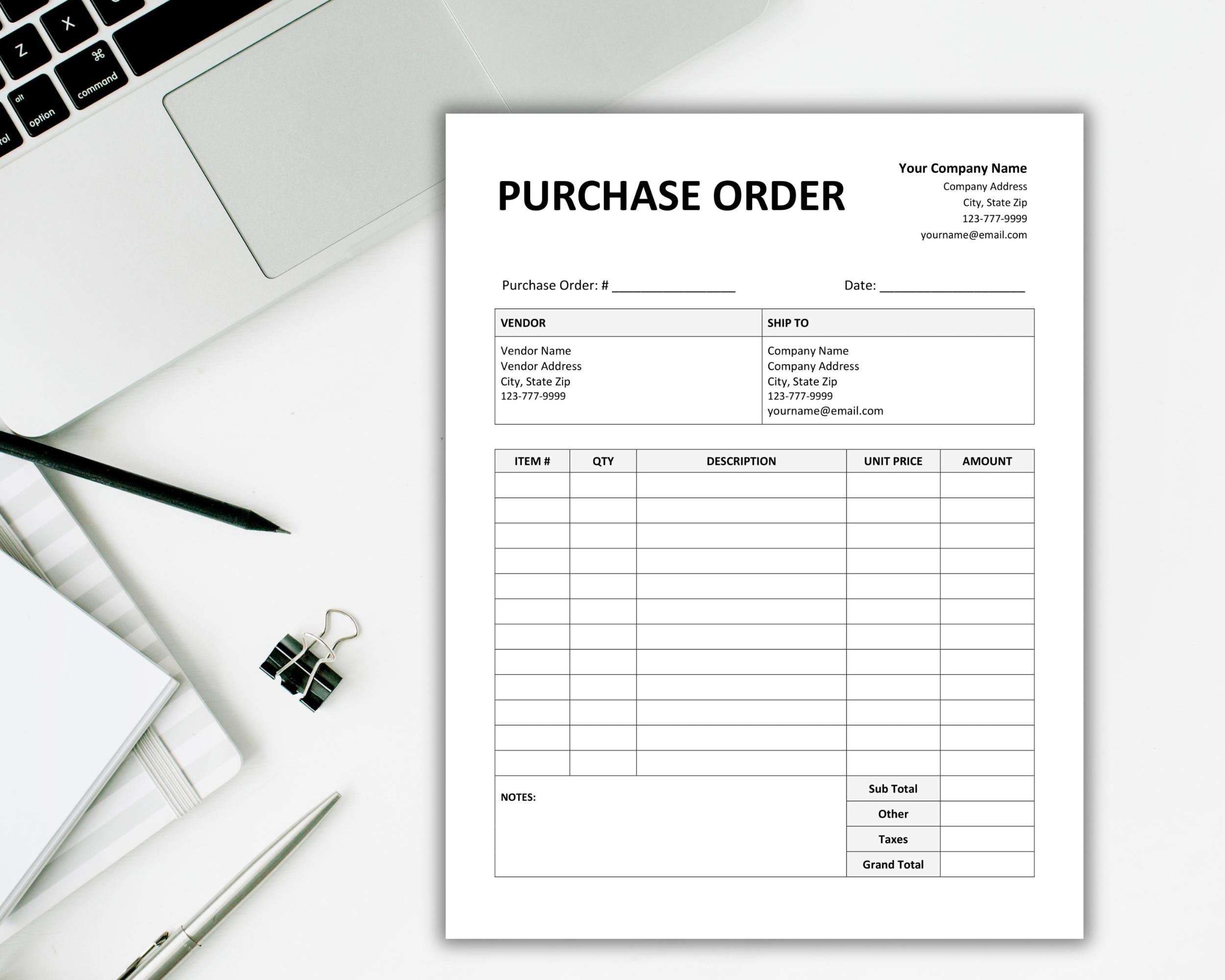
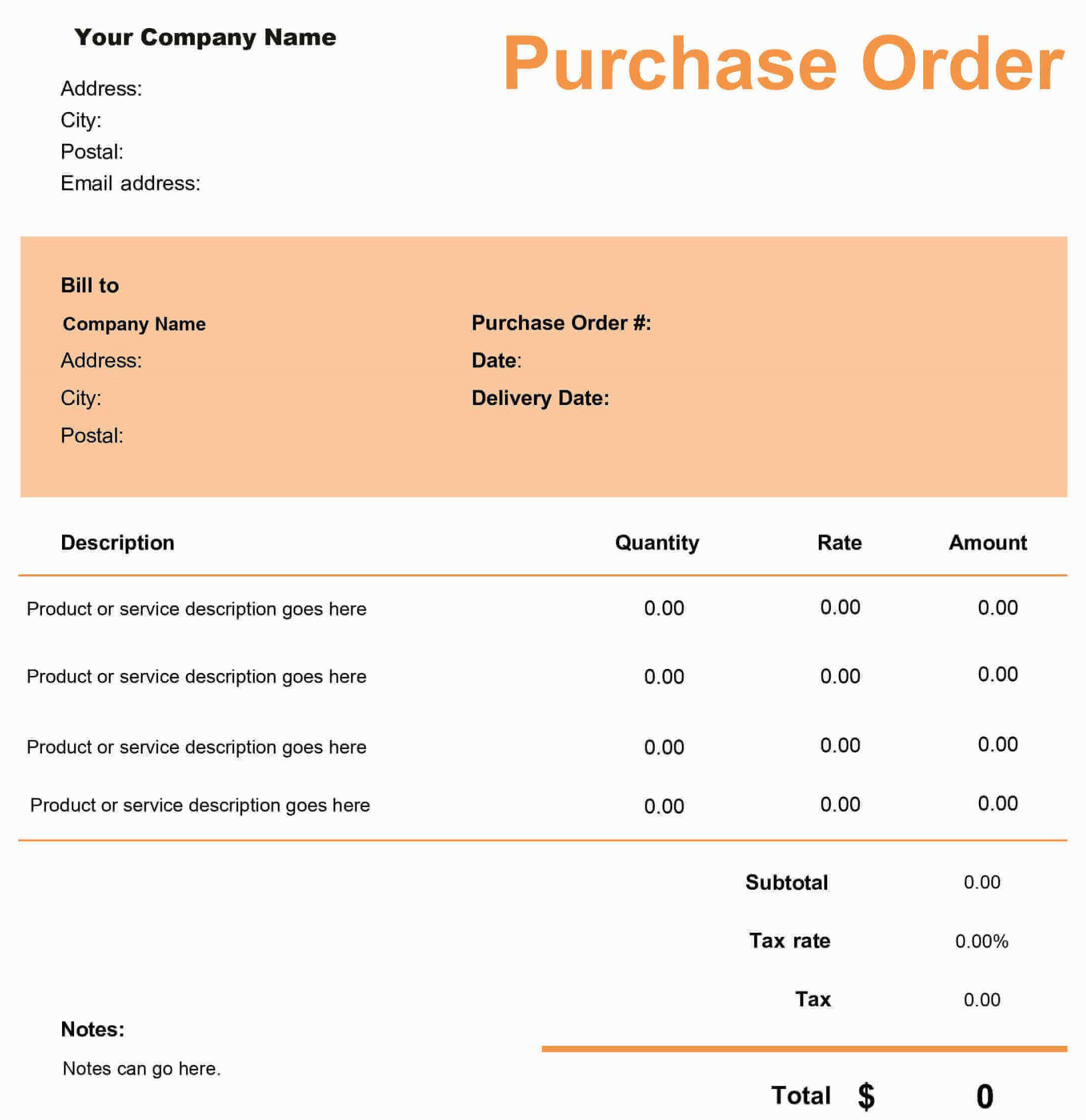
2. Verify the "Bill To" and "Ship To" Addresses
Large corporations have complex structures. The PO will specify exactly where the invoice should be sent (often a centralized AP email address or a vendor portal) and where the goods should be delivered. If you send the invoice to your contact person instead of the address listed on the PO, it may never reach the accounting system.
3. Match Your Invoice to the PO Line for Line
If the PO lists three separate line items (e.g., "Consulting Hours," "Software License," and "Travel Expenses"), your invoice should list those exact same three items using the same descriptions. Discrepancies in line-item descriptions are a common reason for automated system rejections.
Comparing Procurement Documents
| Document Type | Issued By | Purpose | Legal Status |
|---|---|---|---|
| Purchase Order (PO) | Buyer | Authorizes a specific purchase and sets terms. | Legally binding once accepted by seller. |
| Sales Order | Seller | Confirms the seller can fulfill the buyer's PO. | Internal confirmation of inventory/capacity. |
| Invoice | Seller | Requests payment for goods/services delivered. | A demand for payment based on the PO. |
| Master Service Agreement (MSA) | Both | Defines the long-term relationship and general terms. | Framework for all future POs; not a specific order. |
| Statement of Work (SOW) | Both | Defines specific project deliverables and timelines. | Technical attachment usually referenced in a PO. |
Risks of Proceeding Without a Formal Purchase Order
The phrase "Purchase Order Required" is often backed by a "No PO, No Pay" policy. If you choose to ignore this and proceed with work, you are exposing your business to several critical risks:
- Payment Rejection: Many automated AP systems in 2026 are programmed to automatically bounce any invoice that does not contain a valid, open PO number in the header metadata.
- Approval Limbo: If you perform work without a PO, your internal contact may struggle to get "retrospective approval." This often requires high-level executive signatures to explain why the standard procurement process was bypassed, creating friction and embarrassment for your client contact.
- Uncertain Terms: Without a PO, there is no written agreement on the specific price or scope. If the client later claims they expected more for the same price, you have very little leverage without the formal PO document.
- Extended Payment Cycles: Even if the client eventually agrees to pay a non-PO invoice, the clock usually starts only after the PO is finally issued. If you did the work in January but the PO wasn't created until March, your "Net 30" payment might not arrive until April.
FAQs
Does a Purchase Order replace a contract?
Not necessarily, but it acts as a "mini-contract" for a specific transaction. For large projects, you might have a Master Service Agreement (MSA) that covers legal liabilities and IP ownership, while the PO covers the specific "what, when, and how much" for a single order. In the absence of a larger contract, the terms on the back of the PO (or linked in the digital footer) often become the governing legal terms of the sale.
What should I do if the PO amount is lower than my quote?
Do not accept the PO. Contact your client immediately. A PO is an offer; if you fulfill it, you are effectively accepting that lower price. Ask the client to issue a "Change Order" or a revised PO that reflects the agreed-upon quote before you begin fulfillment.
Can I invoice for more than the PO amount if costs go up?
Generally, no. Most ERP systems have a "tolerance" (often 0% to 5%). If your invoice exceeds the PO amount, it will trigger a flag and stop the payment process. If your costs increase due to scope creep, you must request a PO revision or a secondary PO to cover the additional costs before you bill for them.
Why does my client require a PO for a small service?
Many companies have moved toward "Total Spend Management." This means even a $500 consulting session must go through the PO process so the company can track its total spending with specific vendors. This helps them negotiate better volume discounts in the future and ensures all spending is categorized correctly for tax purposes.
Is an email confirmation the same as a Purchase Order?
No. While an email might be used as evidence in a legal dispute, it is not a "Purchase Order" in the eyes of a corporate finance department. A PO is a structured document generated by a procurement system with a unique identification number that corresponds to a record in the buyer's financial database.
Final Recommendation
When a client tells you that a purchase order is required, treat it as a mandatory prerequisite for your work. Integrate this into your own internal workflow: do not ship, do not code, and do not consult until you have a PDF of the authorized PO in your records.
To streamline your operations in 2026, consider adopting a "PO First" mentality. Proactively ask new clients about their procurement process during the onboarding phase. Ask, "Does your organization require a PO for payment?" If the answer is yes, ensure your accounting software is configured to prominently display the client's PO number on every invoice you generate. This simple alignment with your client's internal controls will significantly reduce your Days Sales Outstanding (DSO) and foster a more professional, reliable business relationship.
Image Gallery