The Best High Jumpers in the World: Dominant Athletes and Records
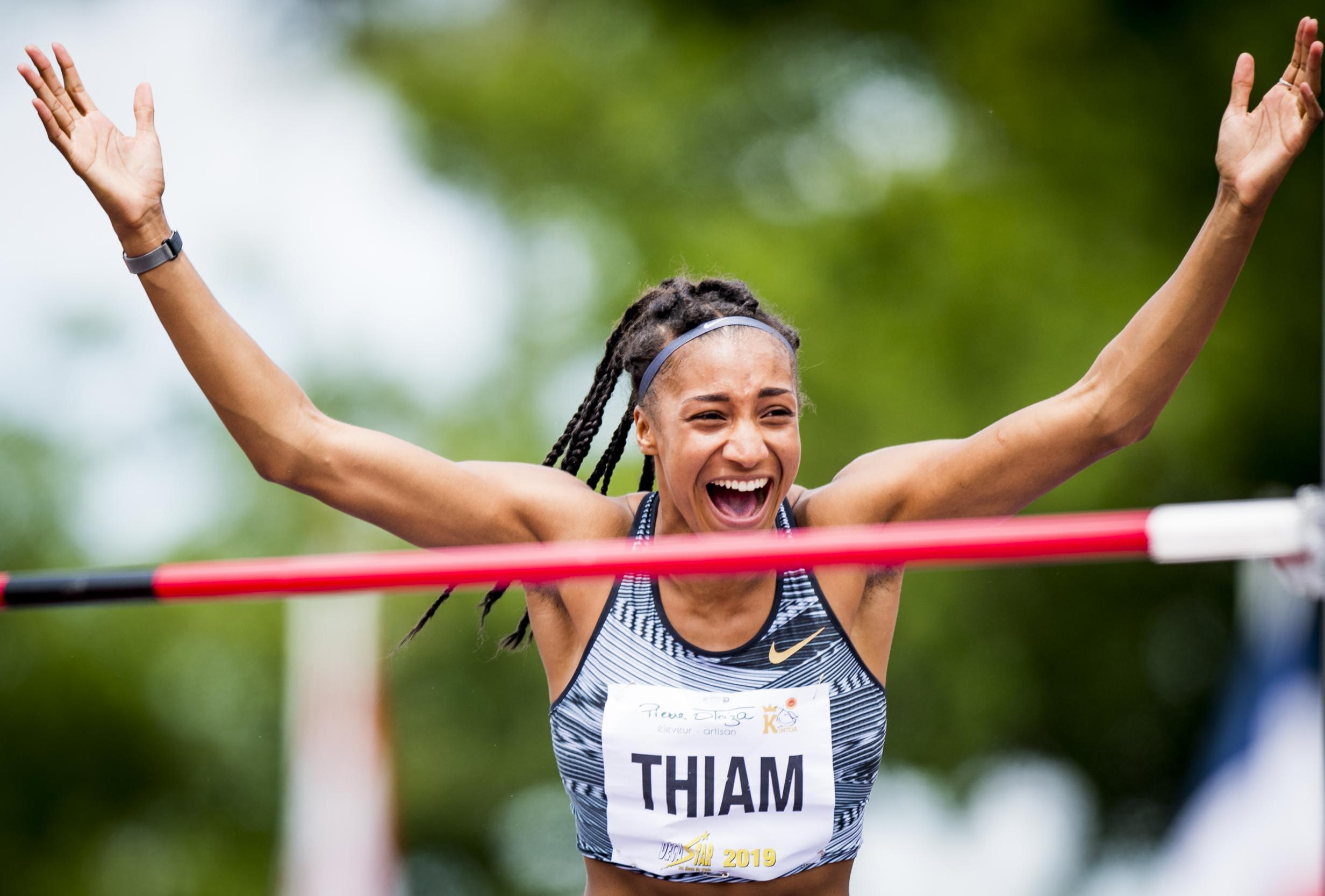
The best high jumpers in the world are elite track and field athletes who combine explosive power, exceptional speed, and flawless technique to clear elevated crossbars without knocking them down. Defined by legendary world records set...
The best high jumpers in the world are elite track and field athletes who combine explosive power, exceptional speed, and flawless technique to clear elevated crossbars without knocking them down. Defined by legendary world records set by champions like Mutaz Essa Barshim, Gianmarco Tamberi, and Yaroslava Mahuchikh, these competitors master the Fosbury Flop to achieve heights exceeding 2.40 meters.
Contents
Evaluating the status of the best high jumpers requires examining historical milestones, current world records, technical biomechanics, and the rigorous training regimens that separate elite competitors from the rest of the field.
Evolution and Dominance in the Men’s High Jump
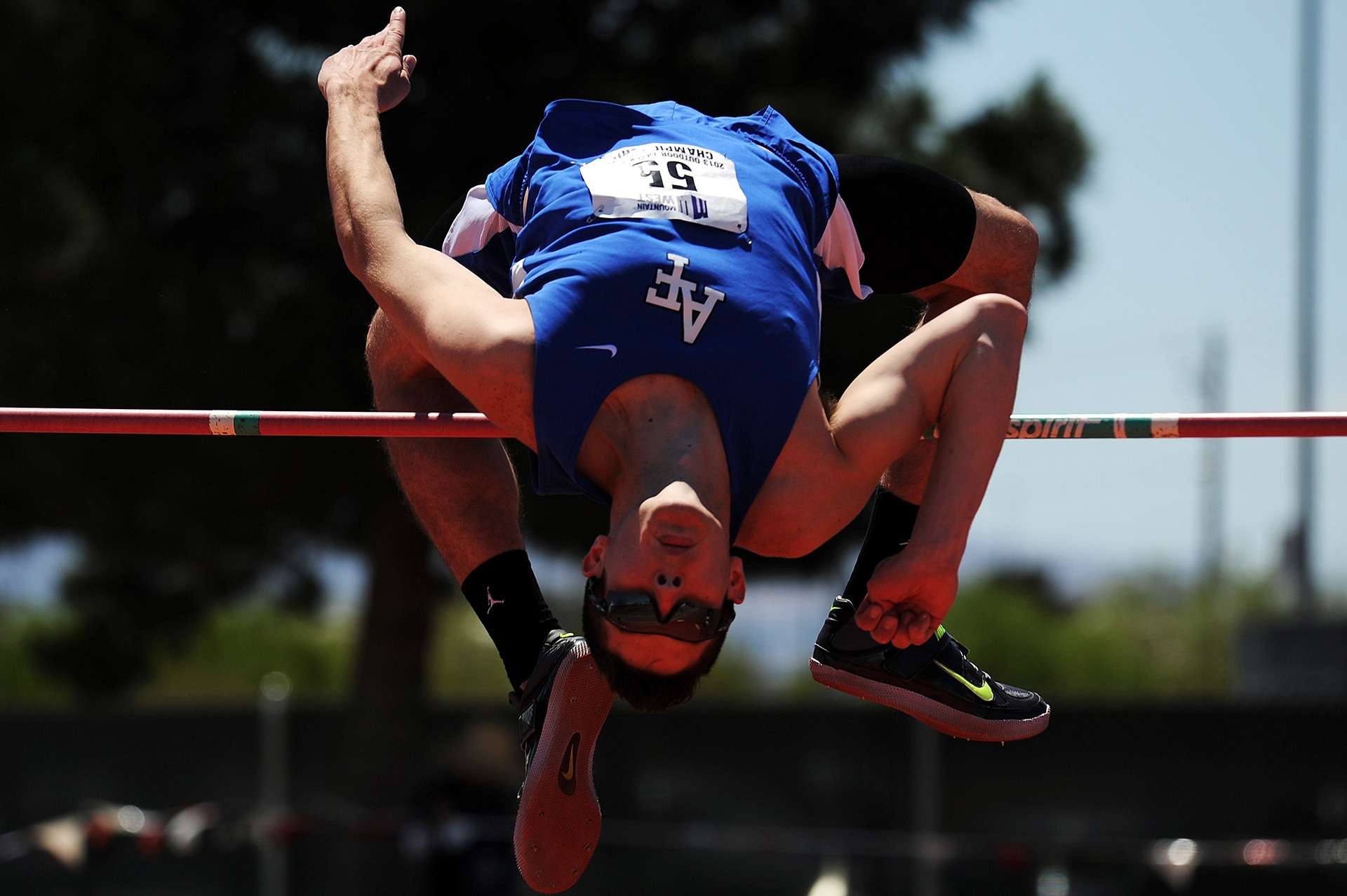
The men’s high jump event has a storied history characterized by dramatic shifts in technique. Early pioneers utilized the scissors technique, eastern cut-off, and the straddle before Dick Fosbury revolutionized the discipline at the 1968 Mexico City Olympics with his backward, over-the-bar style known as the Fosbury Flop. Today, every top-tier jumper utilizes variations of this approach.
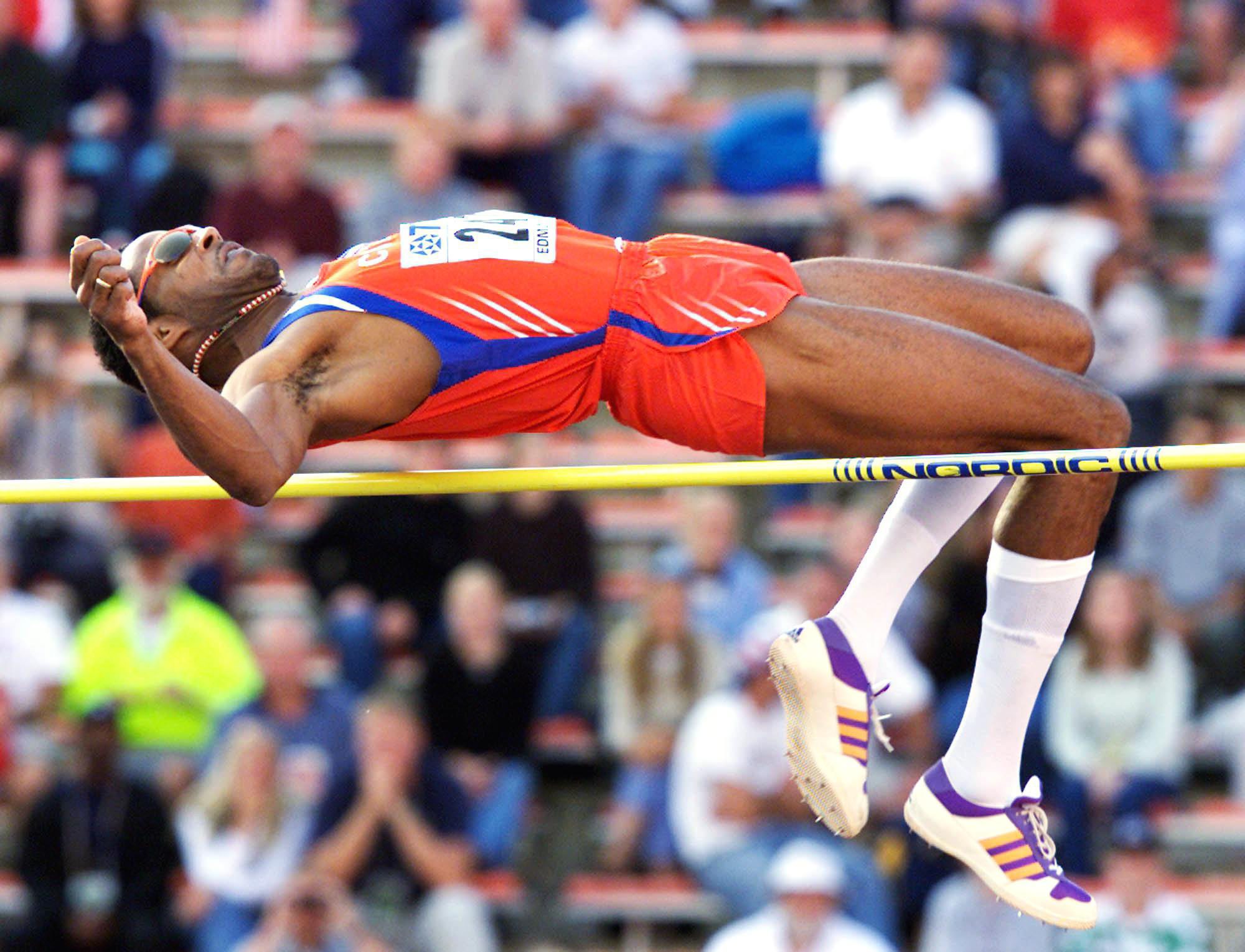
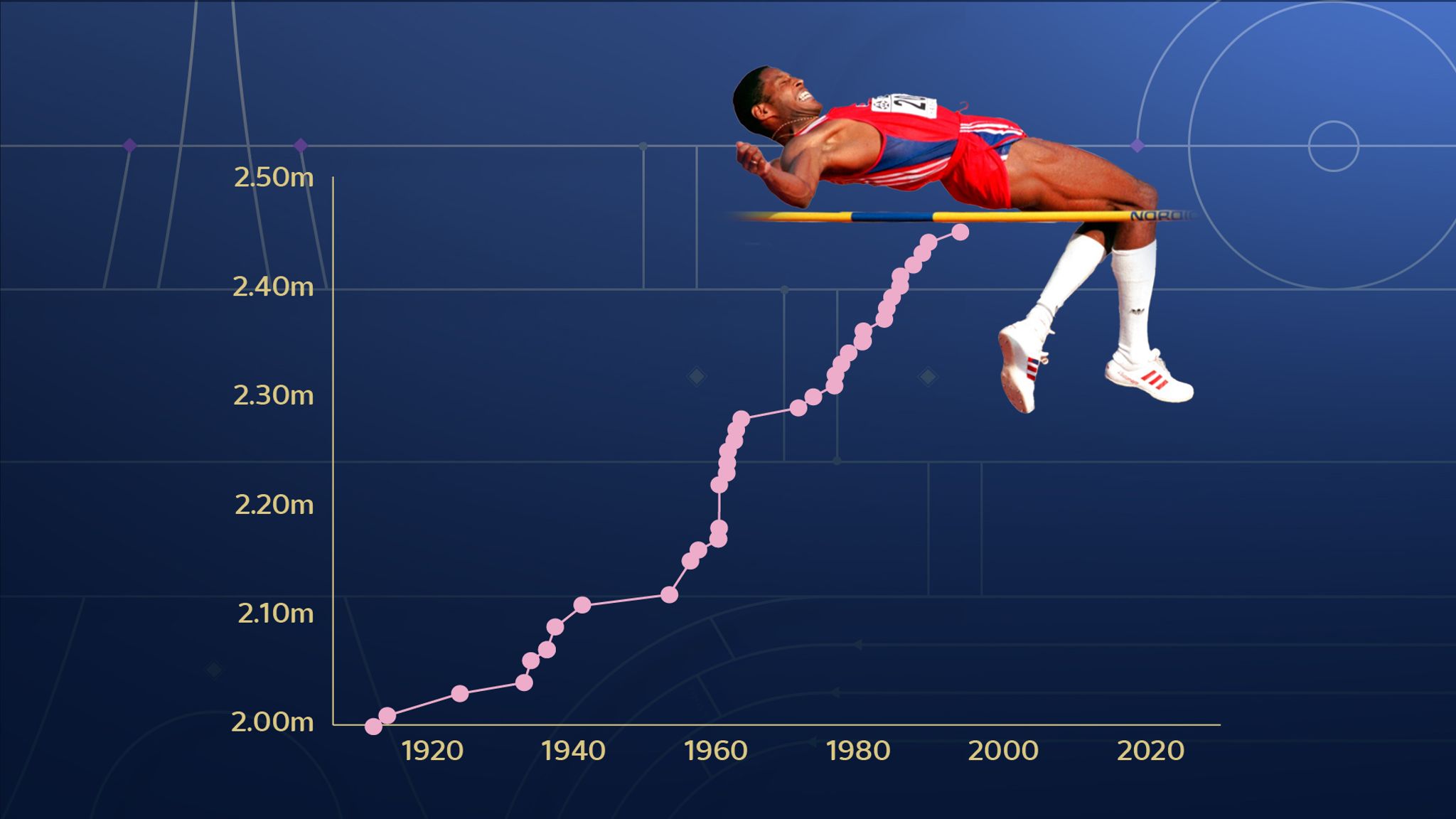
The gold standard of the men's event remains Javier Sotomayor of Cuba, who set the outdoor world record at 2.45 meters in Salamanca on July 27, 1993. Sotomayor’s record has stood for decades, though a select group of modern athletes have consistently threatened the barrier.
Modern Era Contenders
In the contemporary era, the men's discipline is defined by fierce competition and shared victories. Notable figures include:
- Mutaz Essa Barshim (Qatar): A multi-time World Champion and Olympic gold medalist known for his fluid approach and exceptional elasticity. Barshim cleared 2.43 meters in 2014, making him the second-highest jumper in history.
- Gianmarco Tamberi (Italy): The charismatic Olympic and World champion whose emotional intensity and technical consistency have made him a dominant force in major international championships.
- Woo Sang-hyeok (South Korea): A trailblazer for Asian athletics, known for his explosive speed off the board and consistent international podium finishes.
These athletes achieve elite status not merely through raw jumping ability, but through precise execution of the J-curve approach, which converts horizontal velocity into vertical lift.
Record-Breaking Achievements in the Women’s High Jump
The women's high jump has experienced equally remarkable progressions, culminating in historic milestones that redefined the limits of human performance. For decades, Stefka Kostadinova’s outdoor world record of 2.09 meters, set in Rome in 1987, was widely regarded as one of the most unbreakable records in track and field history.
However, the landscape of the women's event evolved significantly. Ukrainian athlete Yaroslava Mahuchikh shattered Kostadinova's long-standing outdoor record by clearing 2.10 meters at the Paris Diamond League meeting on July 7, 2024. This monumental leap cemented Mahuchikh’s legacy as one of the greatest technical jumpers in history.
Leading Women’s Competitors
Alongside Mahuchikh, several other athletes consistently perform at the highest echelon of the sport:
- Nicola Olyslagers (Australia): An Olympic medalist and fierce competitor renowned for her mental performance coaching and exceptional clearance consistency at heights above 2.00 meters.
- Valerie Allman and Eleanor Patterson: Elite global competitors who regularly challenge for world titles, bringing depth and competitive tension to every Diamond League final.
Women’s high jumping relies heavily on maximizing the plant phase of the jump, where the center of mass must be dropped and violently re-accelerated upward through the takeoff leg.
| Athlete | Country | Personal Best / Record | Discipline | Year Set |
|---|---|---|---|---|
| Javier Sotomayor | Cuba | 2.45 m | Men's Outdoor World Record | 1993 |
| Mutaz Essa Barshim | Qatar | 2.43 m | Men's Personal Best | 2014 |
| Yaroslava Mahuchikh | Ukraine | 2.10 m | Women's Outdoor World Record | 2024 |
| Stefka Kostadinova | Bulgaria | 2.09 m | Women's Historical Milestone | 1987 |
Biomechanics and Technical Requirements of Elite High Jumpers
Achieving elite status in the high jump requires an exceptional understanding of physics and biomechanics. The event can be broken down into three distinct phases: the approach, the takeoff, and the flight/bar clearance.
The Approach (The J-Curve)
The run-up is not a straight line; elite jumpers use a J-shaped curve consisting of 8 to 12 strides. The initial strides are linear to build momentum, while the final 3 to 4 strides curve inward. This curve allows the athlete to lean away from the bar, generating centrifugal force that helps rotate the body horizontally and vertically during takeoff.
The Takeoff
The plant of the foot is critical. The takeoff foot lands heel-first and quickly rolls to the toe, acting as a rigid lever. At this exact moment, the athlete drops their center of mass by flexing the knee slightly, maximizing the stretch-shortening cycle of the quadriceps and calf muscles. The non-takeoff leg (the lead leg) drives upward aggressively to propel the torso into the air.
Bar Clearance
Once airborne, the athlete turns their back to the bar, arches their spine over the obstacle, and whips their legs upward and away as the hips pass over. Timing this hip clearance while avoiding the crossbar with the heels requires exceptional proprioception and spatial awareness.
Training Regimens for World-Class Jumpers
To sustain the physical demands of high jumping, athletes undergo rigorous, multi-faceted training programs designed by specialized coaches. Because the forces experienced upon takeoff can equal several times an athlete's body weight, injury prevention and strength conditioning are paramount.
- Plyometrics: Box jumps, depth jumps, and bounding exercises build explosive fast-twitch muscle fibers in the legs.
- Sprint Training: Speed is a foundational element; faster approaches translate directly to higher potential clearance heights when converted correctly.
- Gymnastics and Flexibility: Core stability and shoulder flexibility ensure athletes can properly arch their backs over the bar without grazing it.
- Technical Video Analysis: Coaches use high-speed cameras to dissect strides, plant angles, and bar clearance inches down to the millisecond.
Frequently Asked Questions About High Jumping
What is the current men's high jump world record?
The men's outdoor world record is 2.45 meters, set by Cuba's Javier Sotomayor on July 27, 1993. The indoor world record is 2.43 meters, achieved by Javier Sotomayor in 1989 and matched by Mutaz Essa Barshim in 2015.
Who holds the women's high jump world record?
Yaroslava Mahuchikh of Ukraine holds the women's outdoor world record at 2.10 meters, set on July 7, 2024, surpassing Stefka Kostadinova's 37-year-old record of 2.09 meters.
Why do high jumpers use the Fosbury Flop?
The Fosbury Flop allows the jumper's center of mass to pass under the crossbar while the body arches over it. This biomechanical efficiency enables athletes to clear significantly greater heights compared to older techniques like the straddle or scissors.
How fast do high jumpers run during their approach?
Elite high jumpers typically reach velocities between 7 and 8 meters per second during the final strides of their curved J-approach before converting that horizontal speed into vertical elevation.
What physical traits make a good high jumper?
Tall stature, long legs, low body fat percentage, and a high proportion of fast-twitch muscle fibers are essential physical traits. However, exceptional coordination, explosive power, and rhythm are equally vital for elite success.
Summary and Next Steps for Track and Field Enthusiasts
The landscape of the best high jumpers in the world is defined by historical greatness and relentless modern progression. Whether analyzing Javier Sotomayor’s enduring men's mark or Yaroslava Mahuchikh’s record-breaking leap, the sport remains a premier showcase of human athleticism. To follow these athletes closely, track international competitions through the World Athletics Diamond League circuit and major global championships.
Image Gallery