The Legacy of Carrie Fisher: Remembering Her Life, Art, and Cultural Impact
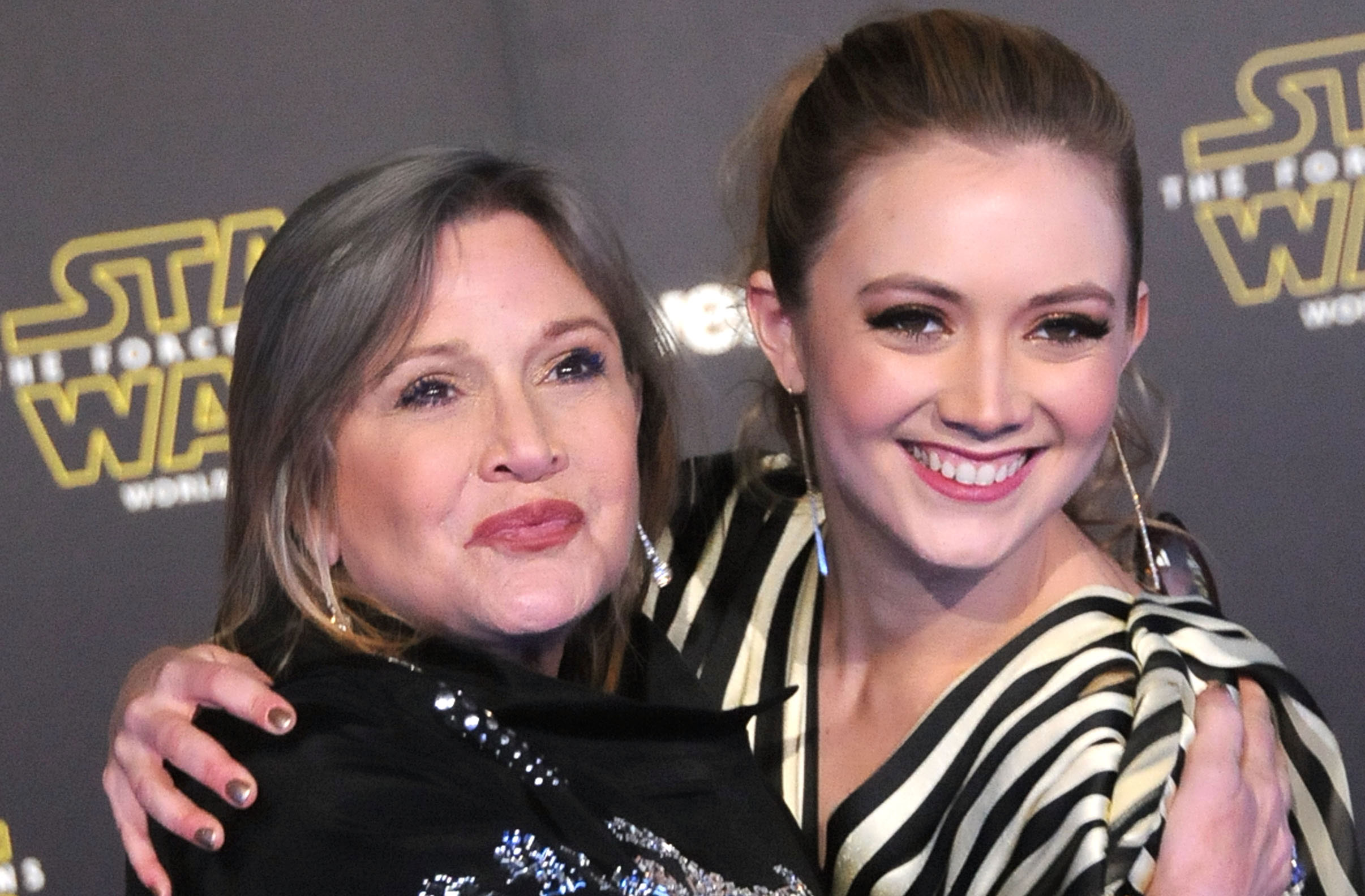
Carrie Fisher remains one of the most indelible icons of modern cinema, celebrated globally not only for her timeless portrayal of Princess Leia in the Star Wars franchise but also for her fearless wit, bestselling writing, and relentl...
Carrie Fisher remains one of the most indelible icons of modern cinema, celebrated globally not only for her timeless portrayal of Princess Leia in the Star Wars franchise but also for her fearless wit, bestselling writing, and relentless advocacy for mental health awareness.
Contents
When the world mourned the passing of Carrie Fisher on December 27, 2016, the cinematic landscape and millions of fans lost a brilliant, unapologetic voice. Her departure closed a significant chapter in Hollywood history, yet her legacy continues to expand through her written works, her cultural influence, and her enduring cinematic footprint. This comprehensive retrospective explores her life, her multifaceted career, her struggles, and the lasting impact she left behind.
Early Life and Hollywood Heritage
Born on October 21, 1956, in Beverly Hills, California, Carrie Frances Fisher was destined for the spotlight. She was the daughter of two quintessential Hollywood royalty figures: singer Eddie Fisher and actress Debbie Reynolds. However, growing up in the shadow of intense celebrity brought unique challenges. Her parents divorced when she was a toddler after her father left her mother for Elizabeth Taylor, a high-profile scandal that dominated tabloid media of the era.
Despite the turbulence of her upbringing, Fisher developed a voracious appetite for reading and literature at an early age. She retreated into books to find solace, which laid the foundational vocabulary for her future career as a celebrated author and screenwriter. By her mid-teens, she decided to follow in her mother’s footsteps, attending the prestigious Central School of Speech and Drama in London and performing on stage before landing her breakthrough film role.
The Galactic Phenomenon: Princess Leia Organa
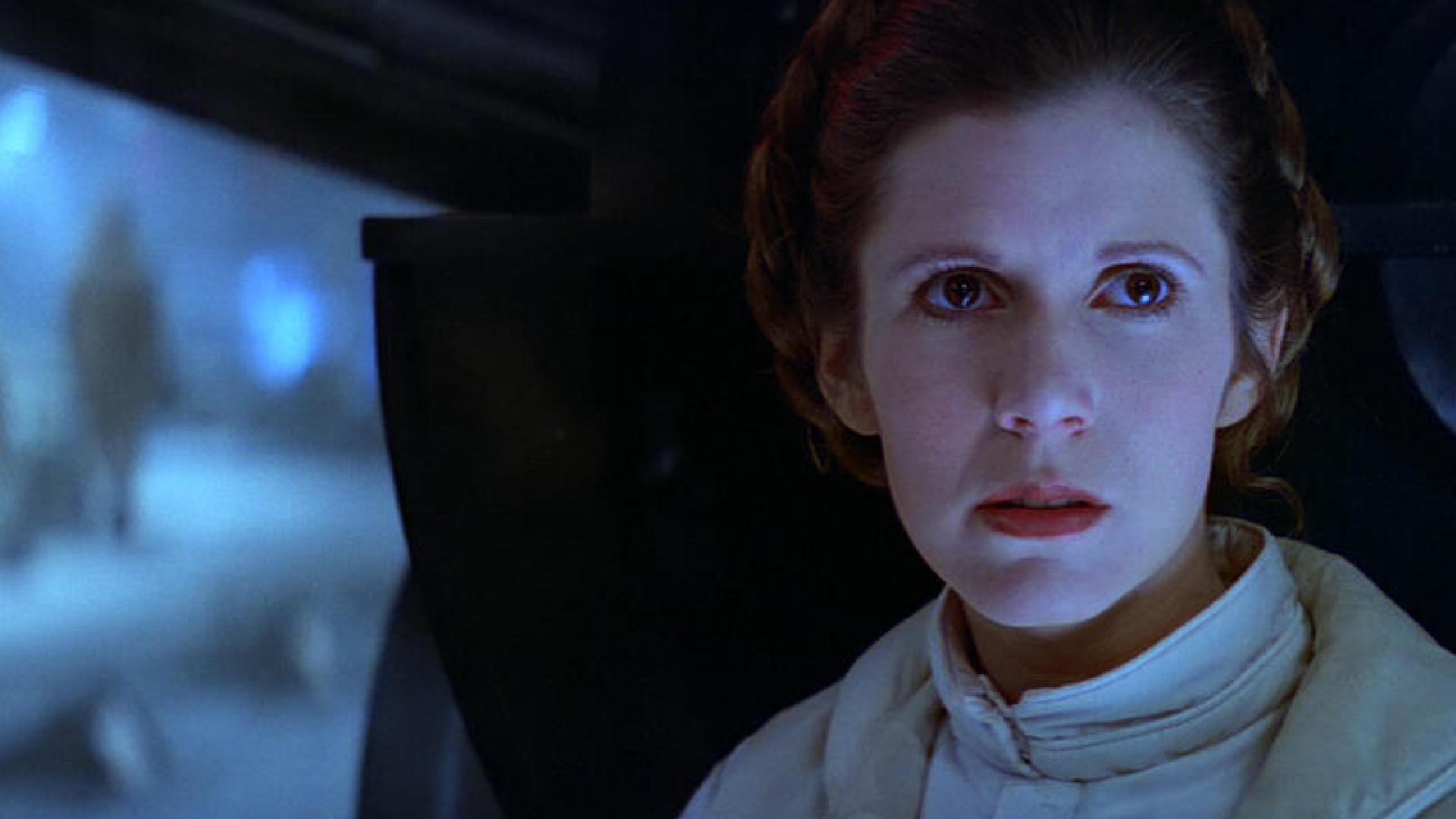
In 1977, a twenty-year-old Carrie Fisher stepped onto the world stage as Princess Leia Organa in George Lucas’s original Star Wars (later retitled Star Wars: Episode IV – A New Hope). The role transformed her from a promising newcomer into a global pop culture icon almost overnight.
Princess Leia shattered traditional damsel-in-distress tropes. Instead of waiting to be rescued, she seized a blaster, talked back to her captors, and served as a core leader of the Rebel Alliance. Fisher’s sharp comedic timing, sharp tongue, and fierce independence gave the character a distinct authenticity that resonated across generations.
The Original Trilogy and Beyond
Fisher reprised her role in The Empire Strikes Back (1980) and Return of the Jedi (1983), cementing her status in cinematic history. During the filming of the original trilogy, she navigated grueling physical conditions, intense studio scrutiny, and the overwhelming pressures of sudden fame.
Decades later, Fisher returned to the character that defined her early career in the Star Wars sequel trilogy, appearing in The Force Awakens (2015) and posthumously in The Rise of Skywalker (2019) through unreleased footage and advanced digital integration. Her transition from rebellious princess to wise General Leia Organa provided a satisfying arc that bridged classic cinema with modern storytelling.
| Film Title | Release Year | Character Role | Cultural Impact and Significance |
|---|---|---|---|
| Star Wars | 1977 | Princess Leia Organa | Introduced a revolutionary, independent female action hero to global cinema. |
| The Empire Strikes Back | 1980 | Princess Leia Organa | Deepened emotional stakes and solidified the romantic dynamic with Han Solo. |
| Return of the Jedi | 1983 | Princess Leia Organa | Concluded the original trilogy arc and featured iconic heroic moments. |
| When Harry Met Sally... | 1989 | Marie | Demonstrated her sharp comedic timing in a classic romantic comedy. |
| Postcards from the Edge | 1990 | Screenwriter | Adapted her own semi-autobiographical novel into a critically acclaimed feature film. |
Beyond a Galaxy Far, Far Away: Acting and Screenwriting
While Star Wars dominated her public persona, Fisher cultivated a diverse and accomplished career outside the franchise. She appeared in numerous notable films throughout the 1980s and 1990s, including The Blues Brothers (1980), Hannah and Her Sisters (1986), The 'Burbs (1989), and When Harry Met Sally... (1989).
Simultaneously, Fisher carved out a formidable reputation as a writer and script doctor. She honed her craft by polishing screenplays for major Hollywood studios, contributing uncredited dialogue punch-ups to films like Hook (1991), Sister Act (1992), and Outbreak (1995). Her razor-sharp wit and mastery of dialogue made her one of the industry's most sought-after script consultants.
Literary Success and Candid Memoirist
Fisher’s transition to novelist proved that her literary voice was just as compelling as her on-screen presence. Her debut novel, Postcards from the Edge (1987), was a semi-autobiographical dark comedy that examined her complex relationship with her mother, her struggles with substance abuse, and her experiences in Hollywood. The book became a massive bestseller and was adapted into a 1990 feature film starring Meryl Streep and Shirley MacLaine, with Fisher writing the screenplay.
She followed this success with several other books, including Surrender the Pink (1990), Delusions of Grandma (1993), and The Best Awful There Is (2004). Her writing style was characterized by unflinching honesty, dark humor, and a refusal to sugarcoat her personal demons.
Later in life, Fisher turned her razor-sharp perspective toward her own history through memoirs like Wishful Drinking (2008), which originated as a hit one-woman autobiographical stage play, and The Princess Diarist (2016), which revealed journals she kept during the filming of the original Star Wars.
Mental Health Advocacy and Public Candor
Perhaps one of Fisher’s most enduring contributions to society was her fierce, unapologetic advocacy for mental health awareness. Diagnosed with bipolar disorder in her twenties, Fisher lived openly with her condition, addressing her struggles with manic depression and addiction with humor, grace, and total transparency.
At a time when mental illness carried a heavy social stigma, Fisher used her platform to demystify psychiatric treatment and medication. She regularly answered letters from fans struggling with bipolar disorder through her advice column in The Guardian, offering pragmatic, empathetic guidance rooted in her own lived experience. By refusing to hide her vulnerabilities, she normalized the conversation around mental health and inspired countless individuals to seek help without shame.
The Tragic Loss and Sudden Legacy
On December 23, 2016, Carrie Fisher suffered a medical emergency aboard a flight from London to Los Angeles. She passed away four days later on December 27 at the age of 60. In an event that underscored their unbreakable lifelong bond, her mother, Debbie Reynolds, suffered a fatal stroke and passed away the following day, December 28.
The global outpouring of grief from fans, colleagues, and cultural figures demonstrated the profound impact Fisher had made. Memorials, tributes, and vigils sprang up worldwide, celebrating her as a feminist icon, a brilliant writer, and a beacon of authenticity in an industry often driven by artifice.
Frequently Asked Questions
What were Carrie Fisher’s most famous roles?
Carrie Fisher is best known worldwide for playing Princess Leia Organa in the Star Wars film franchise. Beyond that role, her notable film appearances include The Blues Brothers, Hannah and Her Sisters, and When Harry Met Sally.... She was also an accomplished screenwriter and author.
Did Carrie Fisher write her own books?
Yes, Fisher was a prolific and celebrated author. She wrote several bestselling novels, including Postcards from the Edge, as well as acclaimed memoirs such as Wishful Drinking, Shockaholic, and The Princess Diarist. She was also a prominent Hollywood script doctor.
How did Carrie Fisher impact mental health awareness?
Fisher was diagnosed with bipolar disorder and struggled with substance abuse throughout her life. She broke industry taboos by discussing her condition openly and with humor. Her candor helped reduce the stigma surrounding mental illness and encouraged open public dialogue about psychiatric care.
What was Carrie Fisher’s involvement in screenwriting beyond acting?
In addition to adapting her own novel Postcards from the Edge into a feature film, Fisher worked extensively as an uncredited script doctor. She polished dialogue and improved character dynamics for major Hollywood productions throughout the 1990s, earning immense respect from industry peers for her sharp wit and structural instincts.
How was Carrie Fisher included in the final Star Wars sequel trilogy?
Following her passing in 2016, director J.J. Abrams utilized previously unreleased, unused footage of Fisher from The Force Awakens and The Last Generation to seamlessly integrate General Leia Organa into Star Wars: The Rise of Skywalker (2019), allowing her character to complete her narrative arc respectfully.
Final Recommendation
To truly appreciate the depth, brilliance, and humor of Carrie Fisher beyond her iconic cinematic roles, explore her written works. Reading her memoirs—particularly Wishful Drinking and The Princess Diarist—or watching her autobiographical documentary performance offers an intimate look at a woman who faced her personal battles with unmatched wit, profound self-awareness, and a refusal to conform to Hollywood expectations.
Image Gallery