Moon Symbolism: What the Moon Represents Across Cultures and History
The moon represents the cyclical nature of time, femininity, intuition, and the subconscious mind. As the Earth’s only natural satellite, its constant transition through phases serves as a universal metaphor for birth, growth, death, a...
The moon represents the cyclical nature of time, femininity, intuition, and the subconscious mind. As the Earth’s only natural satellite, its constant transition through phases serves as a universal metaphor for birth, growth, death, and renewal. It symbolizes the bridge between the conscious world of daylight and the hidden, emotional depths of the nocturnal.
Contents
The Core Meanings of Lunar Symbolism
Throughout human history, the moon has stood as a silent witness to the evolution of civilization. Unlike the sun, which provides a constant, blinding glare of clarity and logic, the moon offers a reflected, gentler light. This "lesser light" represents the reflective side of the human experience—the ability to look inward, process emotions, and navigate the world through intuition rather than raw power.
One of the most profound aspects of moon symbolism is the concept of duality. The moon does not produce its own light; it reflects the sun. This relationship establishes a symbolic partnership between the active (solar) and the passive (lunar), the masculine and the feminine, and the external and the internal. In many philosophical traditions, the moon represents the "yin" energy—receptive, cool, and fluid.
Furthermore, the moon is the ultimate symbol of rhythm. Because it governs the tides of the oceans, it is inextricably linked to the element of water. This connection reinforces its representation of the emotional body, as emotions are often likened to the ebb and flow of the sea. By observing the moon, ancient cultures learned to measure time, creating the first calendars based on lunar cycles rather than the solar year.
The Feminine Principle and Goddess Archetypes
In the majority of world mythologies, the moon is personified as a female deity. This association stems primarily from the synchronization between the lunar cycle (approximately 29.5 days) and the human menstrual cycle. Consequently, the moon has become a powerful emblem of fertility, motherhood, and the protective nurturing of the "Great Mother."
Greek and Roman Mythology
The Greeks recognized three distinct aspects of the moon, often referred to as the Triple Goddess. Artemis (the Roman Diana) represented the waxing moon and the huntress, symbolizing independence and the wild spirit. Selene (the Roman Luna) represented the full moon, the personification of the moon itself traveling across the sky. Hecate represented the waning or dark moon, associated with crossroads, magic, and the underworld. These archetypes demonstrate how the moon covers the entire spectrum of the female experience, from youth to maturity to elder wisdom.
Eastern Perspectives
While feminine associations are dominant, it is important to note cultural variations. In Chinese mythology, the goddess Chang'e resides on the moon, a story celebrated during the Mid-Autumn Festival. Conversely, in some traditions like those of Ancient Egypt (with the god Thoth) or certain Germanic tribes (Mani), the moon was viewed as masculine. Even in these cases, the moon retained its symbolic connection to wisdom, timekeeping, and the recording of history.
The Moon in Modern Psychology and the Unconscious
In the realm of depth psychology, particularly the work of Carl Jung, the moon represents the unconscious mind. If the sun is the "Ego" or the conscious self that we present to the world, the moon is the "Shadow"—the parts of ourselves that remain hidden, even from our own awareness.
The moon’s phases mirror the process of psychological growth. The "Dark Moon" phase represents the times when we feel lost or disconnected, yet it is in this darkness that new ideas and "seeds" of the self are planted. The "Full Moon" represents the moment of "Individuation," where hidden truths are illuminated and brought into the light of consciousness.
This psychological link is also found in the etymology of words like "lunacy" and "lunatic." Historically, it was believed that the full moon could trigger bouts of temporary insanity or intense emotional outbursts. While modern science in 2026 continues to debate the extent of the "Lunar Effect" on human behavior, the symbolic association remains: the moon represents the breaking point where the rational mind gives way to the primal, emotional self.
The Symbolic Power of Lunar Phases
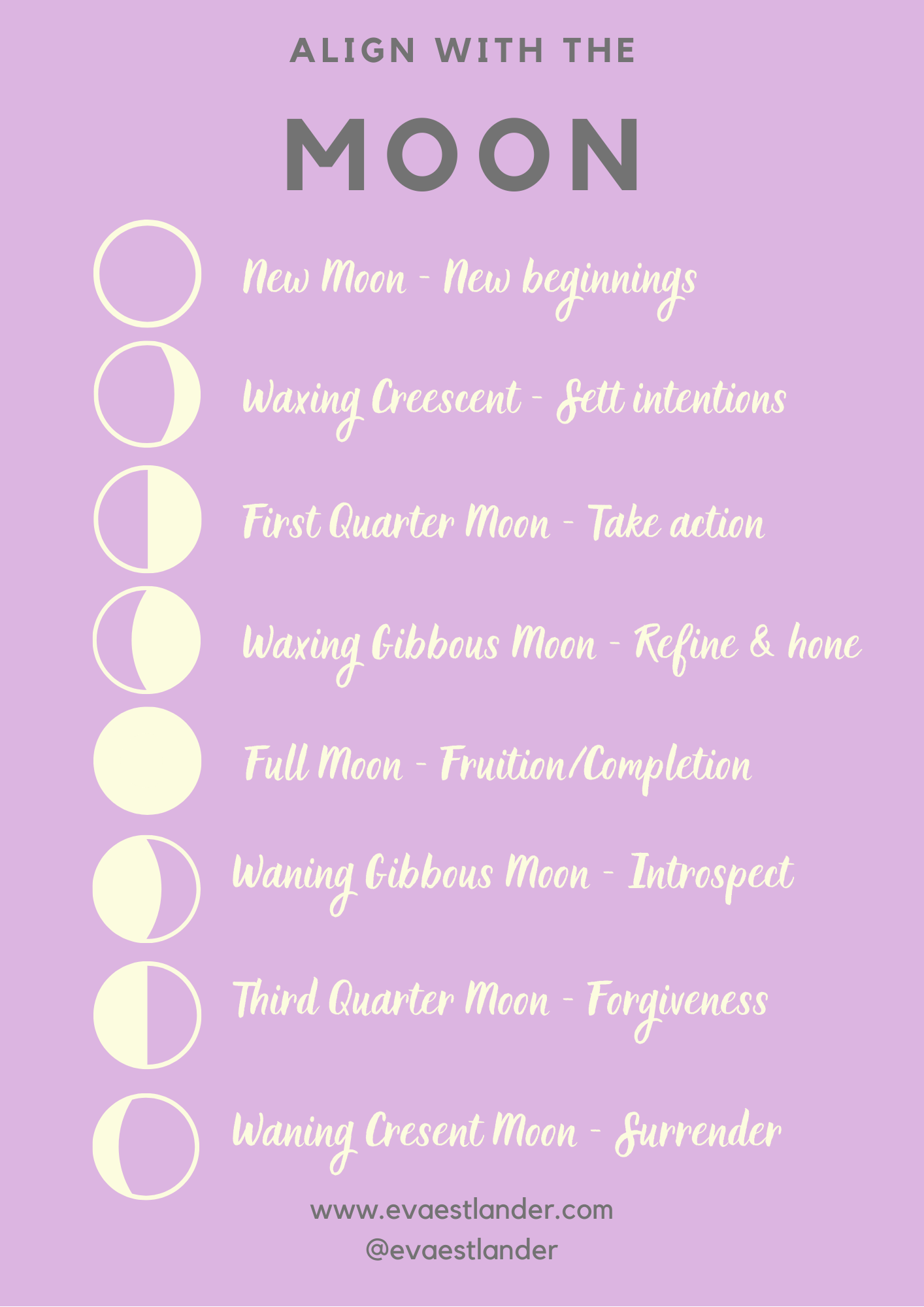
To understand what the moon represents, one must look at its specific phases. Each stage of the lunar cycle carries a distinct set of symbolic instructions and meanings that have guided spiritual practices and agricultural planning for millennia.
| Lunar Phase | Primary Symbolism | Psychological/Practical Application |
|---|---|---|
| New Moon | Beginnings, Seeds, Potential | Setting intentions, planning new projects, introspection. |
| Waxing Crescent | Momentum, Growth, Commitment | Building energy, taking the first steps, gathering resources. |
| First Quarter | Action, Challenges, Decision | Overcoming obstacles, refining the plan, asserting will. |
| Waxing Gibbous | Refinement, Patience, Editing | Adjusting details, staying the course before the climax. |
| Full Moon | Completion, Clarity, Harvest | Celebrating achievements, revelation of secrets, emotional release. |
| Waning Gibbous | Gratitude, Sharing, Teaching | Distributing the "harvest," teaching others, giving back. |
| Last Quarter | Release, Forgiveness, Letting Go | Breaking bad habits, ending toxic relationships, cord-cutting. |
| Balsamic (Dark) | Rest, Surrender, Vision | Deep meditation, physical recovery, dreaming of the future. |
Lunar Rhythms in Nature and Agriculture
Beyond the spiritual and psychological, the moon represents the tangible laws of the natural world. The gravity of the moon is the primary force behind the Earth's tides. This physical reality translates into a symbol of "Influence from Afar"—the idea that something invisible and distant can have a profound impact on the physical environment.
In agriculture, "planting by the moon" is a practice that dates back to the Neolithic period and remains a significant aspect of organic farming in 2026. This practice is based on the belief that the moon's gravitational pull affects the moisture in the soil.
- Waxing Moon: As the light increases, moisture is pulled upward, encouraging the growth of plants that produce fruit above ground (like tomatoes or beans).
- Waning Moon: As the light decreases, moisture moves downward, favoring the growth of root crops (like carrots or potatoes) and the strengthening of root systems.
This agricultural tradition turns the moon into a symbol of timing and harmony. It teaches that there is a "right time" for every action and that success comes from aligning one's efforts with the natural rhythms of the universe rather than fighting against them.
The Moon as a Symbol of Mystery and the Unknown
The moon is the guardian of the night, a time when the world looks different and the boundaries between reality and imagination blur. This gives the moon its reputation as a symbol of mystery, magic, and the occult. It represents the "unseen" forces that govern our lives—destiny, karma, and the spiritual realms.
In literature and art, the moon often appears as a witness to secrets. Lovers meet under the moon; conspiracies are hatched in its shadow. It represents the paradox of being visible yet unreachable. This sense of longing and distance has made the moon a central figure in romanticism, symbolizing the unattainable or the divine inspiration that drives artists and poets.
Frequently Asked Questions
What does the moon symbolize in dreams?
In dream analysis, the moon often represents the dreamer's emotional state or their relationship with a maternal figure. A bright, full moon may indicate clarity or a peak emotional experience, while a hidden or eclipsed moon might suggest confusion, suppressed emotions, or a fear of the unknown. It often points to the "feminine" side of the dreamer's psyche, regardless of their gender.
Why is the moon associated with a rabbit or a man?
Different cultures see different images in the craters of the moon (pareidolia). In many East Asian cultures, the shadows are seen as a "Jade Rabbit" pounding the elixir of life. In Western folklore, the "Man in the Moon" is a common trope, often depicted as a person carrying a bundle of sticks. These symbols represent how humans project their own stories and cultural values onto the celestial canvas.
Is moon symbolism different in astrology?
In astrology, the moon governs the zodiac sign of Cancer and represents the "Inner Child," the home, and the way an individual processes emotions and feels secure. While the Sun sign represents one's outward personality and drive, the Moon sign is considered the key to one's private, emotional world. It is the most personal point in an astrological chart, reflecting the soul's most basic needs.
What does a blood moon represent?
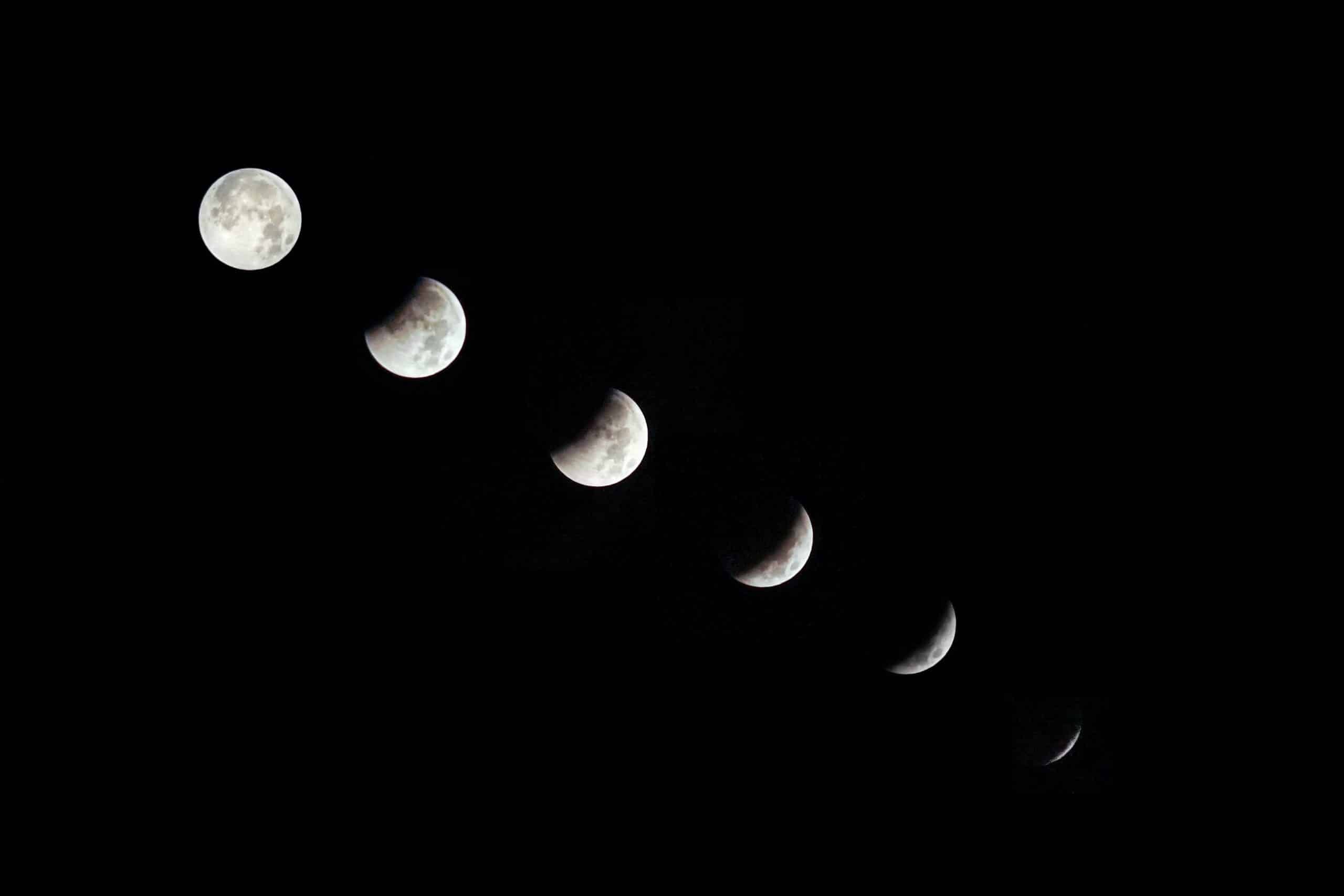
A "blood moon" occurs during a total lunar eclipse when the Earth’s shadow covers the moon, and the only light reaching its surface is refracted through the Earth's atmosphere, giving it a reddish hue. Historically, this was often viewed as an omen of change, upheaval, or significant transitions. Symbolically, it represents a "reset" or a moment of intense transformation where the old must die to make way for the new.
How can I use moon symbolism in daily life?
Many people in 2026 use the moon's phases to structure their personal development. By aligning goal-setting with the New Moon and "cleansing" or finishing tasks during the Waning Moon, individuals find a natural cadence that prevents burnout. Simple actions like keeping a lunar journal to track moods or observing the moon’s position can help foster a deeper sense of connection to natural cycles.
Practical Recommendation for Engaging with Lunar Cycles
To truly integrate the symbolism of the moon into your life, start by observing the current phase for one full cycle (29 days). Instead of just looking at the moon, record how your energy levels, emotional reactivity, and sleep patterns shift as the moon grows and shrinks. By mirroring your activities to the lunar phases—starting new projects at the New Moon and practicing reflection at the Waning Moon—you can develop a more rhythmic, less stressful approach to your professional and personal responsibilities.
Image Gallery