Why 12 Step Programs for Codependency Matter in Recovery
12-step programs for codependency matter because they provide a structured, peer-supported framework to dismantle self-defeating behavioral patterns. By applying the "Twelve Steps" to relational dynamics, participants shift focus from...
12-step programs for codependency matter because they provide a structured, peer-supported framework to dismantle self-defeating behavioral patterns. By applying the "Twelve Steps" to relational dynamics, participants shift focus from controlling others to developing self-autonomy, establishing healthy boundaries, and healing the underlying emotional trauma that fuels enabling behaviors and chronic people-pleasing.
Contents
The Role of Codependency in the Modern Recovery Landscape
In 2026, the clinical understanding of recovery has expanded far beyond simple abstinence from substances. Recovery is now recognized as a holistic process of reclaiming one’s identity and emotional health. At the heart of many dysfunctional patterns lies codependency, a behavioral condition where an individual becomes psychologically dependent on another person—often someone struggling with addiction or chronic illness—to the detriment of their own well-being.
Codependency is often described as an "addiction to people" or an "addiction to being needed." While it is not a diagnosis in the DSM-5, its impact on mental health and relapse rates in traditional addiction recovery is profound. Without addressing the codependent urge to "fix" or "rescue" others, individuals often find themselves in a cycle of resentment and exhaustion. 12-step programs, specifically those tailored for codependency like Co-Dependents Anonymous (CoDA), offer a proven roadmap for breaking these cycles.
The Core Mechanism: How the 12 Steps Address Codependency
The 12-step model, originally developed by Alcoholics Anonymous in the 1930s, has been adapted for codependency to focus on the loss of self. While a person struggling with alcohol might be powerless over a bottle, a codependent person is powerless over their compulsion to manage the lives of others.
Shifting the Internal Locus of Control
The primary goal of a 12-step program for codependency is to move the participant's locus of control from external (the actions and moods of others) to internal (one’s own values and choices).
- Admitting Powerlessness: Step One involves admitting that one is powerless over others and that their own life has become unmanageable. For a codependent, this is the radical realization that they cannot control someone else’s sobriety, happiness, or choices.
- The Moral Inventory: Step Four requires a "searching and fearless moral inventory." In a codependency context, this means looking at patterns of manipulation, caretaking, and the avoidance of one's own needs.
- Making Amends to the Self: While Steps Eight and Nine focus on making amends to others, codependency recovery emphasizes making amends to oneself for years of self-neglect and the violation of one's own boundaries.
The Importance of the "Higher Power" Concept
In 2026, 12-step programs continue to utilize the concept of a Higher Power, but the interpretation has become increasingly secular and inclusive. For a codependent, the Higher Power serves a vital psychological function: it provides a place to "deposit" the responsibilities that do not belong to them. By surrendering the outcome of a loved one's life to a power greater than themselves, the codependent is finally free to focus on their own recovery.
Key 12-Step Organizations for Codependency
While several groups use the 12-step model, they serve slightly different niches within the recovery community. Understanding which organization fits a specific situation is crucial for effective treatment.
- Co-Dependents Anonymous (CoDA): This is the primary 12-step group for individuals whose common problem is the inability to maintain functional relationships. It is not tied to a specific addiction in a loved one; it focuses entirely on the participant's own patterns of codependency.
- Al-Anon and Nar-Anon: These groups are designed specifically for the friends and family members of alcoholics and addicts. While they address codependent behaviors, the focus remains heavily on the impact of a loved one's substance abuse.
- Adult Children of Alcoholics & Dysfunctional Families (ACA): ACA focuses on the childhood origins of codependency. It is highly effective for those who grew up in "laundry list" environments where they learned codependent survival traits as a child.
The Benefits of a Peer-Led Community
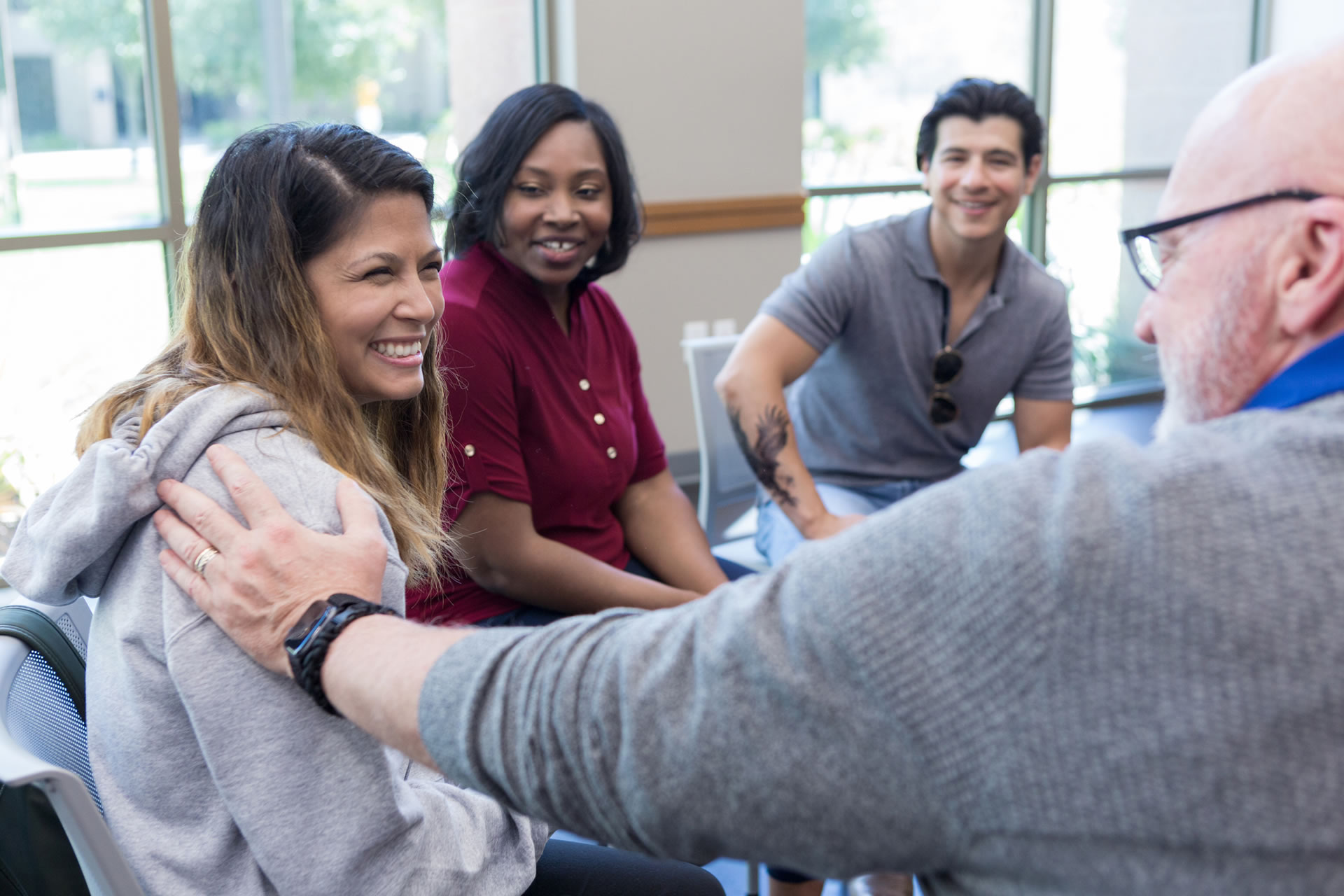
One of the most significant reasons 12-step programs matter is the removal of isolation. Codependency thrives in secrecy and the belief that one is uniquely responsible for "saving" a family unit.
Mirroring and Validation
In a 12-step meeting, participants hear their own "unspoken thoughts" echoed by others. This "mirroring" helps individuals identify their own behaviors that they previously viewed as virtuous (such as extreme self-sacrifice) as actually being part of a larger, unhealthy pattern. This validation is often the first step toward genuine change.
The Role of Sponsorship
A sponsor in CoDA or Al-Anon is someone who has worked the steps and provides one-on-one guidance. For a codependent person, the sponsor-sponsee relationship is a laboratory for practicing healthy boundaries. It is often the first relationship where the individual learns to ask for help without feeling like a burden and to receive feedback without feeling attacked.
Comparing Codependency Recovery Frameworks
To understand why 12-step programs remain a cornerstone of recovery in 2026, it is helpful to compare them to other common interventions.
| Feature | 12-Step Programs (CoDA/Al-Anon) | Professional Psychotherapy (CBT/DBT) | Self-Help Books & Coaching |
|---|---|---|---|
| Cost | Free (Self-supporting via donations) | High (Varies by insurance/provider) | Moderate (Book costs/Session fees) |
| Primary Focus | Peer support and spiritual growth | Symptom management and trauma processing | Education and tactical goal setting |
| Availability | 24/7 (Global meetings/Online) | Scheduled appointments | On-demand |
| Community Aspect | High (Group setting/Sponsorship) | Low (One-on-one focus) | Low to Moderate |
| Longevity | Lifelong community resource | Typically time-limited | Variable |
Common Challenges and Misconceptions
Despite their efficacy, 12-step programs are often misunderstood. Addressing these misconceptions is vital for anyone considering this path in recovery.
The Myth of "Curing" Codependency
A common mistake is viewing a 12-step program as a "course" to be completed. In 2026, the recovery community emphasizes that codependency is a lifelong tendency toward certain behaviors. The "Steps" are not a ladder to a finish line but a cycle of maintenance. The program matters because it provides a consistent framework to prevent a slide back into old habits when life becomes stressful.
Addressing the Secular Divide
Many people are initially deterred by the religious language in the 12 Steps (e.g., "God"). However, modern 12-step literature and meetings emphasize that this is a spiritual, not religious program. Participants are encouraged to define their "Higher Power" in any way that works for them—whether that be nature, the collective wisdom of the group, or the laws of science. This flexibility allows the program to remain relevant in a diverse, modern society.
Practical Steps: How to Engage with a 12-Step Program
For those realizing that codependency is hindering their quality of life, the barrier to entry for 12-step programs is intentionally low. There are no fees, no intake forms, and no requirements other than a desire for healthy relationships.
- Attend an "Open" Meeting: Most groups offer open meetings where newcomers can listen without the pressure to speak. This allows the individual to "shop around" for a group dynamic that feels safe and supportive.
- Obtain the Literature: Each organization has its own core text (e.g., The CoDA Big Book or Al-Anon’s How Al-Anon Works). Reading these texts provides the theoretical foundation for the meetings.
- Identify "Patterns and Characteristics": CoDA, for example, provides a list of common codependent traits categorized by Denial, Low Self-Esteem, Compliance, Control, and Avoidance. Reviewing these helps the individual see where they fit within the program's scope.
Why 12-Step Programs Are Essential for Long-Term Recovery
The true value of these programs lies in their ability to provide a "new way of living" rather than just a "way to stop" a specific behavior. For the codependent, the 12 Steps offer a path to interdependence—the healthy middle ground between being overly dependent on others and being fiercely, avoidantly independent.
In the landscape of 2026, where digital disconnection and social isolation are prevalent, the physical or virtual presence of a supportive 12-step community provides a necessary anchor. It teaches individuals that they are worthy of love and respect exactly as they are, independent of what they can "do" for anyone else.
Frequently Asked Questions
Is CoDA only for people whose partners are addicts? No. While many people in CoDA have relationships with addicts, the program is for anyone who struggles with codependent patterns, such as an inability to say no, a need for constant approval, or a tendency to take responsibility for others' feelings. It is about your own behavior, regardless of who you are in a relationship with.
What is the difference between Al-Anon and CoDA? Al-Anon is specifically for people who have been affected by someone else’s drinking. Its literature focuses heavily on the family disease of alcoholism. CoDA is broader; it focuses on the internal patterns of the codependent person, regardless of whether there is an active addict in their life.
Can I participate in 12-step programs if I am an atheist? Yes. Modern 12-step groups are highly inclusive of atheists and agnostics. Many members use the group itself as their "Higher Power" (G.O.D. as "Good Old Directions" or "Group Of Drunks/Disfunctional-recoverers"). The spiritual element is about recognizing you aren't the center of the universe, not necessarily believing in a deity.
How often should I attend meetings? There is no fixed requirement, but the common suggestion for newcomers is "90 meetings in 90 days." This is intended to help break old patterns and fully immerse the individual in the language and culture of recovery. After the initial period, many members find that one to two meetings a week provides adequate maintenance.
Do 12-step programs replace professional therapy? Not necessarily. Many people find that 12-step programs and professional therapy are complementary. Therapy can provide deep-dive trauma processing and clinical diagnosis, while 12-step programs provide daily accountability, peer community, and a practical framework for spiritual and emotional growth.
Final Recommendation
If you find yourself constantly exhausted by the needs of others or feel that your happiness is entirely dependent on someone else's behavior, your next step should be to find a local or online CoDA or Al-Anon meeting. Recovery from codependency is not a solo journey; the structural support of a 12-step program is often the missing piece in achieving lasting emotional peace.
Image Gallery