Zulresso for Postpartum Depression: A Comprehensive Guide to Brexanolone Treatment
Zulresso (brexanolone) is the first FDA-approved intravenous medication specifically designed to treat postpartum depression (PPD) in adult women. By mimicking a natural neurosteroid that fluctuates after childbirth, it provides rapid...
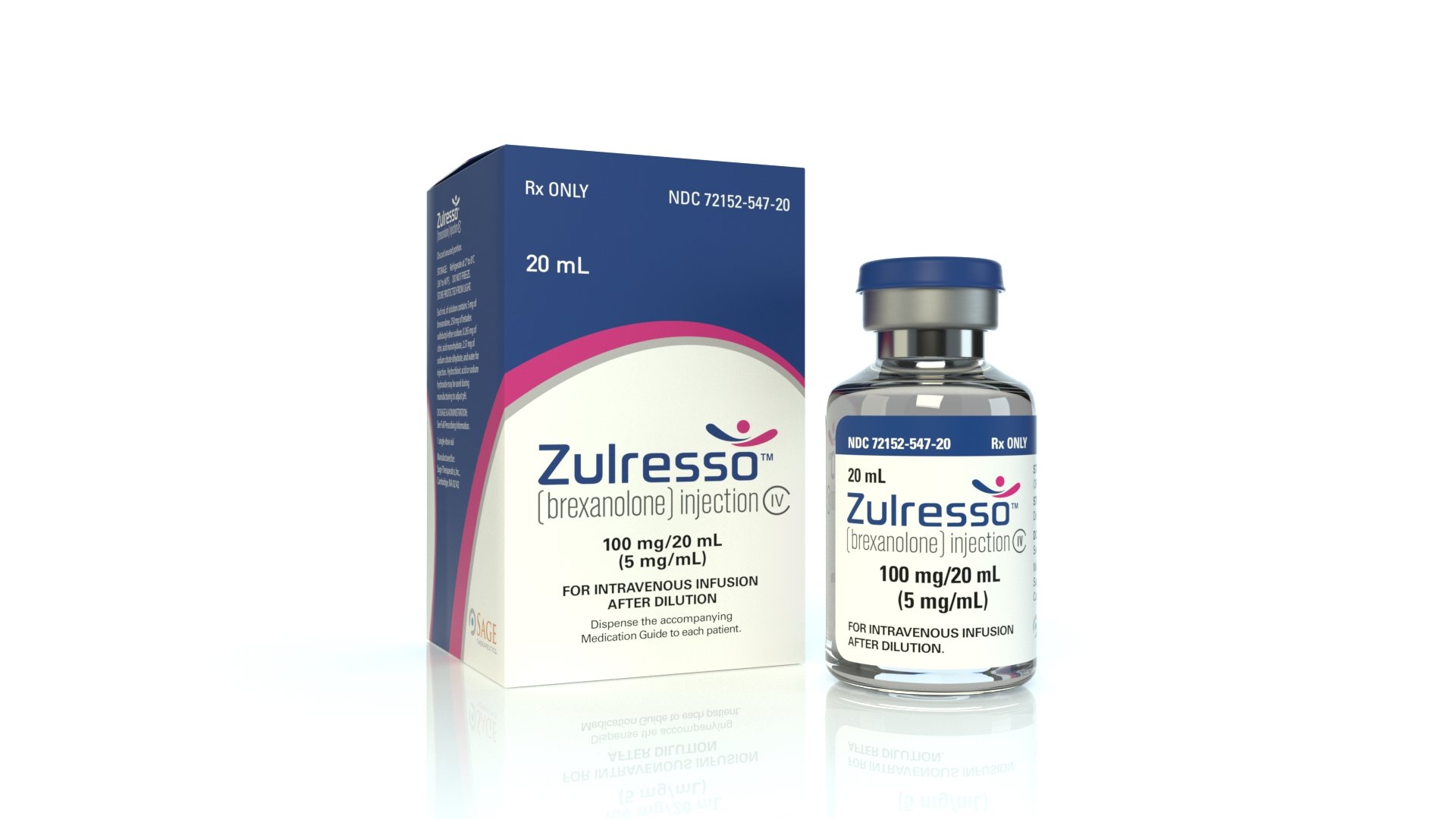
Zulresso (brexanolone) is the first FDA-approved intravenous medication specifically designed to treat postpartum depression (PPD) in adult women. By mimicking a natural neurosteroid that fluctuates after childbirth, it provides rapid symptom relief—often within 48 to 60 hours—offering a critical intervention for those suffering from moderate to severe PPD.
Contents
Understanding Postpartum Depression and the Role of Zulresso
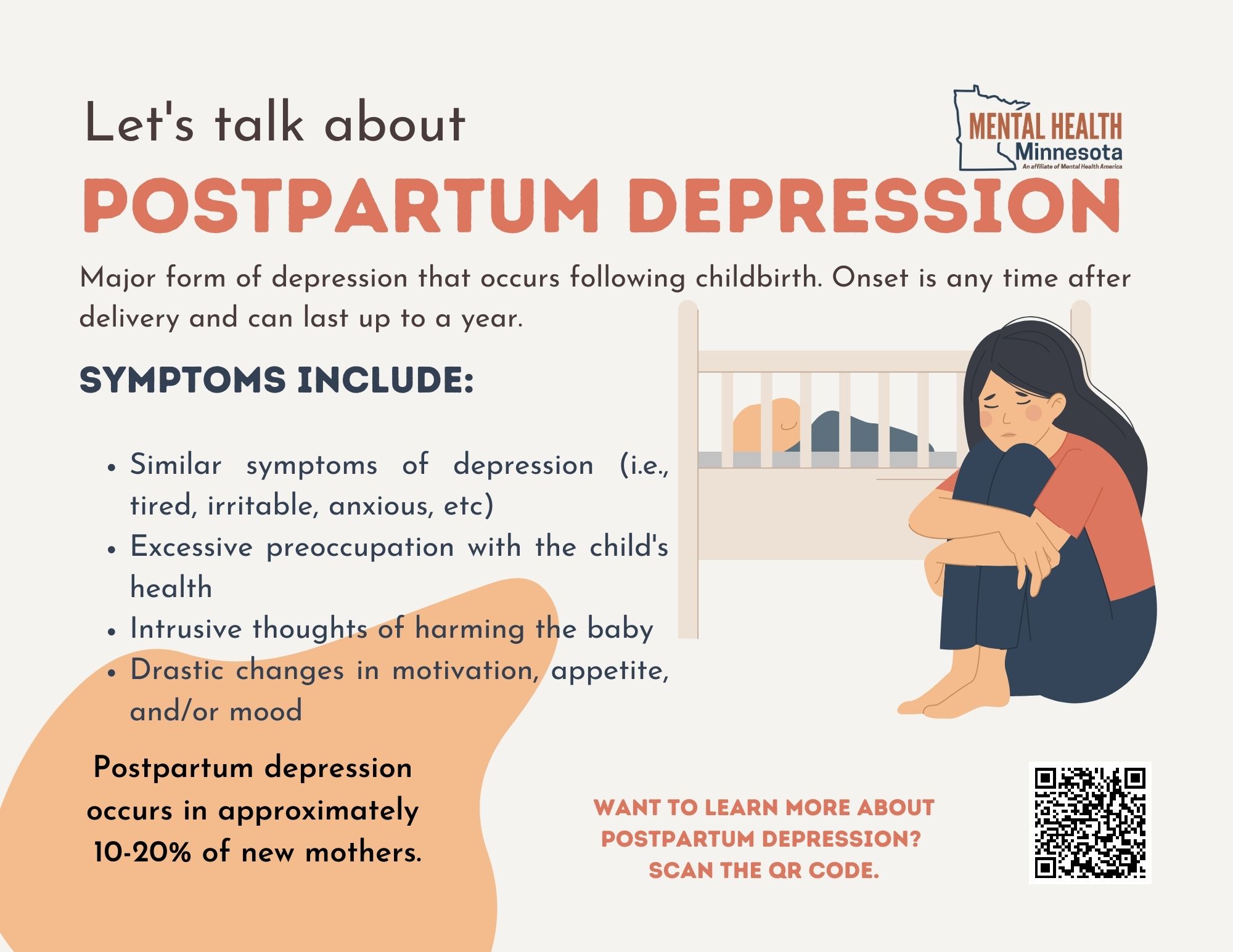
Postpartum depression is a complex mood disorder that affects approximately one in seven new mothers. Unlike the "baby blues," which are mild and transient, PPD involves persistent feelings of extreme sadness, anxiety, and exhaustion that can interfere with a mother's ability to care for herself or her newborn. Historically, treatment relied on standard antidepressants like Selective Serotonin Reuptake Inhibitors (SSRIs), which can take four to eight weeks to become effective.
Zulresso represents a paradigm shift in psychiatric care. Approved by the FDA in 2019, it is not an SSRI. Instead, it is a synthetic version of allopregnanolone, a metabolite of progesterone. During pregnancy, allopregnanolone levels rise significantly, only to drop precipitously after delivery. In some women, this "hormonal crash" triggers a maladaptive response in the brain’s signaling system, leading to depression. Zulresso works by acting as a positive allosteric modulator of GABA-A receptors, essentially "resetting" the brain's stress response system more quickly than traditional oral medications.
By 2026, Zulresso has established a clear clinical niche. While newer oral options have entered the market, the intravenous (IV) administration of brexanolone remains a preferred "rapid-fire" option for patients in acute crisis or those who require immediate stabilization to prevent self-harm or neglect of the infant.
The Treatment Process: The 60-Hour Continuous Infusion
One of the most distinct aspects of Zulresso is its administration protocol. It is not a pill taken at home; rather, it is a one-time, 60-hour continuous intravenous infusion. This procedure must be conducted in a certified healthcare setting where the patient can be monitored around the clock.
Preparation and Admission
Before the infusion begins, patients undergo a thorough screening. This includes a psychiatric evaluation to confirm the diagnosis of PPD and a physical exam to ensure the patient can tolerate a 2.5-day hospital stay. Because the medication can cause sudden loss of consciousness, patients must be admitted to a facility that is part of the Zulresso REMS (Risk Evaluation and Mitigation Strategy) program.
Titration and Monitoring
The infusion is not a static dose. It follows a specific titration schedule:
- Hours 0–4: The infusion starts at a low dose to assess initial tolerance.
- Hours 4–24: The dose is increased to a mid-level "target" rate.
- Hours 24–52: The dose reaches its maximum therapeutic level.
- Hours 52–60: The dose is gradually tapered down to prevent a sudden withdrawal effect.
Throughout this period, healthcare providers monitor the patient’s oxygen levels using pulse oximetry and perform regular sedation checks. The presence of a "sitter" or continuous nursing observation is mandatory because the risk of fainting or excessive sedation can occur without warning.
Interaction with the Newborn
A common concern for new mothers is the separation from their infant. Most certified facilities allow the baby to stay in the room with the mother, provided there is another healthy adult present to care for the child. This ensures that the maternal-infant bond is maintained even while the mother receives intensive clinical treatment.
Eligibility and Patient Selection
Zulresso is specifically indicated for adult women with postpartum depression. However, not every woman with PPD is a candidate for this intensive IV therapy. In clinical practice as of 2026, eligibility generally hinges on the severity of the condition and the timing of symptom onset.
- Symptom Onset: To be classified as PPD for Zulresso eligibility, the depressive episode must typically have begun during the third trimester or within the first four weeks following delivery.
- Severity of Depression: While the FDA label covers "postpartum depression" broadly, the logistics and cost of the 60-hour infusion usually mean it is reserved for moderate to severe cases. This is often measured using the Hamilton Depression Rating Scale (HAM-D).
- Medical Contraindications: Patients with end-stage renal disease or severe kidney impairment are generally advised against Zulresso, as the vehicle used to deliver the drug (sulfobutylether β-cyclodextrin) can accumulate in the kidneys.
Physicians also consider the patient's support system. Because the treatment requires a three-day hospital stay, the mother must have a plan for childcare and household management during her absence.
Safety Profile and the REMS Program
The safety of Zulresso is managed through a strict regulatory framework. The most significant risk associated with brexanolone is sudden loss of consciousness (SLOC), which occurred in approximately 4% of patients during clinical trials. This is not a gradual drift into sleep but a rapid onset of unconsciousness that can lead to falls or respiratory issues.
Common Side Effects
Beyond the risk of sedation, patients may experience:
- Dizziness and Vertigo: Often occurring during the first 24 hours of titration.
- Dry Mouth: A common but minor side effect of many neurosteroid treatments.
- Infusion Site Pain: Redness or swelling at the IV site.
- Flushing: A temporary feeling of warmth or redness in the face and neck.
The REMS Requirement
The FDA’s Risk Evaluation and Mitigation Strategy (REMS) is a mandatory program for medications with serious safety concerns. For Zulresso, the REMS requires that the drug only be administered in a certified facility, that the patient be monitored for sedation and oxygen saturation every two hours, and that the pharmacy dispensing the drug be specifically certified to handle brexanolone. Patients are also warned not to drive or operate heavy machinery for several days following the completion of the infusion.
Comparing Zulresso to Zurzuvae and Traditional SSRIs
In the 2026 landscape of reproductive psychiatry, clinicians have more tools than ever. Choosing between Zulresso (brexanolone) and its newer oral cousin, Zurzuvae (zuranolone), is a primary decision point.
| Feature | Zulresso (Brexanolone) | Zurzuvae (Zuranolone) | Traditional SSRIs |
|---|---|---|---|
| Administration | 60-hour IV infusion | 14-day oral pill cycle | Daily oral pill (long-term) |
| Onset of Action | Immediate (within 2-3 days) | Rapid (within 3-7 days) | Slow (4-8 weeks) |
| Setting | Hospital/Certified Clinic | At home | At home |
| Primary Mechanism | GABA-A Modulator | GABA-A Modulator | Serotonin Reuptake Inhibition |
| REMS Required? | Yes | No | No |
| Cost (Drug Only) | Approx. $34,000 | Approx. $15,900 | Very Low (Generic) |
While Zurzuvae offers the convenience of an at-home pill, Zulresso remains the "gold standard" for patients who cannot wait several days for an oral drug to peak or for those who have absorption issues. Furthermore, because Zulresso is administered under direct supervision, treatment compliance is 100%, which is not always guaranteed with a 14-day oral course.
Costs, Insurance, and Accessibility in 2026
The financial aspect of Zulresso treatment remains one of its biggest hurdles. The wholesale acquisition cost of the medication is approximately $34,000. However, this does not include the cost of the 2.5-day hospital stay, nursing care, and monitoring equipment, which can bring the total bill to $50,000 or more.
Insurance Coverage
By 2026, most major private insurers and many state Medicaid programs have established clear prior authorization (PA) criteria for Zulresso. To get approval, providers typically need to document:
- A formal diagnosis of moderate to severe PPD.
- The timing of symptom onset (postpartum window).
- Sometimes, a history of "failing" at least one or two other antidepressant treatments, though many advocates argue against this "step therapy" for acute PPD.
Patient Assistance Programs
The manufacturer, Sage Therapeutics, offers a patient support program (Sage Central) that can help navigate insurance hurdles. In some cases, copay assistance can reduce the out-of-pocket cost of the drug to as little as $0 for eligible patients with commercial insurance. However, these programs often do not cover the "facility fees" (the hospital room and board), which can still result in significant medical debt for those with high-deductible plans.
Practical Expert Guidance for Families
If you or a loved one is considering Zulresso, the first step is to consult a reproductive psychiatrist or an OB-GYN who specializes in perinatal mood disorders. It is essential to ask about the specific facilities in your area that are REMS-certified.
Questions to ask your provider:
- Is my PPD severity appropriate for an IV infusion, or should we try oral Zurzuvae first?
- Which local hospital is certified for Zulresso, and what is their policy on newborns staying in the room?
- How long is the current waiting list for an infusion bed?
- Will my current medications (e.g., benzodiazepines or opioids) interact safely with brexanolone?
Preparation for the 60-hour stay is also vital. Families should arrange for a "support person" who can stay at the hospital to care for the infant, as the mother will be too sedated to do so safely on her own.
FAQs
Can I breastfeed while receiving Zulresso?
Data from clinical trials suggests that brexanolone passes into breast milk in very low levels. Most experts and the FDA label indicate that a woman may breastfeed during treatment, though it is recommended to monitor the infant for any signs of excessive sleepiness. Always discuss the risks and benefits of breastfeeding with your specialist based on the most recent 2026 clinical guidelines.
How long do the effects of Zulresso last?
Clinical studies showed that the reduction in depressive symptoms was maintained for at least 30 days post-infusion. While Zulresso is a one-time treatment, some women may require follow-up care with therapy or traditional antidepressants to maintain long-term stability, depending on their underlying psychiatric history.
What happens if the infusion is interrupted?
If the IV line becomes dislodged or the infusion is stopped for medical reasons, the protocol usually dictates a restart or a readjustment of the titration. Because the 60-hour window is calibrated for specific neurosteroid stabilization, maintaining the continuous flow is critical for the drug's efficacy.
Is Zulresso used for general depression or anxiety?
No. Zulresso is specifically FDA-approved only for postpartum depression. Its mechanism is tied to the unique hormonal shifts of the peripartum period, and there is currently no clinical evidence supporting its use for Major Depressive Disorder (MDD) outside of the postpartum context.
Why is a hospital stay required if the drug is so effective?
The hospital stay is a safety requirement, not an efficacy requirement. Because of the risk of sudden fainting (syncope) and deep sedation, the FDA mandates that patients be in a setting where they can be monitored and assisted immediately to prevent injury.
Final Recommendation
Zulresso is a potent, fast-acting treatment that can be life-saving for mothers in the depths of severe postpartum depression. While the 60-hour hospital stay and high cost are significant barriers, the ability to achieve remission in just over two days is a feat traditional antidepressants cannot match. For those in 2026 facing acute PPD, Zulresso remains a vital, scientifically backed option that addresses the biological roots of the condition. If you are struggling, reach out to a healthcare provider immediately to discuss whether this intensive therapy is the right path for your recovery.
Image Gallery