Disney Incidents: A Detailed Record of Unexpected Events and Safety Evolution
Disney theme parks maintain some of the highest safety standards in the global attractions industry. However, a "record of unexpected events" exists through state-mandated reporting, legal filings, and historical archives. These incide...
Disney theme parks maintain some of the highest safety standards in the global attractions industry. However, a "record of unexpected events" exists through state-mandated reporting, legal filings, and historical archives. These incidents, ranging from mechanical malfunctions to human error, serve as critical data points that drive continuous improvements in ride engineering, employee training, and operational protocols.
Contents
Understanding the history of Disney incidents requires looking past urban legends to the verifiable data provided by regulatory bodies and internal safety disclosures. As of 2026, the framework for theme park safety relies heavily on the lessons learned from decades of operational history at Disneyland Resort and Walt Disney World. This record is not merely a list of accidents but a roadmap of how modern engineering has evolved to mitigate the inherent risks of transporting millions of guests through high-kinetic environments.
The Regulatory Framework of Incident Reporting
The public record of unexpected events at Disney parks is primarily shaped by state-level transparency laws. In the United States, theme park regulation is not centralized under a federal agency; instead, it falls to state authorities. This creates two distinct reporting environments for Disney’s domestic properties.
Florida: The Memorandum of Understanding (MOU)
In Florida, major theme parks including Walt Disney World operate under a "Memorandum of Understanding" with the Florida Department of Agriculture and Consumer Services (FDACS). Under this agreement, the parks are exempt from state inspections as long as they maintain their own professional engineering staffs and report any guest injuries that result in an immediate hospital stay of 24 hours or more. These quarterly reports provide a primary source for the "record of unexpected events" in Florida.
California: Cal/OSHA Oversight
Unlike Florida, California’s Disneyland Resort is subject to more direct oversight from the Division of Occupational Safety and Health (Cal/OSHA). The state’s Amusement Ride and Tramway Unit inspects rides annually and investigates any "serious" injury or mechanical failure. This results in a more granular public record, as Cal/OSHA reports often include detailed technical breakdowns of mechanical failures and specific mandates for corrective actions.
Categorizing the Record: Mechanical, Operational, and Human Factors
When analyzing Disney incidents, researchers categorize them into three primary triggers: mechanical failure, operational error, and guest-related factors (including pre-existing medical conditions).
1. Mechanical Failures and Engineering Lessons
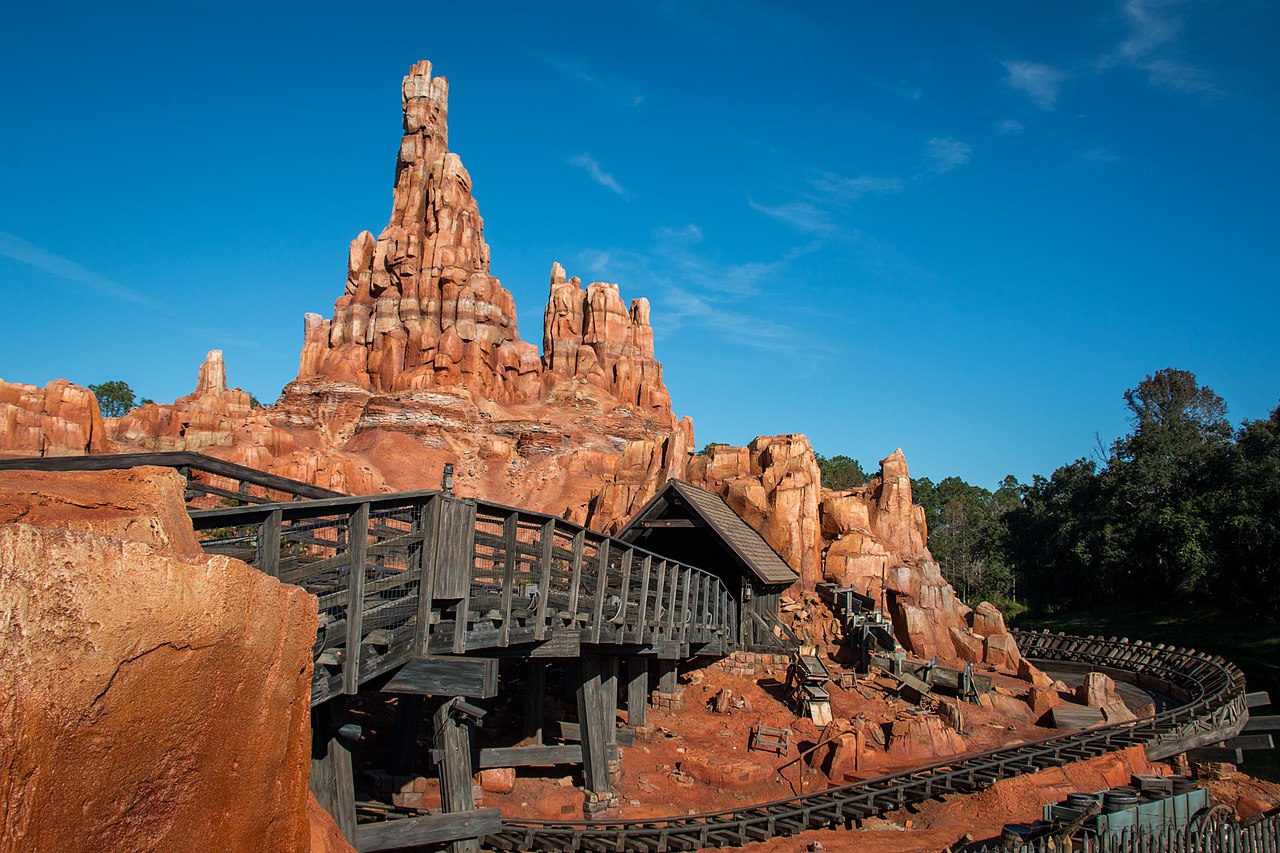
While rare, mechanical failures represent the most significant risk to park operations. One of the most cited events in the record of unexpected events is the 2003 Big Thunder Mountain Railroad derailment at Disneyland. An investigation revealed that a safety bolt had not been properly tightened, leading to the separation of a locomotive from its chassis. This tragic event resulted in a fundamental overhaul of maintenance logging and the implementation of redundant fastening systems across all Disney "mountain" attractions.
2. Operational Errors and System Logic
Operational errors involve mistakes by the "Cast Members" (employees) or failures in the computer logic that manages ride vehicles. The 2009 monorail collision at Walt Disney World’s Epcot line is a benchmark for this category. The incident occurred when a monorail was instructed to reverse through a switch that had not been properly aligned, compounded by a failure in the automated anti-collision system. This led to the death of a pilot and a complete redesign of the monorail's central dispatch communication protocols.
3. Guest Factors and Pre-existing Conditions
The vast majority of incidents listed in the quarterly FDACS reports are attributed to guest health rather than ride failure. Modern attractions use high G-forces and sudden movements that can exacerbate undiagnosed cardiac conditions or respiratory issues. Disney’s record includes numerous "unexpected events" where guests fell ill or lost consciousness after riding a high-intensity attraction like Mission: SPACE or Expedition Everest. These incidents underscore the importance of the safety warning signage found atทุก attraction entrance.
Historical Milestones in Park Safety Evolution
The record of unexpected events is punctuated by specific incidents that changed the industry forever. These events often led to "The Disney Standard" of safety, which many other park operators now follow.
| Date | Incident Type | Park | Outcome/Safety Change |
|---|---|---|---|
| 1984 | Passenger Ejection | Disneyland | Implementation of individual T-bar restraints on Matterhorn Bobsleds. |
| 1998 | Component Failure | Disneyland | Redesign of mooring cleats on the Columbia Sailing Ship; enhanced training for dock personnel. |
| 2003 | Derailment | Disneyland | Overhaul of maintenance documentation and mandatory "block zone" sensor upgrades. |
| 2009 | Vehicle Collision | Magic Kingdom | Update to Monorail MAPO (Automatic Train Protection) systems and pilot protocols. |
| 2016 | Wildlife Incident | Magic Kingdom | Radical change in environmental management and signage at resort waterways. |
Technical Safeguards: The "Block Zone" System
To prevent the "unexpected events" most feared by the public—vehicle collisions—Disney utilizes a sophisticated "Block Zone" system. This is a technical requirement for any multi-vehicle attraction.
A "block" is a section of track that can only be occupied by one vehicle at a time. The end of a block is guarded by a set of brakes or a physical barrier. If sensors (usually proximity switches) detect that the forward block is still occupied, the computer (Programmable Logic Controller or PLC) will automatically engage the brakes on the following vehicle.
This system is "fail-safe," meaning that if the computer loses power or a sensor fails, the default state is for all brakes to close and all vehicles to stop. Many "ride breakdowns" reported by guests are actually the safety system working correctly—stopping the ride because a sensor detected a minor timing discrepancy or a guest dropped an item that tripped a light curtain.
The Legal and Settlement Landscape
A significant portion of the record of unexpected events is hidden behind non-disclosure agreements (NDAs). When an incident occurs that involves clear negligence or equipment failure, Disney, like most major corporations, often seeks to settle legal claims out of court.
These settlements prevent the specific details of the incident, the amount of compensation, and the testimony of experts from becoming public. However, the filing of the initial lawsuit remains a matter of public record. Legal researchers often track "personal injury" filings in Orange County, Florida, and Orange County, California, to identify trends in park incidents that may not have reached the 24-hour hospitalization threshold required for state reporting.
Safety Standards in 2026: The Role of AI and Biometrics
By 2026, the record of unexpected events has been influenced by the introduction of Artificial Intelligence (AI) in park monitoring. Disney has integrated computer vision systems that can detect "unsafe guest behavior" in real-time. For example, if a guest stands up in a moving vehicle or attempts to reach outside the ride envelope, AI-enabled cameras can trigger an immediate "e-stop" (emergency stop) before an injury occurs.
This proactive approach to safety has reduced the frequency of mechanical and operational incidents. However, the "record" continues to grow as the parks push the boundaries of immersive technology, such as trackless ride vehicles and autonomous "Stuntronic" animatronics that perform aerial maneuvers. Each new technology requires a new set of safety protocols and, inevitably, creates new types of unexpected events to be documented and solved.
Common Misconceptions About Disney Incidents
There are several persistent myths regarding the record of Disney incidents that require clarification based on available data:
- The "No One Dies at Disney" Myth: A common urban legend claims that Disney prevents doctors from declaring a guest dead on the property to maintain a "death-free" record. This is false. Local medical examiners and coroners have jurisdiction over deaths regardless of where they occur, and numerous public records confirm deaths have been officially recorded on Disney property.
- The "Ride Malfunction" Assumption: When a ride stops, guests often assume a malfunction occurred. In reality, over 90% of ride stoppages are caused by guest actions, such as a slow load-in for a passenger with a disability or a guest dropping a hat onto the tracks.
- Safety Record Comparison: Statistically, a guest is safer on a Disney attraction than they are during the drive to the theme park. The rate of serious injury on fixed-site amusement rides is approximately 1 in 15.5 million rides.
Frequently Asked Questions
Where can I find official reports on Disney World incidents?
Official reports are released quarterly by the Florida Department of Agriculture and Consumer Services (FDACS). These are available on their website under the "Fair Rides" section, listed as the "MOU Exempt Facilities Report." These reports list the date of the incident, the attraction, and a brief description of the injury or medical event.
Are Disney incident records available to the general public?
Yes, records related to state inspections (in California) and 24-hour hospitalizations (in Florida) are public records. However, internal company incident logs, minor first-aid records, and private legal settlements are generally not accessible to the public unless subpoenaed in a court of law.
How does Disney prevent mechanical incidents from recurring?
Following a major incident, Disney’s Ride & Show Engineering team performs a forensic analysis. They often work with the ride’s original manufacturer (such as Vekoma, Bolliger & Mabillard, or Intamin) to issue a "Safety Bulletin." This bulletin may require every park worldwide that operates that specific ride model to perform inspections or replace certain parts.
What is the most common type of incident reported at Disney?
The most common incidents are pre-existing medical conditions triggered by environmental factors or ride intensity. These include fainting, nausea, and cardiac events. Among mechanical-adjacent incidents, "slips, trips, and falls" during the boarding or deboarding process are the most frequent.
Do Disney incidents affect their insurance premiums?
As a massive corporation, Disney is largely self-insured for smaller claims but carries significant liability insurance for catastrophic events. Their safety record is a primary factor in their risk management strategy, and the "record of unexpected events" is used by actuaries to determine the financial reserves the company must hold.
Actionable Advice for Park Guests
To avoid becoming a part of the record of unexpected events, guests should prioritize the following actions:
- Observe All Physical Requirements: Do not attempt to bypass height requirements or hide medical conditions. The safety restraints are engineered for specific body types and physical capabilities.
- Secure All Loose Items: Items like cell phones and hats are the leading cause of "nuisance stops" and can become dangerous projectiles at high speeds.
- Follow Cast Member Instructions: Nearly all operational safeguards rely on guests staying seated and keeping hands and arms inside the vehicle.
- Stay Hydrated and Rested: Many "unexpected events" involving fainting or dizziness are the result of Florida or California heat combined with exhaustion.
The record of unexpected events at Disney is a testament to the complexity of operating "The Most Magical Place on Earth." While no environment is 100% risk-free, the transparent documentation of these incidents ensures that every failure is met with an engineering or operational solution, maintaining the high safety standards that guests expect.
Image Gallery