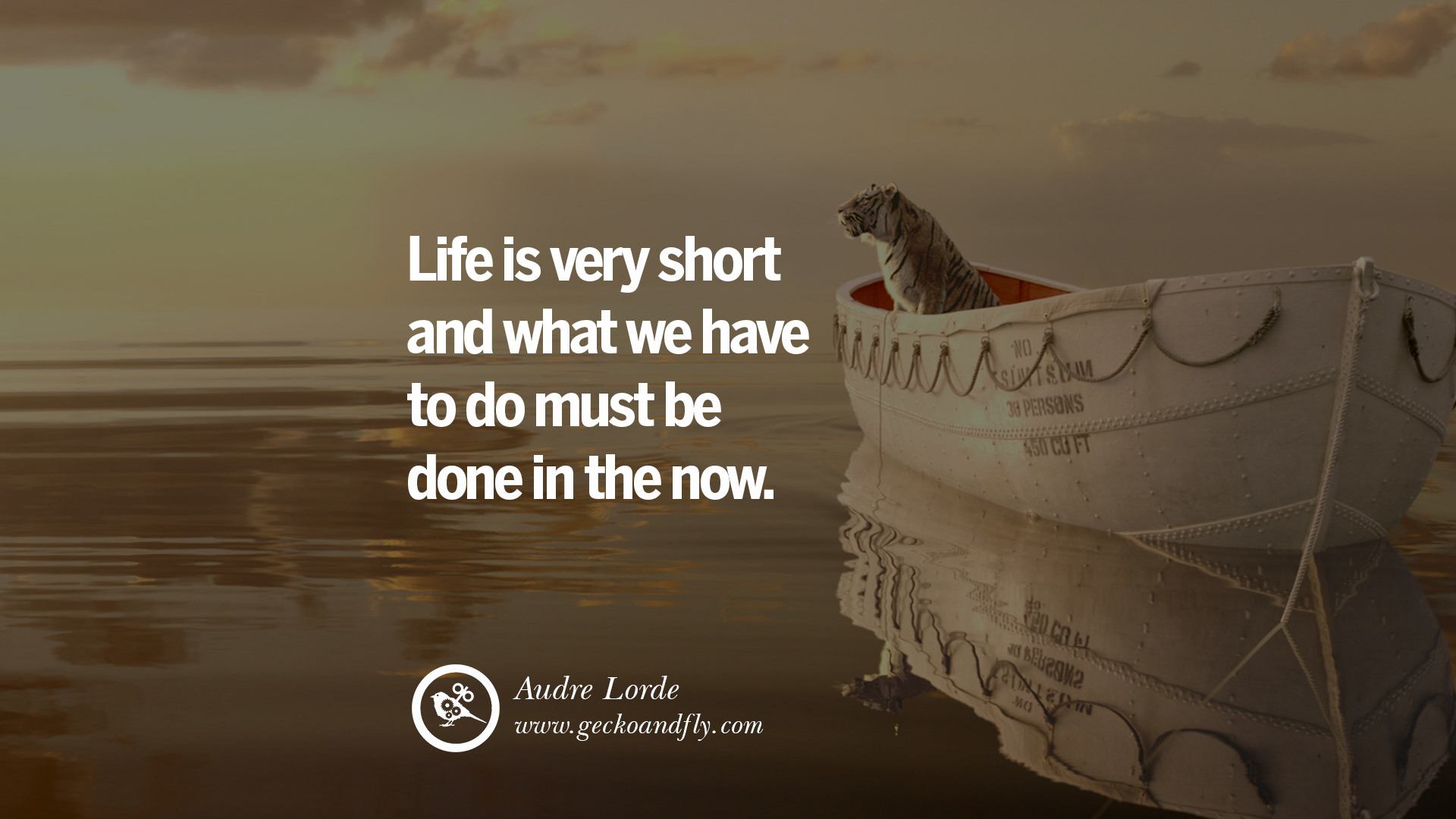
Quotes About Life is Good: Finding Perspective and Resilience in 2026
Quotes about life being good serve as powerful cognitive tools that help individuals reframe their daily challenges, foster psychological resilience, and maintain a focus on constructive gratitude. By distilling complex human experienc...
Quotes about life being good serve as powerful cognitive tools that help individuals reframe their daily challenges, foster psychological resilience, and maintain a focus on constructive gratitude. By distilling complex human experiences into concise, evocative language, these expressions provide immediate access to alternative perspectives, helping to regulate emotional states and sustain long-term motivation during periods of personal or professional transition.
Contents
The Psychology of Positive Reframing
The utility of focusing on the goodness of life is grounded in the psychological principle of positive reframing. This is not about ignoring adversity but rather identifying the aspects of a situation that are manageable, meaningful, or inherently positive. When you integrate optimistic quotes into your daily routine, you are engaging in a form of cognitive restructuring.
In 2026, the speed of digital information and the complexity of global workflows can lead to rapid decision fatigue. Using specific, verified quotes—often rooted in historical philosophy or literature—acts as a grounding mechanism. It allows the brain to shift from a sympathetic nervous system "fight or flight" response to a more contemplative state, which is essential for analytical thinking and emotional regulation.
Categories of Life-Affirming Expressions
Quotes about the goodness of life generally fall into four distinct categories based on their intended psychological function. Understanding these categories helps you select the right sentiment for your current environment:
- Stoic Resilience: These focus on the idea that the quality of your life is determined by your perception of events rather than the events themselves.
- Mindfulness and Presence: These emphasize the "goodness" found in the immediate, small details of existence, moving away from future anxiety.
- Gratitude-Based: These serve to remind the reader of the foundational aspects of life—health, connection, and survival—that are often overlooked.
- Purpose-Driven: These link the goodness of life to contribution, legacy, and the pursuit of long-term goals.
Practical Application and Integration
To effectively use these quotes, it is necessary to go beyond passive consumption. Turning an abstract sentiment into a tangible action plan ensures the information is actually utilized.
- Contextual Anchoring: Assign specific quotes to high-stress environments. For example, place a quote regarding the value of perseverance on your workspace monitor to mitigate frustration during technical setbacks.
- Reflective Journaling: Use a selected quote as a prompt for a five-minute end-of-day reflection. Ask yourself how the sentiment applies to the specific tasks you completed that day.
- Routine Interruption: Use these quotes as a reset button during transitions, such as before a difficult meeting or after a long commute, to recalibrate your mindset for the next task.
Comparative Analysis of Perspectives
The following table categorizes different schools of thought regarding the concept of a "good life," helping you align your internal narrative with a specific philosophical framework.
| Philosophical School | Core Focus | Application for Modern Life |
|---|---|---|
| Stoicism | Internal control and logic | Mitigating stress during project delays |
| Existentialism | Creating individual meaning | Defining personal goals in a fluid market |
| Epicureanism | Minimizing pain and mental anxiety | Prioritizing well-being and balance |
| Humanism | Empathy and human connection | Fostering team cohesion and collaboration |
Navigating Challenges with Perspective
One common mistake when engaging with "life is good" messaging is the trap of toxic positivity. It is essential to recognize that life can be "good" even when it is difficult. Acknowledging the hardship while maintaining an optimistic outlook is the hallmark of genuine resilience.
When selecting quotes for yourself or others, focus on those that acknowledge the complexity of the human experience. Quotes that only focus on joy without addressing the reality of effort or struggle often lack the necessary depth to be truly useful. Look for expressions that speak to the process of living—the growth, the learning, and the endurance—rather than just the outcomes.
Prerequisites for Mindset Shifts
Before a quote can effectively change your perspective, two conditions must be met:
- Self-Awareness: You must be able to identify when your current mindset is hindering your productivity or well-being.
- Intentionality: You must deliberately choose to focus on the content of the quote rather than allowing your environment to dictate your mood.
In a professional setting, this looks like choosing to view a critique not as a personal failure, but as a data point for improvement. A quote focused on the "goodness" of learning from mistakes can serve as the bridge between feeling defensive and feeling empowered.
Frequently Asked Questions
Can repeating positive quotes actually change my outlook? Yes, through a process called self-affirmation theory. By consciously selecting and repeating statements that align with your desired mindset, you can reduce the impact of negative bias, provided the quotes feel authentic and relevant to your actual circumstances.
How do I choose the right quote for a difficult situation? Select quotes that match your current emotional state but offer a slightly more constructive trajectory. If you are frustrated by a process, look for a quote about patience. If you are exhausted, look for a quote about the value of rest. Do not try to force an "overly joyful" quote onto a "somber" situation, as this can create cognitive dissonance.
Are these quotes scientifically supported? While quotes themselves are not scientific data, the concepts they often reference—gratitude, mindfulness, and cognitive reframing—are well-supported by peer-reviewed psychological literature. They serve as colloquial shorthand for proven mental health strategies.
Can using these quotes become a form of avoidance? Yes. If you use positive quotes to mask genuine problems that require logical, technical, or legal resolution, it becomes a form of avoidance. Use quotes as a tool for emotional regulation, not as a replacement for necessary problem-solving or professional intervention.
How often should I change my focus quote? There is no fixed timeframe. Keep a quote as your "mental anchor" for as long as it remains relevant to the challenges you are currently facing. Once you have integrated that perspective into your habitual thought process, you can move on to a new quote that addresses a different area of growth.
Next Steps
To begin, identify one specific professional or personal challenge you are currently facing. Research or recall three quotes that address the nature of that challenge (rather than just the outcome). Write these down and place them where you will see them during the peak of that challenge. By connecting the sentiment to the specific, real-world issue, you transform a passive thought into an active tool for resilience.
Image Gallery