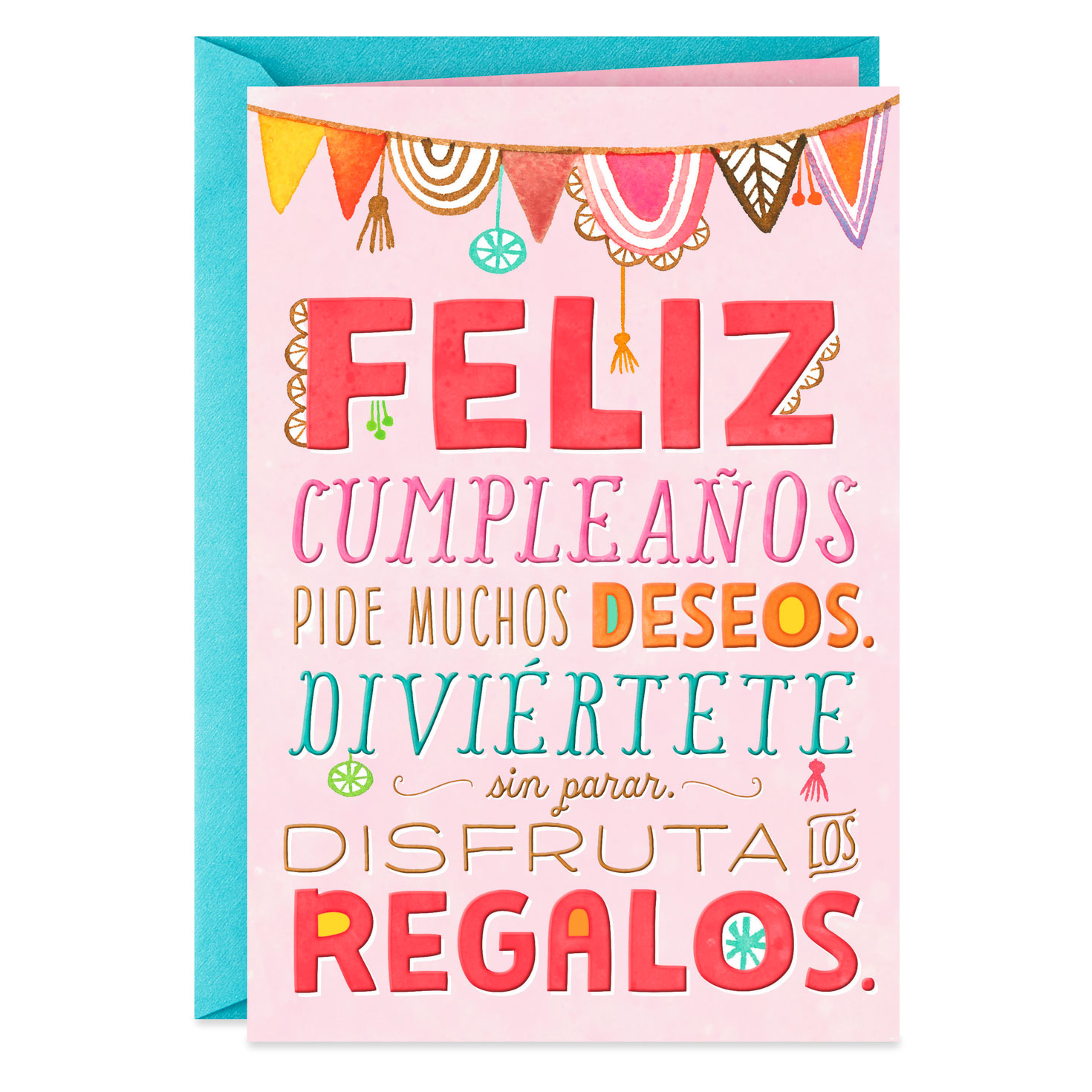
Birthday Blessings in Spanish: Phrases, Translations, and Cultural Etiquette
Offering birthday blessings in Spanish requires selecting expressions that match your relationship with the recipient and the occasion's cultural context. Whether you need traditional religious wishes like Que Dios te bendiga, warm mes...
Offering birthday blessings in Spanish requires selecting expressions that match your relationship with the recipient and the occasion's cultural context. Whether you need traditional religious wishes like Que Dios te bendiga, warm messages for family members, or formal greetings using usted, using proper phrasing ensures your sentiments resonate deeply, authentically, and respectfully.
Contents
The Cultural Significance of "Bendiciones" in Spanish-Speaking Cultures
In Spanish-speaking communities across Latin America and Spain, birthday wishes frequently extend beyond a simple congratulations (¡Feliz cumpleaños!). The concept of a bendición (blessing) is deeply embedded in social customs, family structures, and daily speech. For millions of native speakers, invoking blessings on a birthday is a heartfelt wish for divine protection, robust health, peace, and prosperity in the coming year.
While secular greetings are widely used in professional or casual settings, adding spiritual or warm personal blessings remains standard practice among family members, close friends, and elders. Expressing a blessing acknowledges the gift of another year of life—often phrased as un año más de vida—and demonstrates deep respect (respeto) and affection (cariño).
Understanding how to construct and deliver these messages allows non-native speakers, heritage speakers, and multi-cultural families to communicate sincere good wishes while adhering to proper cultural etiquette and grammatical conventions.
Grammatical Essentials: Formality and the Subjunctive Mood
Before choosing a specific phrase, it is essential to understand two grammatical principles that govern birthday blessings in Spanish: address levels (tú versus usted) and the subjunctive mood.
1. Formality: Tú vs. Usted
Spanish distinguishes between informal (tú) and formal (usted) forms of address. Using the wrong pronoun can alter the tone of your message from warm and personal to inappropriately casual, or from respectful to distant.
- Informal (Tú): Used for friends, siblings, peers, children, and close relatives.
- Que Dios te bendiga en este día. (May God bless you on this day.)
- Formal (Usted): Reserved for elders, grandparents, superiors at work, or individuals to whom you wish to show deference.
- Que Dios lo bendiga (masculine) / Que Dios la bendiga (feminine) en este día.
2. The Wish Structure: Que + Subjunctive
Most formal and informal blessings begin with the conjunction que, followed by a verb in the present subjunctive mood. In Spanish, the word que at the start of an independent clause functions as an implied wish or prayer (short for Deseo que... or Espero que..., meaning "I wish that...").
- Que tengas un día maravilloso. (May you have a wonderful day. — informal verb tener)
- Que tenga un feliz cumpleaños. (May you have a happy birthday. — formal verb tener)
- Que Dios te colme de bendiciones. (May God fill/overflow you with blessings. — verb colmar)
Traditional and Religious Birthday Blessings (Bendiciones Religiosas)
Religious and faith-centered blessings are among the most popular expressions used in birthday cards, text messages, and in-person toasts throughout the Spanish-speaking world. These phrases ask for divine guidance, health, and happiness.
Essential Spiritual Expressions
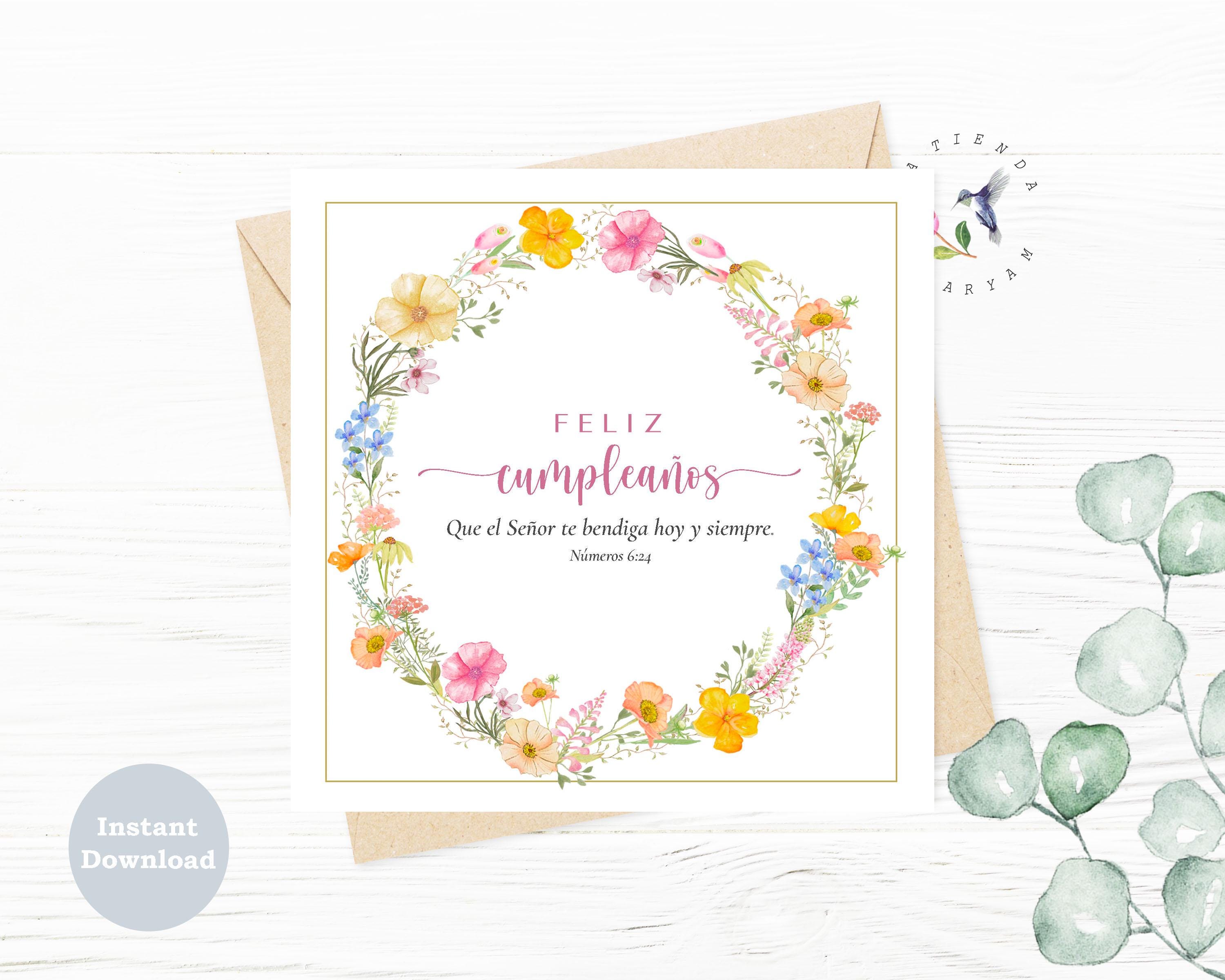
"Que Dios te bendiga hoy y siempre."
- Translation: May God bless you today and always.
- Context: A universal phrase suitable for close friends, family, and loved ones of all ages.
"Que el Señor derrame infinitas bendiciones sobre tu vida."
- Translation: May the Lord pour out infinite blessings upon your life.
- Context: A deeply expressive wish commonly used in written messages, prayers, or formal birthday cards for close relatives.
"Que Dios te conceda muchos años más de vida, salud y felicidad."
- Translation: May God grant you many more years of life, health, and happiness.
- Context: A traditional blessing frequently spoken to elders, parents, or grandparents during birthday toasts.
"En este día tan especial, le pido a Dios que guíe cada uno de tus pasos."
- Translation: On this very special day, I ask God to guide every single one of your steps.
- Context: A thoughtful message suitable for godchildren, adult children, or close friends embarking on a new year of life.
"Que la gracia de Dios te acompañe en este nuevo año de vida."
- Translation: May God's grace accompany you in this new year of life.
- Context: A refined, respectful blessing appropriate for formal occasions or faith-centered communities.
Warm Birthday Messages for Family Members (Para la Familia)
Family relationships in Spanish culture warrant tailored vocabulary that reflects warmth, affection, and familial honor. Below are specific birthday blessings organized by family relationship.
For Parents and Grandparents
When addressing parents (padres) or grandparents (abuelos), messages often combine gratitude for their wisdom with blessings for continued health (salud).
For Mothers (Mamá / Madrecita):
- ¡Feliz cumpleaños, mamá! Que Dios te bendiga con mucha salud y alegría. Gracias por tu amor incondicional.
- (Happy birthday, Mom! May God bless you with abundant health and joy. Thank you for your unconditional love.)
For Fathers (Papá / Papi):
- Querido papá, en tu día le pido al Cielo que te proteja y te dé muchos años más a nuestro lado. ¡Muchas felicidades!
- (Dear Dad, on your day I ask Heaven to protect you and grant you many more years by our side. Best wishes!)
For Grandparents (Abuelo / Abuela):
- Para la mejor abuela: que Dios la colme de bendiciones, paz y felicidad hoy en su cumpleaños.
- (For the best grandmother: may God fill you with blessings, peace, and happiness today on your birthday. Note the formal "la" for respect.)
For Siblings, Children, and Godchildren
Greetings for younger family members or peers generally use the informal tú form, emphasizing fun, growth, and future aspirations.
For Siblings (Hermano / Hermana):
- ¡Feliz cumpleaños, hermano! Que este nuevo año esté lleno de éxitos, bendiciones y grandes momentos.
- (Happy birthday, brother! May this new year be filled with success, blessings, and great moments.)
For Children (Hijo / Hija):
- Hijita de mi corazón, que Dios bendiga tu vida y guíe tus pasos hacia todos tus sueños. ¡Feliz día!
- (My dear daughter, may God bless your life and guide your steps toward all your dreams. Happy day!)
Heartfelt Secular Wishes for Friends and Colleagues
If you prefer non-religious or secular greetings that maintain warmth, optimism, and polite sentiment, Spanish offers numerous rich expressions focusing on health, success, and prosperity.
Warm Friends Greetings
- "¡Que pases un día maravilloso en compañía de tus seres queridos!" (May you have a wonderful day in the company of your loved ones!)
- "Deseo que este nuevo año de vida te traiga muchísima salud, éxito y momentos inolvidables." (I wish that this new year of life brings you abundant health, success, and unforgettable moments.)
- "¡Feliz cumpleaños! Que la vida te sonría siempre y te devuelva todo lo bueno que das." (Happy birthday! May life always smile upon you and return all the goodness you give.)
Professional and Formal Greetings for Colleagues or Superiors
In a workplace context or when addressing an acquaintance, maintain a balanced level of respect (usted) without overly personal or intense religious phrasing, unless you know the recipient's personal preference.
- "Le deseo un muy feliz cumpleaños. Que este año esté lleno de triunfos profesionales y personales." (I wish you a very happy birthday. May this year be filled with professional and personal achievements.)
- "Estimado/a [Nombre], le envío un cordial saludo en su día. Que tenga un año próspero y lleno de salud." (Dear [Name], I send you a warm greeting on your day. May you have a prosperous year filled with health.)
Comprehensive Reference: Spanish Birthday Blessings & Greetings
The table below provides a practical categorization of common Spanish birthday blessings, detailing their formality level, intended audience, and English translations.
| Spanish Phrase | English Translation | Formality Level | Primary Application |
|---|---|---|---|
| ¡Feliz cumpleaños! | Happy birthday! | Neutral / Universal | Anyone (Standard greeting) |
| ¡Muchas felicidades! | Best wishes! / Congratulations! | Neutral / Universal | Friends, family, colleagues |
| Que Dios te bendiga. | May God bless you. | Informal (Tú) | Friends, young relatives, peers |
| Que Dios lo/la bendiga. | May God bless you. | Formal (Usted) | Elders, grandparents, bosses |
| Que cumplas muchos años más. | May you celebrate many more years. | Informal (Tú) | Close friends, siblings, children |
| Que tenga un feliz día. | May you have a happy day. | Formal (Usted) | Acquaintances, supervisors |
| Que Dios te colme de bendiciones. | May God shower you with blessings. | Informal (Tú) | Faith-centered friends & family |
| Éxitos y bendiciones en tu año. | Success and blessings in your year. | Informal / Semi-formal | Co-workers, ambitious friends |
| Un abrazo fuerte y bendiciones. | A big hug and blessings. | Warm Informal | Close friends and family |
Birthday Celebrations and Song Customs in Spanish-Speaking Regions
Delivering a birthday greeting in a Spanish-speaking environment often coincides with specific cultural rituals. Understanding these customs enhances how your message is received.
1. Las Mañanitas vs. Cumpleaños Feliz
While the classic standard song "Cumpleaños Feliz" (sung to the tune of "Happy Birthday to You") is recognized across all Spanish-speaking countries, regional variations are common:
- Mexico and Central America: The traditional morning serenade is "Las Mañanitas", a classic song invoking blessings, dawn, and celebration. It is traditionally sung to awaken the birthday person or right before blowing out candles on the cake (pastel or torta).
- Colombia: The song "Ay qué noche tan bonita" is widely sung alongside standard birthday tracks.
- Venezuela: "Ay qué noche tan bonita" is deeply rooted in local birthday traditions.
2. The Custom of La Mordida
In Mexico and parts of Latin America, after singing the birthday song, onlookers often chant "¡Mordida, mordida!" encouraging the celebrant to take a direct bite out of the cake. Be prepared for a gentle face push into the frosting—a lighthearted tradition symbolizing shared joy.
3. Expression: En Tu Día (On Your Day)
In Spanish, referring to someone's birthday as tu día (your day) or su día (your day - formal) is extremely common. You will frequently hear phrases like ¡Felicidades en tu día! rather than repeating the word cumpleaños.
Common Mistakes to Avoid When Sending Spanish Birthday Messages
To ensure your message reads naturally and accurately, avoid these common grammatical and cultural pitfalls:
Mixing Tú and Usted Forms
- Incorrect: Que Dios te bendiga y que tenga un feliz día. (Mixes informal te with formal tenga).
- Correct (Informal): Que Dios te bendiga y que tengas un feliz día.
- Correct (Formal): Que Dios lo bendiga y que tenga un feliz día.
Literal Translations from English
- Translating English idioms literally can sound awkward in Spanish. For example, "Have a good one!" does not translate directly. Instead of attempting a direct rendering, use standard native phrases such as ¡Que pases un excelente día!
Confusing Felicidades and Felicitaciones
- Both mean "congratulations," but ¡Felicidades! is the standard, natural choice for birthdays, anniversaries, and personal milestones. Felicitaciones is generally reserved for specific achievements like passing an exam, graduating, or earning a job promotion.
Incorrect Gender Agreement for Adjectives
- Ensure adjectives match the recipient's gender.
- For a female: Querid*a amiga, deseo que estés bien.*
- For a male: Querid*o amigo, deseo que estés bien.*
Frequently Asked Questions
How do you say "God bless you on your birthday" in Spanish?
The most natural translation is "Que Dios te bendiga en tu cumpleaños" (informal) or "Que Dios lo bendiga en su cumpleaños" (formal). If writing a short text message, "Que Dios te bendiga en tu día" is widely used.
What is the difference between ¡Feliz cumpleaños! and Bendiciones en tu día?
¡Feliz cumpleaños! is the literal and universal greeting for "Happy Birthday." Bendiciones en tu día translates to "Blessings on your day." The latter adds a warmer, often spiritual sentiment, expressing explicit good wishes for health, protection, and peace.
Should I use tú or usted when wishing a happy birthday to an elder?
In almost all Spanish-speaking cultures, it is customary to address elders, grandparents, and elderly relatives using the formal usted form as a sign of respect, unless they explicitly invite you to use tú (tutear). Use phrases like Que Dios la bendiga (for a female) or Que Dios lo bendiga (for a male).
Is it appropriate to send religious blessings to non-religious Spanish speakers?
While phrases mentioning God (Dios) are integrated into daily Spanish speech even among secular speakers, you can easily opt for warm secular alternatives if you prefer. Expressions such as "¡Te deseo mucha salud, paz y alegrías en tu año!" (I wish you much health, peace, and joy in your year!) convey deep goodwill without religious terminology.
How do you sign off a birthday card in Spanish?
Common sign-offs depend on your closeness to the person:
- Casual / Warm: Un abrazo (A hug), Con cariño (With affection), or Saludos (Best regards).
- Very Close Family / Friends: Con mucho amor (With much love), Tu amigo/a que te quiere (Your friend who loves you), or Bendiciones siempre (Blessings always).
Final Recommendation for Choosing the Right Phrase
When writing or speaking a birthday blessing in Spanish, match the phrasing to your actual relationship with the recipient:
- For close peers and casual friends: Use short, warm informal expressions such as "¡Feliz cumpleaños! Que Dios te bendiga y tengas un año espectacular."
- For elders or professional contacts: Opt for formal grammar (usted) with structured respect: "Estimado/a [Nombre], le deseo un feliz cumpleaños y que Dios lo/la llene de salud y bendiciones."
- For personal written notes: Add specific personal details—wishing them success in their career, good health (salud), and quality time with family (familia).
By combining correct grammatical structures with culturally attentive expressions, your birthday blessings will effectively communicate genuine care and warmth in any Spanish-speaking setting.
Image Gallery