Willie Nelson Younger in Music History: The Early Years and Rise of an Outlaw Legend
Understanding Willie Nelson younger in music history reveals how a clean-cut Texas radio DJ and behind-the-scenes Nashville songwriter transformed into one of the most influential figures in American popular music. Long before becoming...
Understanding Willie Nelson younger in music history reveals how a clean-cut Texas radio DJ and behind-the-scenes Nashville songwriter transformed into one of the most influential figures in American popular music. Long before becoming the braided, iconic figurehead of Outlaw Country, Nelson spent decades struggling within the rigid constraints of traditional country music production, forging a unique style that ultimately reshaped the genre.
Contents
Early Life and First Musical Footsteps in Texas (1930s–1950s)
To understand Willie Nelson's profound impact on music history, one must examine his upbringing during the Great Depression. Born on April 29, 1933, in Abbott, Texas, Nelson was raised alongside his sister Bobbie by their paternal grandparents. Music was an immediate presence in their household. His grandparents taught music theory from hymnals, providing Nelson with a foundational understanding of song structure, chord progressions, and vocal harmony at an exceptionally early age.
Nelson picked up the guitar at six years old and composed his first original song by age seven. As a pre-teen, he began performing publicly for small monetary rewards, playing rhythm guitar in local Bohemian polka bands and honky-tonks throughout Central Texas. These early gigs exposed him to a eclectic array of musical traditions—Texas swing, Czech and German polkas, gospel, blues, and traditional country—laying the foundation for his genre-defying musicality.
Early Texas Roots (1930s–1950s)
- Abbott, TX: Raised by grandparents; learned music theory from hymnals
- First Songs: Wrote first tune at age 7; played in local polka & swing bands
- Media Experience: Worked as a radio DJ in Texas and Washington (KVAN)
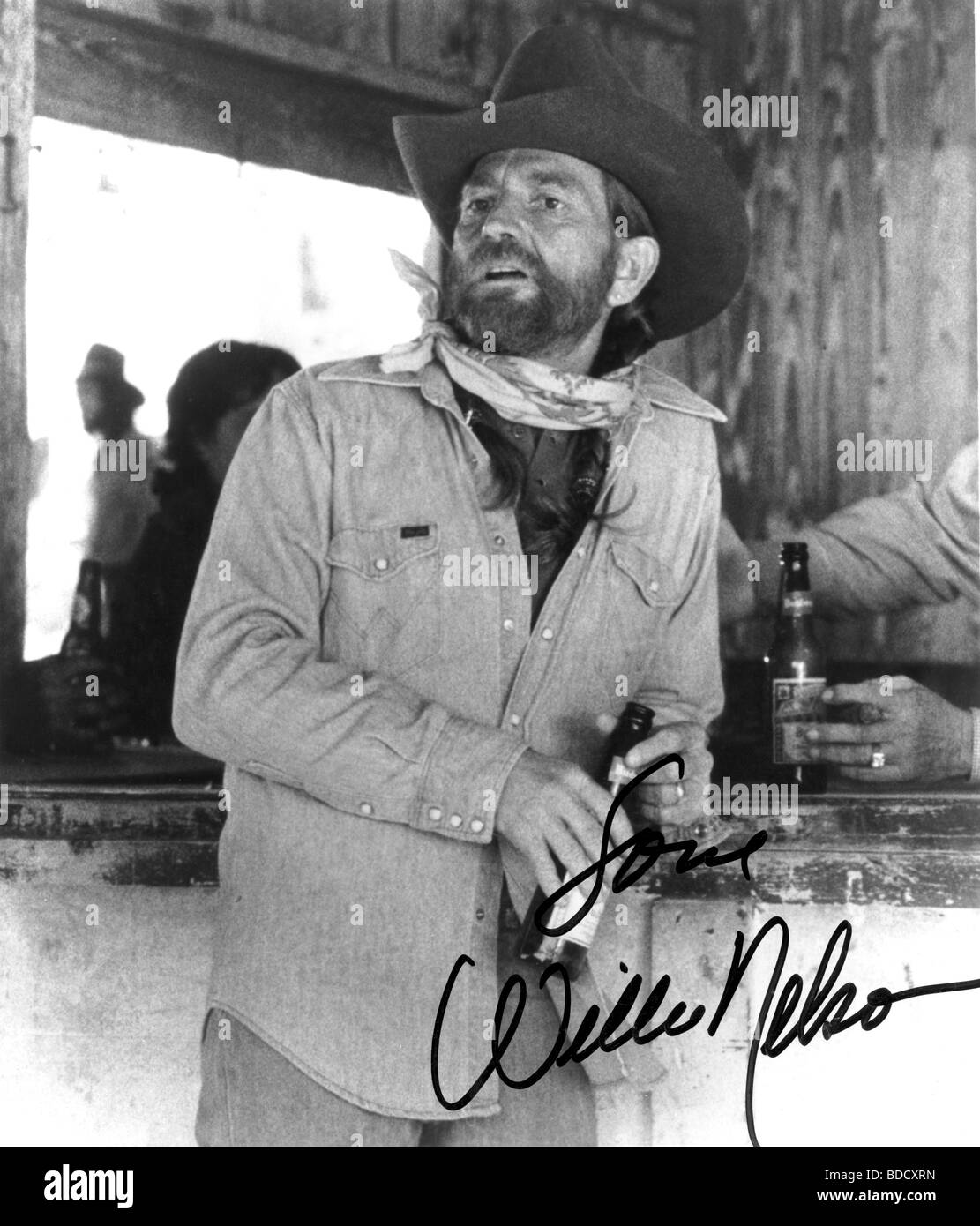
In the mid-1950s, after a brief stint in the United States Air Force and working various sales jobs, Nelson pursued a career in broadcasting. Working as a disc jockey at stations in Texas and later at KVAN in Vancouver, Washington, he immersed himself in the popular recordings of the era. He recorded his first commercial single, "No Place for Me," in 1957. Although the record failed to achieve commercial success, it solidified his determination to make a living as a professional singer and songwriter.
The Nashville Songwriting Era: Crafting Hits for Others (1960–1971)
In 1960, Willie Nelson relocated to Nashville, Tennessee, then the undisputed center of the country music industry. Upon arrival, he found that major record labels were hesitant to promote him as a solo performer. Industry executives regarded his unique singing style—characterized by behind-the-beat jazz phrasing, conversational diction, and subtle vocal inflections—as too unconventional for mainstream radio.
However, Nashville quickly recognized his genius as a composer. Nelson signed with Pamper Music as a staff songwriter for $50 a week, generating a body of work that would define 1960s country music.
Legendary Compositions Recorded by Iconic Artists
During this era, a young Willie Nelson penned several songs that became timeless classics in the American songbook:
- "Crazy" (1961): Recorded by Patsy Cline, this ballad became a massive crossover pop and country hit. Nelson's original demo featured complex chord changes and idiosyncratic timing that initially intimidated vocalists, but Cline's expressive delivery turned it into an enduring masterpiece.
- "Hello Walls" (1961): Recorded by Faron Young, the track spent nine weeks at number one on the Billboard country chart, establishing Nelson as one of the most sought-after songwriters in Nashville.
- "Funny How Time Slips Away" (1961): First recorded by Billy Walker, the song went on to be covered by dozens of artists across country, soul, and pop genres, including Jimmy Elledge and Al Green.
- "Night Life" (1960): Sold early in his career due to financial hardship, this blues-infused standard was recorded by Ray Price and later covered by over a hundred artists across multiple musical disciplines.
Willie Nelson (Pamper Music Songwriter)
- "Crazy" (Patsy Cline)
- "Hello Walls" (Faron Young)
- "Funny How Time Slips Away" (Billy Walker / Various)
The Struggle with the "Nashville Sound"
While Nelson achieved financial success and professional acclaim as a songwriter, his solo recording career stalled under the prevailing "Nashville Sound." Masterminded by producers like Chet Atkins and Owen Bradley, the Nashville Sound favored polished string arrangements, background choruses, and strict rhythmic structure designed to crossover into pop markets.
Nelson recorded several studio albums for Liberty Records and RCA Victor during the 1960s, beginning with his 1962 debut LP, ...And Then I Wrote. Despite containing his own renditions of his hit songs, these releases achieved only modest commercial success. The smooth, orchestral production smothered Nelson's spare, acoustic instrumentation and fluid vocal timing. Frustrated by creative restrictions and a series of personal setbacks, including a house fire in 1970 that destroyed his Nashville home, Nelson made the pivotal decision to retire briefly from the Nashville establishment and return to Texas.
The Outlaw Revolution: Moving to Austin and Redefining Country Music (1972–1976)
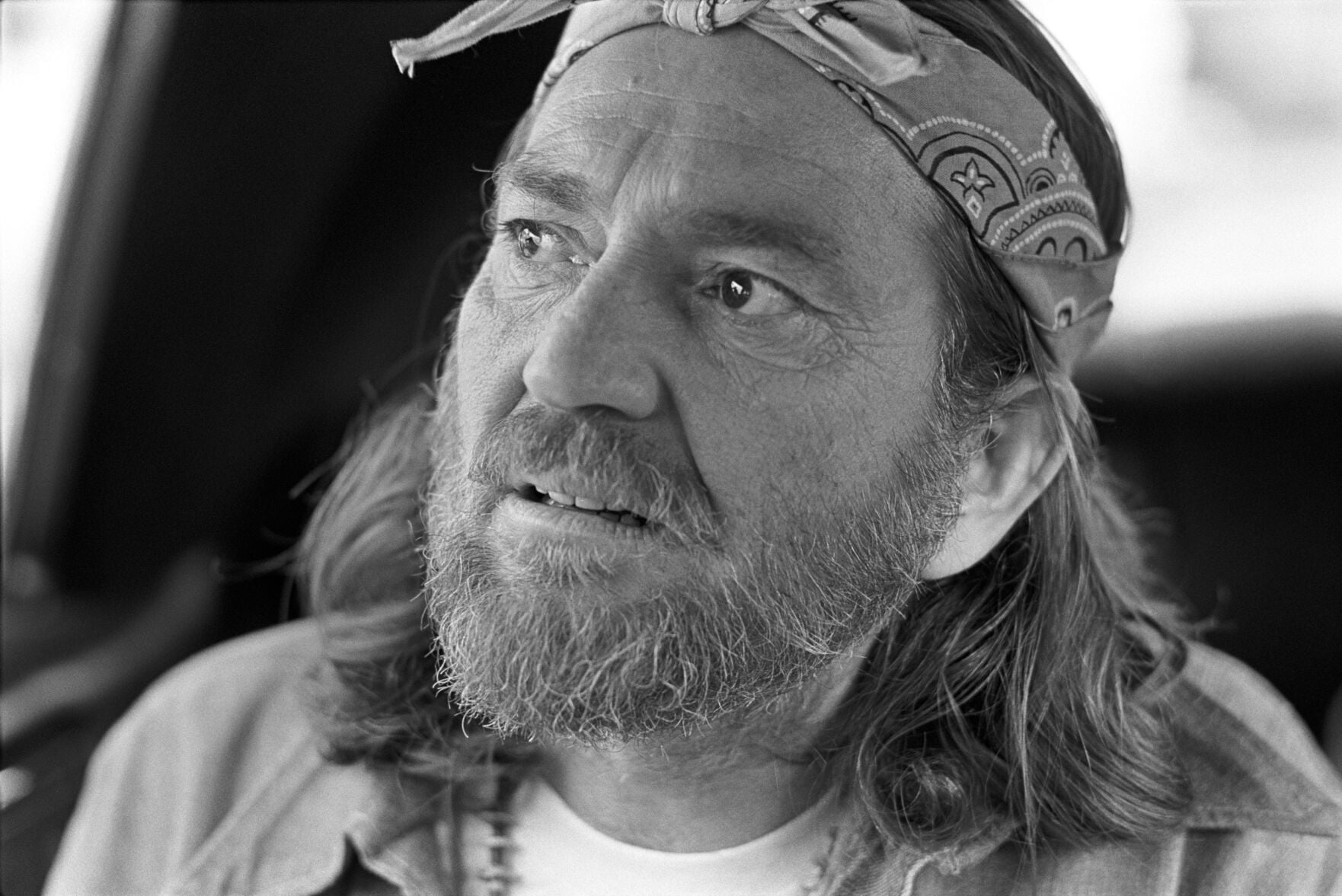
Returning to Texas in 1972, Willie Nelson settled in Austin, an epicenter for a vibrant, countercultural music scene. In Austin, young college students, hippies, and traditional country fans gathered at venues like the Armadillo World Headquarters. Nelson realized that traditional country themes shared deep thematic connections with folk and rock music, bridging the cultural divide between conservative country listeners and long-haired youth.
Creative Freedom and Key Milestone Albums
Stripping away the slick production of Nashville, Nelson assembled his own backing band—the Family—featuring his sister Bobbie Nelson on piano, Mickey Raphael on harmonica, and Paul English on drums. He negotiated a contract with Atlantic Records (and later Columbia Records) that granted him complete artistic control over his recordings, an unprecedented arrangement for a country artist at the time.
Return to Texas (1972)
- New Audience (Armadillo World HQ)
- Artistic Control (Columbia Records Deal)
- Outlaw Country Breakthrough
- Shotgun Willie (1973)
- Phases and Stages (1974)
- Red Headed Stranger (1975)
During this transformative period in the mid-1970s, a younger Willie Nelson released a series of groundbreaking albums:
- Shotgun Willie (1973): Recorded for Atlantic Records, this album showcased a raw, stripped-down sound infused with rhythm and blues. It marked the formal emergence of what critics termed "Outlaw Country."
- Phases and Stages (1974): A conceptual album detailing the narrative of a divorce from both the husband's and wife's perspectives, demonstrating Nelson's narrative depth and emotional precision.
- Red Headed Stranger (1975): Recorded at Columbia Studios in Garland, Texas, on a modest budget, this sparse concept album initially horrified Columbia executives, who believed it sounded like an unfinished demo. Powered by the hit single "Blue Eyes Crying in the Rain," the album became a massive commercial hit and a critical landmark in American music history.
- Wanted! The Outlaws (1976): Featuring tracks from Willie Nelson, Waylon Jennings, Jessi Colter, and Tompall Glaser, this compilation became the first country album ever certified Platinum by the Recording Industry Association of America (RIAA), selling over one million copies.
Comparative Timeline: Young Willie Nelson vs. The Outlaw Era
To evaluate how Willie Nelson evolved during his younger years in music history, the table below highlights his progression across three distinct career phases:
| Career Era | Primary Location & Role | Signature Works / Releases | Production Style & Instrumentation | Key Historical Impact |
|---|---|---|---|---|
| Early Texas Period (1950s) | Texas / Washington; DJ & Regional Performer | "No Place for Me" (1957), early live honky-tonk sets | Traditional honky-tonk, electric guitar, simple rhythm sections | Established his vocal timing and deep appreciation for diverse musical genres |
| Nashville Era (1960–1971) | Nashville, TN; Staff Songwriter & RCA Soloist | ...And Then I Wrote (1962); Songs: "Crazy", "Hello Walls", "Night Life" | The "Nashville Sound": smooth string arrangements, vocal choruses, studio musicians | Proven commercial songwriting genius; created standards adopted by pop and country legends |
| Outlaw Era (1972–1976) | Austin, TX; Bandleader & Recording Artist | Shotgun Willie (1973), Red Headed Stranger (1975), Wanted! The Outlaws (1976) | Stripped-down acoustic arrangements, live band tracking, minimal overdubbing | Spearheaded the Outlaw movement; gained total artistic freedom for country recording artists |
Willie Nelson's Early Technical Evolution and Signature Style
A major factor in Willie Nelson's historical legacy is his unique technical approach to both his voice and his primary instrument, "Trigger."
The Jazz Phrasing and Vocal Delivery
Unlike traditional country singers of the 1950s and 1960s who sang directly on the beat with standard vibrato, a younger Willie Nelson drew heavily from jazz vocalists like Frank Sinatra and Billie Holiday. Nelson purposefully sang around the meter—delaying phrases, lingering on specific syllables, or rushing ahead before settling back into the groove. This conversational delivery gave his early compositions an intimate, introspective tone that stood in stark contrast to the booming theatricality of many contemporary country singers.
- Standard Country Delivery: Beat 1 [Note], Beat 2 [Note], Beat 3 [Note], Beat 4 [Note] (Rigid alignment)
- Willie Nelson Jazz Phrasing: Beat 1, Beat 2 [Note]====[Note], Beat 3, Beat 4 ..[Note] (Flexible timing)
"Trigger": The Acoustic Guitar Landmark
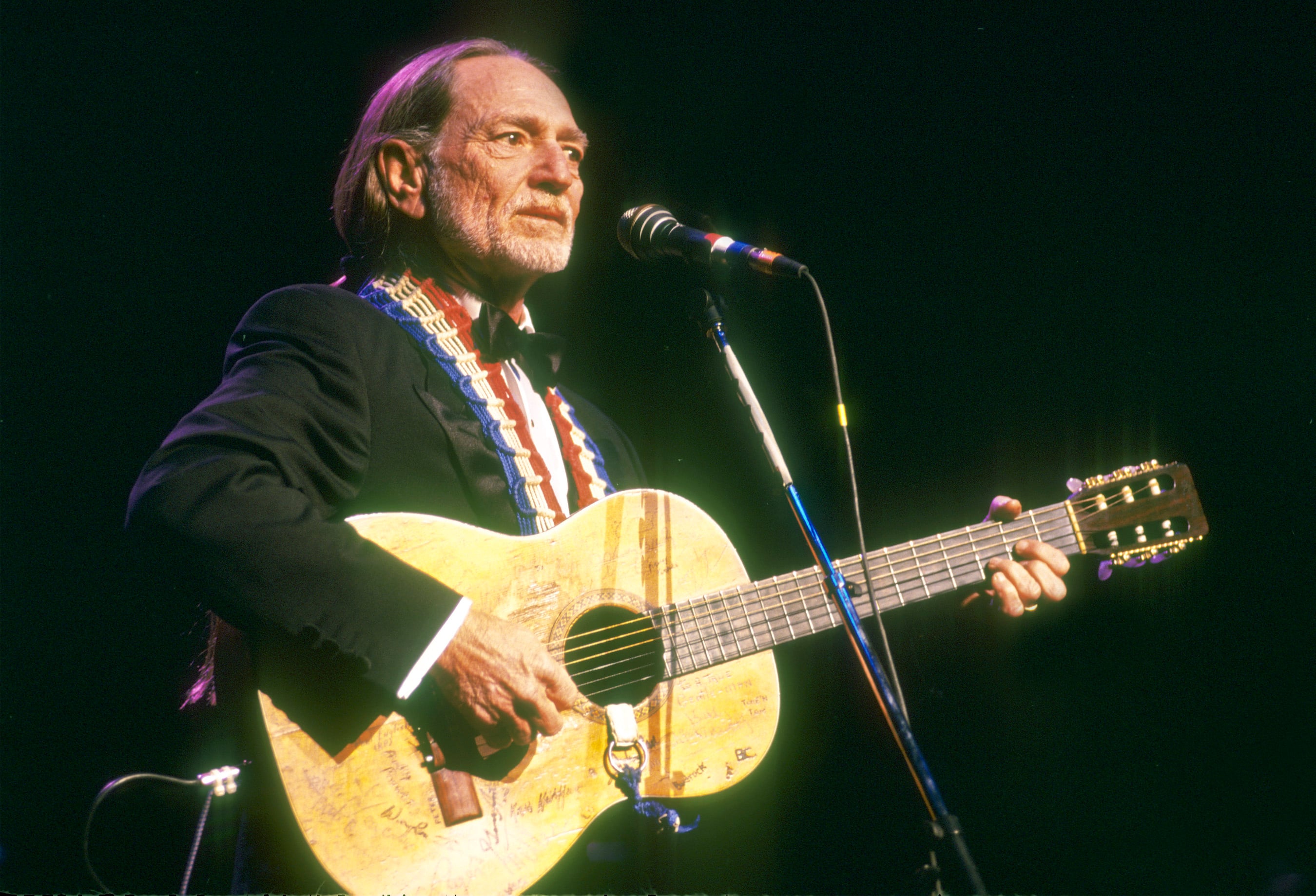
In 1969, after an attendee accidentally stepped on his Baldwin guitar at a gig in Texas, Nelson purchased a 1969 Martin N-20 nylon-string classical guitar from a shop in Nashville. He named the instrument "Trigger," after Roy Rogers' horse.
Nelson had the pickup and electronics transferred from his damaged Baldwin to the N-20 classical frame. This unusual hybrid allowed him to run a nylon-string acoustic instrument through an amplifier, producing an instantly recognizable sound: warm acoustic tone combined with sharp, jazz-influenced lead lines. Over decades of intense playing—using a guitar pick on a soundboard designed for fingerpicking—Nelson wore a distinct hole through the wood near the bridge. Trigger became central to his sonic identity, helping him blend gypsy jazz (inspired by Django Reinhardt), Spanish classical runs, and traditional blues solos into standard country music formats.
The Legacy of Young Willie Nelson in American Music History
Examining Willie Nelson younger in music history offers critical insight into how artistic persistence can dismantle rigid industry structures. Rather than altering his natural singing style or minimalist instrumental preferences to conform to corporate standards, Nelson relocated to an environment where his authentic sound could thrive.
His journey provided a blueprint for future generations of independent artists across genres. By securing complete creative control over his recording process, owning his publishing rights, and defying traditional genre boundaries, young Willie Nelson transformed not only his own career trajectory, but also the structural economics of the American recording industry.
Frequently Asked Questions
Why did Willie Nelson leave Nashville in the early 1970s?
Willie Nelson left Nashville because he was frustrated by the artistic limitations imposed by the "Nashville Sound." Record producers routinely added heavy orchestral strings and backing vocals to his tracks, suppressing his natural, jazz-influenced vocal phrasing and spare guitar work. Moving to Austin, Texas, allowed him to record with his own touring band and retain complete control over his sound.
What was Willie Nelson's first major hit as a songwriter?
While Nelson recorded earlier singles, his first major commercial success came as a songwriter in 1961 with "Hello Walls" (recorded by Faron Young) and "Crazy" (recorded by Patsy Cline). "Crazy" became one of the biggest crossover hits of the decade and remains one of the most played songs on American jukeboxes and radio stations in history.
What guitar did a young Willie Nelson play, and why is it famous?
In 1969, Willie Nelson acquired a 1969 Martin N-20 nylon-string classical guitar, which he named "Trigger." He added an internal pickup so he could amplify its classical, acoustic sound. Trigger became famous for its distinct, warm tone and the prominent hole worn through the wood near the soundhole after decades of pick playing.
What made Willie Nelson's singing style unique compared to other country artists of his era?
Unlike traditional country singers who sang directly on the rhythm beat, Nelson used flexible phrasing influenced by jazz artists such as Billie Holiday and Django Reinhardt. He frequently sang ahead of or behind the beat, using conversational cadences and minimal vocal ornamentation, which made his performances feel personal and direct.
What was the album Wanted! The Outlaws, and why was it significant?
Released in 1976 by RCA Records, Wanted! The Outlaws was a compilation album featuring tracks by Willie Nelson, Waylon Jennings, Jessi Colter, and Tompall Glaser. It capitalized on the growing popularity of the Texas-based "Outlaw Country" movement and became the very first country music album to be certified Platinum by the RIAA for selling over one million units.
Recommended Next Actions
To further explore Willie Nelson's early musical catalog and historical legacy, consider the following steps:
- Listen to Early Songwriting Demos: Stream or review the compilation album Demo Sessions or his 1962 debut LP ...And Then I Wrote to evaluate how his early songwriting sounded before external artists recorded his tracks.
- Study the Landmark Outlaw Albums: Listen to Shotgun Willie (1973) and Red Headed Stranger (1975) in sequence to hear the structural shift from traditional studio production to independent artistic control.
- Explore Musicological Archives: Consult historical collections at the Country Music Hall of Fame and Museum or the University of Texas at Austin archives, which detail the cultural crossover between Austin's counterculture scene and traditional country music in the 1970s.
Image Gallery