Comprehensive List of Animated Christmas Films: From Classics to Modern Favorites
The essential list of animated Christmas films includes stop-motion classics like Rudolph the Red-Nosed Reindeer, 2D hand-drawn masterpieces such as A Charlie Brown Christmas, and modern CGI hits like Klaus and The Grinch. These films...
The essential list of animated Christmas films includes stop-motion classics like Rudolph the Red-Nosed Reindeer, 2D hand-drawn masterpieces such as A Charlie Brown Christmas, and modern CGI hits like Klaus and The Grinch. These films are widely available as of 2026 on major streaming platforms including Disney+, Netflix, and Max.
Contents
The Evolution of Holiday Animation
Animated Christmas films have served as a cornerstone of holiday traditions for over six decades. The medium allows for a level of visual whimsy and emotional expression that live-action often struggles to replicate. From the early days of television specials to the multi-million dollar theatrical releases of the 2020s, the evolution of these films reflects broader changes in animation technology and storytelling techniques.
In the mid-20th century, holiday animation was primarily synonymous with the "television special." These were short, 30-to-60-minute programs designed to air once a year. However, as the industry matured, the scope expanded into feature-length theatrical productions. By 2026, the landscape of animated Christmas content has diversified to include various styles—stop-motion, traditional 2D, and photorealistic 3D—each offering a unique aesthetic to the festive season.
The Stop-Motion Pioneers
Stop-motion animation holds a special place in holiday history, largely due to its tactile, toy-like appearance which mirrors the aesthetic of Christmas morning. The most significant contributor to this genre was Rankin/Bass Productions.
Rudolph the Red-Nosed Reindeer (1964)
Perhaps the most iconic holiday special ever created, Rudolph utilized "Animagic," a form of stop-motion using wood, wire, and fabric puppets. The story, narrated by Burl Ives as Sam the Snowman, focuses on themes of non-conformity and acceptance. Its enduring popularity stems from its charming character designs and memorable musical score. Even in 2026, it remains a seasonal staple for broadcast networks.
The Nightmare Before Christmas (1993)
Produced by Tim Burton and directed by Henry Selick, this film bridged the gap between Halloween and Christmas. Using advanced stop-motion techniques for its time, the film tells the story of Jack Skellington, the Pumpkin King of Halloween Town, who becomes obsessed with "Christmas Town." The film is celebrated for its intricate set design and the operatic score by Danny Elfman. It represents a more "gothic" take on the holiday, proving that Christmas films do not always need to be bright and cheery to be successful.
Guillermo del Toro's Pinocchio (2022)
While not a traditional "Christmas film" in the sense of Santa Claus, its winter settings and themes of fatherhood and sacrifice have led many to include it in holiday rotations. The craftsmanship involved in the puppets and the fluid movement set a new standard for modern stop-motion.
Traditional 2D Hand-Drawn Classics
Hand-drawn animation defined the "Golden Age" of the holiday special. The simplicity of the line work and the focus on character expression created a sense of intimacy that still resonates with audiences today.
A Charlie Brown Christmas (1965)
Based on the Peanuts comic strip by Charles M. Schulz, this special was revolutionary for its time. It lacked a laugh track, used actual children for voice acting, and featured a sophisticated jazz score by Vince Guaraldi. The film addresses the commercialization of Christmas, a theme that remains highly relevant. Its minimalist animation style is part of its charm, focusing the viewer's attention on the dialogue and emotional weight of the story.
How the Grinch Stole Christmas! (1966)
Directed by legendary animator Chuck Jones and voiced by Boris Karloff, this adaptation of Dr. Seuss’s book is a masterclass in character animation. The Grinch’s expressive face and the fluid, almost liquid-like movements of his body became benchmarks for 2D animation. The song "You're a Mean One, Mr. Grinch" remains one of the most recognizable pieces of holiday music in history.
Frosty the Snowman (1969)
Another Rankin/Bass production, but this time in traditional 2D animation. While simpler in execution than the Grinch, Frosty captured the hearts of children with its "magic hat" premise and its bittersweet ending. It serves as a prime example of the 1960s Saturday-morning cartoon style applied to a prestige holiday event.
The Digital Revolution and CGI Masterpieces
As the 21st century approached, computer-generated imagery (CGI) began to dominate the industry. This allowed for more expansive worlds and more detailed physical simulations, such as falling snow and flickering candle flames.
The Polar Express (2004)
Directed by Robert Zemeckis, The Polar Express was a pioneer in performance-capture technology. While it initially faced criticism for the "uncanny valley" effect—where human characters look almost real but slightly "off"—it has grown into a modern classic. The film excels in its environmental storytelling, capturing the sheer scale and mystery of a magical train ride to the North Pole.
Arthur Christmas (2011)
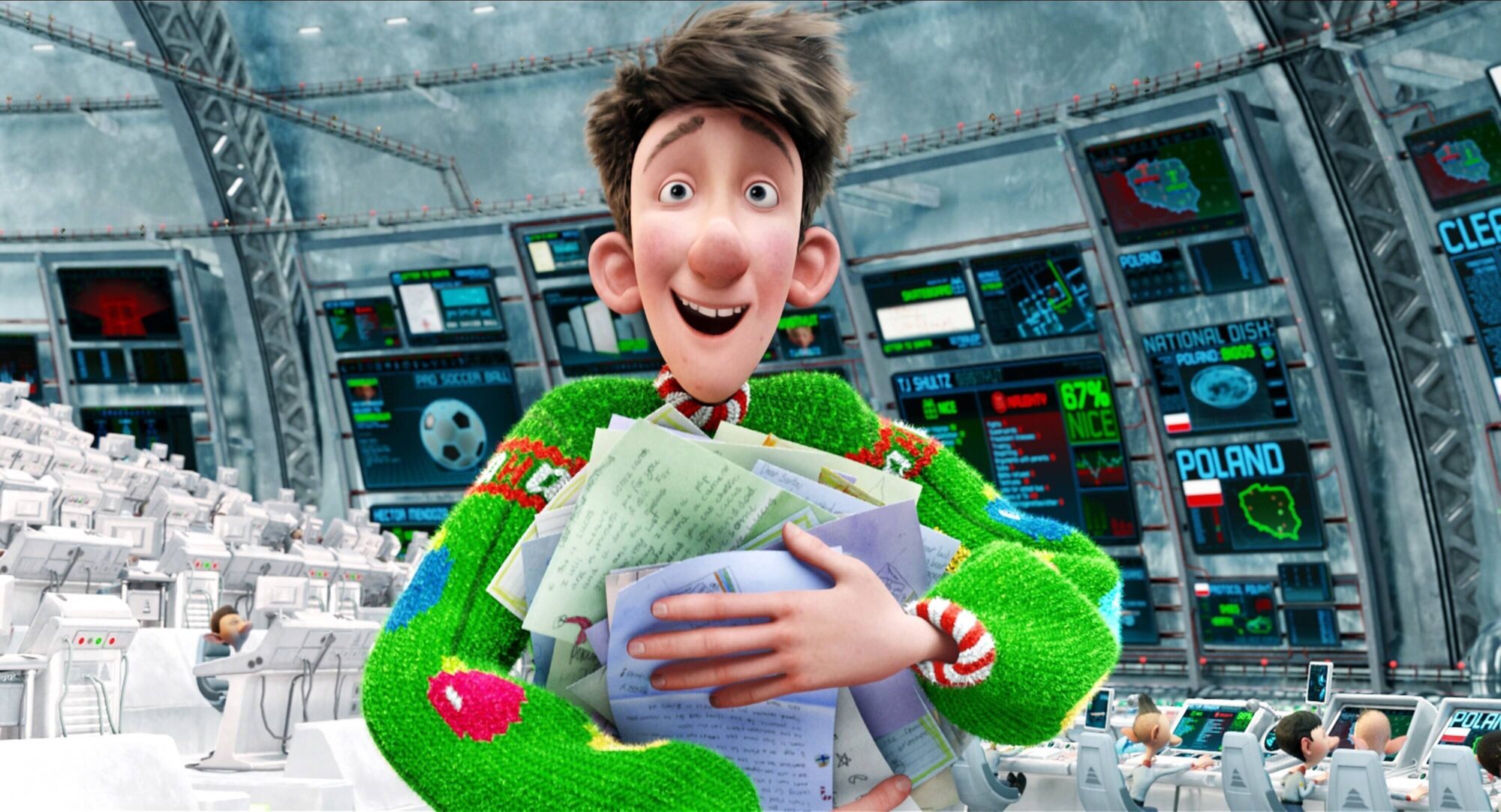
Produced by Aardman Animations (in collaboration with Sony Pictures Animation), this film applies the wit of British humor to the legend of Santa Claus. It explores the conflict between tradition and modernization, as Santa’s youngest son, Arthur, embarks on a mission to deliver a missed present using an old-fashioned sleigh while his brother prefers a high-tech spacecraft.
The Grinch (2018)
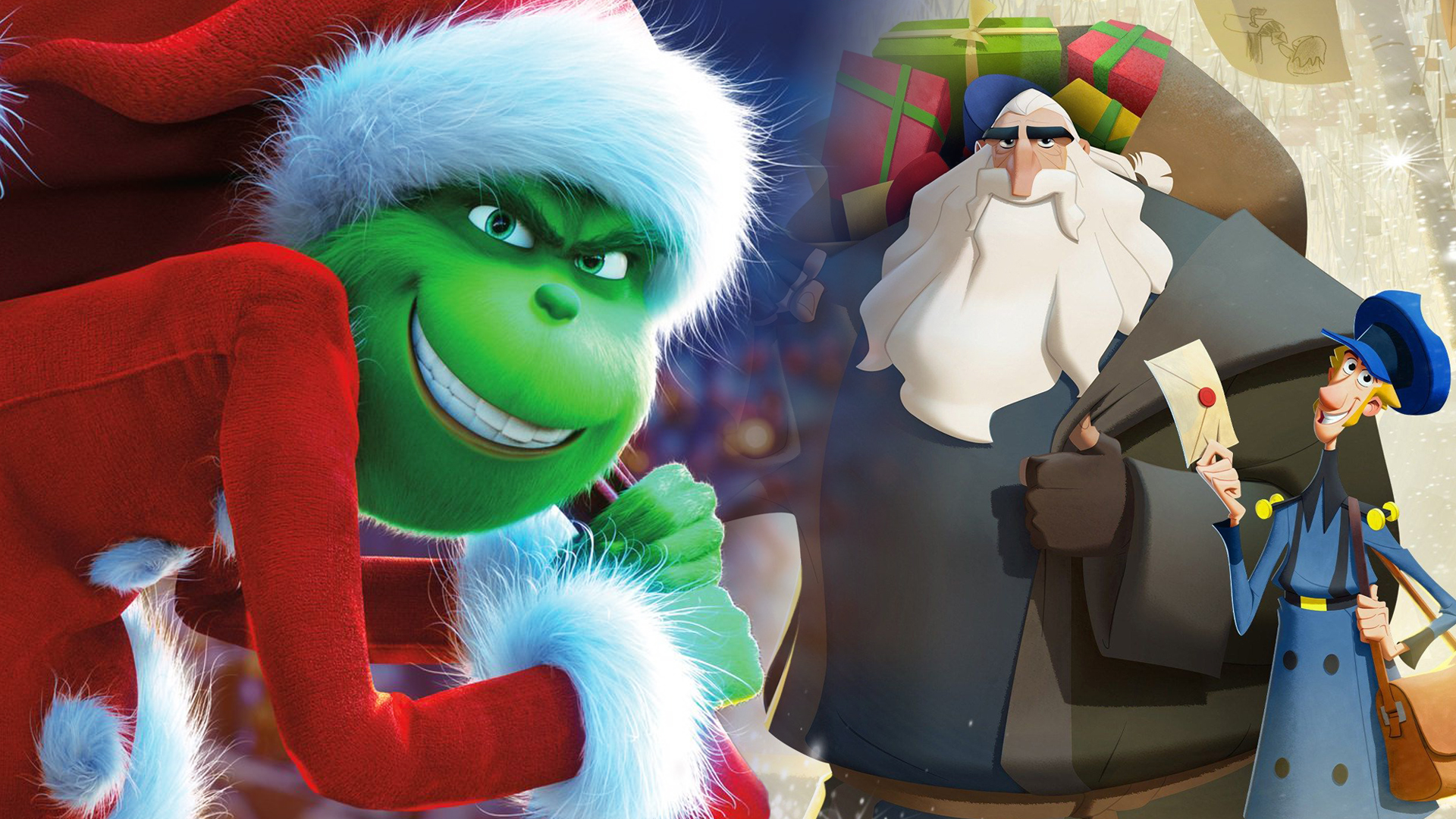
Illumination’s take on the classic Seuss story updated the visuals for a modern audience. Featuring vibrant colors and slapstick humor, this version focuses more on the Grinch’s backstory and his relationship with his dog, Max. As of 2026, this remains one of the highest-grossing holiday films of all time, largely due to its appeal to younger demographics who find the older versions less accessible.
Modern Innovations and Streaming Exclusives
With the rise of streaming services like Netflix and Apple TV+, the 2020s have seen a resurgence in high-quality, artistic holiday animation that doesn't always follow the standard theatrical formula.
Klaus (2019)
Netflix's Klaus is a technical marvel. It uses traditional 2D animation but applies revolutionary volumetric lighting and texturing techniques to give the characters a 3D feel. The story provides an original "origin story" for Santa Claus, set in a fictionalized 19th-century island town. It received an Academy Award nomination and is widely considered one of the best animated films of the 21st century.
Robin Robin (2021)
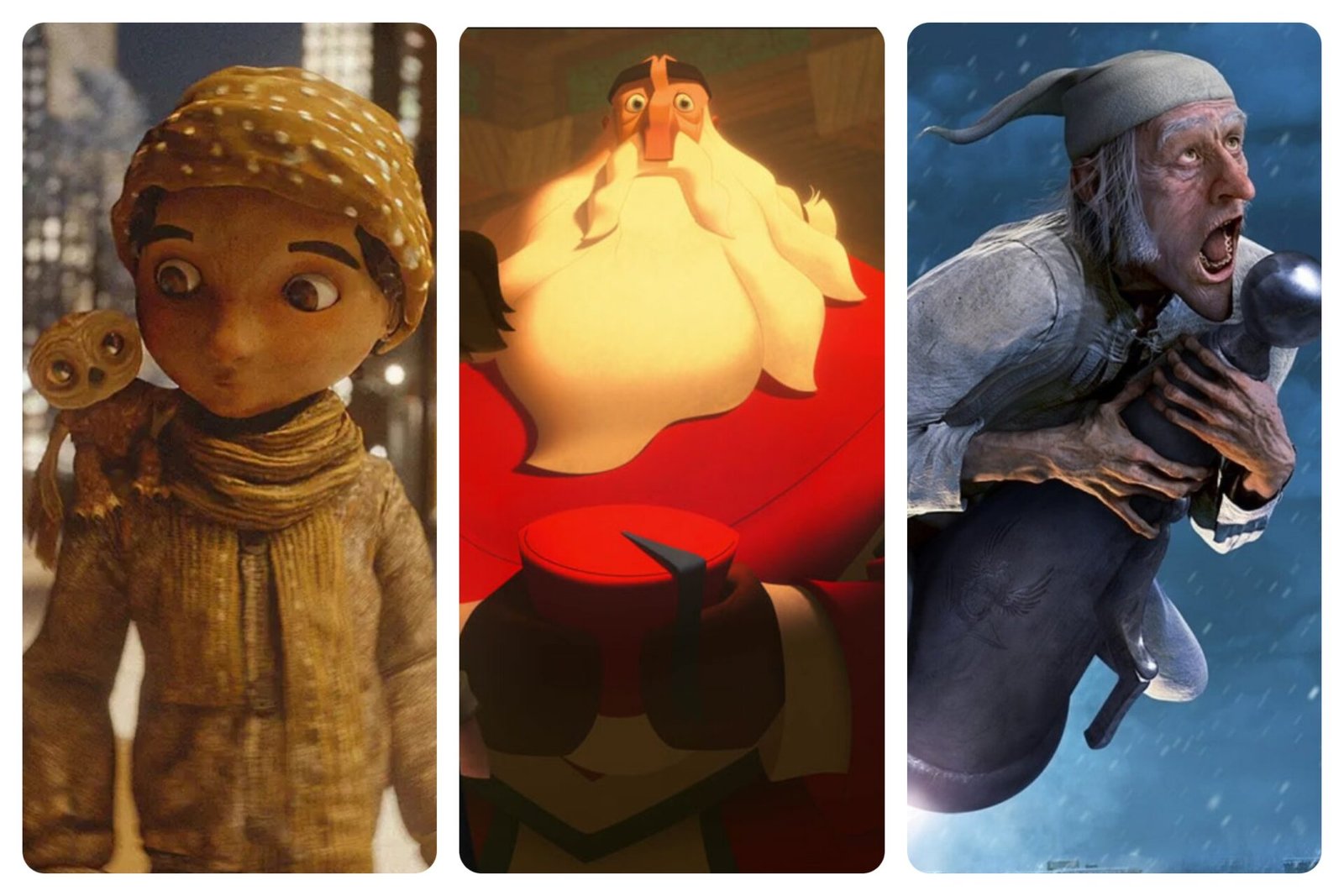
A short film from Aardman Animations, Robin Robin uses needle-felted puppets to create a warm, fuzzy aesthetic. It’s a musical tale about a bird raised by mice, touching on themes of identity and belonging during the winter season. Its short runtime and unique visual style make it a perfect addition to a Christmas Eve viewing list.
Comparison of Top Animated Christmas Films
| Film Title | Release Year | Animation Style | Primary Theme |
|---|---|---|---|
| Rudolph the Red-Nosed Reindeer | 1964 | Stop-Motion | Acceptance & Individuality |
| A Charlie Brown Christmas | 1965 | Traditional 2D | Anti-Commercialism |
| How the Grinch Stole Christmas! | 1966 | Traditional 2D | Redemption & Community |
| The Nightmare Before Christmas | 1993 | Stop-Motion | Identity & Curiosity |
| The Polar Express | 2004 | Motion-Capture CGI | Faith & Wonder |
| Arthur Christmas | 2011 | CGI | Tradition vs. Tech |
| Klaus | 2019 | 2D/Digital Hybrid | Altruism & Origins |
Technical Aspects of Holiday Animation
The "look" of a Christmas film often determines its longevity. There are several technical reasons why certain films feel "more like Christmas" than others:
- Color Palette: Most holiday films rely heavily on a palette of red, green, gold, and deep blue. Klaus famously used lighting to create a "warm glow" that mimics the feeling of a fireplace.
- Texture: In stop-motion, the physical textures of wool, wood, and clay evoke a sense of nostalgia. In CGI films like The Polar Express, the technical challenge was often the rendering of snow, which requires complex particle physics to look realistic.
- Frame Rate: Many older 2D specials were "animated on twos" (12 frames per second instead of 24), giving them a slightly stuttered, hand-crafted feel that modern audiences associate with "classic" television.
Frequently Asked Questions
Which animated Christmas film is best for toddlers?
For very young children, Frosty the Snowman and The Snowy Day (based on the book by Ezra Jack Keats) are excellent choices. They feature simple plotlines, gentle pacing, and bright, high-contrast colors that hold the attention of toddlers without being overstimulating.
Are there any animated Christmas movies for adults?
While most are family-oriented, Tokyo Godfathers is a critically acclaimed Japanese animated film directed by Satoshi Kon. It follows three homeless people who find an abandoned baby on Christmas Eve. It deals with more mature themes of poverty, family abandonment, and redemption while remaining a heartfelt holiday story.
Why is stop-motion so common for Christmas movies?
Stop-motion was popularized by Rankin/Bass in the 1960s because it was cost-effective for television at the time. Over the decades, the "look" of puppets became culturally linked to Christmas toys, creating a nostalgic feedback loop that modern studios still tap into today.
Where can I stream these films in 2026?
Most classic specials like A Charlie Brown Christmas are currently licensed to Apple TV+. Disney owns The Nightmare Before Christmas and Mickey's Christmas Carol, available on Disney+. Netflix is the exclusive home to Klaus and Robin Robin. For the Rankin/Bass specials, check local broadcast listings or premium VOD services.
Is "The Nightmare Before Christmas" a Halloween or Christmas movie?
It is officially considered both. Director Henry Selick has stated it is a Halloween movie, but the film’s narrative arc concludes with a Christmas message, and its release schedule often spans both holidays. Most fans treat it as a "bridge" film to watch during the transition between October and December.
Final Recommendations for Your Viewing List
When building your holiday watchlist for 2026, aim for a balance of styles. Start with the historical significance of A Charlie Brown Christmas, move into the technical splendor of Klaus, and finish with the high-energy fun of Arthur Christmas. By mixing traditional hand-drawn art with modern CGI, you can appreciate the full spectrum of how animation brings the spirit of the holidays to life.
For more information on the history of these films, you can visit the IMDb Holiday Guide or explore the archives of the Academy of Motion Picture Arts and Sciences for award-winning animated shorts.
Image Gallery