Comprehensive Guide to Filing a Life Insurance Claim Form in 2026
To file a life insurance claim form, a beneficiary must submit a formal "Claimant’s Statement" along with a certified copy of the death certificate to the insurance provider. Once the insurer verifies the policy’s active status and the...
To file a life insurance claim form, a beneficiary must submit a formal "Claimant’s Statement" along with a certified copy of the death certificate to the insurance provider. Once the insurer verifies the policy’s active status and the cause of death, the death benefit is typically processed and paid within 30 to 60 days.
Contents
Navigating the administrative requirements of a life insurance policy during a time of grief is a significant challenge. However, understanding the mechanics of the claim form—often referred to as the "proof of death" packet—is essential for ensuring the timely transfer of funds. As of 2026, most major carriers have transitioned to digitized, expedited filing systems, but the underlying legal and evidentiary requirements remain stringent.
The Purpose of the Claimant’s Statement
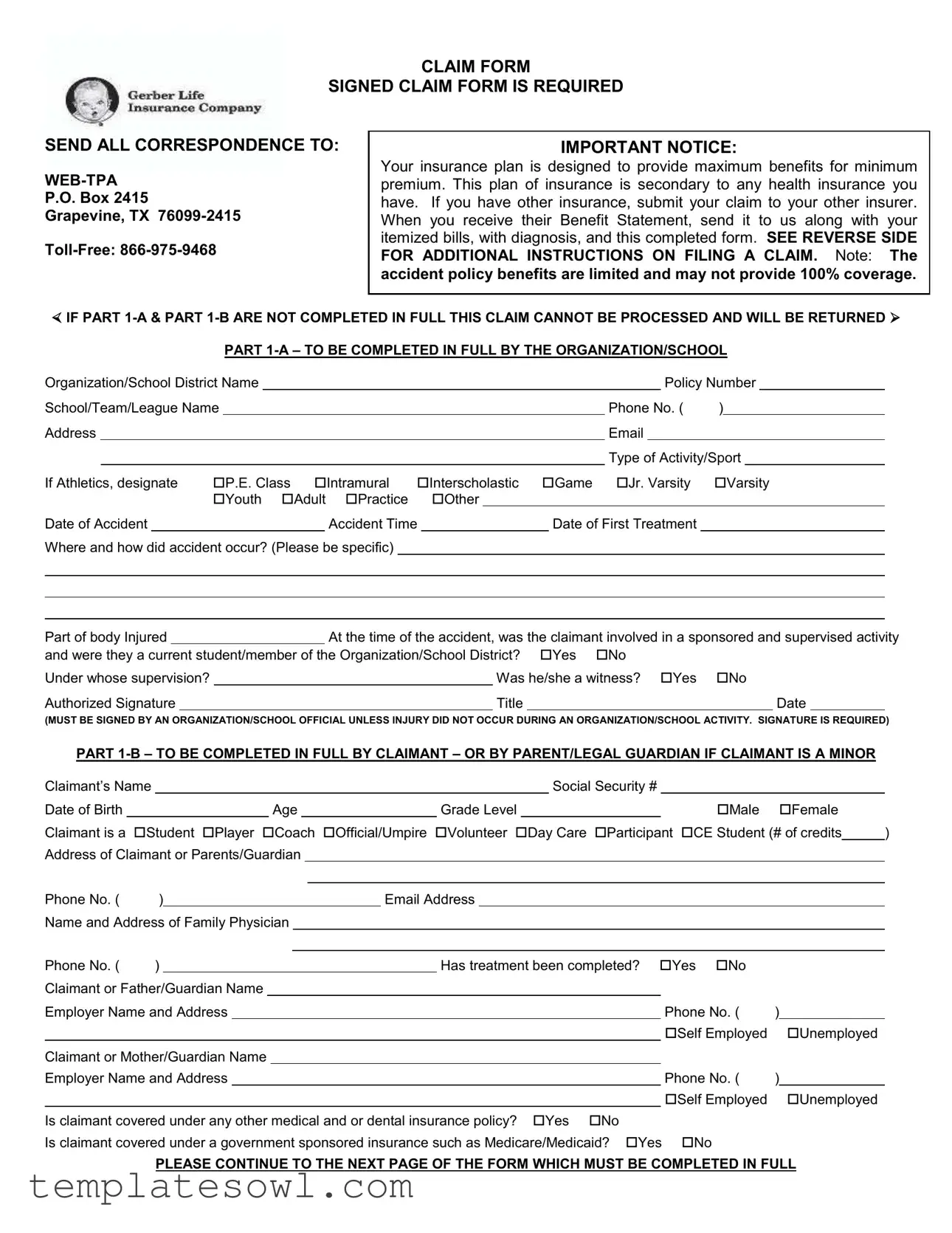
The primary document in any life insurance filing is the Claimant’s Statement. This is the formal claim form provided by the insurance company. Its purpose is twofold: it identifies the person or entity claiming the benefit and provides the insurer with the legal authorization to process the payout.
When you receive the claim form, you will notice it is divided into several technical sections. Each must be completed with precision to avoid "Not in Good Order" (NIGO) status, which is the most common cause of processing delays in 2026.
Essential Information Required
- Policy Identification: You must provide the specific policy number. If the deceased had multiple policies (such as a term life and a whole life policy) with the same carrier, separate forms or sections are usually required for each.
- The Deceased’s Vital Statistics: This includes the full legal name, Social Security number, date of birth, and last known address.
- Cause and Manner of Death: The form will ask whether the death was due to natural causes, accident, homicide, or suicide. This information must align perfectly with the official death certificate.
- Beneficiary Details: If there are multiple beneficiaries, each must usually complete their own separate statement. You will need to provide your Social Security number or Taxpayer Identification Number (TIN) for tax reporting purposes.
Essential Documentation: Beyond the Form
The claim form itself is insufficient without supporting evidence. The "gold standard" of evidence remains the certified death certificate. In 2026, many funeral directors provide digital certified copies that can be uploaded directly to insurer portals, though some jurisdictions still require a physical paper copy with a raised seal.
Why Certified Copies are Mandatory
Insurance companies require a certified copy—not a photocopy—to prevent fraud. A certified copy is issued by the government agency (usually the Department of Health or Vital Statistics) and contains a seal or signature verifying its authenticity. If the death occurred outside of the country, you may need a "Report of Death of an American Citizen Abroad" issued by the U.S. Embassy or Consulate.
The Original Policy Document
While most modern insurers can locate a policy using a Social Security number, having the original physical or digital policy document is helpful. It outlines the face amount of the coverage and any "riders" (additional benefits) that might be applicable, such as an Accidental Death Benefit. If the original policy is lost, most carriers will allow you to sign a "Lost Policy Indemnity" statement as part of the claim form.
Understanding the Contestability Period
One of the most critical things to know about filing a life insurance claim form is the Contestability Period. In most jurisdictions, including the United States, life insurance policies have a two-year contestability clause.
If the insured individual died within the first two years of the policy being active, the insurance company has the legal right to investigate the original application. They are looking for "material misrepresentations"—information the deceased may have omitted or lied about, such as a history of smoking or a pre-existing medical condition.
Impact on the Claim Process
- Delayed Payouts: Claims filed during the contestability period often take months rather than weeks, as the insurer must request medical records from the deceased’s doctors.
- Partial Denials: If a misrepresentation is found (e.g., the deceased lied about their age), the insurer may not deny the claim entirely but may instead adjust the death benefit to what the premiums would have purchased had the truth been known.
Payout Options and Settlement Methods
The claim form will ask you to select how you wish to receive the funds. This decision is often irrevocable once the check is cut, so it requires careful financial consideration. In 2026, beneficiaries have several sophisticated options for managing the influx of capital.
| Payout Option | Description | Primary Benefit |
|---|---|---|
| Lump Sum | The entire death benefit is paid in a single check or electronic transfer. | Immediate access to all funds; simplest for debt payoff. |
| Installment / Fixed Period | Payments are made over a set number of years (e.g., 10 or 20 years). | Provides a steady, predictable income stream for the beneficiary. |
| Life Income (Annuity) | The insurer pays a guaranteed amount for the rest of the beneficiary's life. | Ensures the beneficiary cannot outlive the money. |
| Interest Income | The insurer holds the principal and only pays out the interest earned. | Preserves the capital for future generations or later use. |
| Retained Asset Account | The funds are placed in a draft account (similar to a checking account). | Allows the beneficiary to write checks as needed while the balance earns interest. |
Common Reasons for Claim Delays and Denials
While most life insurance claims are paid without incident, certain red flags can trigger an investigation or a denial. Accuracy on the claim form is your best defense against these issues.
- Policy Lapse: If the deceased stopped paying premiums before death, the policy may have lapsed. However, in 2026, many states require a "grace period" (usually 31 days) during which the policy remains active even if a payment is missed.
- Exclusions: Standard policies often exclude death resulting from illegal acts, aviation (private pilots), or "acts of war." Suicide is generally excluded only during the first two years of the policy.
- Homicide Investigation: If the beneficiary is a "person of interest" in the death of the insured, the insurer will withhold payment until the individual is cleared of wrongdoing, adhering to "Slayer Statutes."
- Incorrect Beneficiary Designations: If the primary beneficiary is deceased and no contingent beneficiary was named, the benefit may be paid to the estate of the insured, which subjects the money to the lengthy probate process.
Taxation and Legal Considerations in 2026
For the vast majority of beneficiaries, the death benefit received from a life insurance policy is not considered taxable income. The Internal Revenue Service (IRS) views these proceeds as a reimbursement for a loss rather than a financial gain.
However, there are two important exceptions:
- Interest Earned: If the insurance company takes time to process the claim and pays you interest on the death benefit, that interest is taxable as ordinary income.
- Estate Taxes: If the deceased owned the policy themselves and their total estate exceeds federal or state estate tax thresholds, the value of the life insurance may be included in the taxable estate.
In 2026, many high-net-worth individuals use Irrevocable Life Insurance Trusts (ILITs) to keep insurance proceeds out of their taxable estates. If you are filing a claim for a policy owned by a trust, the claim form must be signed by the Trustee, and the funds will be paid to the trust's bank account rather than to an individual.
Step-by-Step Checklist for Filing
To ensure the process moves as quickly as possible, follow this sequence:
- Contact the Agent or Carrier: Notify the insurance company as soon as possible. Many have 24/7 "claims concierge" services in 2026.
- Request the Claim Packet: Ask for the "Claimant’s Statement" and a list of required documents. Specify if you want a digital or paper packet.
- Order Certified Death Certificates: Request at least 5–10 copies from the funeral home. You will need them for the insurance, banks, the Social Security Administration, and property transfers.
- Complete the Form with a Witness: Some insurers require the claim form to be notarized. Even if they don't, having a second pair of eyes check for Social Security number errors is vital.
- Submit and Track: If mailing, use a service with tracking (e.g., FedEx or USPS Priority Mail). If using an online portal, save the confirmation number.
- Follow Up: If you have not received an update within 15 business days, call the claims examiner to ensure no additional documentation is needed.
Frequently Asked Questions
What if I can't find the life insurance policy?
If you suspect a policy exists but cannot find the paperwork, you can use the Life Insurance Policy Locator Service provided by the National Association of Insurance Commissioners (NAIC). Additionally, the MIB Group (formerly the Medical Information Bureau) maintains records of life insurance applications that can help track down active coverage.
Can a creditor claim the life insurance benefit before I get it?
In most states, life insurance proceeds paid to a named beneficiary are protected from the deceased’s creditors. However, if the benefit is paid to the "Estate," those funds become part of the general pool of assets and can be used to pay off the deceased's debts during probate.
How long does the insurance company have to pay?
While laws vary by state, most insurers are required to pay a claim within 30 to 60 days of receiving "proof of loss" (the completed claim form and death certificate). Many states require the insurer to pay interest on the benefit starting from the date of death if the payment is delayed beyond a specific timeframe.
What happens if the beneficiary is a minor?
Insurance companies cannot legally pay a large death benefit directly to a minor. If a child is named as a beneficiary, the court will typically need to appoint a legal guardian for the property, or the funds will be held by the insurer in an interest-bearing account until the child reaches the age of majority (usually 18 or 21). This complication is why many parents choose to name a trust as the beneficiary instead.
Can I file a claim online in 2026?
Yes, nearly all major insurers in 2026 offer secure claimant portals. These portals allow you to upload photos or scans of the death certificate, e-sign the claimant's statement, and select direct deposit for the funds. Using the online portal is generally 10–14 days faster than using traditional mail.
Practical Recommendation
Before submitting your life insurance claim form, verify the beneficiary designation one last time. If the policy was part of an employer-sponsored group plan, check if there are supplemental "AD&D" (Accidental Death and Dismemberment) policies that require separate claim forms. For claims exceeding $500,000, it is often wise to consult with a tax professional or financial advisor to determine which payout option aligns with your long-term liquidity needs and tax bracket.
Image Gallery