Understanding the Basic Requirements for Auto Insurance in California
In California, the basic requirement for auto insurance is a liability policy that meets the state's minimum financial responsibility limits. Drivers must carry at least $15,000 for injury or death to one person, $30,000 for injury or...
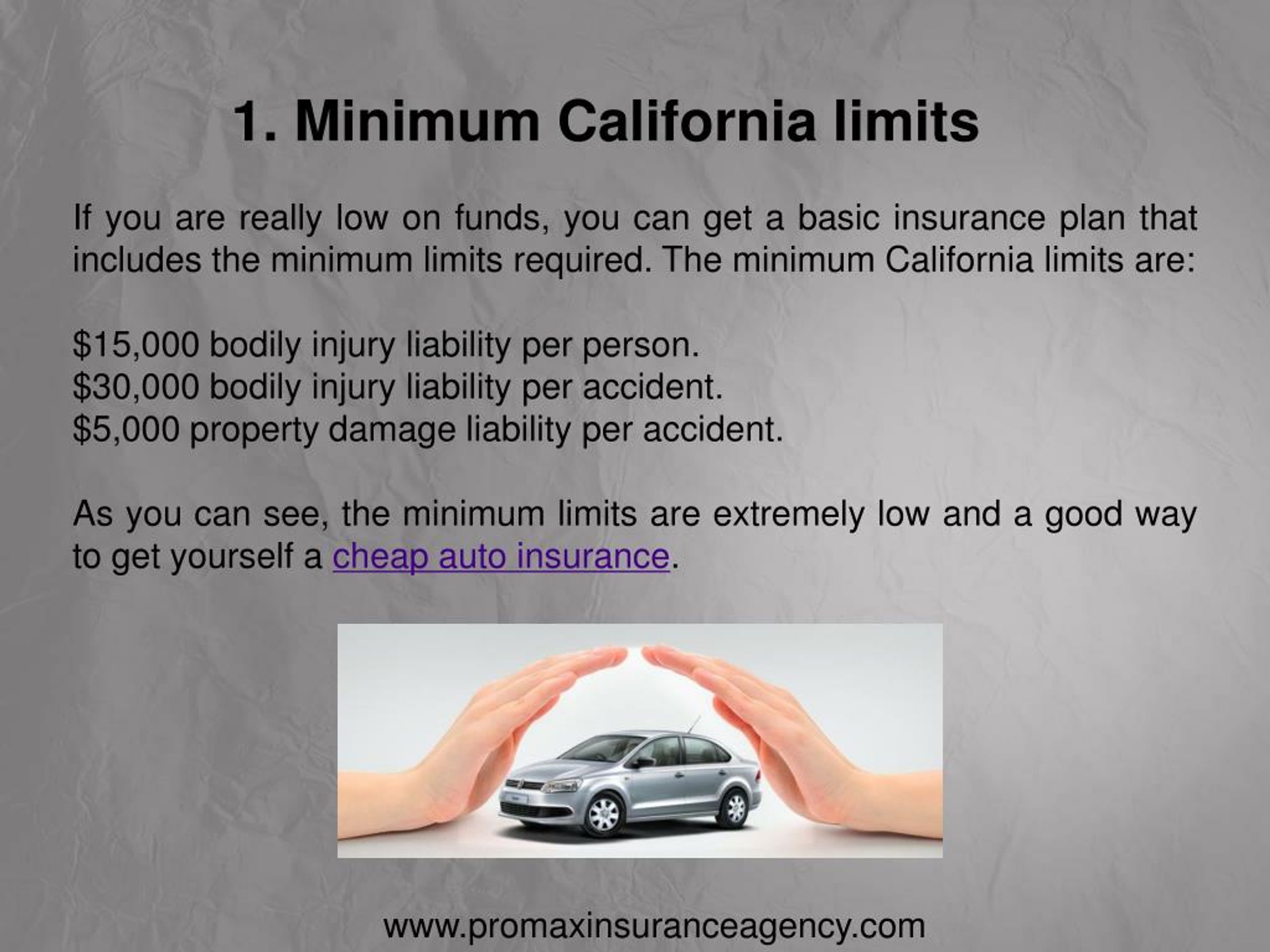
In California, the basic requirement for auto insurance is a liability policy that meets the state's minimum financial responsibility limits. Drivers must carry at least $15,000 for injury or death to one person, $30,000 for injury or death to more than one person, and $5,000 for damage to property per accident.
Contents
The Financial Responsibility Law
California operates under a "financial responsibility" law, which dictates that every driver and owner of a motor vehicle must be able to demonstrate their ability to pay for damages resulting from an accident. The vast majority of residents satisfy this requirement by purchasing a standard auto insurance policy. However, this is not merely a bureaucratic checkbox; it is a legal mandate enforced by the California Department of Motor Vehicles (DMV).
If you are involved in a collision, the state requires that you provide proof of insurance to law enforcement officers upon request. Failure to produce this documentation can lead to significant administrative penalties, including fines, vehicle impoundment, and the suspension of your driver’s license. Understanding these minimums is the first step in ensuring legal compliance while protecting your personal assets from the potential financial devastation of a liability claim.
Breakdown of Required Liability Limits
The California Department of Insurance (CDI) sets specific minimum thresholds that a liability policy must meet. These limits are frequently referred to as "15/30/5" coverage. It is critical to understand what each number represents to avoid gaps in your financial protection:
- $15,000 for bodily injury per person: This amount covers medical expenses, lost wages, and pain and suffering for a single individual injured in an accident where you are at fault.
- $30,000 for bodily injury per accident: This is the total maximum amount the insurance company will pay for all bodily injuries combined if multiple people are harmed in a single incident.
- $5,000 for property damage per accident: This covers the costs of repairing or replacing another person’s vehicle, as well as damage to stationary objects like fences, utility poles, or buildings.
These limits are remarkably low compared to the actual cost of modern medical care and vehicle repairs. For example, a single accident involving a luxury vehicle or a serious injury requiring surgery can easily exceed $5,000 in property damage or $15,000 in medical bills. When your insurance policy hits these limits, you become personally liable for the remaining balance, which could jeopardize your savings, property, and future wages.
Alternatives to Standard Auto Insurance
While most drivers choose a traditional insurance policy, California law provides a few alternative ways to satisfy the financial responsibility requirement. These are generally utilized by individuals or corporations with significant liquid assets or specialized fleet needs:
- Cash Deposit with the DMV: You may deposit $35,000 in cash or a certificate of deposit with the DMV. This money serves as a bond against potential damages you might cause.
- Surety Bond: You can obtain a surety bond for $35,000 from a company authorized to do business in California.
- Self-Insurance Certificate: This is generally reserved for large organizations or companies that own more than 25 vehicles. To qualify, the entity must demonstrate sufficient financial stability to cover potential liabilities, subject to approval by the DMV.
For the average consumer, these alternatives are often more expensive and administratively burdensome than simply purchasing a standard insurance policy from a licensed carrier.
Why Minimum Coverage Is Often Insufficient
Choosing the bare minimum required by law is a common strategy for drivers looking to minimize monthly expenses. However, this "legal minimum" approach ignores the reality of modern litigation and medical costs. If you are found at fault for an accident and the costs exceed your coverage limits, you remain personally responsible for the difference.
Consider the "15/30/5" rule in the context of a modern freeway collision. If you total a late-model SUV, the repair costs or total loss valuation will almost certainly exceed the $5,000 property damage limit. In such a case, you would be liable for the thousands of dollars remaining on the repair bill. If an injury is involved, the $15,000 cap is exhausted almost instantly in an emergency room, leaving you exposed to lawsuits that could result in wage garnishment. Most insurance experts strongly recommend "full coverage"—which includes collision and comprehensive protection—and liability limits higher than the state-mandated minimums to provide a buffer against personal financial ruin.
Comparing Coverage Levels
The following table outlines the differences between state-mandated minimums and recommended coverage levels for most California drivers.
| Feature | State Minimum (15/30/5) | Recommended (100/300/50) |
|---|---|---|
| Bodily Injury (Per Person) | $15,000 | $100,000 |
| Bodily Injury (Per Accident) | $30,000 | $300,000 |
| Property Damage | $5,000 | $50,000 |
| Asset Protection | Very Low | High |
| Risk of Personal Liability | High | Minimal |
How to Verify Your Insurance Status
The state of California uses the Electronic Insurance Verification (EIV) program to monitor compliance. Insurance companies are required to report policy status directly to the DMV. This automated system allows the DMV to detect lapses in coverage almost immediately.
If the DMV system flags your vehicle as having a lapse in coverage, you will receive a request for proof of insurance. Do not ignore these notices. If you cannot provide proof that your insurance was active during the time in question, your vehicle registration may be suspended. If this occurs, you will be required to provide valid proof and pay reinstatement fees before your vehicle can legally be driven on public roads.
Common Misconceptions
- "My friend is covered if they drive my car": In California, insurance typically follows the car, not the driver. If you lend your car to a friend, your policy is usually the primary source of coverage in an accident.
- "Comprehensive coverage is required by the state": The state only mandates liability insurance. Comprehensive and collision coverage are optional, though they are usually required if you are financing or leasing your vehicle through a bank or lender.
- "I don't need insurance because I rarely drive": California law requires vehicles registered in the state to be insured continuously, regardless of how often they are driven or even if they are parked on the street. If you take a car off the road, you must file a Planned Non-Operation (PNO) status with the DMV to avoid the insurance requirement.
Frequently Asked Questions
What happens if I get caught without insurance in California? The first offense typically results in a fine of $100 to $200, plus penalty assessments that can triple the total cost. Subsequent offenses lead to higher fines and potential suspension of your driver’s license. If you are involved in an accident without insurance, you may lose your right to recover non-economic damages (pain and suffering), even if the other driver was at fault.
Do I need uninsured motorist coverage? While not legally required by the state of California, it is highly recommended. Uninsured Motorist Bodily Injury (UMBI) coverage protects you if you are hit by a driver who has no insurance or insufficient insurance to pay for your medical bills.
Can I get insurance if I have a poor driving record? Yes. If you have been denied insurance by standard carriers due to your driving record, you may be eligible for the California Automobile Assigned Risk Plan (CAARP). This program is designed to provide coverage to high-risk drivers who cannot obtain it through the standard market.
Does my insurance cover me if I leave the state? Yes. California auto insurance policies are generally valid throughout the United States and Canada. However, you must still meet the minimum requirements of any state or province you are visiting, which may be higher than California's minimums.
What is the California Low Cost Automobile (CLCA) Insurance Program? This state-sponsored program provides affordable liability insurance to income-eligible drivers. It is designed to help low-income residents meet the mandatory financial responsibility requirements without undue financial hardship.
Final Next Actions
If you are currently driving in California, your immediate task is to review your policy declaration page. Confirm that your coverage meets the 15/30/5 thresholds and verify that your policy is active within the DMV database. If you have significant assets or concerns about litigation, consult with your insurance agent to increase your liability limits to 100/300/50 or higher. For those who believe their current policy is insufficient, prioritize obtaining quotes for "umbrella" policies or higher primary liability coverage as soon as possible. Maintaining active, documented coverage is not just a regulatory requirement; it is a critical safeguard for your financial future.
Image Gallery