Understanding the Cancun Problems in Context: Infrastructure, Environment, and Social Evolution
In 2026, the challenges facing Cancun represent a complex intersection of environmental degradation, infrastructure saturation, and socio-economic disparity. These issues are not isolated incidents but the cumulative result of five dec...
In 2026, the challenges facing Cancun represent a complex intersection of environmental degradation, infrastructure saturation, and socio-economic disparity. These issues are not isolated incidents but the cumulative result of five decades of rapid urban growth, shifting global climate patterns, and a tourism model that has frequently prioritized immediate expansion over long-term ecological and social stability.
Contents
The Evolution of a Planned Paradise
To understand the current state of Cancun, one must view it through the lens of its origin. Unlike most Caribbean cities that grew organically over centuries, Cancun was a "centrally planned" project initiated by the Mexican government via Fonatur (the National Fund for Tourism Development) in 1970. The goal was to create a tourism engine from an uninhabited barrier island.
By 2026, this model has reached a critical maturation point. The original master plan, which accounted for a specific density of hotel rooms and a modest support city, has been eclipsed by a reality where the "Hotel Zone" and the "Mainland" operate as two distinct, often conflicting, entities. The "Cancun problems" are fundamentally a mismatch between the rigid geography of a narrow barrier island and the fluid, ever-expanding demands of global tourism.
The Sargassum Crisis: An Ecological and Economic Barrier
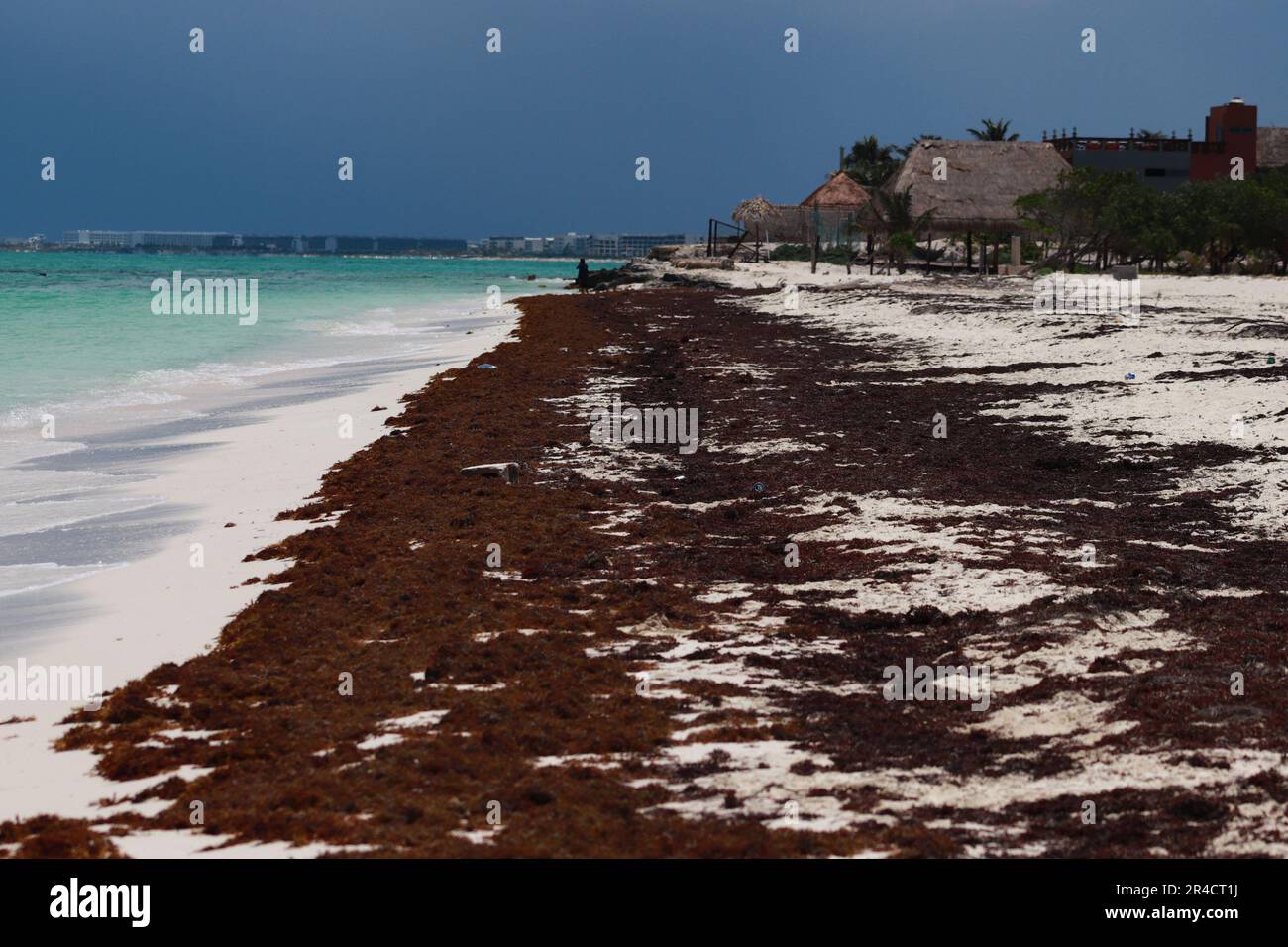
The most visible problem in the Cancun context is the recurring influx of sargassum, a brown macroalgae. While sargassum has always existed in the Atlantic, the "Great Atlantic Sargassum Belt" has become a permanent fixture in the 2020s.
Causes and Drivers
The proliferation of sargassum is driven by three main factors:
- Rising Sea Temperatures: Warmer waters accelerate the growth cycles of the algae.
- Nutrient Runoff: Increased agricultural runoff from the Amazon and Mississippi rivers provides the nitrogen and phosphorus necessary for massive blooms.
- Shifting Ocean Currents: Changes in Atlantic circulation patterns push these blooms directly into the Caribbean basin and onto the shores of Quintana Roo.
Impact on Tourism and Ecology
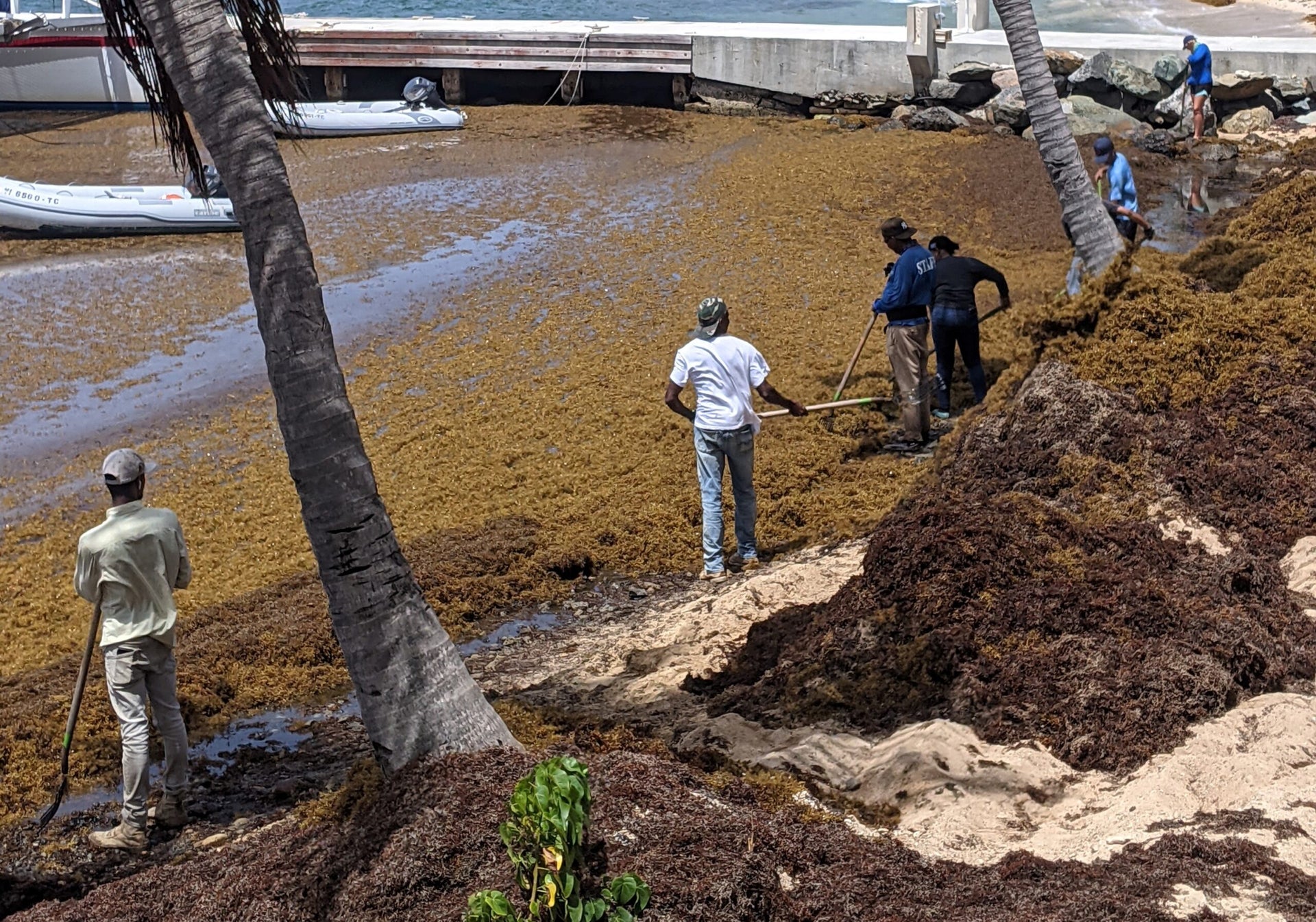
In 2026, the management of sargassum has shifted from reactive beach cleaning to offshore containment. When the algae reaches the shore, it decomposes, releasing hydrogen sulfide gas and depleting oxygen in the water. This not only deters tourists but also kills local seagrasses and damages the Mesoamerican Barrier Reef. The cost of removal remains a significant burden for both the municipal government and private hotel owners, creating a "sargassum tax" on the local economy.
Infrastructure Saturation and the Nichupté Challenge
Cancun’s geography—a "7" shaped island connected to the mainland by only two bridges—creates a literal bottleneck for infrastructure. By 2026, the saturation of the Kukulcan Boulevard (the main artery of the Hotel Zone) has necessitated massive engineering interventions.
Traffic and Mobility
For years, the commute for the thousands of workers who live in downtown Cancun but work in the hotels became unsustainable. The completion of the Nichupté Bridge—a long-awaited elevated roadway crossing the lagoon—has provided a vital pressure valve. However, the bridge itself reflects the broader "problem in context": a multi-billion peso solution to a problem caused by over-densification.
Water and Waste Management
Beneath the surface, the sewage and freshwater systems are under immense strain. The limestone karst topography of the region is highly porous, meaning that any failure in the sewage system leads to the direct contamination of the aquifer and the Nichupté Lagoon. In 2026, the focus has shifted toward upgrading modular treatment plants to handle the peak loads of high-occupancy seasons, which often exceed the original design capacity by 200%.
The Socio-Economic "Split": The Two Cancuns
Perhaps the most persistent problem is the social inequality inherent in the Cancun model. The city is essentially bifurcated.
| Feature | The Hotel Zone (Zona Hotelera) | The Mainland (Cancun Centro/Periphery) |
|---|---|---|
| Primary Economy | International Tourism / Luxury Retail | Service Labor / Local Commerce |
| Infrastructure Quality | High-maintenance, manicured, prioritized | Variable; significant gaps in peripheral paving |
| Security Presence | High (Tourist Police & National Guard) | Standard Municipal Policing |
| Environmental Focus | Beach preservation and lagoon aesthetics | Waste management and urban heat islands |
| Cost of Living | Indexed to USD / High | Indexed to MXN / Moderate |
The context of these problems lies in the fact that the urban sprawl on the mainland was largely unplanned. As workers migrated from across Mexico to fill hospitality roles, "irregular settlements" formed. While many have since been regularized, the lag in providing basic services—potable water, electricity, and waste collection—to these areas remains a point of social friction.
Environmental Degradation: Reefs and Mangroves
The Mesoamerican Barrier Reef, the second-largest in the world, is under siege from "white band disease" and coral bleaching. In the 2026 context, the health of the reef is not just a biological concern but a structural one. Fringing reefs provide the primary defense against storm surges and hurricanes.
Mangrove destruction is another critical component. Historically, developers removed mangroves to provide "unobstructed views" of the ocean or lagoon. We now understand that mangroves are the primary carbon sinks and nurseries for local marine life. Current regulations under SEMARNAT (the Secretariat of Environment and Natural Resources) are much stricter than in the 1990s, but the legacy of past destruction means the coastline is more vulnerable to erosion than ever before.
The Maya Train and Regional Transformation
As of 2026, the Tren Maya (Maya Train) has fully integrated Cancun into a broader regional circuit. While this was intended to "dilute" the pressure on Cancun by moving tourists into the interior of the Yucatan Peninsula, it has also introduced new variables.
- Logistics: Cancun has evolved from a destination into a logistics hub.
- Urban Growth: The area around the Cancun Airport station has seen a surge in industrial and warehouse development, further stretching municipal resources.
- Environmental Controversy: The construction of the tracks over the fragile subterranean river systems remains a point of contention among scientists and environmentalists who fear long-term impacts on the water table.
Safety and Security Perceptions
The context of safety in Cancun is often misunderstood through international headlines. In 2026, criminal activity is largely confined to internal disputes over local drug markets in non-tourist areas. However, the perception of safety is a delicate economic driver. The government’s response—the permanent deployment of the National Guard in tourist corridors—has successfully maintained visitor numbers but has also altered the "vibe" of the destination, moving it from a carefree tropical getaway to a heavily secured enclave.
Summary of Solutions and Next Steps
Addressing the "Cancun problems" requires a departure from the "more is better" philosophy of the 1980s and 90s.
- Circular Economy: Transitioning to zero-waste models in hotels to protect the karst aquifer.
- Sargassum Valorization: Moving from "cleaning" to "harvesting" sargassum for use in fertilizers, biofuels, or construction materials.
- Urban Integration: Investing in the mainland's social infrastructure to ensure that the wealth generated in the Hotel Zone benefits the entire population.
- Climate Adaptation: Implementing "nature-based solutions," such as artificial reef restoration and mangrove reforestation, to combat rising sea levels.
FAQ
Q: Is the water in Cancun safe to drink in 2026? While the municipal water supply undergoes treatment, it is still generally recommended that visitors consume bottled or filtered water. The limestone-heavy soil contributes to high mineral content, and the integrity of the aging pipe network can vary by neighborhood.
Q: How has the Nichupté Bridge changed the tourist experience? The bridge has significantly reduced travel time between the airport and the northern Hotel Zone. It also serves as an emergency evacuation route, which was a major safety concern during previous hurricane threats when the main boulevard was the only way out.
Q: Are the beaches in Cancun still disappearing? Coastal erosion is a continuous challenge. The government periodically conducts "beach nourishment" projects, pumping sand from the ocean floor back onto the beaches. However, these are temporary fixes; long-term stability depends on reef health and offshore wave attenuation.
Q: What is the current state of sargassum in 2026? Sargassum remains seasonal but predictable. Most high-end resorts now use sophisticated floating barriers and specialized collection boats. Visitors should check real-time "Sargassum Observatories" before booking to see which specific beaches are clear.
Q: Is it safe to travel to downtown Cancun (Centro)? Yes, the downtown area, particularly around Plaza de las Américas and the "Ruta Nader" district, is vibrant and safe for tourists. As with any major city, it is advisable to stay in well-lit, populated areas and use regulated transportation apps.
Final Recommendation
For those interacting with Cancun in 2026—whether as a traveler, investor, or researcher—the key is to look beyond the "sun and sand" facade. Supporting businesses that hold Green Globe or EarthCheck certifications ensures your presence contributes to solving rather than exacerbating the infrastructure and environmental strain. Understanding the context of Cancun's problems reveals a city in transition, fighting to balance its status as a world-class destination with the biological and social realities of its unique geography.
Image Gallery