Comprehensive Guide to the Train Journey from New York to Los Angeles
Traveling by train from New York to Los Angeles in 2026 requires a multi-day journey covering nearly 3,000 miles across the American heartland. Because there is no direct rail service, passengers typically transit through Chicago or Ne...
Traveling by train from New York to Los Angeles in 2026 requires a multi-day journey covering nearly 3,000 miles across the American heartland. Because there is no direct rail service, passengers typically transit through Chicago or New Orleans, with the total travel time ranging from 67 to 80 hours depending on the chosen route and connection times.
Contents
Understanding the Route: Navigating the Lack of Direct Service
To travel from New York City’s Moynihan Train Hall (Penn Station) to Los Angeles’ Union Station, you must navigate a network of long-distance routes operated by Amtrak. The United States passenger rail system is designed as a "hub-and-spoke" model, with Chicago serving as the primary nexus for transcontinental travel.
There are two primary ways to structure this journey: the Northern/Central route via Chicago and the Southern route via New Orleans. Each offers a distinct experience in terms of scenery, equipment, and duration.
The Chicago Connection (The Most Popular Route)
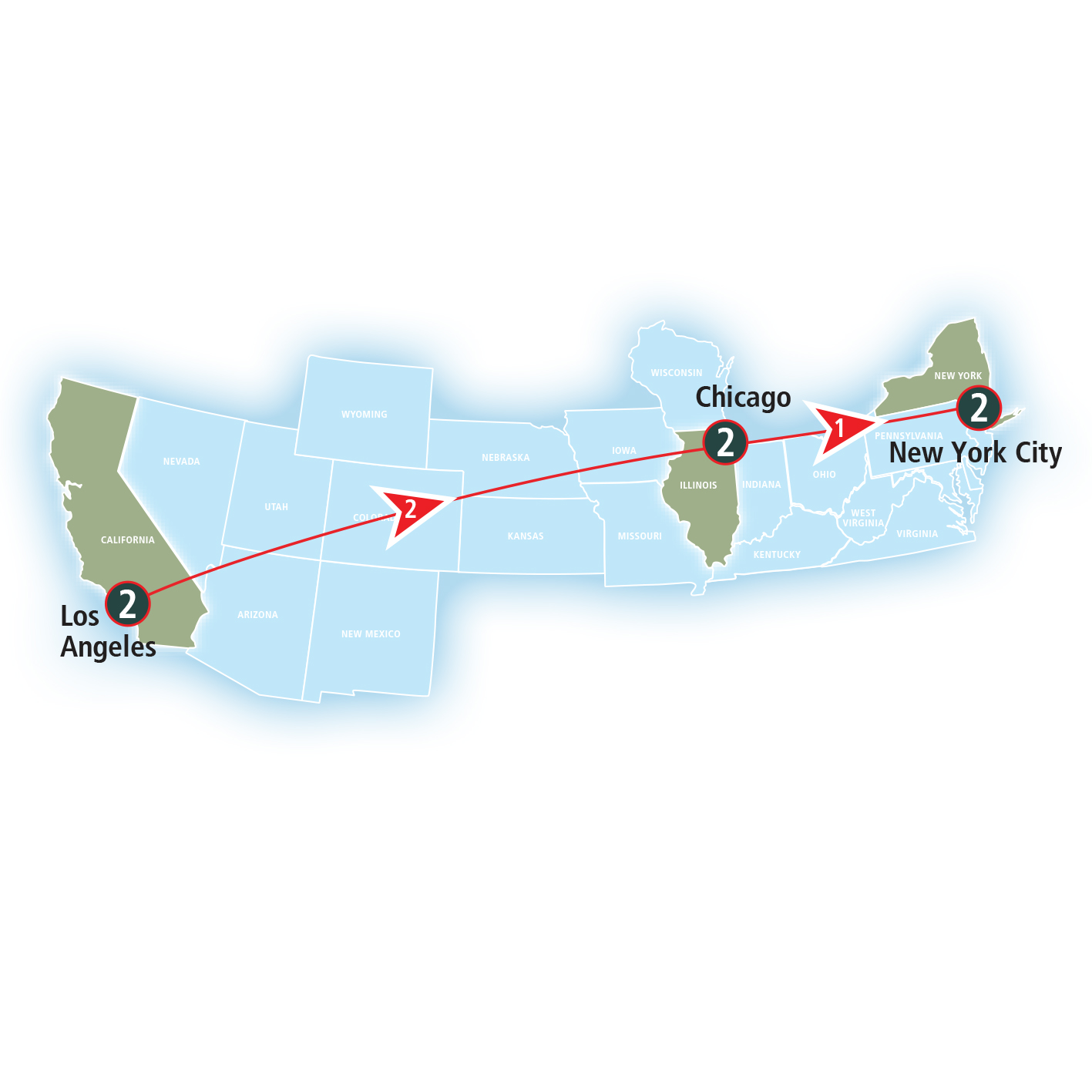
The most efficient and frequent way to reach Los Angeles is by taking a train from New York to Chicago, followed by a transfer to a West Coast-bound service. This route is favored because it offers daily departures and the fastest overall transit time.
- Segment 1: New York to Chicago: You can choose between the Lake Shore Limited (which follows the historic "Water Level Route" through Albany and along the Great Lakes) or the Cardinal (which travels through the Blue Ridge Mountains and the New River Gorge). The Lake Shore Limited is faster and operates daily, while the Cardinal offers superior scenery but runs only three times per week.
- Segment 2: Chicago to Los Angeles: From Chicago Union Station, the Southwest Chief is the primary choice. It traverses the historic Santa Fe Trail, crossing the Kansas plains, the Colorado mountains, and the New Mexico high desert before arriving in Southern California. Alternatively, travelers can take the California Zephyr to Emeryville (near San Francisco) and transfer to a Coast Starlight or bus, though this adds significant time.
The New Orleans Connection (The Southern Route)
For those who prefer a southern trajectory, the journey begins on the Crescent, which runs from New York through the Piedmont region and the Deep South to New Orleans. After a layover, passengers board the Sunset Limited, which travels across the Bayou, through Texas (San Antonio and El Paso), and along the Mexican border into Los Angeles. This route is slower and the Sunset Limited only operates three times per week, requiring careful planning to align schedules.
Selecting Your Onboard Accommodations
Given that the journey takes approximately three nights, the choice of accommodation is the most significant factor in both comfort and cost. Amtrak offers several classes of service, which have seen various interior refreshes as of 2026.
Coach Class: The Budget-Friendly Option
Coach seats on long-distance trains are significantly more spacious than economy seats on airplanes. They feature a generous pitch (legroom), footrests, and seats that recline roughly 40 degrees. While this is the most economical way to travel, sleeping in a seated position for three nights can be physically demanding. Passengers in Coach have access to the Sightseer Lounge and the Café Car but must pay for meals separately.
Sleeper Class: Roomettes and Bedrooms
For a journey of this length, many travelers opt for private accommodations. Booking a "Sleeper" includes all meals in the Dining Car and access to station lounges.
- Roomettes: These are compact private rooms with two facing seats that convert into upper and lower berths. They provide privacy and access to shared restrooms and showers at the end of the car.
- Bedrooms: These offer twice the space of a Roomette and include an in-room sink, vanity, and a private (enclosed) toilet and shower.
- Family Rooms: Available on the Superliner trains used west of Chicago, these span the entire width of the train and can accommodate two adults and two children.
Equipment Differences: Viewliner vs. Superliner
It is important to note the technical difference between the equipment used on the two segments.
- East of Chicago (Viewliner): These are single-level cars designed to fit through the tunnels of the Northeast. They feature two rows of windows, offering excellent views even from the upper berths.
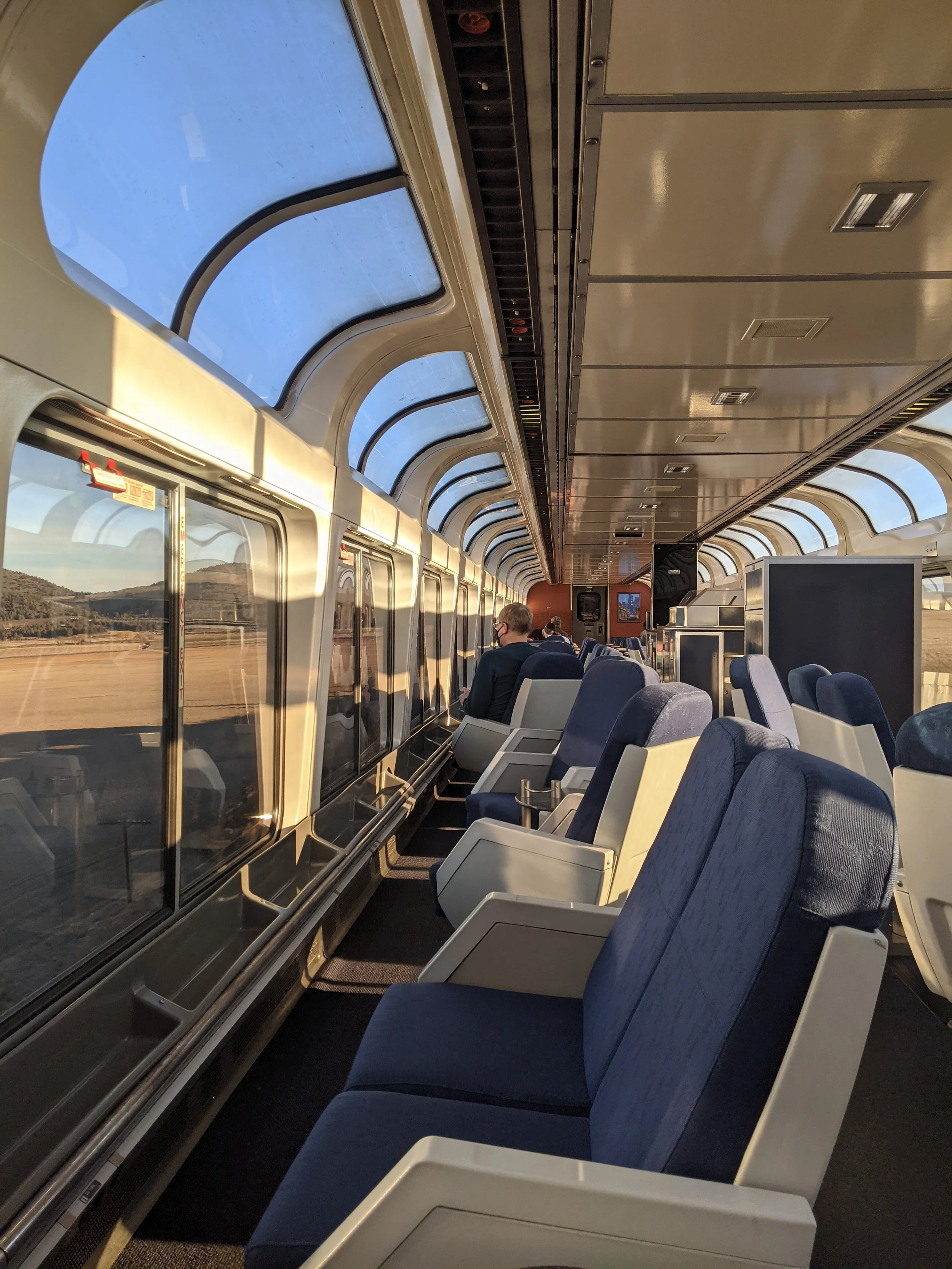
- West of Chicago (Superliner): Once you transfer in Chicago or New Orleans to a train like the Southwest Chief or Sunset Limited, you will board bi-level Superliner cars. These are much taller and provide an elevated vantage point for the vast landscapes of the West.
The Logistics of the Journey: Time and Cost
The cost of a train ticket from New York to Los Angeles is highly volatile and depends on how far in advance you book. Unlike airlines, Amtrak uses a "bucket" pricing system where fares increase as the train fills up.
Average Travel Durations and Layovers
| Route Segment | Approximate Duration | Equipment Type | Frequency |
|---|---|---|---|
| NY to Chicago (Lake Shore Ltd) | 19–20 Hours | Viewliner (Single Level) | Daily |
| Chicago to LA (Southwest Chief) | 43 Hours | Superliner (Bi-Level) | Daily |
| NY to New Orleans (Crescent) | 30 Hours | Viewliner (Single Level) | Daily |
| New Orleans to LA (Sunset Ltd) | 46 Hours | Superliner (Bi-Level) | 3x Per Week |
| Total Travel Time (Fastest) | ~67 Hours | Mixed | Daily |
Pricing Estimates for 2026
In 2026, a one-way Coach ticket can range from $250 to $500, depending on demand. A Roomette typically starts around $1,100, while a full Bedroom can exceed $2,500. It is important to remember that the Sleeper price covers the entire room (for one or two people) and includes all-inclusive dining, which can offset the cost of three days of meals.
Life on the Rails: Dining and Amenities
The onboard experience is a blend of traditional travel and modern updates. As of 2026, Amtrak has continued to refine its "Traditional Dining" service on most long-distance western routes.
- Dining Car: Passengers in Sleeper Class receive chef-prepared meals (breakfast, lunch, and dinner). On the Southwest Chief and Sunset Limited, this usually includes the "Traditional Dining" menu with seated service, real glassware, and a complimentary alcoholic beverage with dinner. Coach passengers can sometimes purchase access to the Dining Car, though it is subject to availability.
- Sightseer Lounge: Available on western routes, this car features floor-to-ceiling windows and outward-facing seats. It is the social hub of the train and provides the best views of the Rockies and the Mojave Desert.
- Connectivity: While Amtrak has expanded "Amtrak WiFi" across much of its fleet, cell service is notoriously unreliable in the remote stretches of New Mexico, Arizona, and the Sierra Nevada mountains. Travelers should download entertainment and offline maps before departure.
Essential Preparation and Packing Tips
A 3,000-mile rail journey requires a different packing strategy than a flight. Because you will be on the train for multiple days, accessibility is key.
- Check Your Main Luggage: Amtrak allows two checked bags up to 50 lbs each for free on most long-distance routes. Since you cannot access checked bags during the journey, pack a separate "overnight bag" for use in your cabin or seat.
- Layered Clothing: The temperature on the train is controlled by a central HVAC system that can feel chilly at night, even in the desert. Bring layers and a dedicated pair of "train shoes" or slippers.
- Power and Utilities: While most seats and all rooms have power outlets, a small power strip can be useful if you have multiple devices. A portable battery bank is a good backup for the rare occasions when car power may fluctuate.
- Snacks and Water: While water is provided (especially in Sleepers), bringing your own snacks and a reusable water bottle is highly recommended for the long stretches between major stations.
Frequently Asked Questions
What happens during the layover in Chicago?
The layover in Chicago Union Station usually lasts between 4 and 6 hours. If you are a Sleeper Class passenger, you have complimentary access to the Metropolitan Lounge, which offers showers, snacks, beverages, and a secure place to store your luggage while you explore the city. If you are in Coach, you can pay for a day pass to the lounge or use the luggage storage (checked baggage) at the station.
Are there showers on the train?
Yes, but only for Sleeper Class passengers. In Superliner cars (West), there is a shared shower room on the lower level of each sleeper car. In Viewliner cars (East), there is a shared shower at the end of the hall. If you book a "Bedroom" (as opposed to a Roomette), you have a private shower inside your room.
Can I get off the train to explore at stops?
Most stops are "smoke stops" or "fresh air stops" lasting only 5 to 15 minutes. You can step onto the platform, but you must remain near the train. Major service stops, such as Albuquerque or Kansas City, may last 30 to 45 minutes, allowing for a very brief walk, but the train will not wait for missing passengers.
How do I handle the time zone changes?
The journey from New York to Los Angeles crosses four time zones (Eastern, Central, Mountain, and Pacific). The train crew will typically make announcements regarding time changes. It is best to keep one device on "Network Time" and perhaps a watch on your destination time to help your body adjust to the schedule.
Is the train journey reliable in terms of scheduling?
While Amtrak aims for punctuality, long-distance trains share tracks with freight companies like BNSF and Union Pacific. Freight interference or weather events can cause delays. It is advisable not to schedule tight connections or non-refundable events within 12 hours of your scheduled arrival in Los Angeles.
Practical Recommendation for Travelers
For the best experience, book the Lake Shore Limited to Chicago and the Southwest Chief to Los Angeles. This combination provides the most consistent daily schedule and the most iconic "Old West" scenery. To secure the lowest fares and your preferred room type, aim to book at least six months in advance. If you are traveling on a budget in Coach, invest in a high-quality travel pillow and a lightweight blanket to ensure better rest during the 67-hour transit.
Image Gallery