Shampoo for Thinning Fine Hair: Professional Guide to Volume and Regrowth
Selecting the right shampoo for thinning fine hair requires a dual-action formula that provides immediate cosmetic volume while addressing underlying scalp health. Focus on sulfate-free cleansers containing DHT blockers like saw palmet...
Selecting the right shampoo for thinning fine hair requires a dual-action formula that provides immediate cosmetic volume while addressing underlying scalp health. Focus on sulfate-free cleansers containing DHT blockers like saw palmetto or caffeine to stimulate follicles without weighing down delicate, narrow-diameter strands with heavy oils or occlusive silicones.
Contents
Understanding the Intersection of Fine and Thinning Hair
To choose the most effective treatment, one must first distinguish between hair texture and hair density. Fine hair refers to the actual diameter of each individual strand; it lacks a medulla (the innermost core), making it naturally fragile and prone to laying flat. Thinning hair, conversely, refers to a reduction in hair density—having fewer hairs per square inch of scalp.
When an individual has both fine hair and thinning hair, the scalp becomes visible much faster than it would for someone with thick, coarse hair. By 2026, the scientific consensus on hair care emphasizes that "thickening" shampoos should not just coat the hair to create a temporary illusion of volume but should also create an optimal environment for the follicle to thrive.
The primary mechanism behind thinning in most adults is follicular miniaturization. This process, often driven by genetics and hormones (specifically Dihydrotestosterone or DHT), causes the hair follicle to shrink over time. As the follicle shrinks, the hair it produces becomes finer and shorter until it eventually stops producing hair altogether. Therefore, a shampoo for thinning fine hair must address the scalp's micro-environment to slow this process while managing the physical limitations of fine strands.
Key Ingredients That Support Fine, Thinning Strands
When reviewing ingredient labels in 2026, look for clinically backed compounds that serve three purposes: DHT modulation, scalp stimulation, and structural fortification.
1. DHT Blockers and Inhibitors
Dihydrotestosterone (DHT) is a derivative of testosterone that binds to receptors in the scalp, triggering miniaturization. While a rinse-off shampoo cannot replace a leave-in medical treatment, certain ingredients can help mitigate surface-level DHT.
- Saw Palmetto: A botanical extract that has shown potential in inhibiting 5-alpha-reductase, the enzyme responsible for converting testosterone to DHT.
- Ketoconazole: While primarily an anti-fungal used to treat dandruff, studies have indicated it may help disrupt the androgen pathway on the scalp, making it a staple for those experiencing androgenetic alopecia.
- Pumpkin Seed Oil: Rich in zinc and magnesium, this oil is often included in "clean" formulations for its purported ability to block DHT activity.
2. Scalp Stimulants
Increasing blood flow to the scalp ensures that the remaining follicles receive the oxygen and nutrients necessary for the anagen (growth) phase.
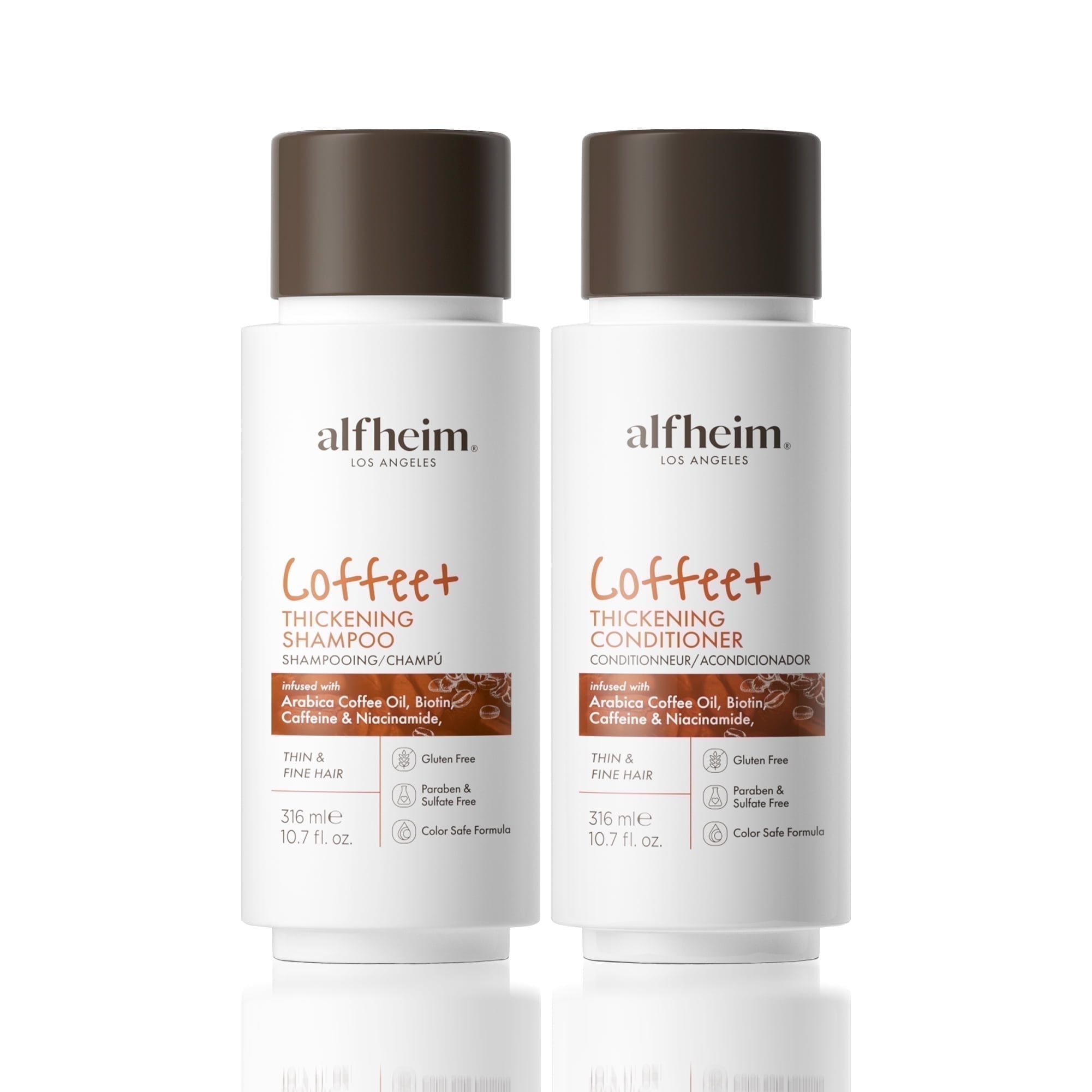
- Caffeine: When applied topically, caffeine penetrates the hair follicles. Research suggests it can counteract the inhibitory effects of DHT and extend the hair's growth cycle.
- Niacinamide (Vitamin B3): This ingredient improves the skin barrier function of the scalp and enhances microcirculation, which is vital for maintaining the health of thinning hair.
- Peptides (Copper Peptides): These are often utilized in 2026 formulations to increase follicle size and prolong the growth phase by stimulating collagen and elastin production around the hair bulb.
3. Structural Fortifiers
Because fine hair breaks easily, the shampoo must reinforce the cuticle without using heavy waxes.
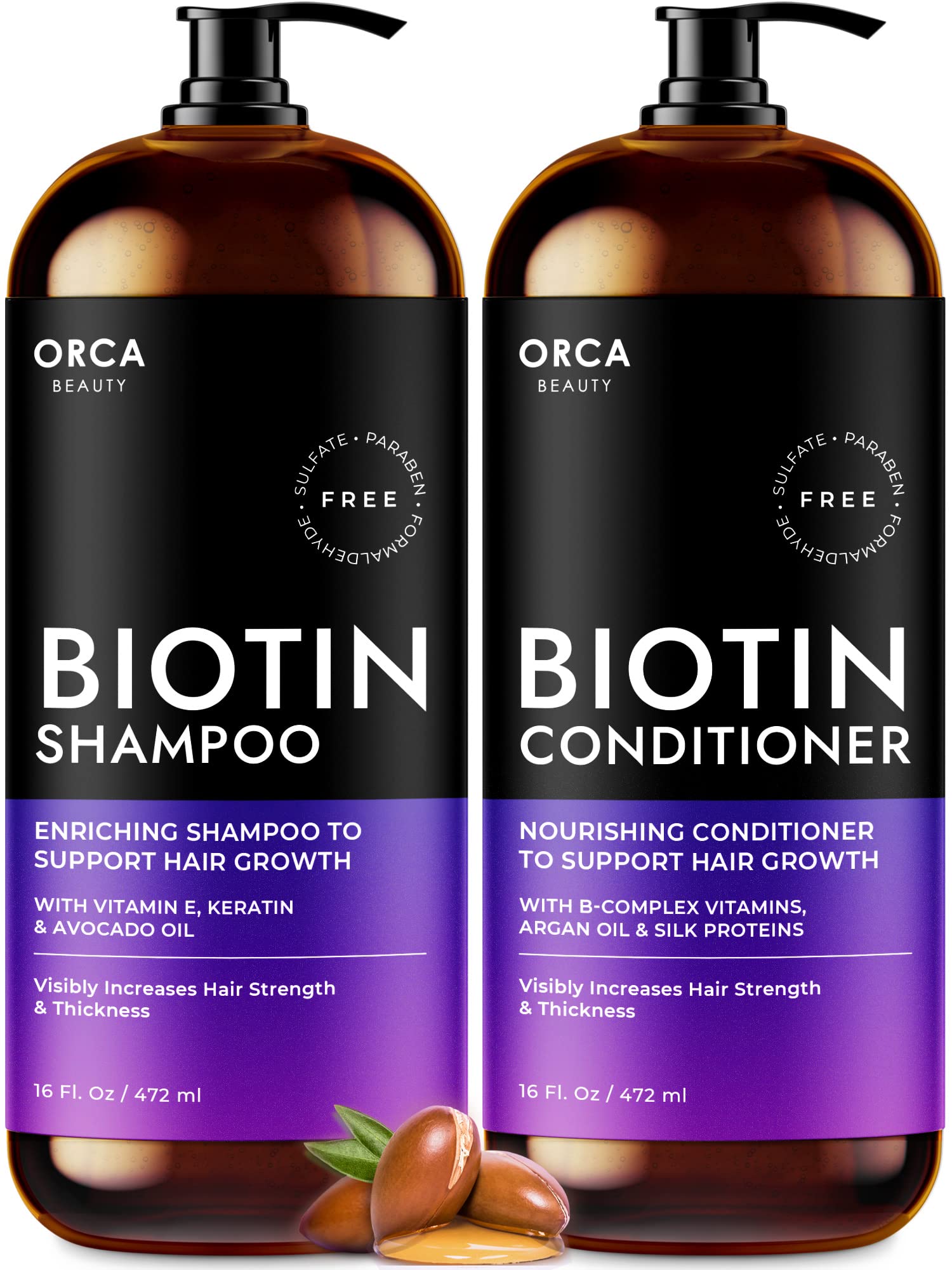
- Biotin (Vitamin B7): While oral biotin is common, topical biotin helps strengthen the surface of the hair shaft, reducing breakage.
- Hydrolyzed Rice or Quinoa Protein: These small-molecule proteins can penetrate the hair cuticle to provide "grip" and temporary thickness without the weight of traditional animal keratins.
- Salicylic Acid: For thinning hair, preventing "clogged" follicles is essential. Salicylic acid gently exfoliates the scalp, removing sebum and product buildup that can stifle new growth.
Ingredients to Avoid for Fine and Thinning Hair
The wrong ingredients can make thinning hair look worse by causing "clumping" or by stripping the scalp of its natural protective oils, leading to inflammation.
Harsh Sulfates
Sodium Lauryl Sulfate (SLS) and Sodium Laureth Sulfate (SLES) are powerful detergents. For those with thinning hair, these can be too aggressive, causing micro-inflammation of the scalp and making fine hair brittle. Search for "Sulfate-Free" labels, which typically use gentler surfactants like Sodium Lauroyl Methyl Isethionate.
Heavy Silicones
Silicones like Dimethicone provide shine and slip, but they are heavy. On fine hair, they coat the strands and cause them to stick together, revealing more of the scalp. If you need the protective benefits of silicones, look for "water-soluble" versions like Cyclomethicone or Dimethicone Copolyol, which wash away easily without buildup.
Parabens and Formaldehyde Releasers
Though less common in 2026, these preservatives can cause scalp irritation for sensitive individuals. A healthy scalp is the foundation for hair growth; any unnecessary irritation can trigger telogen effluvium (temporary shedding).
Comparison of Shampoo Categories for Thinning Fine Hair
| Category | Primary Goal | Key Active Ingredients | Ideal User |
|---|---|---|---|
| Volumizing | Immediate aesthetic lift | Polymeric resins, Rice protein | People with fine hair but minimal hair loss. |
| Clarifying | Removing follicle-clogging debris | Salicylic acid, Tea tree oil | People with thinning hair and oily scalps. |
| Medicated/DHT Blocking | Slowing hair loss | Ketoconazole, Saw palmetto | Those with diagnosed androgenetic alopecia. |
| Bio-Stimulating | Promoting new growth | Caffeine, Copper peptides, Niacinamide | People seeing early signs of diffuse thinning. |
Proper Washing Techniques for Maximum Volume
The efficacy of a shampoo for thinning fine hair depends heavily on how it is applied. Because fine hair is easily weighed down by sebum, the washing frequency and method are critical.
- The Scalp Focus: Apply shampoo directly to the scalp, not the ends. Use the pads of your fingers to massage the formula in for at least two minutes. This allows active ingredients like caffeine or ketoconazole to penetrate the follicular ostia.
- Water Temperature: Use lukewarm water. Hot water can strip the scalp of essential lipids and weaken the protein structure of fine hair, leading to frizz and limpness.
- The "Squeaky Clean" Myth: While you want a clean scalp, you should not scrub until the hair feels "straw-like." This indicates the cuticle is raised and vulnerable to breakage.
- Conditioning Strategy: Never apply conditioner to the scalp if you have thinning fine hair. Only apply it from the mid-lengths to the ends. This ensures the roots remain light and lifted, providing more "lift" from the scalp.
Managing Expectations: What Shampoo Can and Cannot Do
It is important to maintain a realistic perspective on the role of shampoo in a hair-regrowth regimen. Shampoo is a "rinse-off" product, meaning the contact time with the scalp is limited.
- Shampoo CAN: Cleanse the scalp of DHT-laden sebum, provide temporary volume by "fattening" the hair shaft with proteins, and prevent breakage through improved elasticity.
- Shampoo CANNOT: Overcome genetic balding on its own or "re-grow" hair on a completely bald patch where follicles have already died.
For significant thinning, shampoo should be the foundational step of a broader strategy that may include topical Minoxidil, low-level laser therapy (LLLT), or nutritional supplements prescribed by a healthcare professional.
FAQ
How often should I wash thinning fine hair?
Most experts recommend washing every 24 to 48 hours. Fine hair becomes oily quickly because the sebum from the scalp travels down the short, narrow strands easily. Buildup of this oil can contain high concentrations of DHT and can weigh the hair down, making thinning more visible. However, avoid washing more than once a day to prevent scalp irritation.
Can a volumizing shampoo cause more hair loss?
A high-quality volumizing shampoo will not cause hair loss. However, some lower-quality versions use heavy polymers or salts to "fluff" the hair, which can lead to dryness and breakage if used excessively. Always ensure your volumizing formula includes hydrating agents like panthenol (Pro-vitamin B5) to balance the lifting agents.
Is "thickening" the same as "regrowth"?
No. "Thickening" usually refers to a cosmetic increase in the diameter of the hair strands currently on your head, often achieved through coating the hair with proteins or polymers. "Regrowth" refers to the biological process of dormant follicles returning to the anagen (growth) phase to produce new hairs.
Should I use a scalp scrubber for thinning hair?
Silicon scalp massagers can be beneficial for increasing circulation and ensuring a deep clean. However, they should be used gently. Excessive mechanical friction on thinning fine hair can lead to "traction" issues or breakage of the fragile strands. Use light, circular motions rather than vigorous scrubbing.
Why does my hair seem to fall out more when I use a new shampoo?
This is often a phenomenon known as "shedding." When you stimulate the scalp or clear out old debris, hairs already in the telogen (resting) phase may fall out to make room for new growth. However, if the shedding is accompanied by redness, itching, or burning, you may be having an allergic reaction to an ingredient and should discontinue use.
Recommended Next Steps
If you are struggling with thinning fine hair in 2026, start by switching to a sulfate-free, caffeine-infused shampoo to support scalp vitality. Monitor your results over a 90-day period, as hair growth cycles require time to respond to new treatments. If thinning persists or occurs in patches, consult a dermatologist to rule out underlying medical conditions such as iron deficiency, thyroid imbalances, or autoimmune issues.
Image Gallery