Medical Staffing in Jacksonville: A Comprehensive Guide to 2026 Trends and Solutions
Medical staffing in Jacksonville currently relies on a hybrid ecosystem of local boutique agencies, national workforce management firms, and internal health system "float pools." Facilities use these services to manage fluctuating pati...
Medical staffing in Jacksonville currently relies on a hybrid ecosystem of local boutique agencies, national workforce management firms, and internal health system "float pools." Facilities use these services to manage fluctuating patient volumes, while clinicians utilize them to access flexible schedules and competitive rates in Northeast Florida’s rapidly expanding healthcare corridor.
Contents
As of 2026, Jacksonville has solidified its position as a primary healthcare hub for the Southeastern United States. With the continued expansion of the Mayo Clinic Florida campus and the increasing footprint of Baptist Health, UF Health, and Ascension St. Vincent’s, the demand for qualified clinical and non-clinical personnel has reached an all-time high. This demand is met through a sophisticated medical staffing infrastructure that serves both large-scale acute care hospitals and specialized outpatient clinics.
The Landscape of Healthcare Employment in Jacksonville
Jacksonville’s healthcare market is unique due to its geographic spread and its concentration of specialty centers. The "Health North" initiative and the growth of the Southside medical corridor have created distinct staffing needs in different parts of the city.
Major Health Systems and Their Impact
The "Big Four" systems—Baptist, Mayo, UF Health, and Ascension—dictate much of the staffing volume. However, the rise of independent ambulatory surgery centers (ASCs) and urgent care chains (such as CareSpot and diversas specialized clinics) has created a secondary market for per diem and contract labor. In 2026, these smaller facilities often compete with major hospitals by offering more predictable daytime hours, though often at slightly lower hourly rates than acute care crisis contracts.
Demographic Drivers of Demand
Jacksonville’s population growth, particularly among retirees in the Duval and St. Johns County areas, has surged the demand for geriatric care, oncology, and cardiology services. This demographic shift requires staffing agencies to prioritize specialized certifications, such as OCN (Oncology Certified Nurse) or CCRN (Critical Care Registered Nurse), over generalist roles.
Types of Medical Staffing Services in 2026
Staffing in the Jacksonville area is no longer a one-size-fits-all model. Agencies have specialized to meet the nuanced needs of different clinical environments.
Per Diem and Shift-Based Staffing
Per diem staffing allows Jacksonville facilities to cover immediate gaps caused by call-outs or sudden census spikes. Local clinicians often use mobile apps provided by agencies to claim shifts at facilities like Memorial Hospital or Wolfson Children’s Hospital. This model provides maximum flexibility for the worker and immediate relief for the facility, though it comes with a higher hourly cost for the employer.
Travel Nursing and Allied Health Contracts
Despite the stabilization of the market after the early 2020s, travel nursing remains a vital component of Jacksonville’s workforce strategy. These contracts typically run 13 weeks. Jacksonville is a highly desirable "travel" destination due to its proximity to beaches and a lower cost of living compared to South Florida. Agencies focusing on travel contracts often include housing stipends or assist with short-term rentals in areas like Riverside or Neptune Beach.
Locum Tenens for Physicians
Locum tenens (temporary physician staffing) is essential for maintaining continuity of care in Jacksonville’s specialized departments. When a surgeon at UF Health Jacksonville or a neurologist at Mayo Clinic takes a sabbatical or leaves the practice, locum agencies provide board-certified replacements to ensure that patient wait times do not escalate.
Permanent Placement and Executive Search
For leadership roles, such as Chief Nursing Officers (CNOs) or Department Directors, Jacksonville organizations often engage in "retained search" contracts. These agencies vet candidates globally but focus on those who are a cultural fit for the Northeast Florida lifestyle.
Compliance, Credentialing, and Legal Requirements
Jacksonville staffing agencies must navigate a rigorous regulatory environment to ensure patient safety and facility accreditation.
- Florida Department of Health (DOH) Licensing: All clinical staff must hold active Florida licenses or a valid Nurse Licensure Compact (NLC) multi-state license. Florida’s participation in the compact allows nurses from other member states to practice in Jacksonville without obtaining a new license, which is a major facilitator for travel staffing.
- AHCA Background Screenings: The Agency for Health Care Administration (AHCA) requires Level 2 background checks for any individual with a "direct claim" to patient care. This involves fingerprinting and a review of state and federal criminal records.
- Joint Commission Standards: Most major Jacksonville hospitals are accredited by The Joint Commission. Staffing agencies must maintain "Joint Commission Certification" themselves to prove that their vetting, drug screening, and competency testing processes meet national hospital standards.
Choosing a Staffing Partner in Jacksonville
For healthcare administrators, selecting the right agency involves balancing cost against the quality of the candidate pool. The following table compares the three primary models currently active in the Jacksonville market.
| Feature | Local Boutique Agencies | National MSP/VMS Providers | Internal Hospital Float Pools |
|---|---|---|---|
| Speed of Placement | High for local per diem | Moderate (High volume) | Fastest (Direct access) |
| Cost Per Hour | Moderate to High | Standardized/Contractual | Lowest (Direct hire) |
| Candidate Quality | Deeply vetted local talent | Variable/Broad pool | High (Trained on-site) |
| Administrative Burden | High (Manual invoicing) | Low (Automated platforms) | High (Full HR management) |
| Primary Use Case | Emergency gaps/Local niches | Large-scale labor supply | Long-term core stability |
Technological Integration in 2026 Staffing
The medical staffing industry in Jacksonville has moved away from traditional recruiters calling nurses on their days off. In 2026, the process is largely driven by AI-enabled matching algorithms.
- Predictive Analytics: Large systems in Jacksonville now use data to predict census increases based on historical trends and local health data, allowing them to book agency staff weeks in advance rather than hours.
- Credentialing Portals: Clinicians now use "digital wallets" to store their BLS, ACLS, and PALS certifications, which are automatically verified against the Primary Source (e.g., the American Heart Association) and shared with the staffing agency.
- Dynamic Pricing: Similar to ride-sharing services, some Jacksonville agencies use surge pricing for difficult-to-fill shifts, such as weekend night shifts or holiday coverage at Level 1 Trauma Centers.
Challenges Facing the Jacksonville Market
While the industry is robust, several headwinds affect staffing efficacy in 2026.
- Housing Affordability: The rising cost of rent in Duval County has made it more difficult for lower-wage healthcare workers, such as Certified Nursing Assistants (CNAs) and medical assistants, to live close to the major medical centers downtown or in the Southside.
- Burnout and Retention: High turnover rates continue to plague the industry. Jacksonville agencies are responding by offering "loyalty bonuses" and mental health support services to their contractors to prevent them from leaving the profession entirely.
- Educational Pipeline: While institutions like the University of North Florida (UNF) and Florida State College at Jacksonville (FSCJ) produce hundreds of new graduates annually, the "experience gap" remains a challenge. Agencies are increasingly tasked with finding experienced preceptors to guide these new clinicians.
Essential Advice for Clinicians Seeking Agency Work
If you are a nurse, therapist, or technician looking for medical staffing opportunities in Jacksonville, consider the following steps:
- Verify Your Compact Status: Ensure your NLC license is in good standing. If moving from a non-compact state like California or New York, start your Florida endorsement process at least 90 days before your intended start date.
- Audit Your Certifications: Jacksonville’s acute care facilities are increasingly requiring specialty certifications. Having a PCCN or TNCC can significantly increase your hourly rate in the Jacksonville market.
- Understand the Local Geography: Traffic on I-95 and the 295 Beltway can be significant. If you are working at Baptist Medical Center Beaches but living in Orange Park, your commute could exceed an hour. Choose assignments that align with your living situation.
Frequently Asked Questions
What is the average pay for travel nurses in Jacksonville in 2026?
In 2026, travel nurse pay in Jacksonville typically ranges from $2,400 to $3,200 per week, depending on the specialty (ICU and ER usually command the highest rates). This often includes a tax-free stipend for housing and meals, provided the clinician meets the IRS requirements for maintaining a tax home.
Do Jacksonville staffing agencies provide benefits?
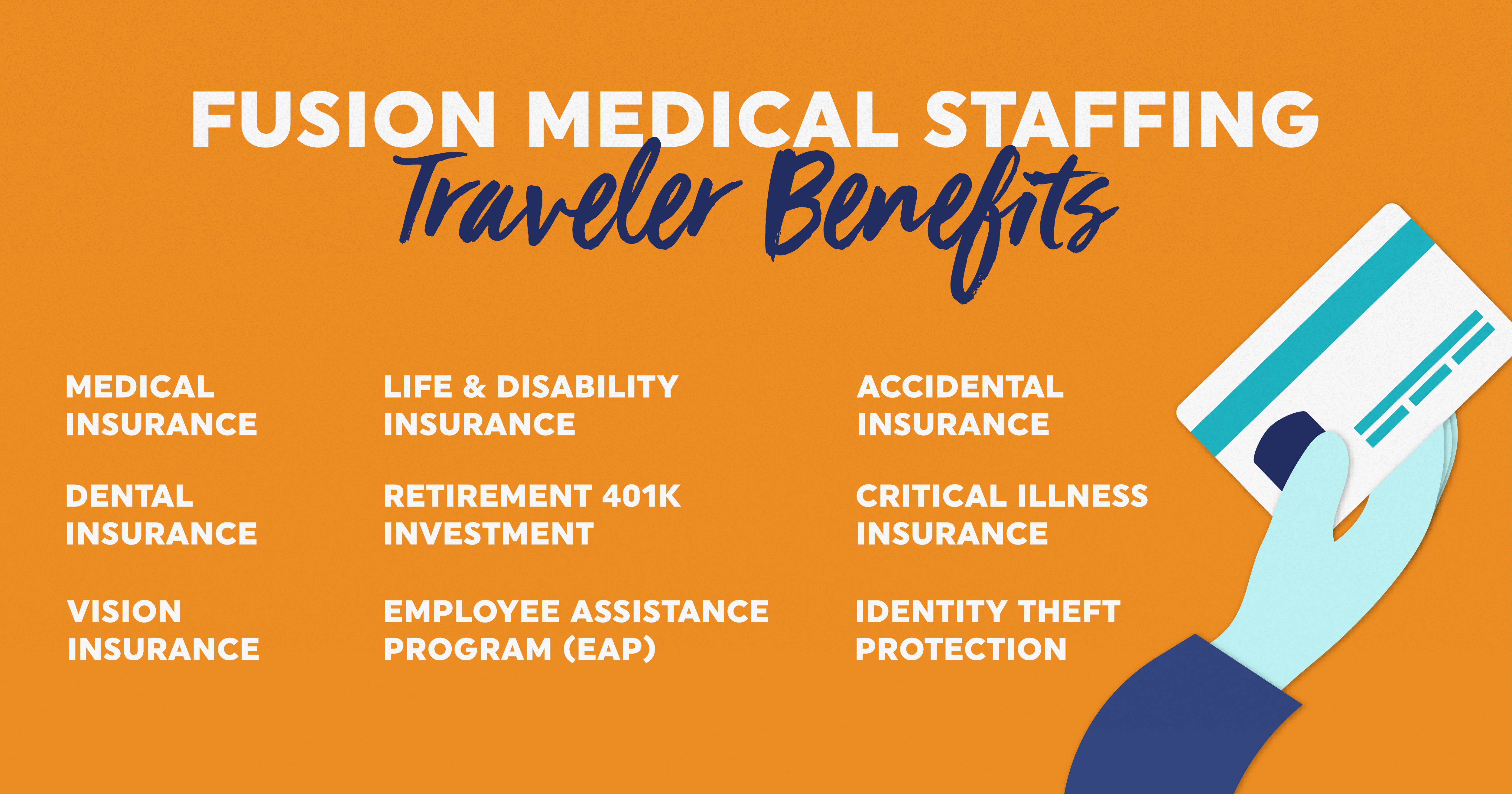
Most reputable agencies in the region offer "Day 1" health insurance, 401(k) matching, and professional liability insurance. However, the depth of these benefits varies significantly between "per diem" agencies and "long-term contract" agencies. Always request a full benefit summary before signing a contract.
How does the Florida Nurse Licensure Compact affect staffing?
The Florida Board of Nursing participation in the Compact allows nurses from over 30 other states to work in Jacksonville without a separate Florida license. This makes Jacksonville a prime location for nurses who want to "snowbird" or work seasonally in Florida without administrative delays.
Are there staffing agencies for non-clinical medical roles in Jacksonville?
Yes. There is high demand for medical billers, coders, and front-office coordinators. Agencies such as Kelly Services and local specialists focus specifically on the administrative side of healthcare, supporting the massive billing offices of companies like Florida Blue, which is headquartered in Jacksonville.
What background checks are required for medical staffing in Florida?
Under Florida law, healthcare workers must undergo an AHCA Level 2 background screening. This includes a fingerprint-based search of the Florida Department of Law Enforcement (FDLE) and FBI records. Results are stored in the AHCA Care Provider Background Screening Clearinghouse.
Final Recommendation for 2026
For healthcare facilities in Jacksonville, the most effective strategy in 2026 is a diversified workforce model. Relying solely on one agency or an internal pool creates vulnerability. Instead, maintain active contracts with at least one national MSP for volume and one local boutique agency for specialized, high-touch clinical needs.
For clinicians, the key to success in the Jacksonville market is specialization and flexibility. By maintaining multiple certifications and a digital-ready credentialing profile, you can take advantage of the high-paying shifts at major centers like Mayo Clinic or UF Health while maintaining the work-life balance that the Northeast Florida coast offers.
Image Gallery