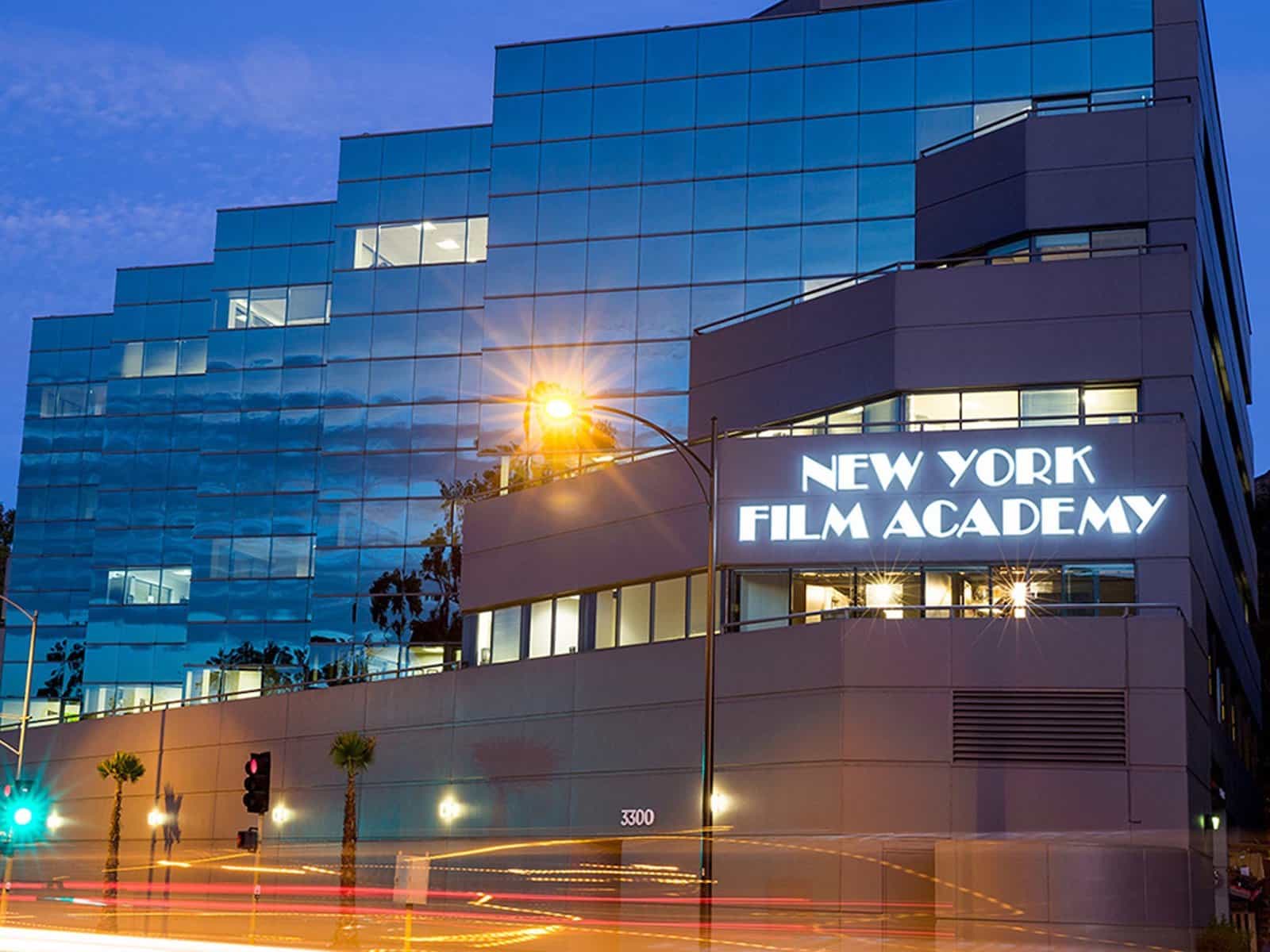
Why the Best Filmmaking Schools Matter for Your Career
The best filmmaking schools provide essential access to high-end industry equipment, rigorous peer critiques, and critical alumni networks that accelerate professional entry. By formalizing technical training and offering supervised en...
The best filmmaking schools provide essential access to high-end industry equipment, rigorous peer critiques, and critical alumni networks that accelerate professional entry. By formalizing technical training and offering supervised environments for complex productions, these institutions bridge the gap between creative ambition and the practical requirements of the professional film and media industry.
Contents
The Role of Infrastructure and Technical Access
One of the primary advantages of top-tier film schools is the scale and quality of their production infrastructure. In a professional environment, filmmaking is rarely a solitary endeavor; it requires sophisticated workflows involving specialized cameras, lighting rigs, sound stages, and post-production suites.
While individual creators can produce content with consumer-grade gear, schools offer access to industry-standard equipment, such as Arri Alexa or RED cinema cameras, professional grip and electric packages, and high-end color grading suites like DaVinci Resolve on calibrated displays. Using these tools in an academic setting allows you to learn technical troubleshooting, signal flow, and crew etiquette—skills that are non-negotiable on a professional film set. Learning to handle a 40-pound lighting fixture or manage a complex digital cinema workflow under the guidance of experienced faculty prepares you for the technical rigor of real-world production.
Peer Collaboration and The "Cohort Effect"
Filmmaking is inherently collaborative. A film school functions as a concentrated ecosystem of directors, cinematographers, sound designers, and editors who are at similar stages of professional development. This "cohort effect" is a significant driver of career success.
When you attend a top-tier program, you are not just working with fellow students; you are building your future creative team. Many successful director-cinematographer pairings or production companies began as student collaborations in school. Because everyone is held to a standard of accountability, you gain experience in resolving creative conflicts, managing production schedules, and communicating your vision effectively to other heads of department. This environment is distinct from freelance networking because it is sustained, allowing you to iterate on your craft alongside partners who are also learning the industry's vernacular.
Bridging the Gap Between Vision and Execution
Many aspiring filmmakers struggle with the discrepancy between their creative vision and their technical capability. Film schools accelerate the development of "visual literacy." Through intensive coursework in screenwriting, cinematography, and editing theory, students move beyond intuition and begin to understand why certain techniques evoke specific emotional responses.
The critique process—an academic staple where faculty and peers deconstruct your work—is designed to strip away ego and force you to defend your narrative choices. This process is essential for refining your unique "voice." By analyzing historical cinema alongside your own output, you learn to identify tropes, subvert expectations, and master the structural storytelling techniques that define modern cinema.
Career Entry and Industry Networking
The most prestigious filmmaking schools act as gatekeepers or conduits to the industry. Many top programs are located in hubs such as Los Angeles, New York, or London, where the proximity to studios, talent agencies, and production houses is a tangible asset.
However, the true value lies in the alumni network and industry partnerships. Professors at these institutions are often active professionals who can provide mentorship, internship leads, and practical career advice. Institutions like the American Film Institute (AFI), USC’s School of Cinematic Arts, or the National Film and Television School (NFTS) host guest lectures and screenings that allow students to interact with established directors and producers. Having an institution’s name on your resume serves as a signal of quality, assuring potential employers or collaborators that you have been vetted and trained in rigorous, professional standards.
Comparative Overview of Program Types
Understanding the landscape of film education is critical for selecting a program that aligns with your specific career goals.
| Program Type | Focus Area | Best For | Typical Industry Path |
|---|---|---|---|
| Conservatory | Directing/Producing | Creative visionaries | Feature film/Series directing |
| Technical/Trade | Cinematography/Grip | Specialized crew | Camera ops, G&E, Union work |
| Conservatory/Fine Art | Screenwriting | Narrative architects | Scriptwriting, Story development |
| MFA Graduate | Theory & Advanced Craft | Future educators/Auteurs | Academic roles, Independent cinema |
Financial Considerations and Return on Investment
The cost of top-tier film schools is high, often requiring significant tuition and equipment fees. Before committing, prospective students should assess their financial strategy. Unlike some fields where credentials are mandatory for licensure, filmmaking is a portfolio-based industry. A degree is not a guarantee of employment, but it is an accelerant for those who use the resources provided to build a substantial body of work.
Consider the "hidden" costs: living in high-cost cities, production budgets for your student films, and the potential for lost income during the years of study. Calculate the return on investment (ROI) not just in terms of future salary, but in the value of the network and the time saved by having direct access to mentorship and professional-grade production environments.
Addressing Common Misconceptions
- "You don't need a degree to be a filmmaker": While true—many successful directors are self-taught—the path is significantly harder without a support system. The "self-taught" route often involves years of trial and error; film school compresses this development time.
- "The gear is what matters most": Gear is merely a tool. The real value is the instruction on how to use it, the collaborative opportunities, and the critical feedback loop.
- "I will get a job immediately after graduation": A film school degree is a starting point, not an end. The industry still relies heavily on individual persistence, portfolio quality, and networking after the program ends.
Frequently Asked Questions
Does the location of the film school matter? Yes, significantly. Schools located in major production hubs provide students with easier access to internship opportunities, industry guest speakers, and local labor unions, providing a "boots-on-the-ground" advantage that schools in isolated regions cannot offer.
Is an MFA better than a BFA for my career? An MFA is typically for those seeking to refine an advanced creative voice or transition into academic teaching. A BFA provides a broader foundational base, often spanning technical, creative, and liberal arts requirements. Choose based on your current skill level and long-term objectives.
How do I vet the quality of a film program? Look at the career outcomes of recent alumni, the professional credits of the faculty, and the specific equipment available to students. Avoid programs that do not provide clear evidence of student productions or alumni industry placement.
Can I gain the same experience through online courses? Online courses are excellent for learning specific software or technical theory, but they lack the physical collaborative environment and the high-stakes production pressure necessary to learn how to manage a professional film crew.
What if I cannot afford a top-tier school? Focus on community colleges or regional programs that offer strong technical training, then prioritize spending your remaining budget on your personal production projects to build a strong portfolio.
Your Next Action
To determine if a filmmaking school is the right path for your career, start by identifying the specific department or role you wish to occupy (e.g., cinematography, directing, or editing). Review the websites of three top-tier schools and compare their curriculum to your current skill gaps. If the school offers the technical training and the specific professional network you lack, begin drafting a project proposal or portfolio that highlights your existing creative perspective, as this is the primary asset you will use to gain admission and maximize your time in the program.
Image Gallery