Understanding Incident of Ownership in Life Insurance Policies
An incident of ownership refers to the right of an insured person to exercise any of the economic benefits of a life insurance policy, such as changing beneficiaries, borrowing against cash value, or canceling the policy. Under Interna...
An incident of ownership refers to the right of an insured person to exercise any of the economic benefits of a life insurance policy, such as changing beneficiaries, borrowing against cash value, or canceling the policy. Under Internal Revenue Code (IRC) Section 2042, if the deceased held these rights at the time of death, the policy proceeds are included in their gross estate for federal estate tax purposes, regardless of who receives the death benefit.
Contents
Defining Incident of Ownership
The concept of an "incident of ownership" is not limited to legal title or formal ownership of the policy. The Internal Revenue Service (IRS) interprets this term broadly. It encompasses the power to benefit oneself or one's estate from the policy’s economic value. Essentially, if an individual can influence the policy's terms or dispose of the policy's proceeds, the IRS considers them the owner for tax purposes.
Common examples of incidents of ownership include:
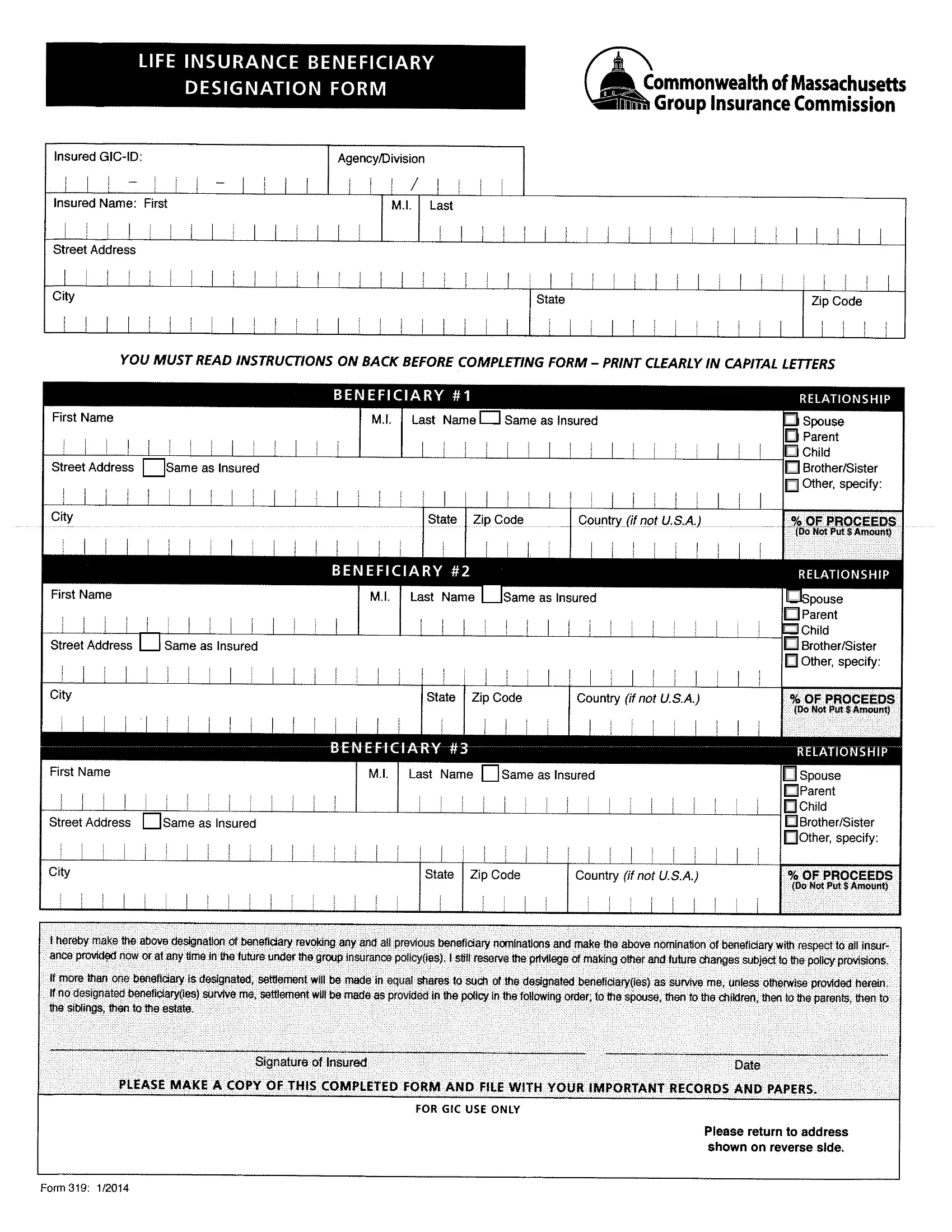
- The power to change the policy beneficiary.
- The right to surrender, cancel, or terminate the policy.
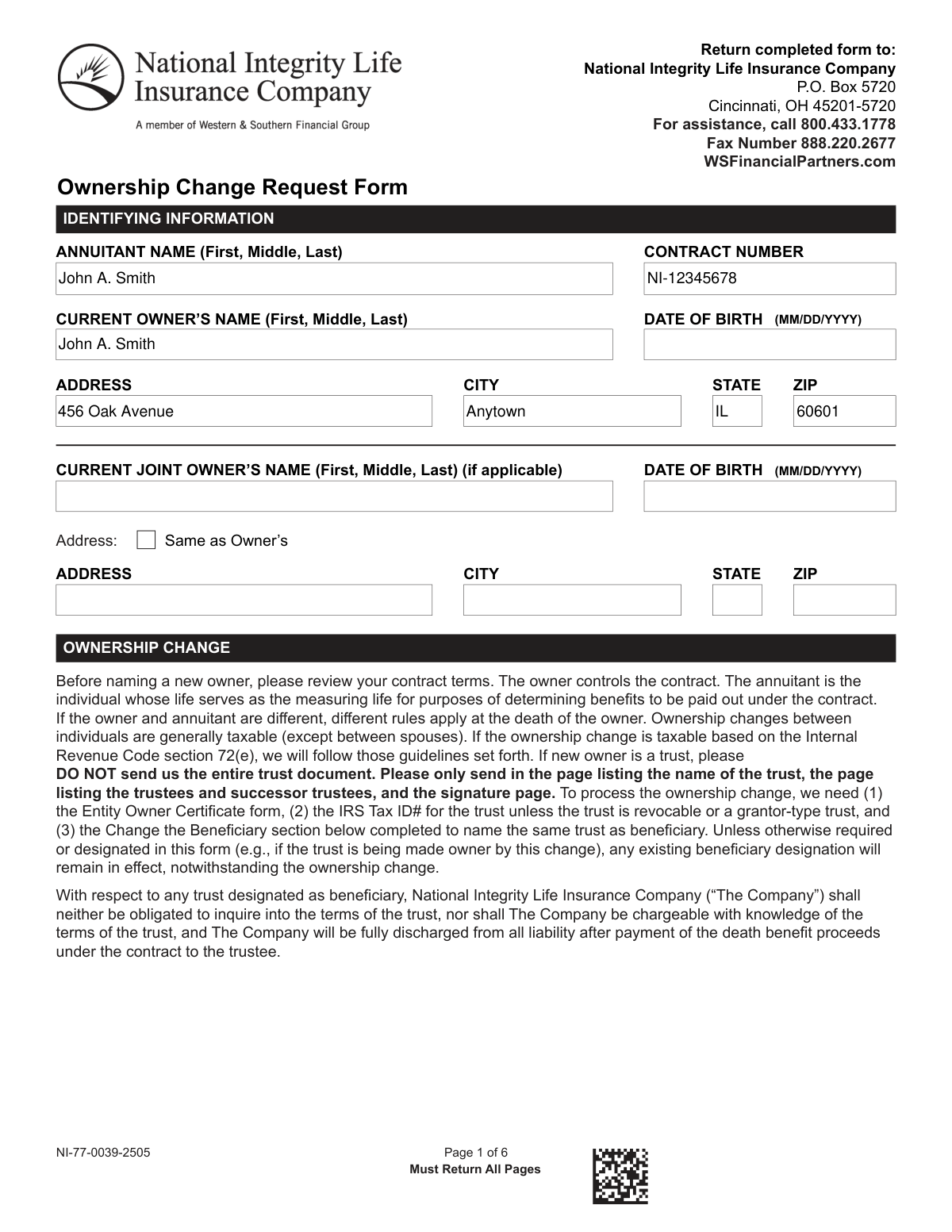
- The right to assign the policy or revoke an assignment.
- The power to pledge the policy as collateral for a loan.
- The right to borrow against the policy's cash surrender value.
- A reversionary interest in the policy or its proceeds, provided the value of the reversionary interest exceeded 5% of the value of the policy immediately before the death of the insured.
Why This Concept Matters for Estate Planning
For many individuals, life insurance is a primary tool for liquidity and wealth transfer. However, if the policy is included in the gross estate, the death benefit may be subject to federal estate taxes. As of 2026, estate tax exemptions remain significant, but for high-net-worth individuals, the inclusion of a large life insurance death benefit can push the total estate value over the exemption threshold, creating an avoidable tax liability.
By structuring a policy so that the insured does not possess any incidents of ownership, the policyholder can effectively remove the death benefit from their taxable estate. This is why financial planners often recommend that the policy be owned by another party, such as a spouse, an adult child, or an Irrevocable Life Insurance Trust (ILIT).
The Role of Irrevocable Life Insurance Trusts (ILITs)
An ILIT is a legal arrangement designed specifically to hold life insurance policies while keeping the death benefit outside the insured's taxable estate. To achieve this, the insured must relinquish all control over the policy.
The process involves several specific requirements:
- Grantor Creation: The individual (grantor) creates the trust and names a trustee who is not the insured.
- Policy Transfer or Purchase: The trust either purchases a new policy on the grantor’s life or accepts the transfer of an existing policy.
- The Three-Year Rule: Under IRC Section 2035, if an existing policy is transferred into an ILIT within three years of the insured's death, the proceeds are still included in the gross estate. This makes the timing of the transfer critical.
- No Incidents of Ownership: The trustee—not the grantor—must manage the policy. The grantor cannot have the power to change beneficiaries, take loans, or modify the trust in a way that provides them with an incident of ownership.
Comparing Ownership Structures
The following table summarizes the implications of different ownership structures on estate tax inclusion and the control held by the insured.
| Ownership Structure | Estate Tax Inclusion | Control by Insured | Flexibility |
|---|---|---|---|
| Individual Ownership | Included | Full control | High |
| Spousal Ownership | Generally Excluded | None (legally) | Low |
| ILIT Ownership | Excluded (if structured correctly) | None | Low (fixed by trust) |
| Corporate Ownership | Potentially Included | Dependent on structure | Variable |
Common Mistakes to Avoid
Avoiding the inclusion of a policy in your estate requires strict adherence to legal and financial guidelines. One frequent error is "constructive ownership." Even if a person does not own the policy on paper, if they act as if they own it—such as by paying premiums from a personal account when the policy is held in a trust—the IRS may argue that they retained incidents of ownership.
Another common pitfall is the failure to properly fund the trust. For the ILIT to pay premiums, the grantor often makes gifts to the trust. If these gifts are not structured as "present interest" gifts—typically through what are known as Crummey powers—the donor may face gift tax complications. Always consult with a qualified estate planning attorney to ensure that premiums are paid through the trust and not directly by the insured.
The Impact of State Laws and Community Property
While federal tax law provides the framework for incidents of ownership, state law often determines the underlying property rights. In community property states, premiums paid with community funds to purchase life insurance may result in the policy being considered community property. If one spouse pays for a policy on their own life using community funds, the other spouse may technically own a one-half interest in the policy. This can inadvertently trigger incidents of ownership for the non-insured spouse or complicate estate inclusions.
Frequently Asked Questions
Does naming a beneficiary count as an incident of ownership? No, naming a beneficiary at the time of application does not automatically constitute an incident of ownership. However, retaining the right to change that beneficiary at any time is a clear incident of ownership.
Can I borrow against my policy without triggering tax issues? If you own the policy personally, borrowing against the cash value is a standard right of ownership. This does not trigger an incident of ownership issue because you are already the owner; however, it does confirm that you have ownership rights, which ensures the policy stays in your estate for tax purposes.
If I transfer my policy to my spouse, is it out of my estate? Generally, yes, provided you completely divest yourself of all rights. However, if your spouse dies before you and leaves the policy back to you in their will, the incident of ownership could revert to you, pulling the policy back into your estate.
How does the IRS verify if I held incidents of ownership? The IRS examines the policy contract and the history of actions taken regarding the policy. They look at who paid the premiums, who signed change-of-beneficiary forms, and who took loans against the policy.
What if I am a trustee of an ILIT that owns my policy? This is a major error. If you are the trustee of a trust that owns a policy on your life, you are viewed as having incidents of ownership in a fiduciary capacity. You must appoint an independent trustee to hold the policy.
Professional Guidance and Next Actions
The determination of whether a policy contains incidents of ownership is highly fact-specific. Because the penalties for miscalculation can include significant estate tax assessments, it is essential to review your insurance portfolio with a licensed estate planning attorney or a tax professional.
Recommended Next Actions:
- Gather Policy Documents: Locate the original insurance contracts and any riders or amendments that designate ownership and beneficiary status.
- Audit Premium Payments: Identify the source of all premium payments for the last five years. Ensure that payments are aligned with the intended ownership structure.
- Review the Trust Document: If you have an ILIT, have a professional review the trust language to confirm that you have not retained any prohibited powers.
- Consult with Counsel: If you discover that you hold incidents of ownership on a policy you intended to be outside of your estate, discuss potential options such as absolute assignment or the restructuring of your estate plan before the next tax year.
Disclaimer: This information is for educational purposes only and does not constitute legal or financial advice. Tax laws are subject to change and vary by jurisdiction. Always consult with a qualified professional regarding your specific financial situation.
Image Gallery