Understanding Gainsco Auto Insurance Claims Reviews and Policyholder Experiences
Understanding Gainsco auto insurance claims reviews requires a nuanced approach that separates individual anecdotal experiences from the company’s structural operational procedures. As a specialized insurer, Gainsco—often operating und...
Understanding Gainsco auto insurance claims reviews requires a nuanced approach that separates individual anecdotal experiences from the company’s structural operational procedures. As a specialized insurer, Gainsco—often operating under the brand name GAINSCO Auto Insurance—focuses primarily on non-standard auto insurance. This market segment serves drivers who may have difficulty obtaining coverage from standard carriers due to their driving records, prior gaps in insurance, or the need for specific state-mandated filings. Evaluating claims reviews for this provider necessitates an awareness of the unique regulatory and financial landscape in which non-standard insurance functions.
Contents
When analyzing public feedback regarding insurance claims, it is essential to distinguish between the administrative efficiency of a carrier and the contractual obligations defined by the policy. Most negative sentiment in the insurance industry originates from misunderstandings regarding policy limits, coverage exclusions, and the inevitable tension between a claimant’s expectations for a total settlement and the insurer’s mandate to settle claims based on verified vehicle valuation and actual loss data. For policyholders or potential customers examining Gainsco, the goal is to identify patterns in communication, speed of appraisal, and transparency throughout the claims lifecycle.
The Nature of Non-Standard Auto Insurance
To interpret claims reviews effectively, one must first understand the product being sold. Non-standard auto insurance is designed for higher-risk profiles. Policies in this category often emphasize minimum liability requirements to keep premiums affordable for drivers who might otherwise be uninsurable.
Because these policies are frequently narrow in scope—often lacking extensive "extras" like high-end rental car reimbursement or gap insurance that standard carriers might bundle—disputes often arise when a claimant expects coverage that was not purchased or is excluded by the contract. Reviews for Gainsco frequently mirror these industry-wide trends: where a policyholder expects full coverage for an accident but holds a limited-liability policy, the resulting frustration is often directed at the claims handling process rather than the policy structure itself.
Deciphering Claims Review Patterns
Public review platforms serve as a repository for consumer sentiment, but they lack the forensic detail of a regulatory audit. When reading reviews for Gainsco, look for recurring themes rather than isolated complaints. Common areas of critique for insurers in this bracket typically include:
- Communication Lag: Frequent reports of difficulty reaching a dedicated claims adjuster.
- Appraisal Discrepancies: Conflicts over the estimated cost of repairs versus the insurer’s assessment.
- Settlement Timelines: Delays in processing payments, often linked to the verification of incident reports or police records.
- Transparency: Clarity provided by the company regarding why a claim was denied or partially approved.
If a series of reviews highlights a specific internal process—such as a difficulty in uploading digital photos of vehicle damage via a mobile application—this is a actionable data point that suggests a limitation in technology integration rather than a lack of intent to pay legitimate claims.
Analyzing Gainsco Claims Procedures
Gainsco operates through a specific workflow for reporting and managing claims. Understanding these steps allows a policyholder to better navigate the system and potentially mitigate the issues highlighted in negative reviews.
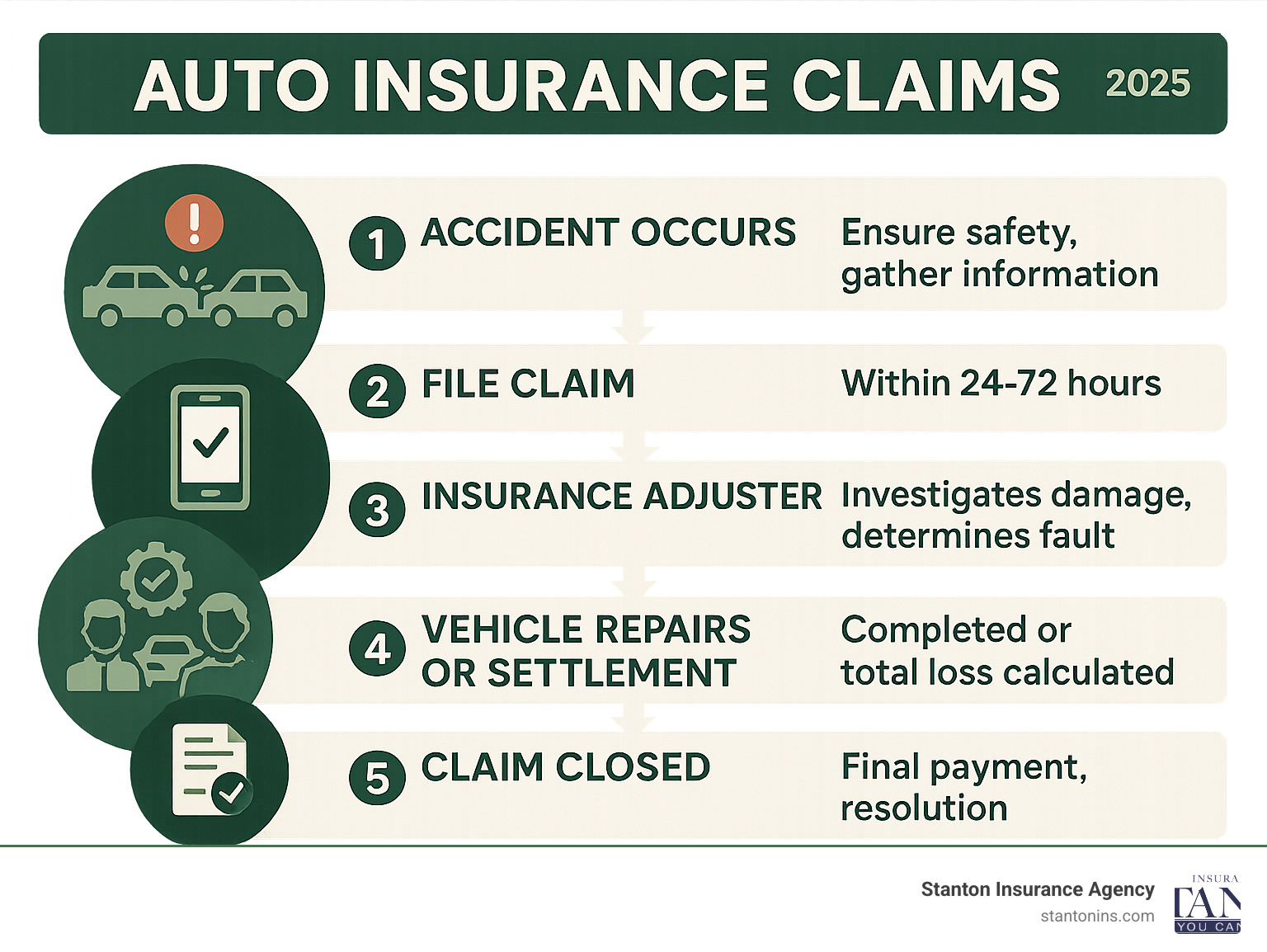
- Reporting the Loss: Claims must be reported immediately following an incident. In 2026, most carriers, including Gainsco, encourage digital reporting. Delays in reporting are a primary cause of stalled claims, as evidence (such as surveillance footage or witness testimony) becomes harder to verify over time.
- Assignment of Adjuster: Once the loss is reported, an adjuster is assigned to investigate the liability and damages. The adjuster acts as the primary point of contact.
- Investigation and Verification: This involves reviewing police reports, assessing the damage to the vehicle, and confirming policy coverage. This is the stage where most "disputes" documented in reviews occur.
- Damage Appraisal: The company will either send an adjuster to inspect the vehicle or request photos through their designated digital platform.
- Settlement or Denial: Based on the investigation, the claim is either paid, negotiated, or denied.
Comparison of Insurer Performance Indicators
The following table outlines standard performance indicators often analyzed by state insurance departments. While these numbers vary by jurisdiction and year, they represent the objective reality of the claims process.
| Metric | Significance in Claims Processing | Impact on Policyholder |
|---|---|---|
| Loss Ratio | Percentage of premiums paid out as claims. | Indicates financial health and payout propensity. |
| Complaint Index | Number of complaints per 1,000 policies. | Reflects consumer satisfaction levels. |
| Average Settlement Time | Median days to close a claim. | Directly affects the user's need for alternative transport. |
| Transparency Score | Availability of online claim tracking. | Reduces anxiety and communication frequency. |
Why Negative Reviews Occur
It is statistically common for insurance companies to receive more negative reviews than positive ones, regardless of service quality. Insurance is a "grudge purchase"—policyholders pay for a service they hope never to use, and when they do use it, it is usually during a period of high stress following an accident.
In the context of Gainsco, complaints often stem from the "ACV" (Actual Cash Value) of a vehicle. In the event of a total loss, the insurance company pays the current market value of the vehicle, not what the owner paid for it or what they still owe on a loan. When a review expresses anger about a "low payout," it is frequently a clash between the owner's subjective value of the car and the objective market data used by the insurer.
Navigating Claims Effectively
To ensure a smoother claims experience, policyholders should treat the process as a formal, documentation-heavy requirement. Documentation is the greatest defense against the issues highlighted in negative reviews.
- Document Everything: Maintain a file of every interaction, including the names of adjusters, dates of calls, and summaries of what was promised.
- Understand Your Policy: Before filing a claim, re-read your "Declarations Page." Know your deductibles and your specific coverages (Collision vs. Comprehensive vs. Liability).
- Use Digital Tools: If a company provides a mobile app for claims, use it. These tools create a time-stamped paper trail that can be referenced if a dispute arises.
- Escalation Paths: If you believe your claim is being handled unfairly or in violation of state regulations, every state has a Department of Insurance. Regulatory bodies hold companies accountable for following statutory guidelines in claims processing.
Regulatory Oversight and Consumer Rights
Insurance is heavily regulated at the state level in the United States. Every state has an Insurance Commissioner or Department of Insurance that sets standards for "fair claims settlement practices." These statutes define the timeframes in which an insurer must acknowledge a claim, provide forms, and issue payments.
If you find that your experience with Gainsco or any insurer is falling outside these statutory bounds, filing a formal complaint with your state's Department of Insurance is the most effective legal recourse. Regulatory inquiries force an insurance company to provide a detailed, documented explanation for their actions, which is often far more effective than posting a review on a public forum.
Frequently Asked Questions
How does Gainsco determine the value of a total loss vehicle? Gainsco, like most carriers, uses market data services to determine the Actual Cash Value (ACV) of a vehicle. This involves checking the local market for similar vehicles (make, model, year, mileage, and condition) and adjusting for the vehicle's pre-accident state.
What should I do if my claim is denied? Review your denial letter carefully. Insurance companies are required to state exactly which policy exclusion was triggered. If you believe the denial is based on a factual error, contact the claims department and provide evidence to contest the decision. If they maintain the denial, seek guidance from your state's Department of Insurance.
Does Gainsco provide rental car coverage during repairs? Rental coverage is an optional add-on in most policies. Whether you have it depends entirely on whether you selected and paid for this "endorsement" when purchasing the policy. Check your policy documents to see if "Rental Reimbursement" is listed as a line item.
Why do claims take longer than expected? Delays are typically caused by missing documentation, a high volume of claims following a widespread weather event (like a major storm), or complications in verifying liability if multiple parties are involved in an accident.
Are there differences in claims handling between states? Yes. Insurance laws are state-specific. Some states have stricter timelines for processing payments and stricter rules regarding how "total loss" is calculated. Always refer to your specific state's insurance statutes for the most accurate expectations.
Can I appeal a claims adjuster's decision? Yes, you have the right to challenge any decision. This can be done by providing additional documentation, such as independent repair estimates or expert testimony, to support your position.
Final Recommendations for Policyholders
When evaluating reviews of Gainsco or other non-standard auto insurers, prioritize the objective facts—your policy terms and the legal requirements of your state—over the subjective frustrations found in online forums.
The most successful claims experiences are those where the policyholder enters the process prepared. In 2026, the digital landscape for insurance allows you to track, document, and communicate with your insurer with unprecedented ease. If you are a policyholder, keep your digital records current, understand the limits of your coverage, and do not hesitate to reach out to your state's regulatory body if the communication process breaks down. By focusing on documentation and policy knowledge, you navigate the complexities of the claims process with the necessary leverage to reach a fair resolution.
Image Gallery