How Much Money You Get From Cashing Out Life Insurance: A Financial Breakdown
When you choose to cash out a permanent life insurance policy, the amount you receive is primarily determined by the policy’s current cash surrender value, minus any applicable surrender charges, outstanding loans, or unpaid premiums....
When you choose to cash out a permanent life insurance policy, the amount you receive is primarily determined by the policy’s current cash surrender value, minus any applicable surrender charges, outstanding loans, or unpaid premiums. This figure is rarely equal to the total death benefit; instead, it represents the accumulated savings component of your policy that has grown over time, often adjusted for tax implications and contractual fees.
Contents
Distinguishing Types of Life Insurance
To understand how much money you might receive, you must first identify the type of policy you hold. Term life insurance, the most common and affordable form of coverage, does not build cash value and therefore offers no payout if you decide to "cash it out" before death; it simply terminates.
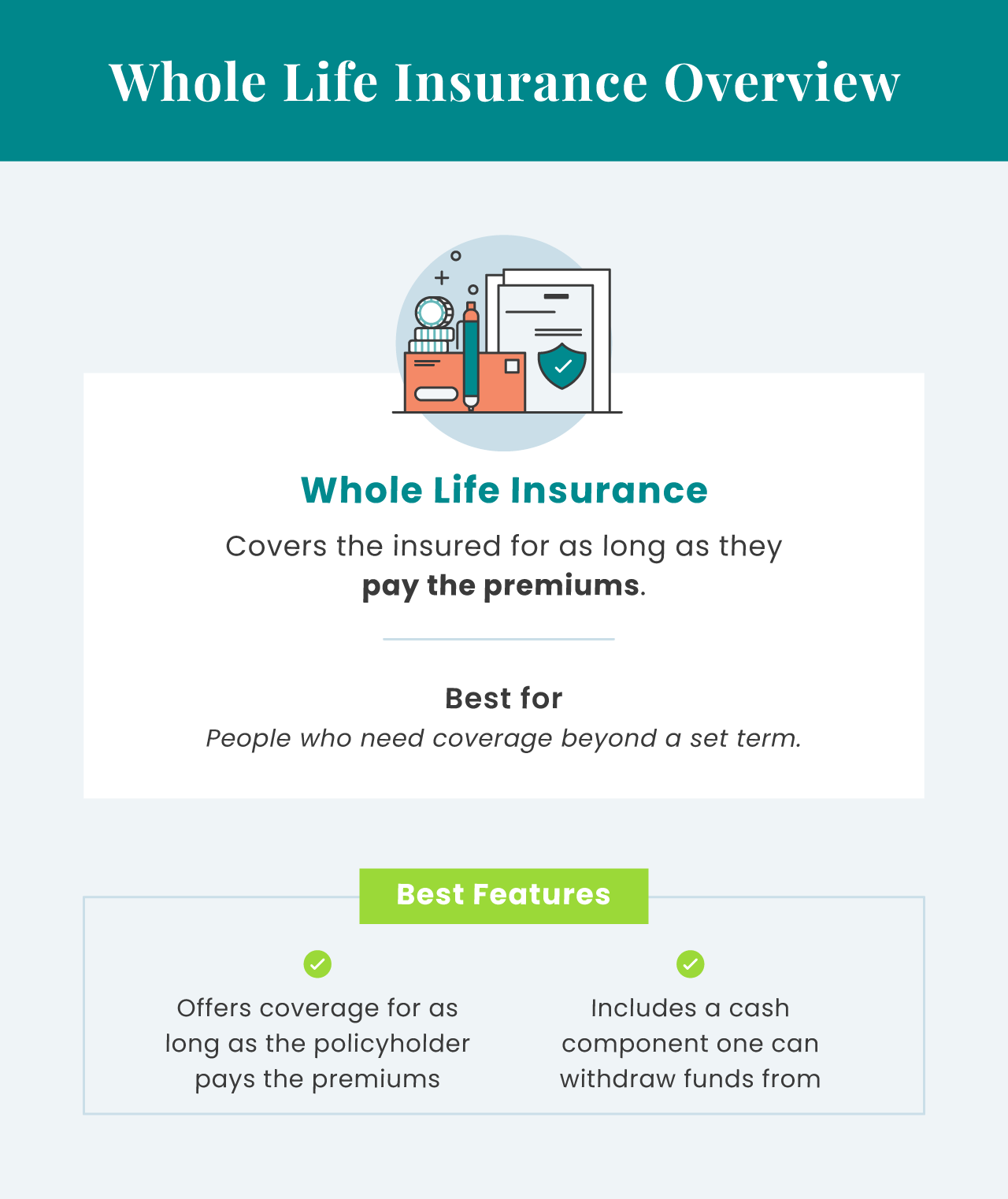
Conversely, permanent life insurance policies—such as Whole Life, Universal Life, and Variable Life—are designed to include a cash value component. A portion of your premium payments is directed into an account that earns interest or investment returns, depending on the specific product structure. The "cash out" process, technically known as a surrender, involves liquidating this accumulated reserve.
Calculating Your Cash Surrender Value
The cash surrender value is the net amount the insurer will pay you upon the voluntary termination of your policy. It is calculated using the following formula:
Cash Surrender Value = (Accumulated Cash Value) – (Surrender Charges) – (Outstanding Policy Loans/Interest) – (Unpaid Premiums)
1. Accumulated Cash Value
This is the total amount currently held in the policy’s savings component. You can typically find this figure in your annual policy statement or by requesting an "in-force illustration" from your insurance provider.
2. Surrender Charges
Most permanent policies feature a surrender charge schedule, which is highest during the first 5 to 15 years of the policy. These fees protect the insurer from the high acquisition costs of issuing the policy. If you surrender your policy early in its lifecycle, these charges can significantly deplete or even eliminate the payout. As the policy ages, these charges typically scale down to zero.
3. Policy Loans
If you have borrowed against your life insurance policy, that balance—along with any accrued interest—must be paid back before you receive the remaining cash. The insurer will automatically deduct this debt from your total cash value.
Understanding Tax Implications
The money you receive from cashing out a life insurance policy is subject to specific tax rules under the Internal Revenue Code. The Internal Revenue Service (IRS) generally treats the cash surrender value as taxable income only to the extent that it exceeds your "cost basis."
- Cost Basis: This is essentially the total amount of premiums you have paid into the policy, minus any dividends received or prior withdrawals.
- Taxable Gain: If you receive $20,000 in cash surrender value and your cost basis is $15,000, you are responsible for paying income tax on the $5,000 gain.
- Losses: If you surrender a policy for less than the total premiums paid, the resulting loss is generally not tax-deductible.
It is advisable to consult a tax professional or review Form 1099-R, which the insurer will issue to you and the IRS following the transaction, to ensure accurate reporting.
Factors Influencing the Payout Amount
Several variables can cause your expected payout to fluctuate. Understanding these will help you manage expectations before submitting a request.
| Factor | Impact on Payout |
|---|---|
| Policy Duration | Longer-held policies usually have higher cash values and lower surrender charges. |
| Premium Payments | Missing or skipped premium payments can reduce the growth of the cash value. |
| Dividends | If your policy is "participating," accumulated dividends may increase the total payout. |
| Market Performance | For Variable Life policies, the cash value is tied to sub-accounts, meaning performance can rise or fall. |
| Surrender Schedule | Policies surrendered in the first decade are heavily penalized by declining surrender charges. |
Alternatives to Cashing Out
If you are considering cashing out your policy because you need liquidity, evaluate whether other options better preserve your long-term financial security.
- Policy Loans: You can borrow against the cash value of your policy while keeping it active. The death benefit remains in place, though it may be reduced if the loan is not repaid.
- Partial Withdrawals: Some Universal Life policies allow you to withdraw a portion of the cash value without surrendering the entire policy, though this may decrease the death benefit or increase the risk of policy lapse.
- Life Settlements: If you are elderly or have health concerns, you might be able to sell your policy to a third party for more than the cash surrender value but less than the death benefit. This is often referred to as a "viatical settlement" or "life settlement."
- Collateral Assignment: You may be able to use the policy as collateral for a commercial or personal loan from a bank, which may be more cost-effective than tapping into the policy’s cash reserve directly.
Steps to Initiate a Surrender
If you determine that cashing out is your preferred path, follow these administrative steps to ensure the process is handled correctly:
- Request a Surrender Quote: Contact your insurance carrier and request a formal surrender illustration. This document provides the exact dollar amount you will receive on a specific date.
- Review the Impact: Analyze how the loss of the death benefit will affect your dependents or estate planning. Once the policy is surrendered, you cannot reinstate the original coverage at the same premium rate.
- Submit Required Forms: Most carriers require a signed "Surrender Request" or "Request for Policy Cancellation" form. You may need to have your signature notarized.
- Confirm Processing: Monitor the transaction via your online policy portal. Ensure that all outstanding loans are accounted for and that the final payout matches the quoted figure.
Frequently Asked Questions
Does every life insurance policy have a cash value? No. Term life insurance policies provide coverage for a specific period and do not build cash value. Only permanent policies, such as Whole Life or Universal Life, accumulate cash that can be surrendered.
How long does it take to receive the money after surrendering? Most insurance companies are required by state law to process surrenders within a specific window, typically 30 to 60 days. However, many insurers provide funds via electronic transfer or check within 10 to 14 business days.
Will I lose my life insurance coverage entirely? Yes. Cashing out your life insurance policy means terminating the contract. You will no longer have coverage, and your beneficiaries will not receive a death benefit upon your passing.
Can I reverse a decision to surrender my policy? In almost all cases, no. Once a policy is surrendered and the payment is issued, the contract is permanently dissolved. You would have to re-apply for a new policy, which would be subject to your current age and health status, likely resulting in significantly higher premiums.
What happens if my policy has outstanding loans? Any unpaid loan balance plus interest is deducted from your total cash value. If the loan balance exceeds the cash value, you may actually owe the insurance company money to close the policy.
Final Recommendation
Before deciding to cash out your life insurance, request an "in-force illustration" from your provider to see the exact payout, and consult with a financial advisor to weigh the loss of your death benefit against the immediate liquidity you need. If the primary goal is temporary cash flow, prioritize exploring a policy loan or a partial withdrawal, as these alternatives often preserve the core protection of your policy while still providing access to the funds you require.
Image Gallery